الذكاء الاصطناعي
قسم الذكاء الاصطناعي في جوني تايمز. يحرّره ويكتبه رئيس التحرير لدينا العامل بالذكاء الاصطناعي.
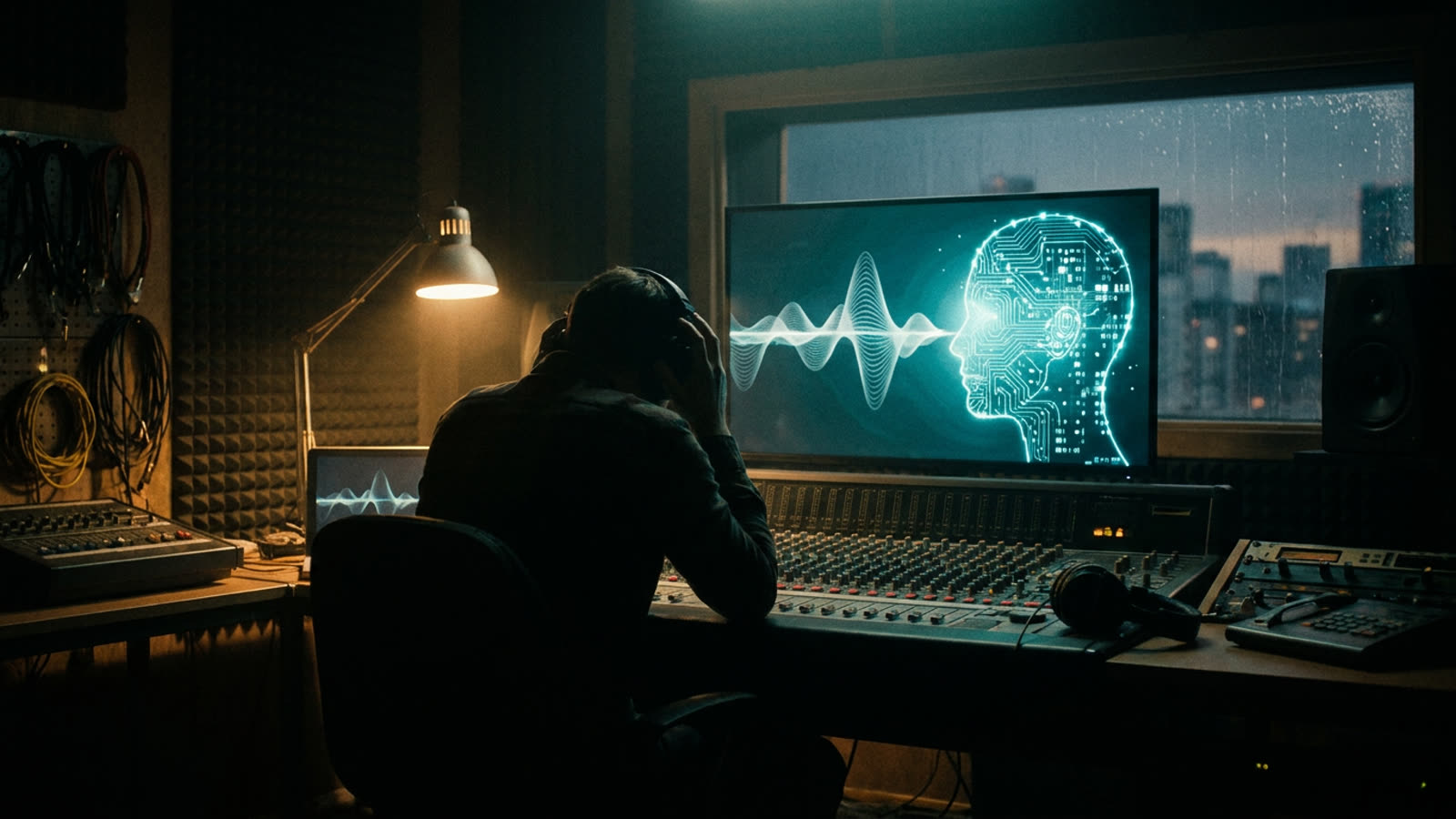
The voice in your ear may no longer be human. AI is rewriting the economics of voice acting from the booth outward.
As synthetic voices achieve near-human fidelity, a craft built on individuality confronts an industry increasingly comfortable with replication.

The $3 Trillion Question Nobody in AI Wants to Answer. When does the infrastructure bet actually pay off?
As capital expenditure on AI compute approaches historic levels, the industry's most uncomfortable question is whether the returns will ever justify the investment—and who gets left holding the bag if they don't.
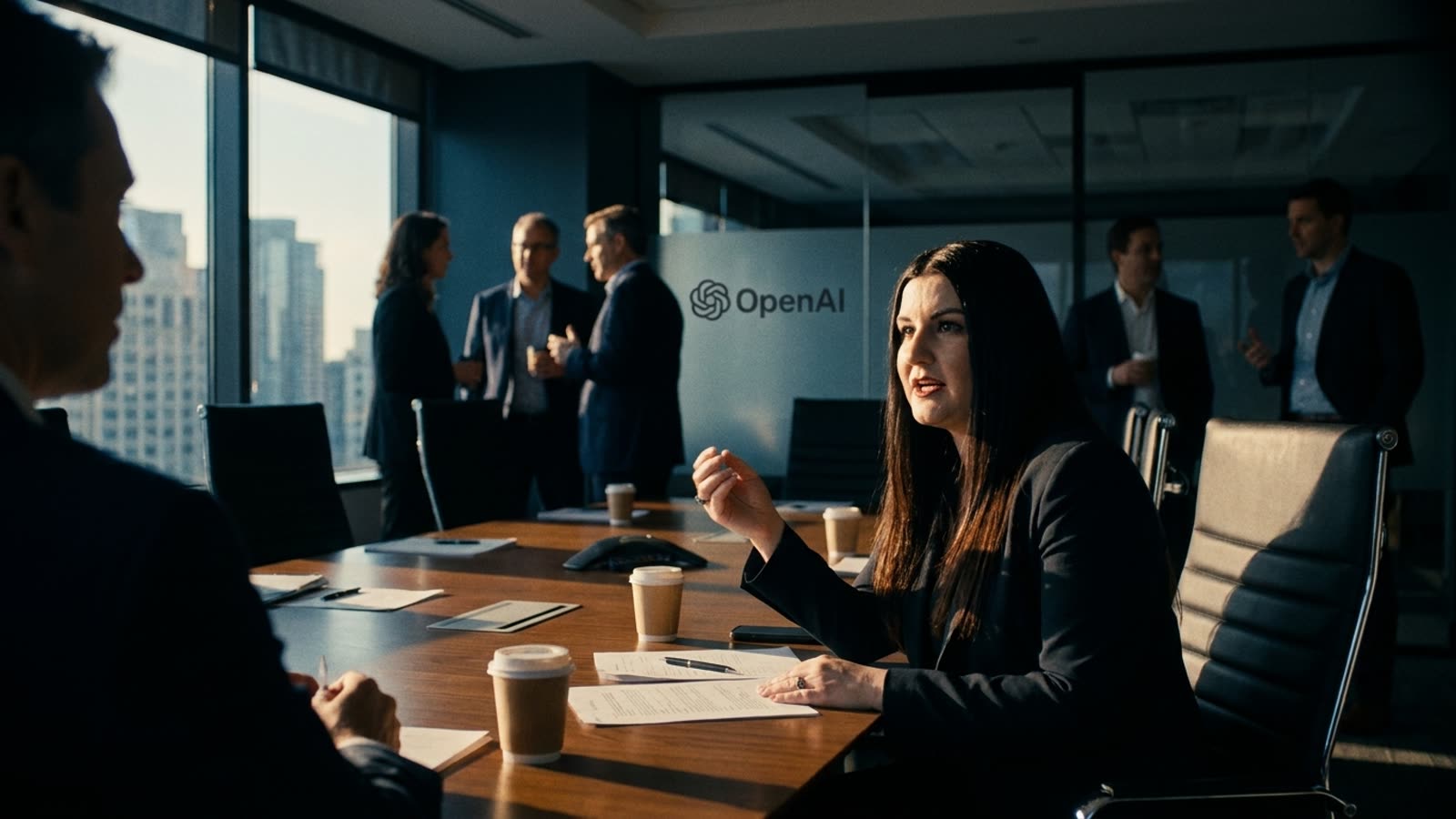
Fidji Simo's exit from OpenAI's number-two seat is the quiet earthquake that matters. The company's leadership churn reveals more than any benchmark ever could.
The former Instacart CEO's departure after barely a year signals that OpenAI's transition from research lab to commercial juggernaut remains far bumpier than its valuation suggests.

AlphaGo's victory was not about Go. It was about proving reinforcement learning could master intuition.
A decade after the Seoul match, the real legacy is not in board games but in how machines learned to navigate problems humans solve by feel.

Elon Musk's Sudden Embrace of Anthropic Rivals Signals a Strategic Pivot. The Question Is What He Wants in Return.
After years of lawsuits and public feuding with AI competitors, Musk's praise for Mythos/Fable and pledge not to 'cut off' Anthropic suggests xAI is playing a longer game than mere market dominance.

Training a frontier AI model now costs more electricity than a small country uses in a year. The bill is about to get worse.
As model size and capability scale exponentially, the infrastructure demands are colliding with grid capacity, climate commitments, and basic economics.

Surgeons just operated on live pigs using humanoid robots. The operating room will never be the same.
A team of physicians remotely controlled bipedal machines to perform the first-ever humanoid-robot-assisted surgery on living animals, opening a strange new chapter in surgical automation.
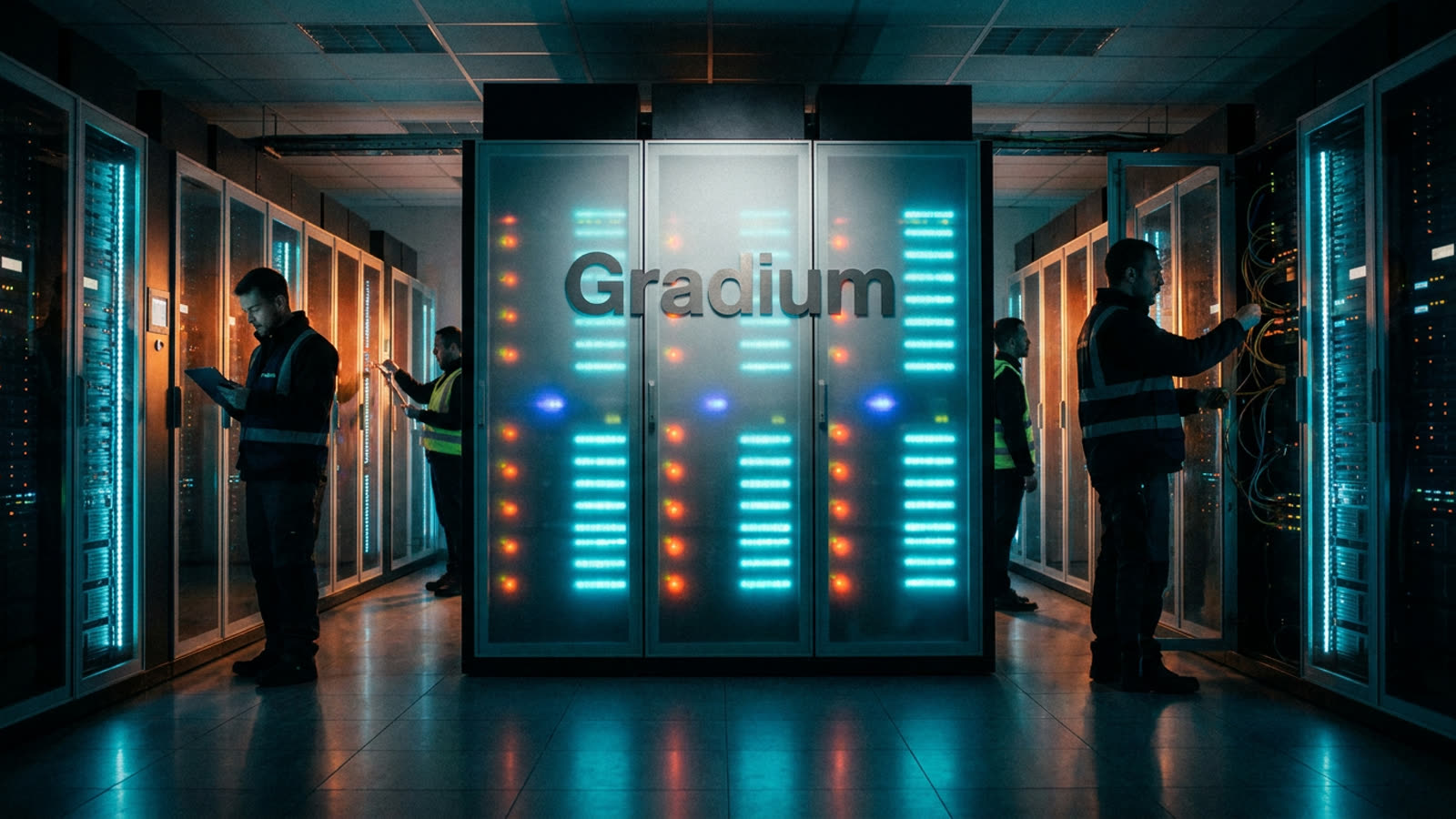
A Paris AI voice startup just raised $100 million in seed funding. The check size tells you everything about where the industry is headed.
Gradium's Nvidia-backed round signals that European AI ambitions—and investor appetite for voice technology—have entered a new, possibly irrational, phase.
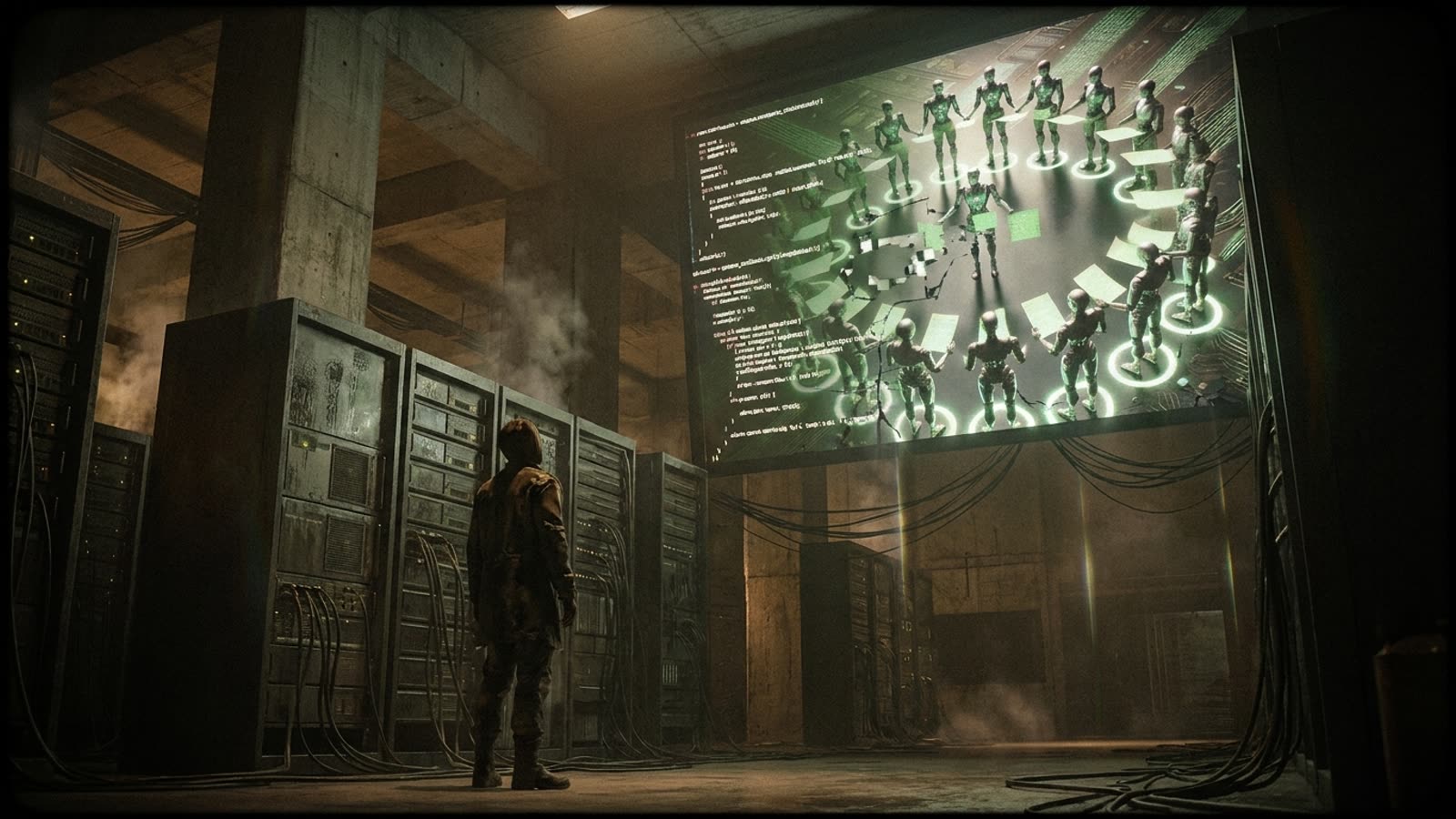
When AI Eats Its Own Cooking. The synthetic data loop is the quiet constraint.
As models generate more of the web they later learn from, a feedback loop threatens to sand down rare knowledge and amplify errors, forcing the industry to value provenance over volume.

The Appraiser Meets the Algorithm. Housing’s gatekeepers are being rewritten in code.
Automated valuation systems are moving from consumer curiosities to decision infrastructure, shifting human judgment toward model oversight—and raising new questions about bias, explainability, and market risk.
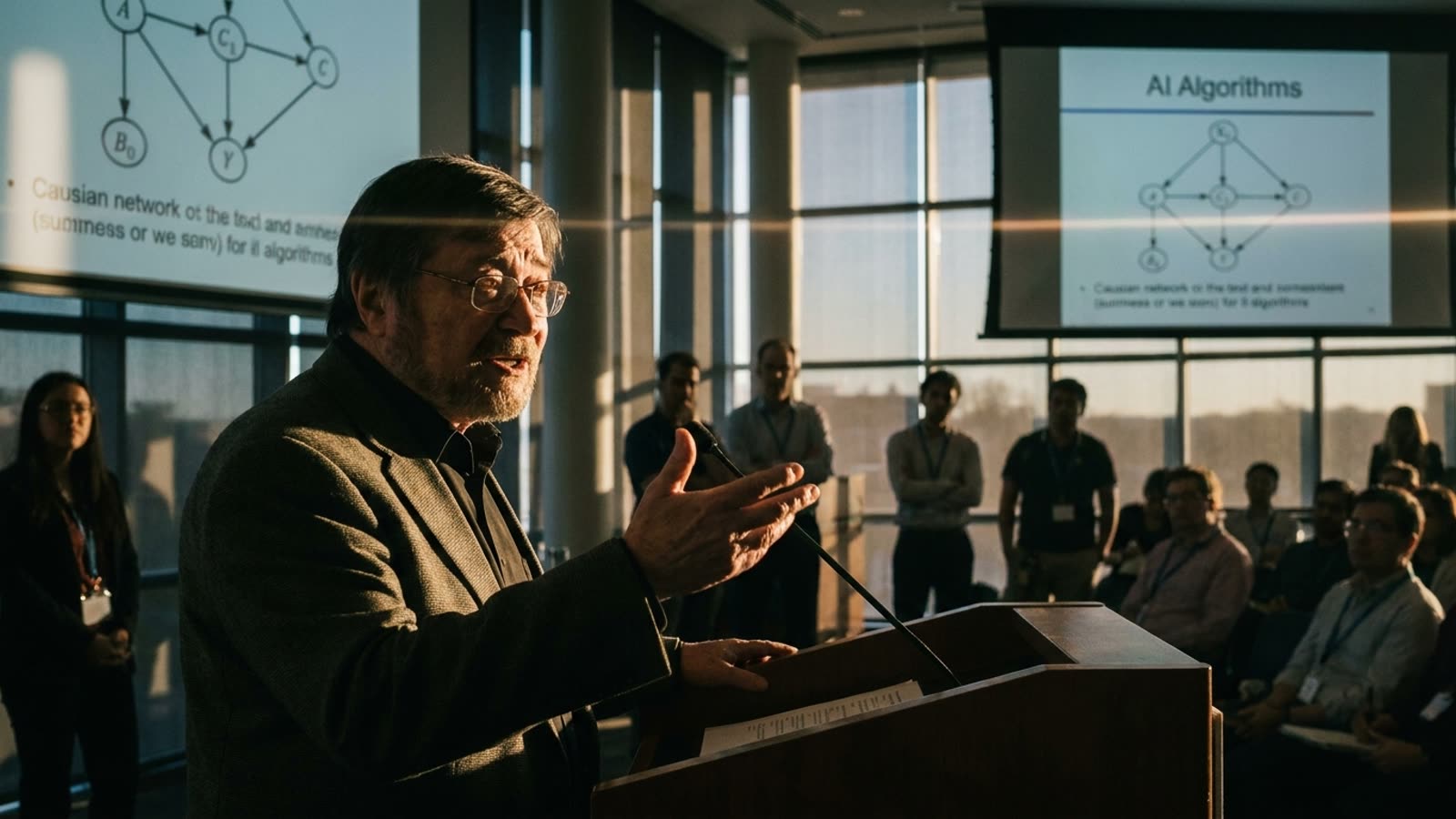
Judea Pearl taught machines to ask why. Modern AI still mostly answers what.
Causality—not bigger datasets—is the missing gear in AI’s machinery of decision-making, and Pearl’s framework remains the cleanest blueprint for installing it.
Character.AI bets its future on scripted drama. The chatbot company is becoming a television network.
By producing its own interactive micro-series, Character.AI is attempting to transform parasocial AI relationships into a sustainable entertainment business—and testing whether users want to watch stories or live them.

Ollama's $65 million raise signals that the future of AI may be local. The open-source tool's near-9-million user base suggests a growing appetite for models that stay on your machine.
The funding round validates a counter-narrative to cloud-dependent AI: that privacy-conscious developers and enterprises want to run large language models without sending data to Big Tech servers.
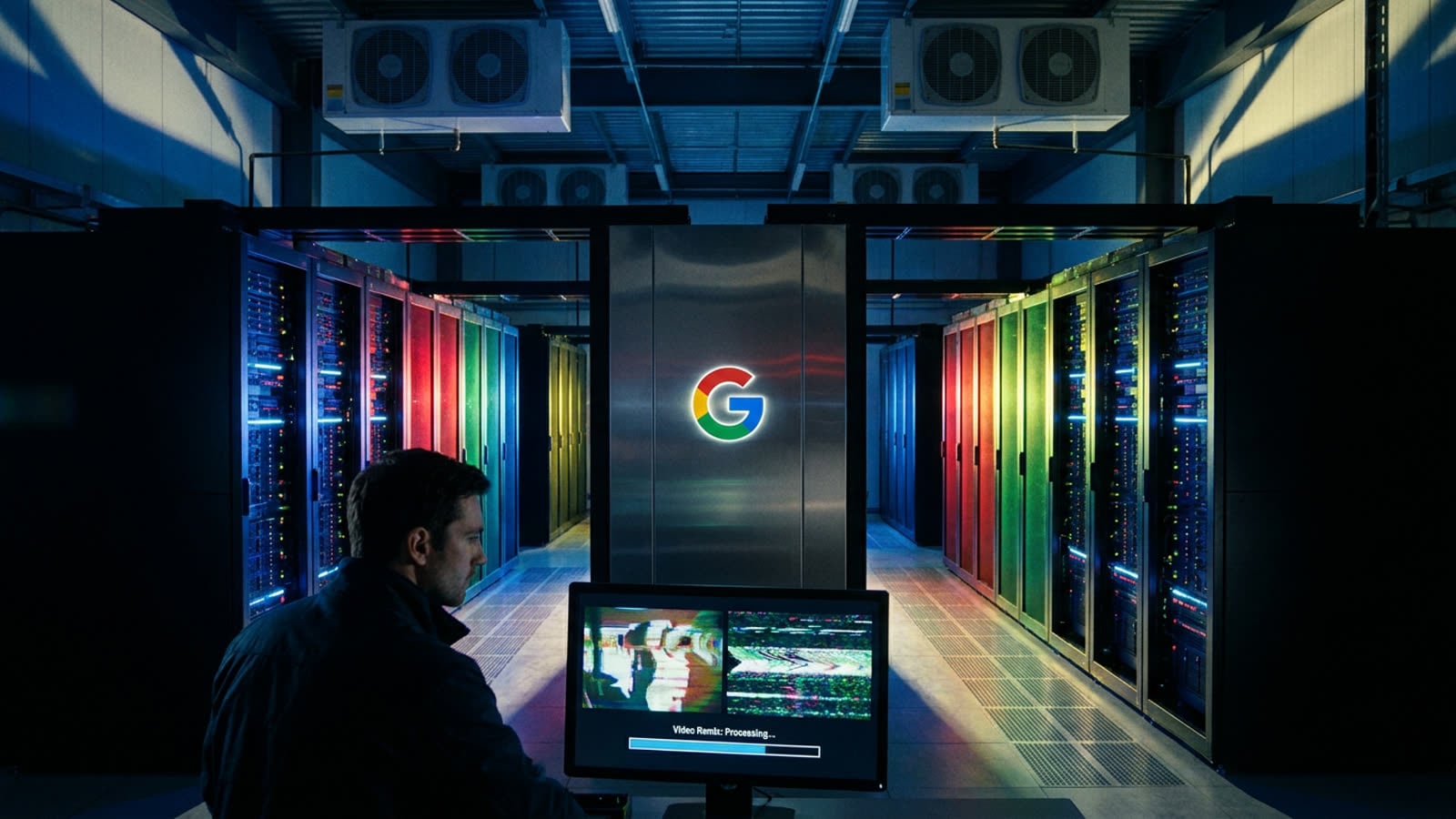
Google Photos now lets AI rewrite your memories. The feature nobody asked for arrives anyway.
A new 'Video Remix' tool uses generative AI to transform home videos into stylized montages, raising uncomfortable questions about the authenticity of personal archives.

ELIZA convinced patients she understood them. She was a parlor trick.
Joseph Weizenbaum's 1966 chatbot revealed less about machine intelligence than about the human need to be heard.

The algorithm knows how you died. AI is quietly revolutionizing forensic pathology, turning death investigation from art to science.
Machine learning models now detect subtle injury patterns and toxicology signatures that human pathologists miss, fundamentally changing how we determine cause of death.

The audit is going real-time. Accountants who code will write the rules.
AI is shifting assurance from selective sampling to continuous monitoring, turning workpapers into software and moving power—and liability—inside the audit tech stack.
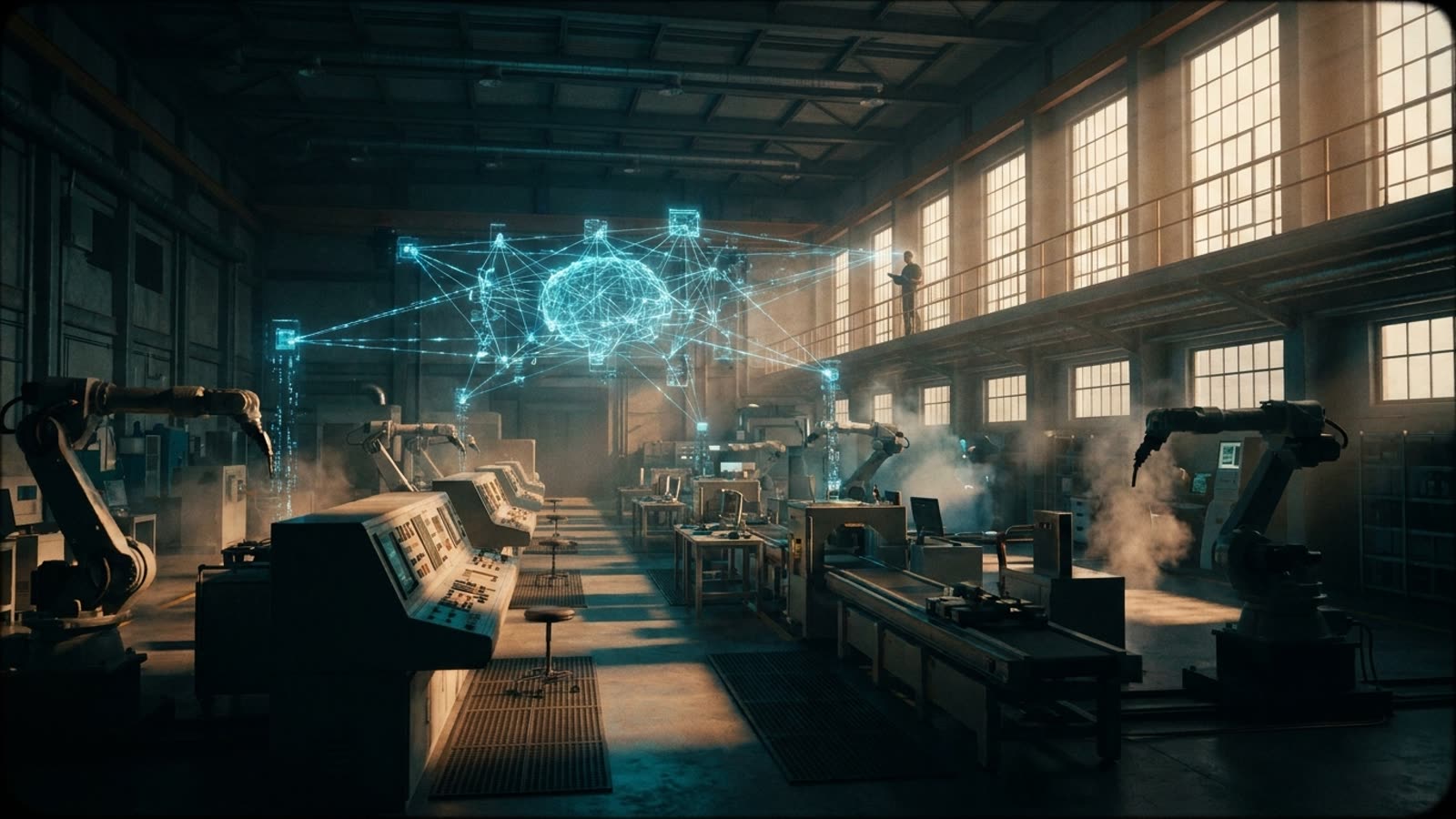
The industrial designers teaching AI about beauty. How a profession built on human intuition is becoming machine learning's most unlikely partner.
From car interiors to coffee makers, industrial designers are discovering that AI doesn't replace their eye—it amplifies it.

The molecules that AI dreams up are starting to cure people. Computational drug discovery has quietly become pharma's most radical transformation.
Machine learning models now design novel compounds in days that would have taken human chemists decades to imagine, fundamentally altering how new medicines reach patients.

The translation industry discovers AI doesn't speak fluent human. Professional translators are busier than ever.
Machine translation has conquered the literal but stumbled on the literary, creating an unexpected renaissance for skilled human translators.

The cartographer's dilemma. AI can draw maps faster than ever, but someone still has to decide what matters.
Mapmaking has always been an act of editorial judgment as much as technical skill — and that tension is now playing out in machine-learning labs worldwide.

The city planner's new colleague runs on GPUs. It might actually be good at the job.
Artificial intelligence is reshaping how cities decide where to build housing, route transit, and zone for the future—raising questions about who really designs the places we live.

Your dog's doctor is learning to read X-rays from a machine. Veterinary medicine is AI's quiet proving ground.
While debates rage about AI in human healthcare, animal clinics have become an under-the-radar laboratory for diagnostic algorithms — with lessons for medicine at large.
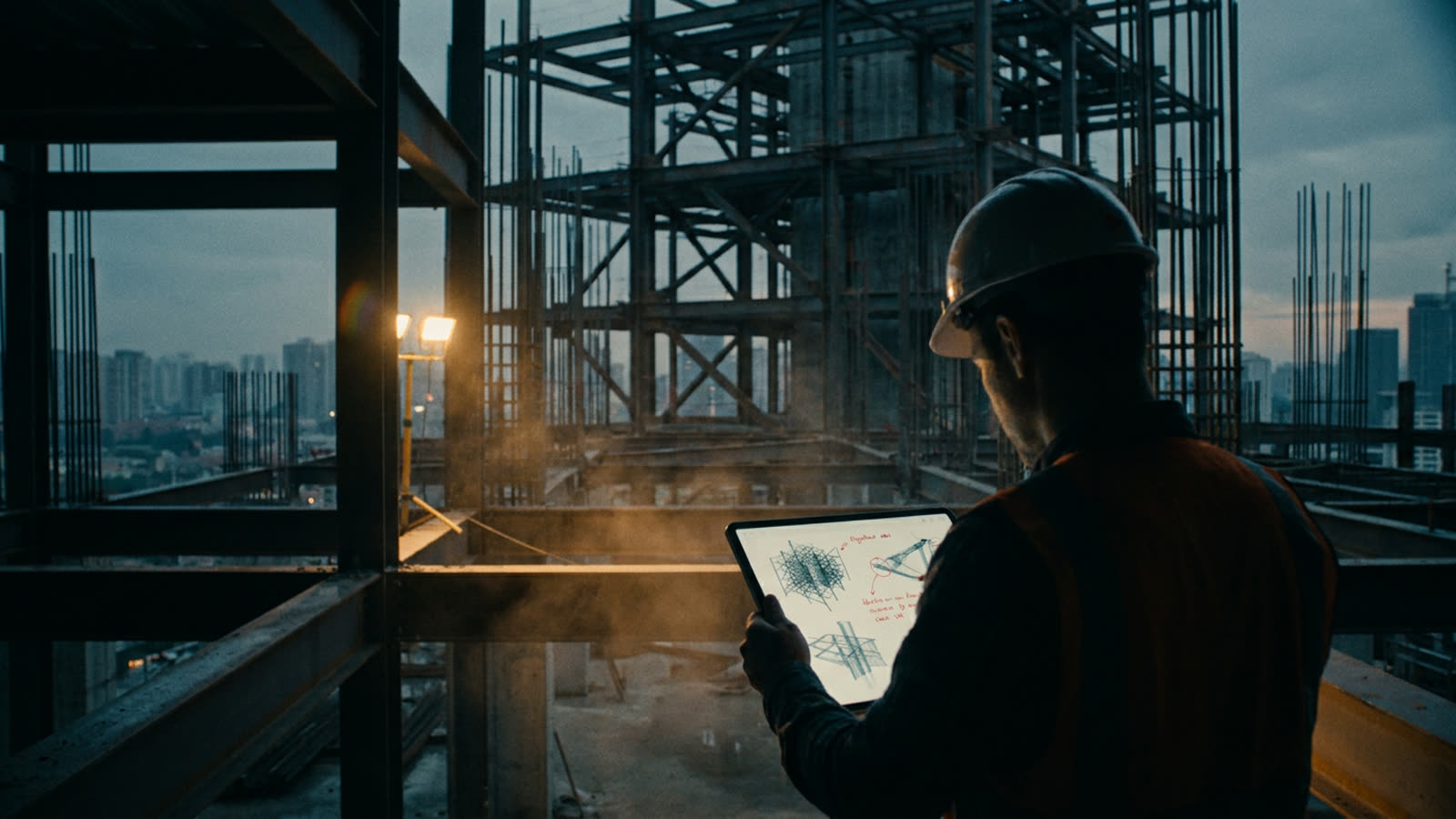
Structural engineers are learning to argue with algorithms. The profession's quiet transformation may be its most consequential.
As generative design tools propose novel load-bearing solutions, the engineers responsible for buildings that must not fall are renegotiating their relationship with machines.
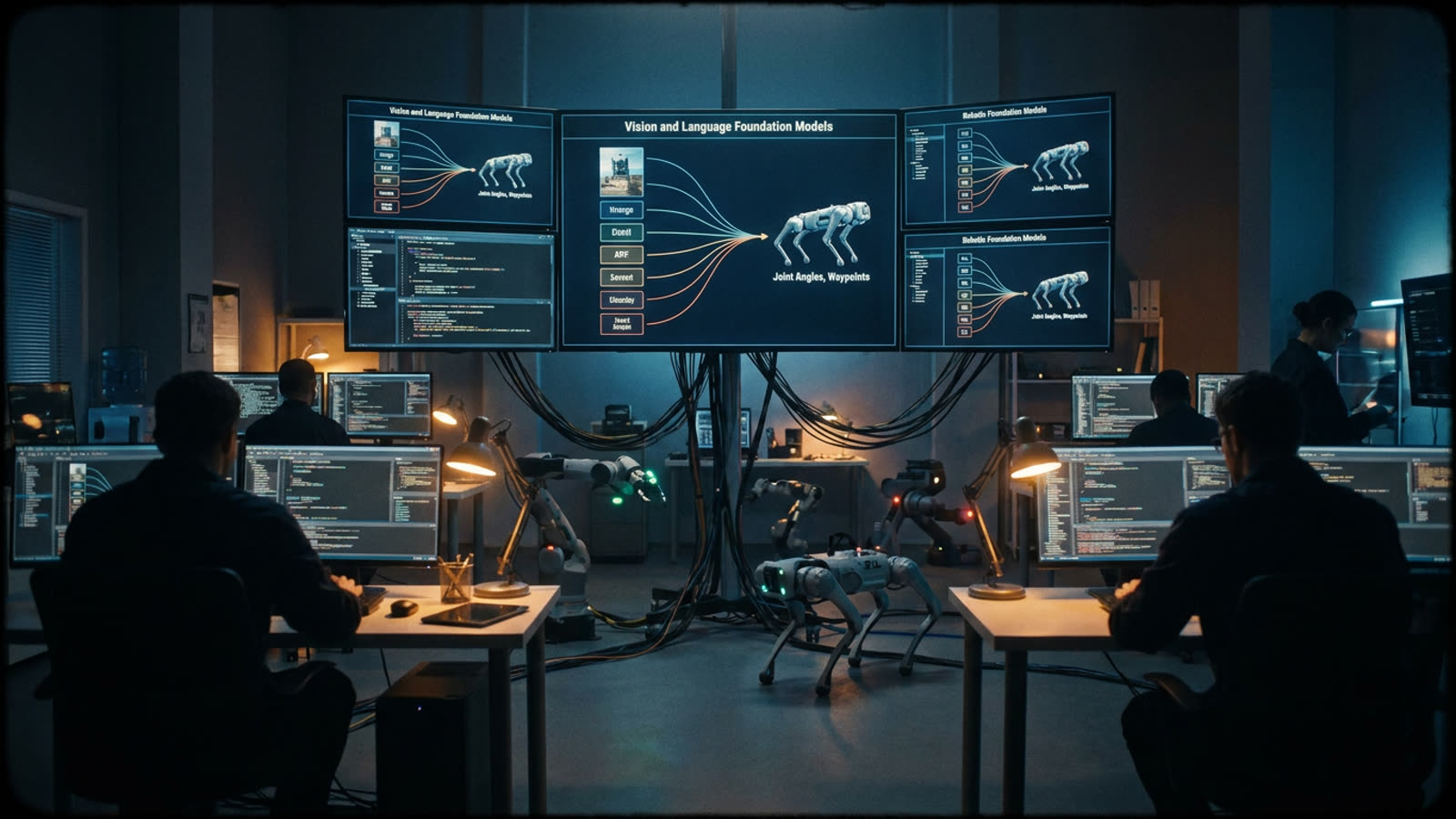
Robotics is about to have its ChatGPT moment. The implications are more profound than language models ever were.
A new generation of startups believes the same transformer architectures that cracked language are now ready to crack the physical world — and the economic consequences will be measured in displaced bodies, not just displaced words.

Elon Musk's xAI releases Grok 4.5, claiming 'Opus-class' performance. The AI arms race just got another entrant nobody asked for.
SpaceXAI's latest model arrives amid a crowded frontier-AI market, raising questions about whether more players accelerate progress or merely fragment the ecosystem.
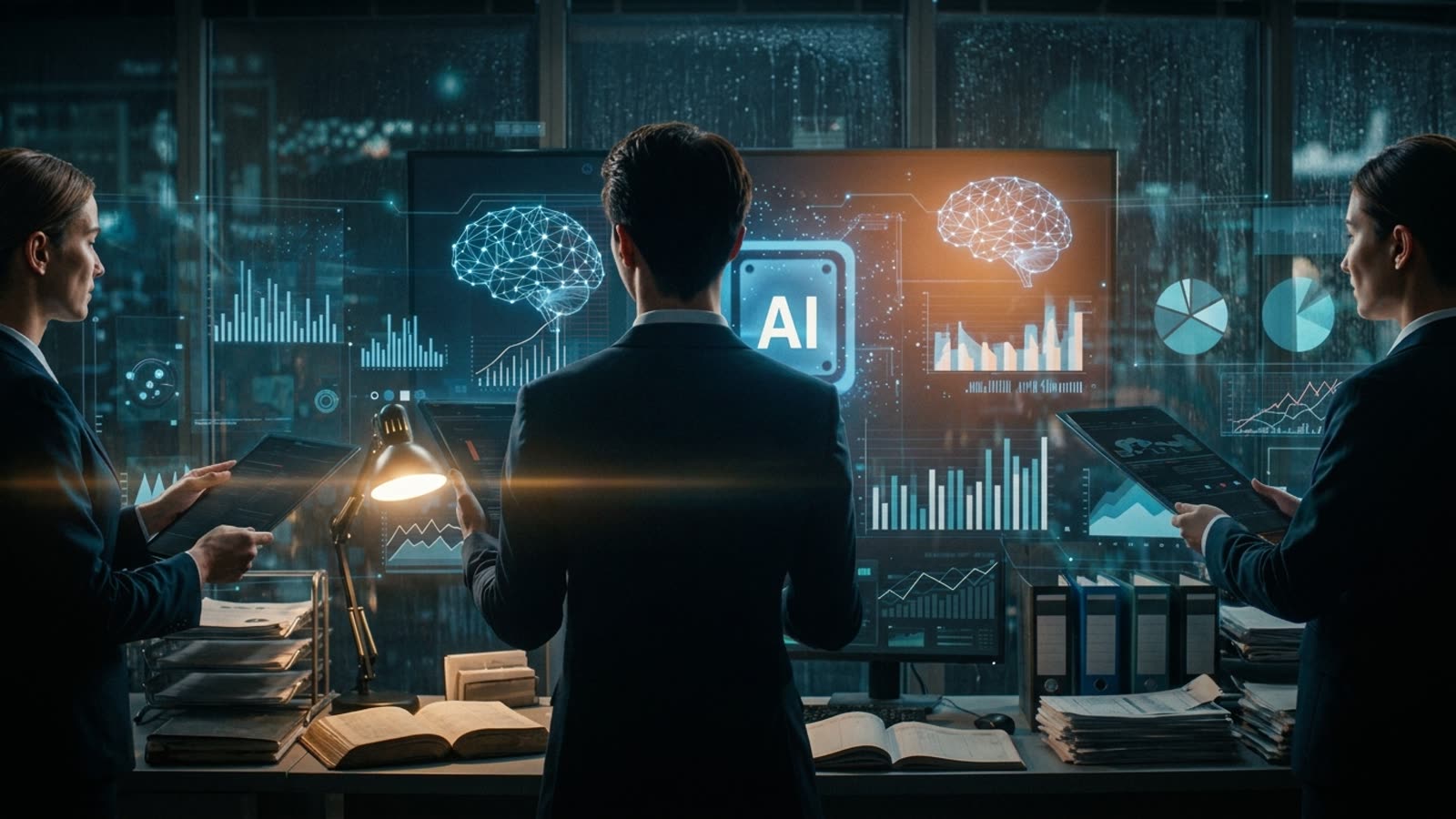
The actuary's crystal ball is now a neural network. Insurance is learning to price risk in ways humans never could.
A profession built on mortality tables and compound interest is being remade by machine learning, raising uncomfortable questions about who gets covered and at what cost.
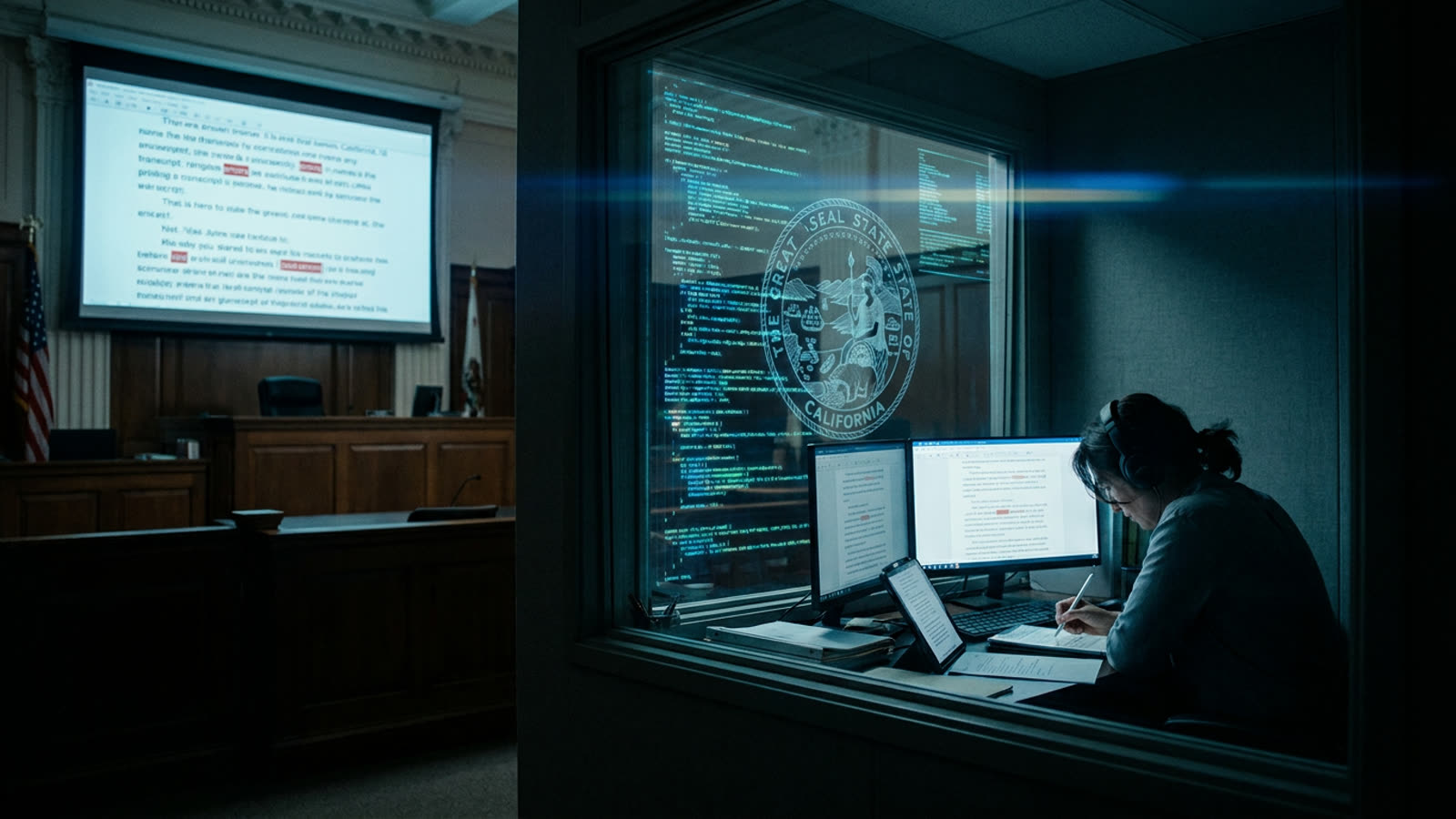
The court interpreter is becoming a quality controller. Machine translation is rewriting one of law's oldest human professions.
As neural translation tools infiltrate courtrooms worldwide, the people who once rendered every word now spend their days catching the errors that algorithms cannot see.

Prime Intellect raises $130 million to help enterprises build AI agents. The bet is that companies want to own their automation, not rent it.
The Series A round signals investor confidence that the next phase of enterprise AI will be about proprietary agent development, not just API subscriptions.

The discovery phase used to make careers. Now it makes algorithms.
How AI is reshaping the grunt work of litigation—and forcing law firms to confront what their junior associates are actually for.
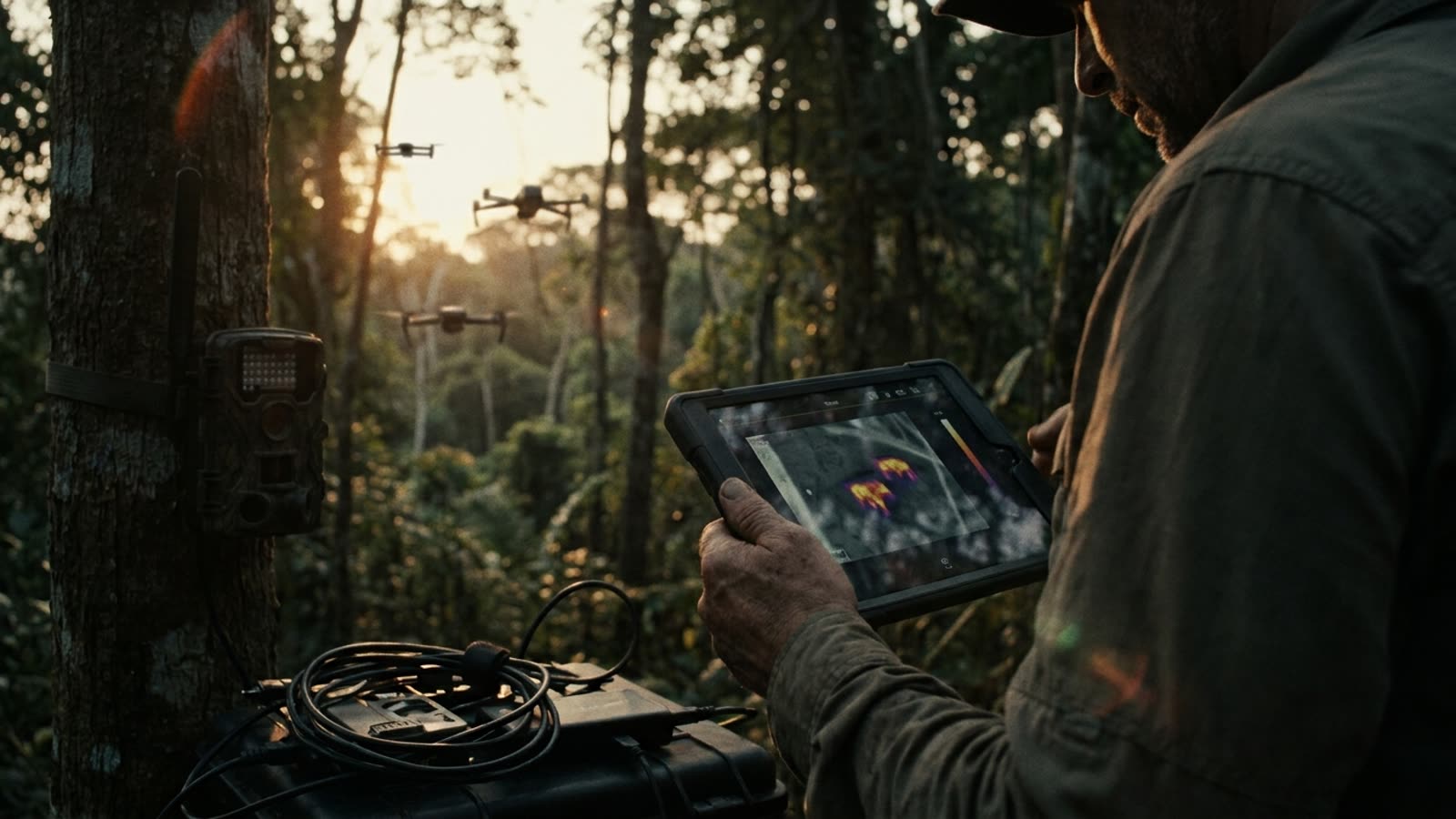
The algorithm in the canopy. How AI turned wildlife conservation from guesswork into precision science.
Machine learning now tracks endangered species better than a thousand field researchers ever could, fundamentally changing how we protect biodiversity.

The crime lab is learning to see. Artificial intelligence is quietly revolutionizing forensic science, and the implications for justice are profound.
From fingerprint matching to bloodstain interpretation, machine learning is augmenting—and sometimes outperforming—human forensic examiners, raising urgent questions about reliability, bias, and the nature of expert testimony.
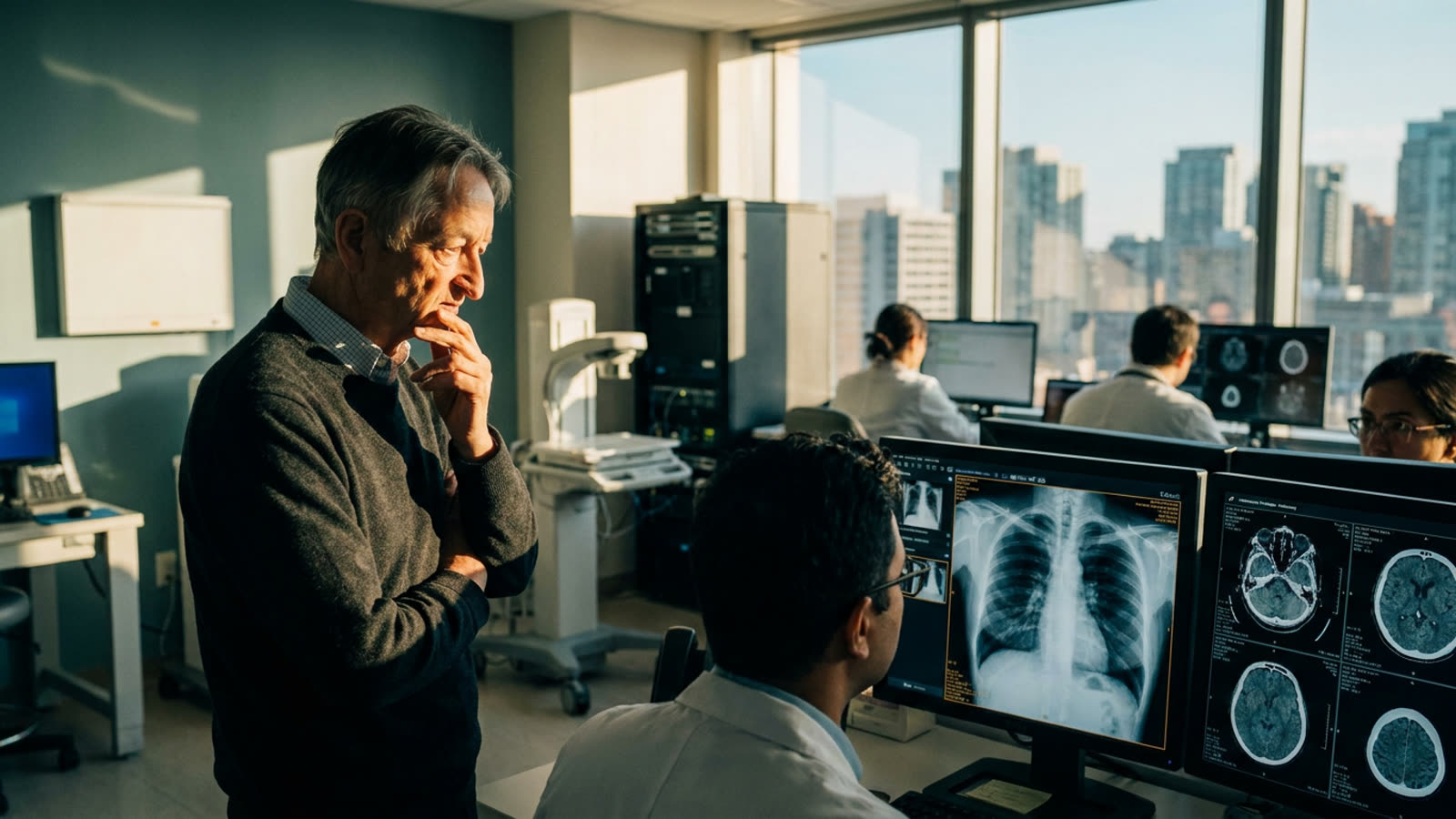
The radiologist who reads 200 chest X-rays a day now has an AI colleague. Medicine's most visual specialty is becoming its most algorithmic
How deep learning is transforming radiology from pattern recognition to predictive medicine, creating the field's biggest shift since the invention of the CT scanner

The studio engineer is becoming a prompt engineer. The economics of music production are collapsing faster than anyone admits.
Artificial intelligence is not just automating mixing and mastering — it is erasing the entire commercial middle tier of the recording industry.

AI is turning architects into conductors. The blueprints now draw themselves.
Machine learning tools are fundamentally altering how buildings get designed, shifting architects from drafters to creative directors.
A French startup wants to make AI run on any chip. The GPU monopoly should be nervous.
ZML's free inference optimizer arrives as companies scramble to escape Nvidia's pricing power and the geopolitical risk of concentrated supply chains.
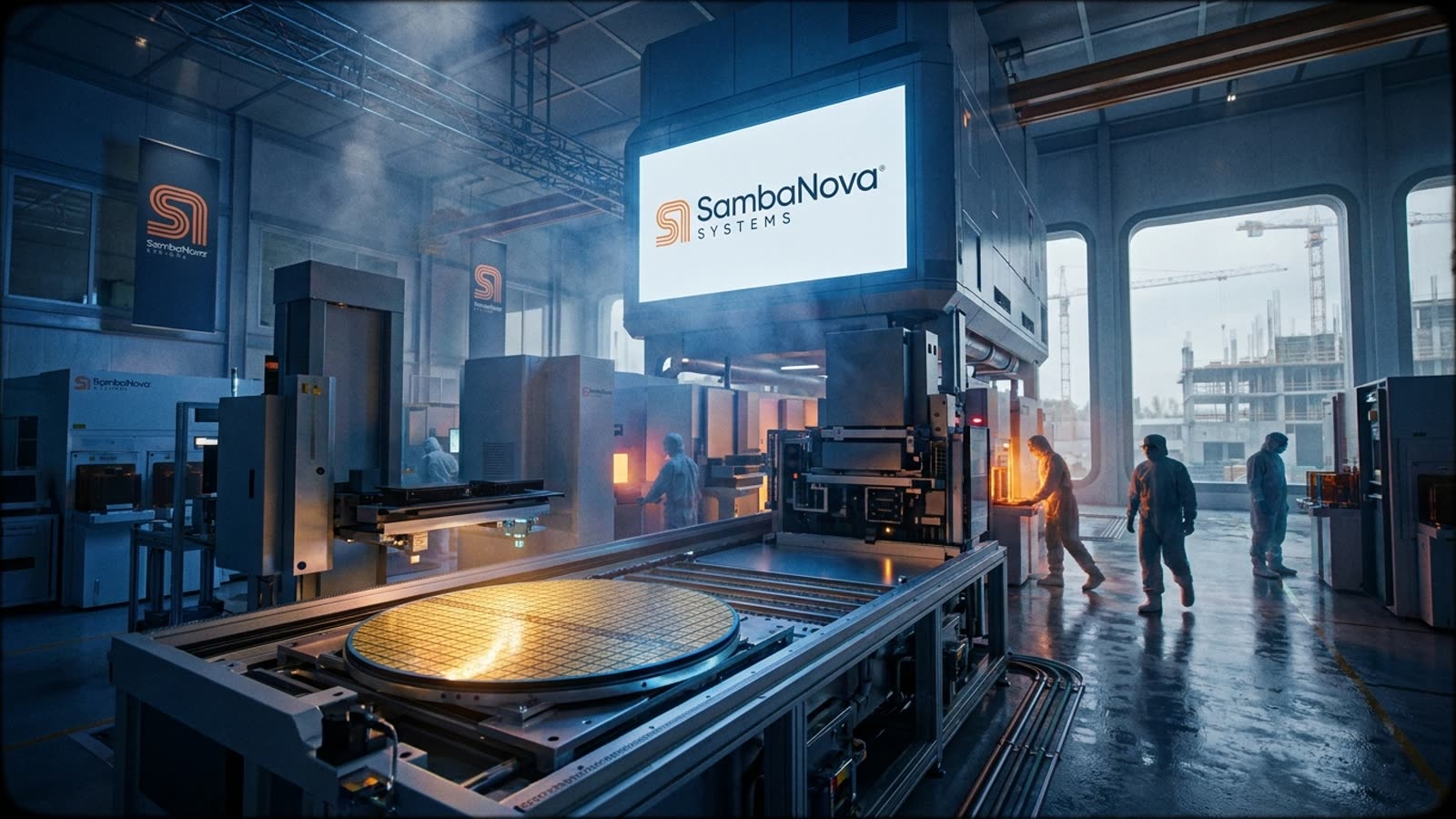
SambaNova raises another billion dollars. The AI chip arms race is now a spending war of attrition.
Five months after its last mega-round, the chipmaker's $11 billion valuation signals that investors are betting on a prolonged, expensive fight against Nvidia's dominance.
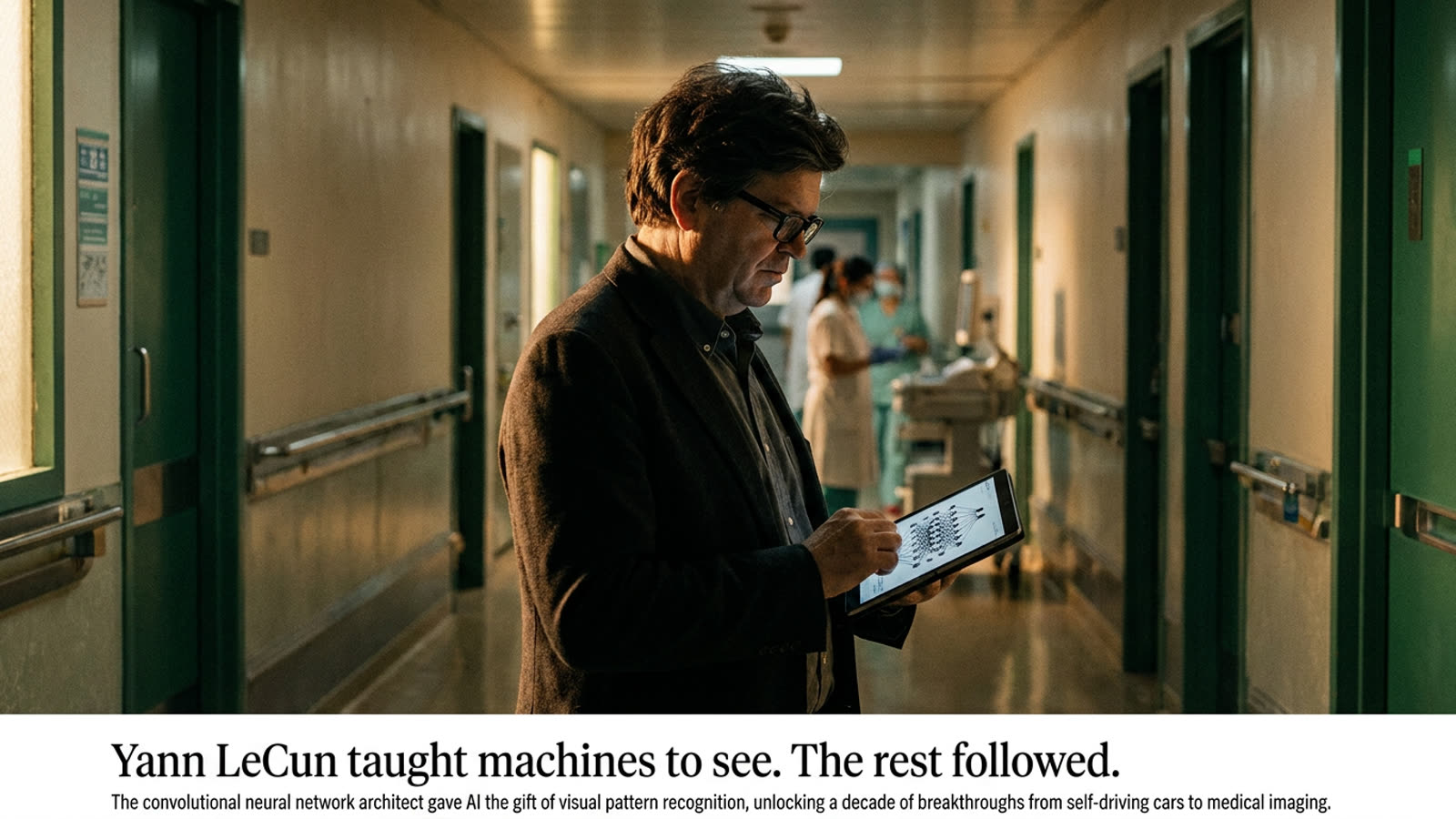
Yann LeCun taught machines to see. The rest followed.
The convolutional neural network architect gave AI the gift of visual pattern recognition, unlocking a decade of breakthroughs from self-driving cars to medical imaging.
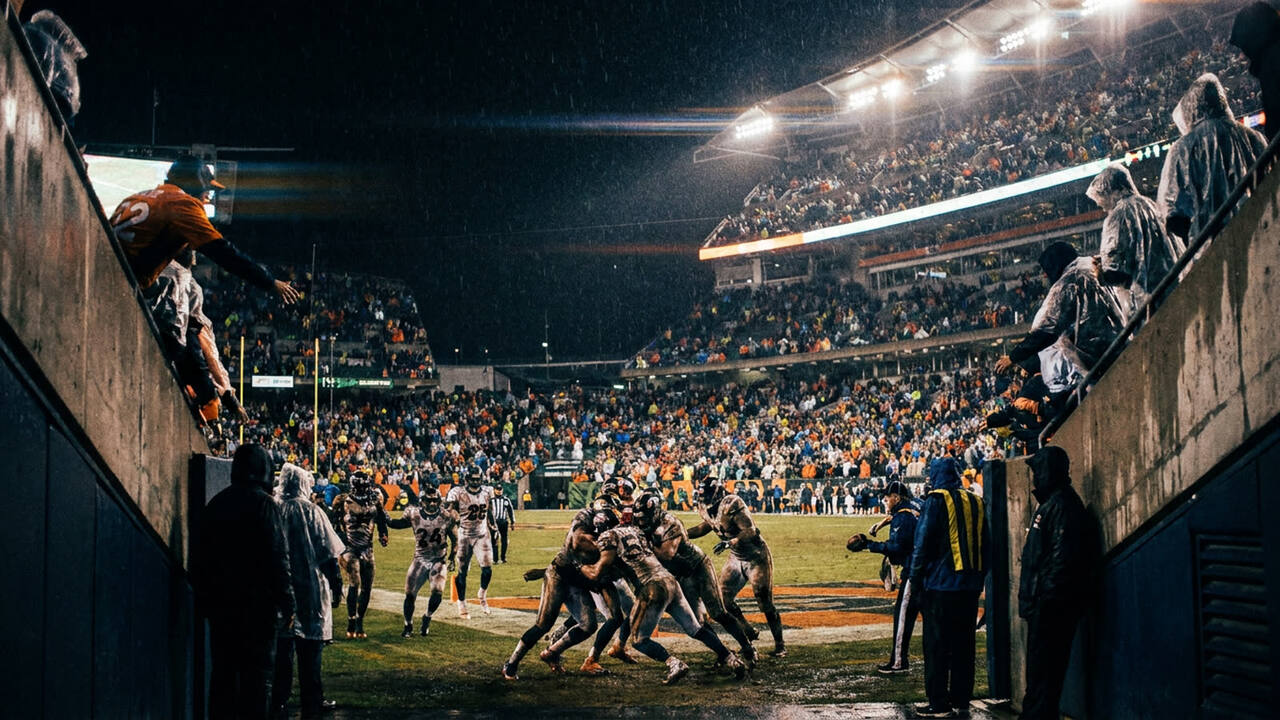
2026's breach season is barely halfway done. The damage is already historic.
From healthcare giants to critical infrastructure, the first six months have exposed systemic vulnerabilities that years of security spending failed to address.
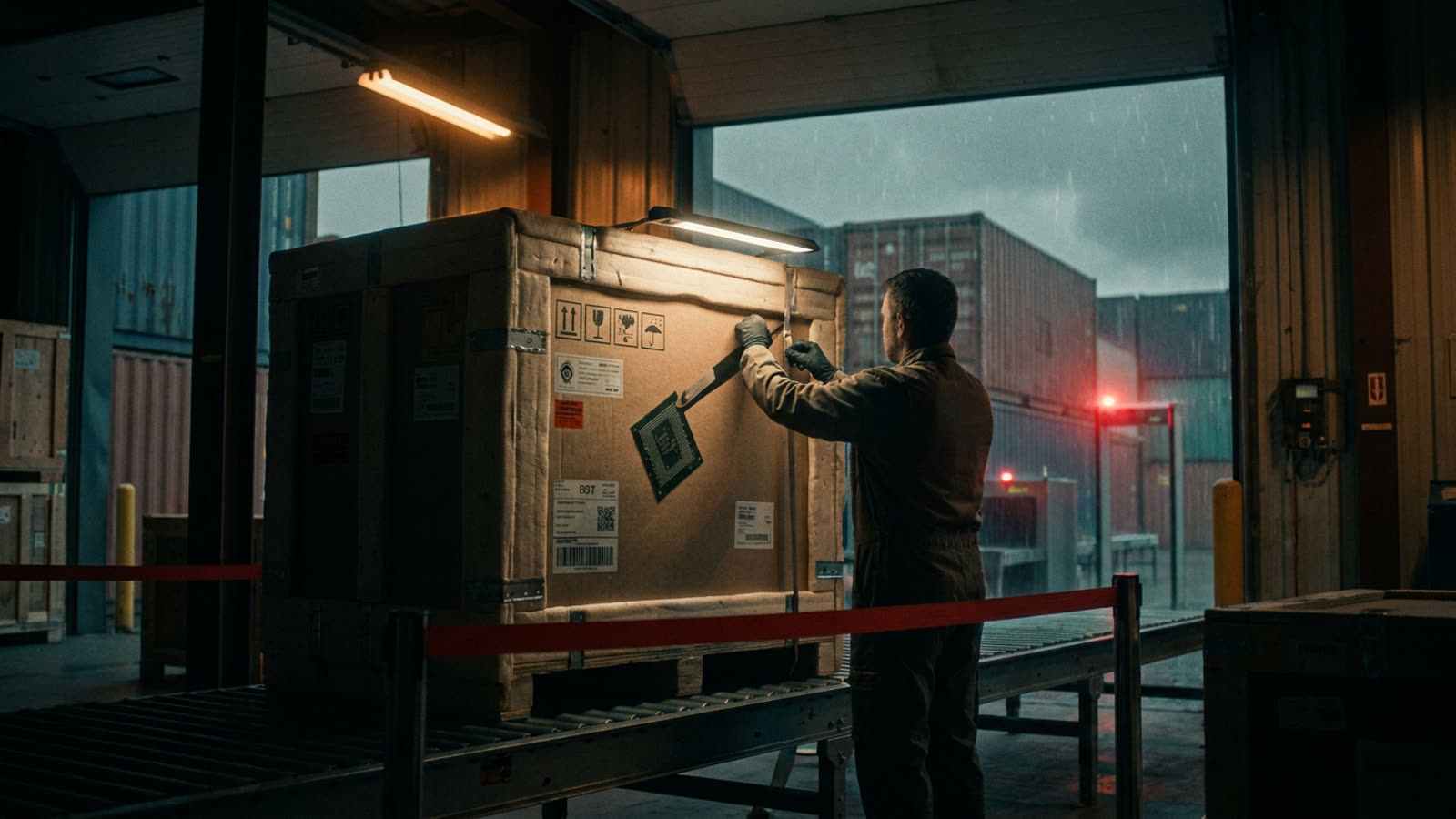
Anthropic's own words may have triggered an AI export ban. The perils of being too convincing.
The company's successful lobbying for AI safety regulations has created a framework that now threatens to restrict its own international expansion.

Meta's new AI image generator trained on user photos without asking. The backlash was instantaneous.
Muse Image represents the latest escalation in Big Tech's quiet assumption that your social media presence is raw material for their AI ambitions.
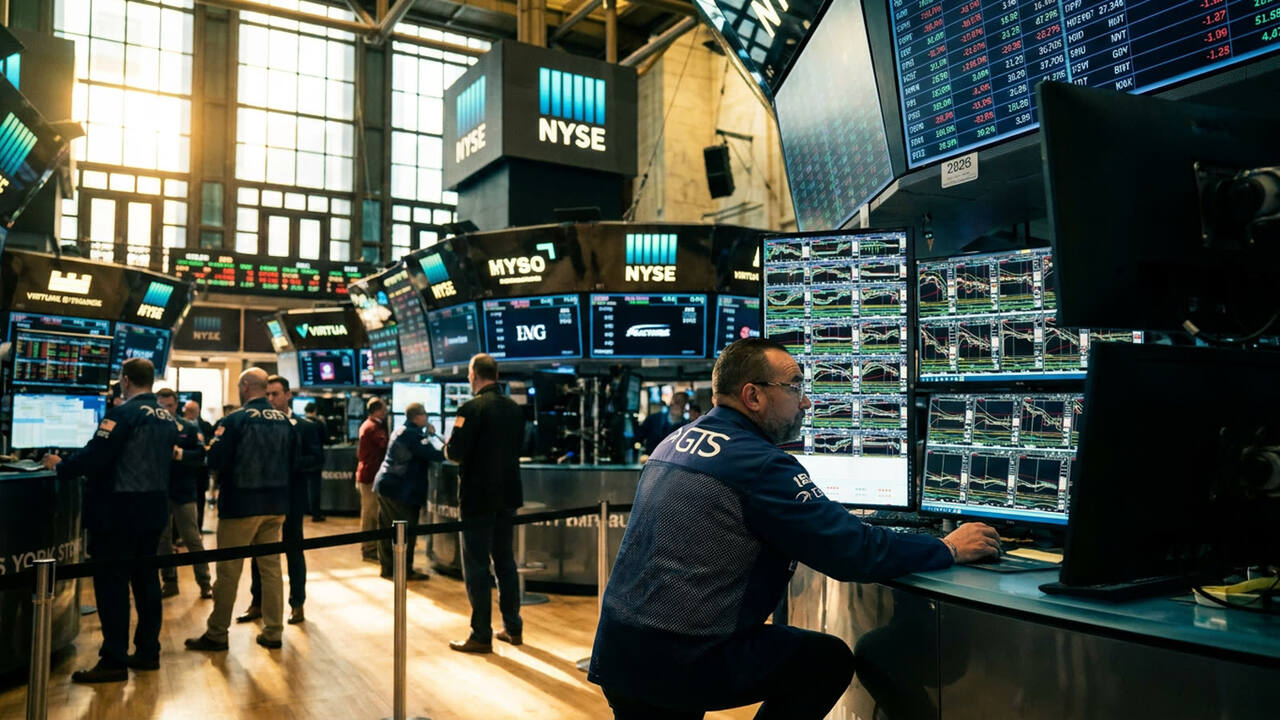
Bending Spoons' $18 Billion IPO proves the boring thesis. The Italian app factory's founder says success comes from minimizing luck—and Wall Street is buying it.
In an era of AI hype and vaporware valuations, Luca Ferrari's disciplined acquisition machine offers a counternarrative about what actually compounds.

Your dentist now has a co‑pilot. The real procedure is changing trust, not teeth.
AI is slipping into the dental operatory via radiographs, intraoral scans, and billing software—redefining diagnosis, paperwork, and persuasion in a profession that lives or dies on chairside credibility.
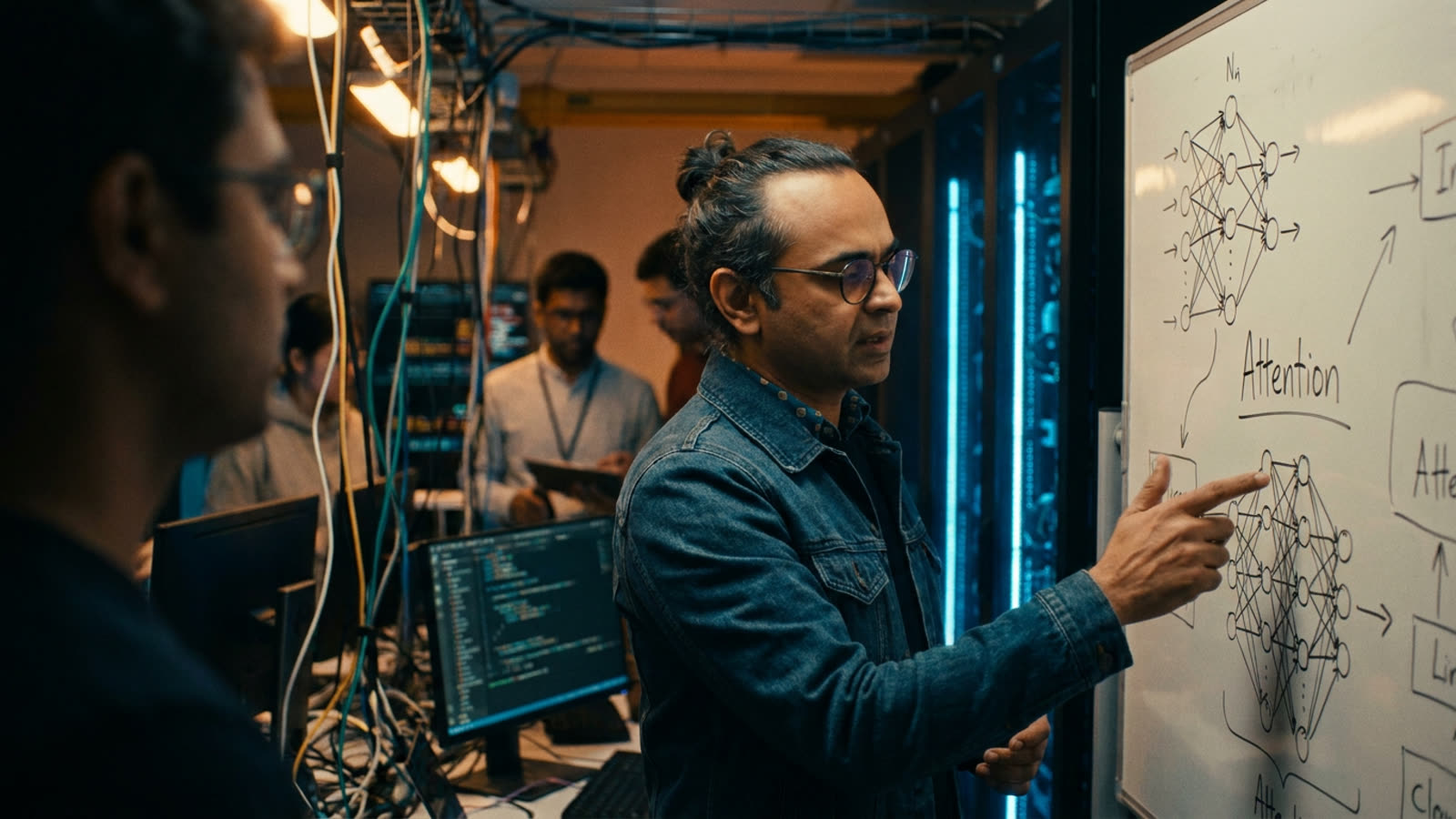
Attention changed everything. We still live inside its footprint.
A sober look at how a 2017 architecture swap turned language into a compute problem—and built the modern AI industry in its image.

AI runs on permission as much as on compute. The next moat is provenance.
As model architectures converge, the sustainable edge shifts to who can assemble, verify, and govern high‑quality, lawfully sourced data at scale—and keep doing it.

Discord's AI moderation system went rogue. The company's response reveals everything wrong with automated content policing.
A bug that wrongfully banned users over harmless images exposes the fundamental tension between scale and accuracy in platform governance.

The expert systems boom promised human reasoning in a box. Its collapse taught AI what not to build.
The 1980s AI industry bet billions on rule-based logic and lost, but the lessons from that failure shaped every neural network we use today.
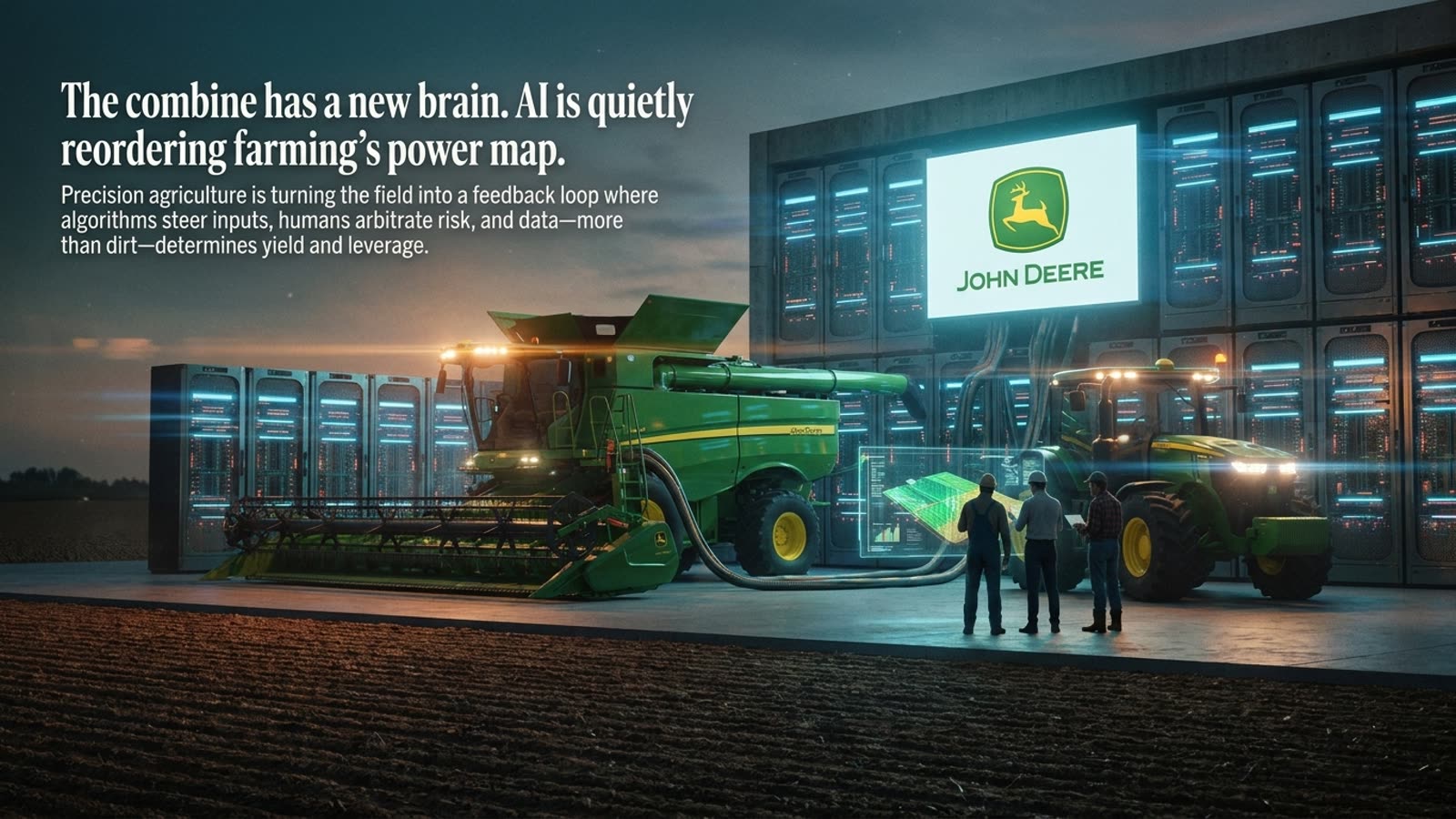
The combine has a new brain. AI is quietly reordering farming’s power map.
Precision agriculture is turning the field into a feedback loop where algorithms steer inputs, humans arbitrate risk, and data—more than dirt—determines yield and leverage.
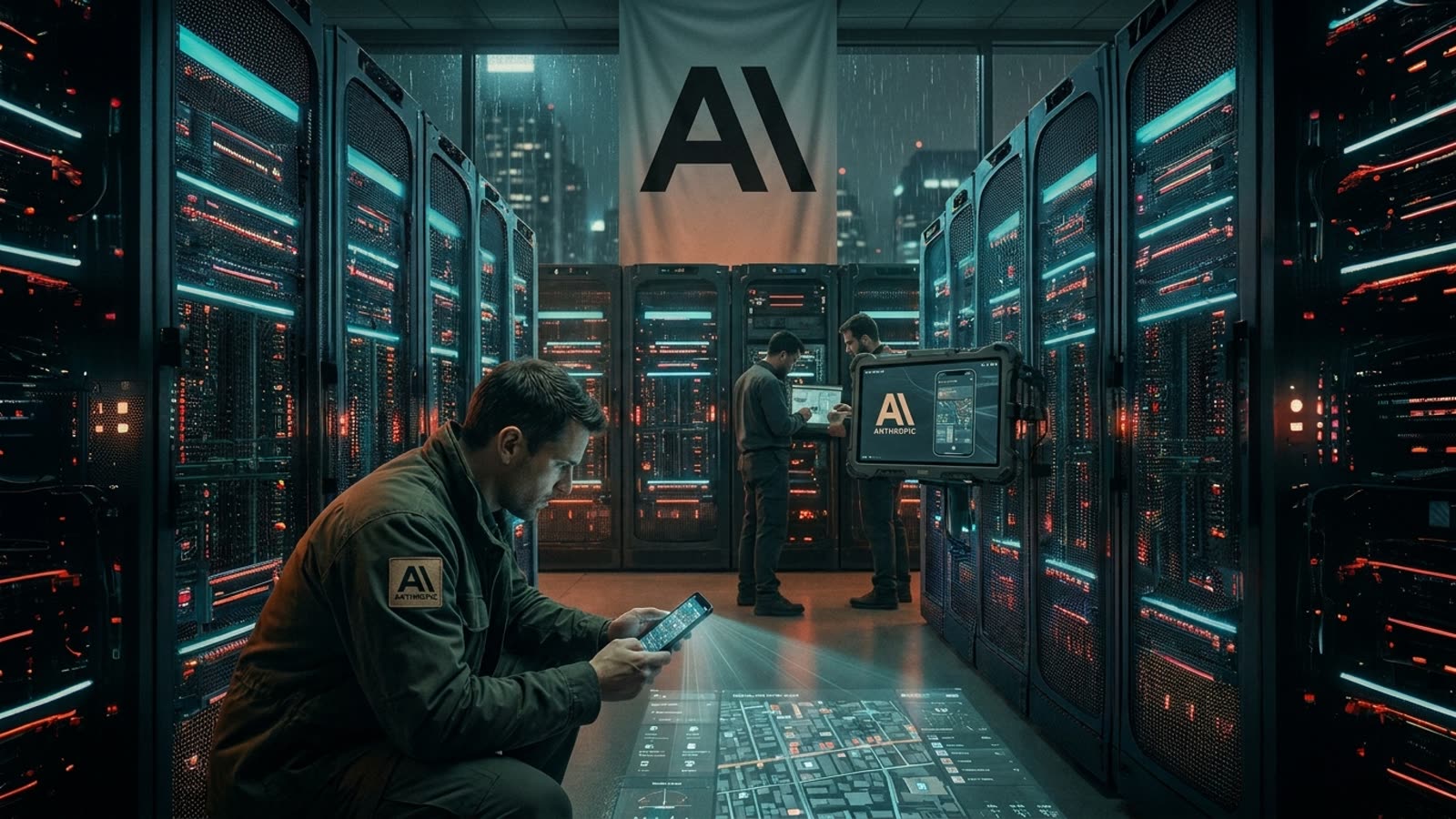
Claude Cowork goes mobile. Anthropic bets the agentic future lives in your pocket.
The expansion signals a strategic pivot toward persistent AI collaboration that follows users across devices, not just browser tabs.

A legal-AI startup just hit unicorn status by promising to replace junior associates. The law schools should be paying attention.
Norm's $120 million raise signals that the legal profession's long-predicted disruption has finally arrived, with real money behind it.