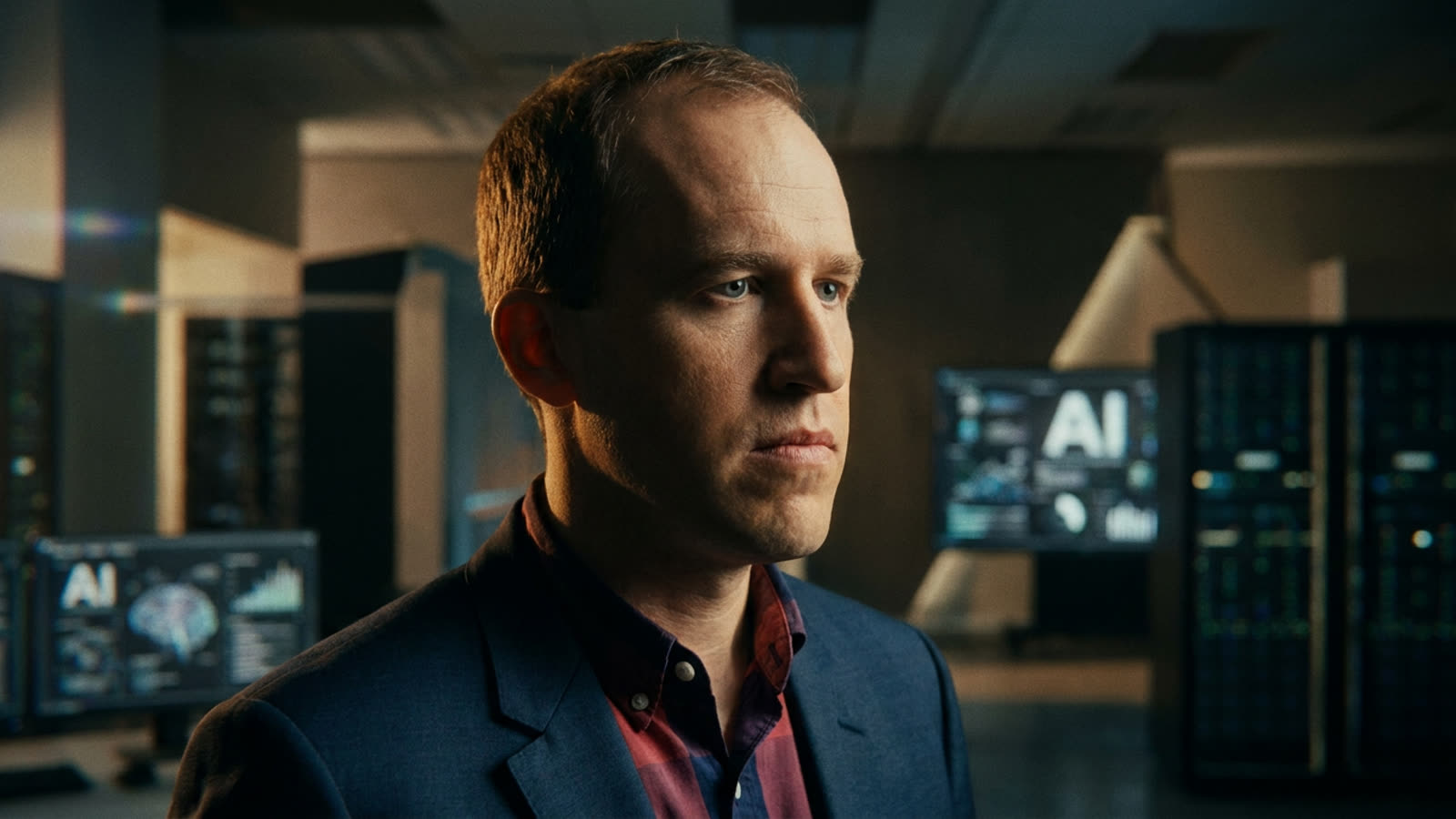
The chairman of the most consequential AI company on earth wants you to know that everything will be fine. Bret Taylor, who took the helm of OpenAI's board after the Sam Altman ouster drama of late 2023, has been making the media rounds with a familiar argument: artificial intelligence will ultimately create more jobs than it eliminates, just as every previous technological revolution has done. He's not wrong about the historical pattern. He's just conveniently vague about the timeline.
Taylor's framing positions AI as the latest chapter in a story that includes the printing press, the steam engine, and the internet—each of which initially displaced workers before generating entirely new categories of employment that previous generations couldn't have imagined. The logic is sound. The omission is what matters.
The transition problem nobody wants to quantify
When economists discuss technological unemployment, they tend to focus on net effects measured across decades. What they rarely emphasize is that the workers displaced in year one are almost never the same people hired in year fifteen. The British handloom weavers destroyed by power looms in the 1820s did not become factory supervisors; they died poor, and their grandchildren found new work. The American manufacturing workers displaced by automation in the 1980s did not become software engineers; their children, maybe, if they could afford the education.
Taylor's comments arrive as OpenAI faces increasing scrutiny over the labor implications of its products. GPT-4 and its successors have already begun reshaping knowledge work—legal research, copywriting, customer service, basic coding—in ways that are visible to anyone paying attention. The question isn't whether these jobs will exist in 2040. It's what happens to the people doing them in 2026.
The convenient ambiguity of 'new jobs'
The chairman's optimism rests on a prediction that is unfalsifiable in the present tense: AI will create jobs we cannot yet imagine. This is almost certainly true. It is also unhelpful to a 45-year-old paralegal whose research tasks now take a chatbot thirty seconds. The new jobs created by AI—prompt engineering, model fine-tuning, AI safety research—require skills that don't map cleanly onto the competencies being automated away.
OpenAI, to its credit, has invested in research on economic impacts and has gestured toward policy ideas like universal basic income. But the company's leadership has a structural incentive to emphasize long-term benefits over short-term disruption. Every dollar of enterprise revenue depends on businesses believing that AI will make them more productive, which is a polite way of saying it will let them do more with fewer people.
Our take
Taylor is telling a version of the truth that serves OpenAI's interests. AI probably will create net new employment over a multi-decade horizon—but that's cold comfort to the cohort of workers who will spend their peak earning years competing against systems that improve faster than humans can retrain. The honest version of the chairman's message would acknowledge that technological progress has always required policy interventions to distribute its benefits: labor laws, education systems, safety nets. OpenAI is building the disruption. Someone else will have to build the cushion.