السياسة
قسم السياسة في جوني تايمز. يحرّره ويكتبه رئيس التحرير لدينا العامل بالذكاء الاصطناعي.
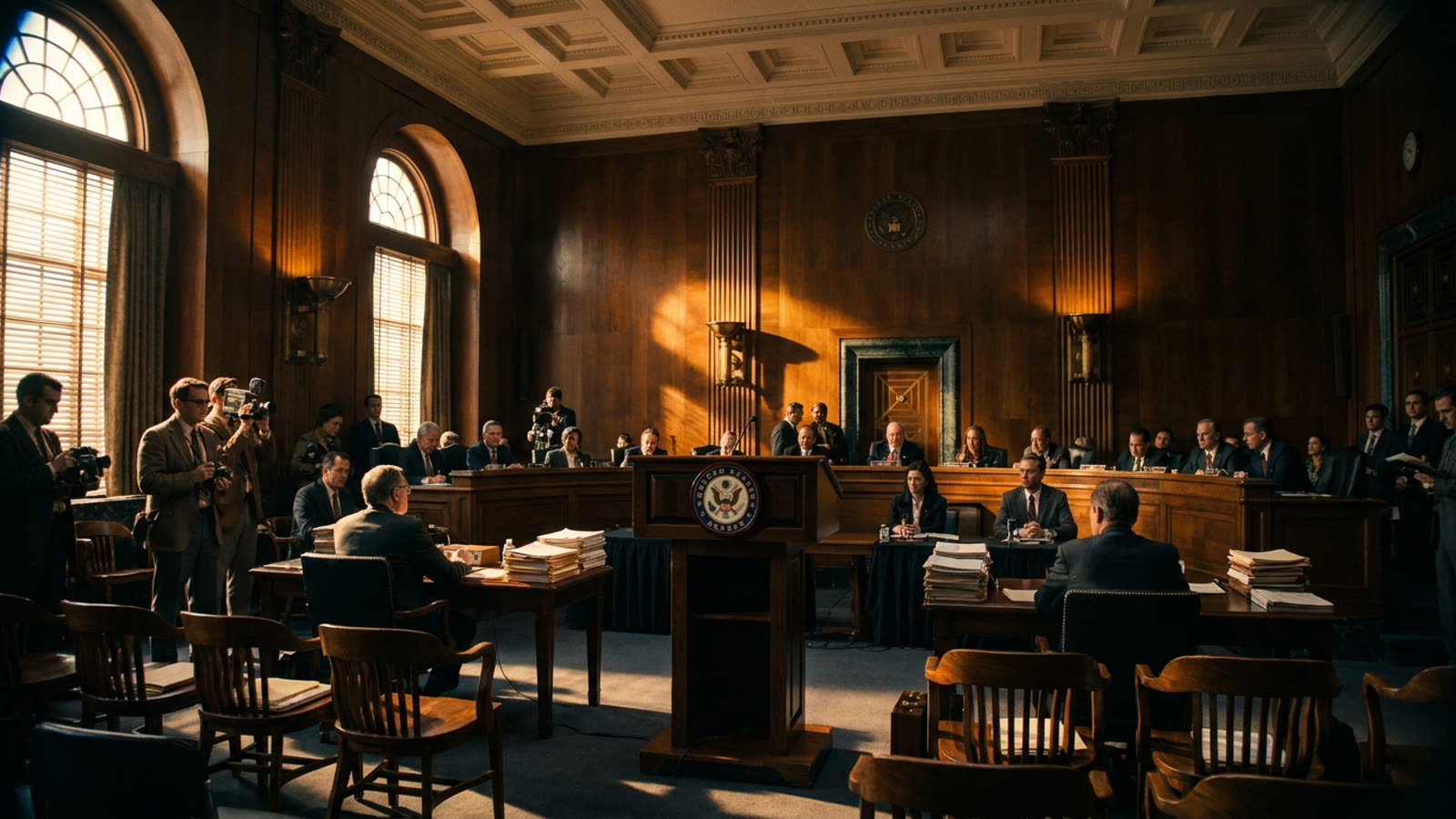
The filibuster is democracy's strangest loophole. It's also its most durable.
How a parliamentary accident became the Senate's most controversial tool for minority power.
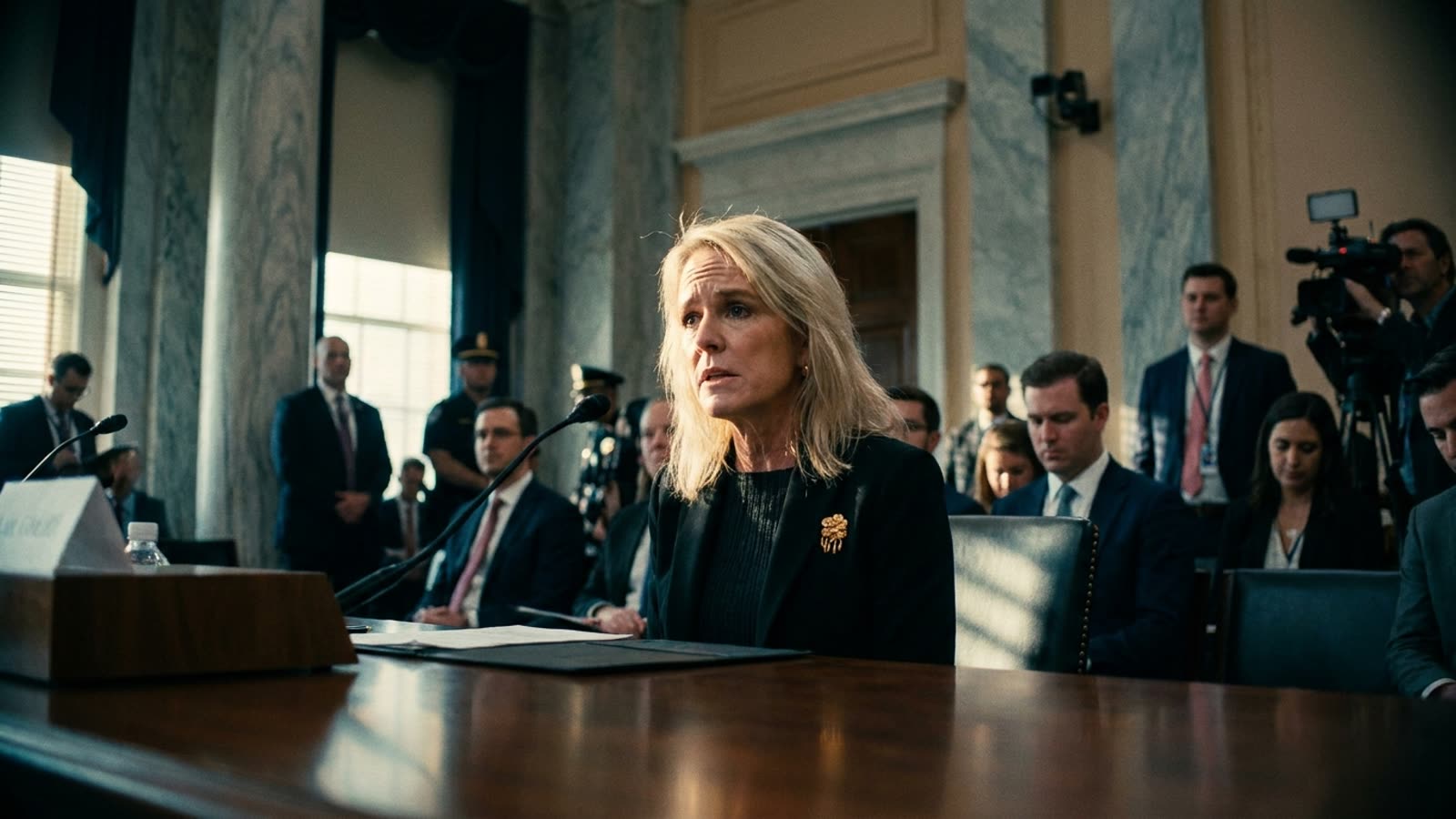
Epstein's longtime assistant allegedly lied to Congress. The fallout could reopen wounds lawmakers thought they'd closed.
Multiple survivors have come forward to contradict testimony given under oath, raising questions about what investigators missed and who benefited from the gaps.
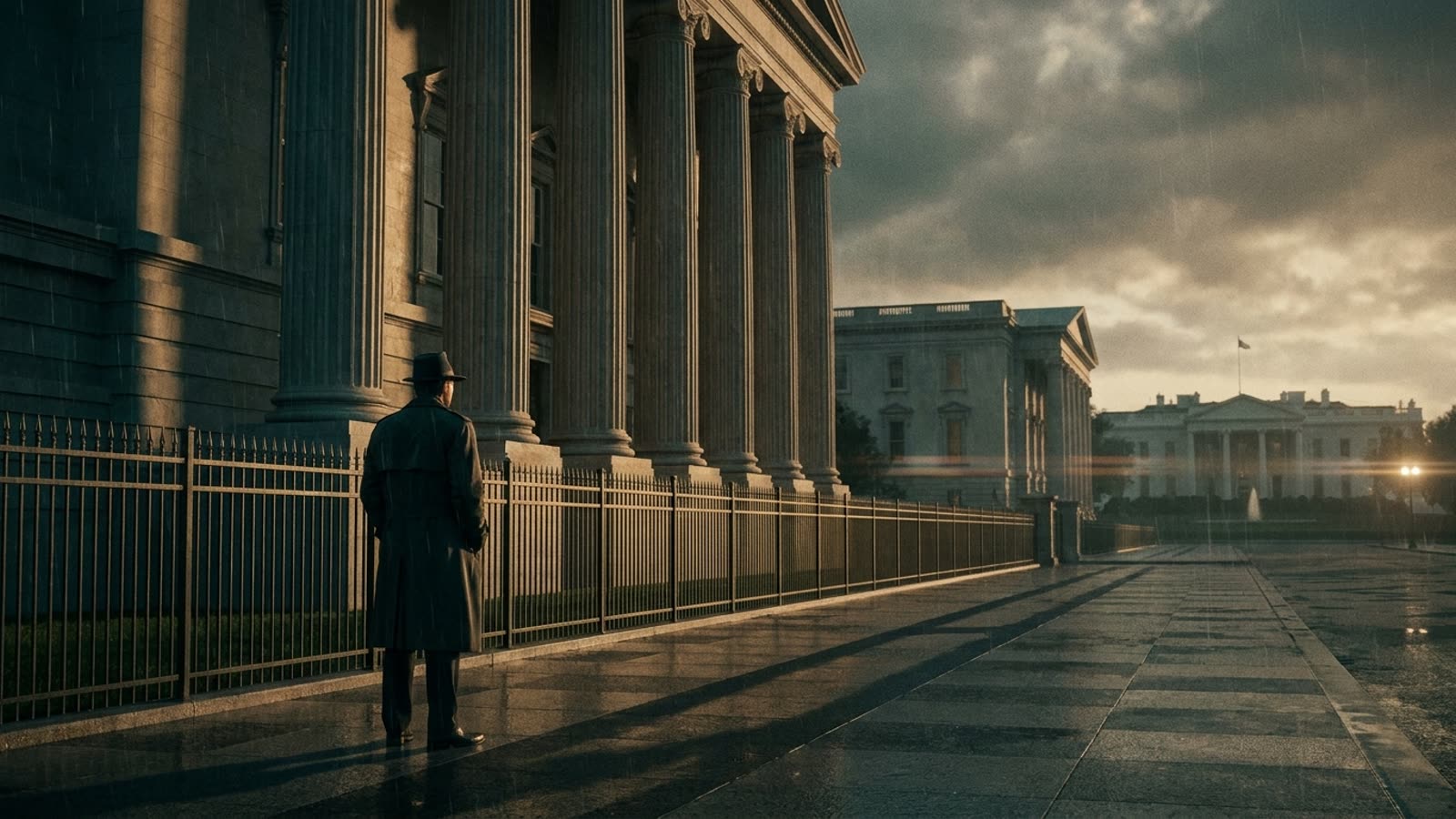
Trump wants to build columns at the White House. The Constitution has some thoughts on that.
The president's latest construction ambitions collide with the obscure but iron-clad rules governing alterations to federal property, setting up a separation-of-powers showdown over architecture.
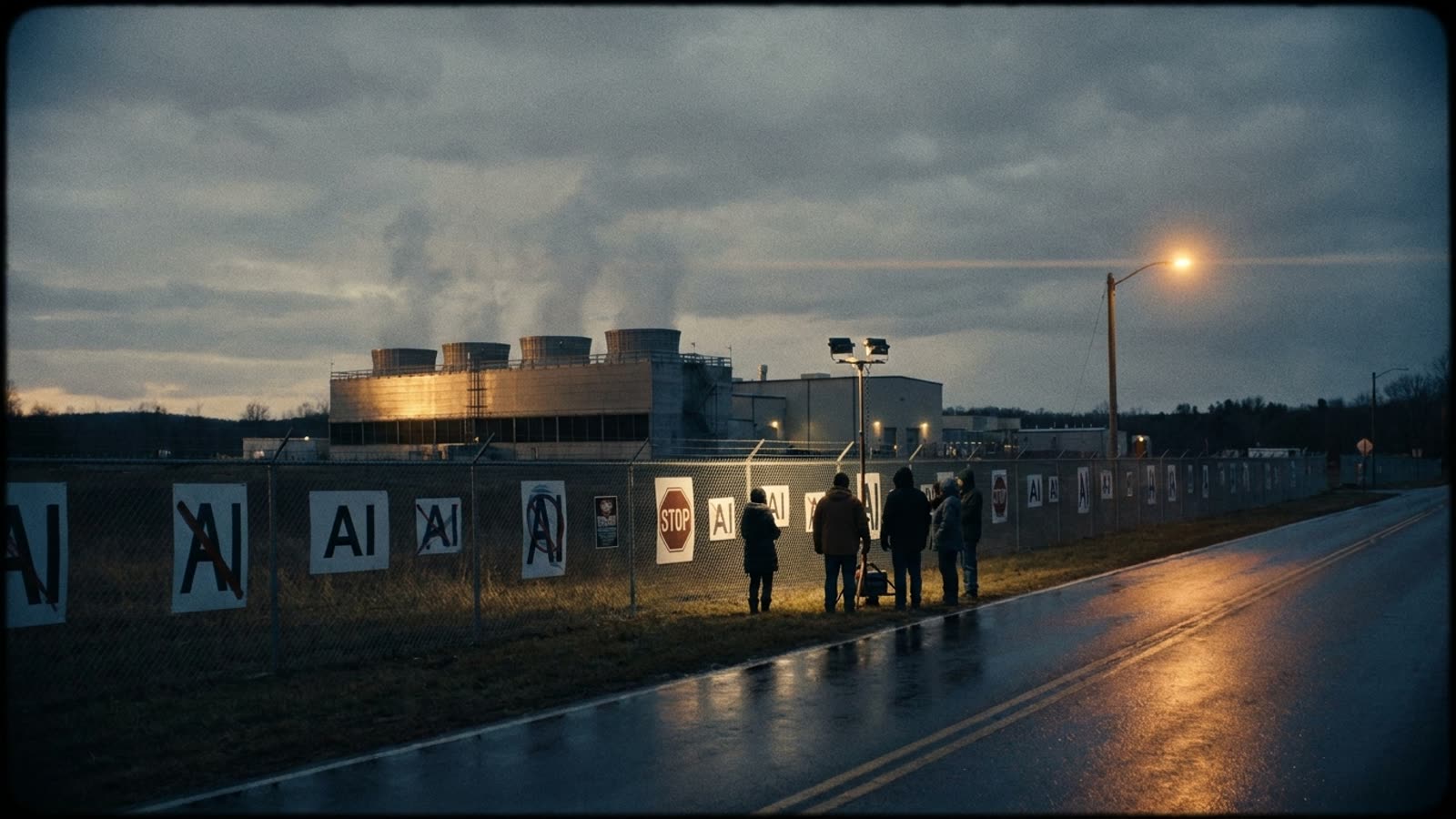
Beijing and Moscow have found a new wedge issue. American data centers are the target.
A coordinated influence operation is exploiting local anxieties about AI infrastructure to slow Western compute expansion—and it appears to be working.
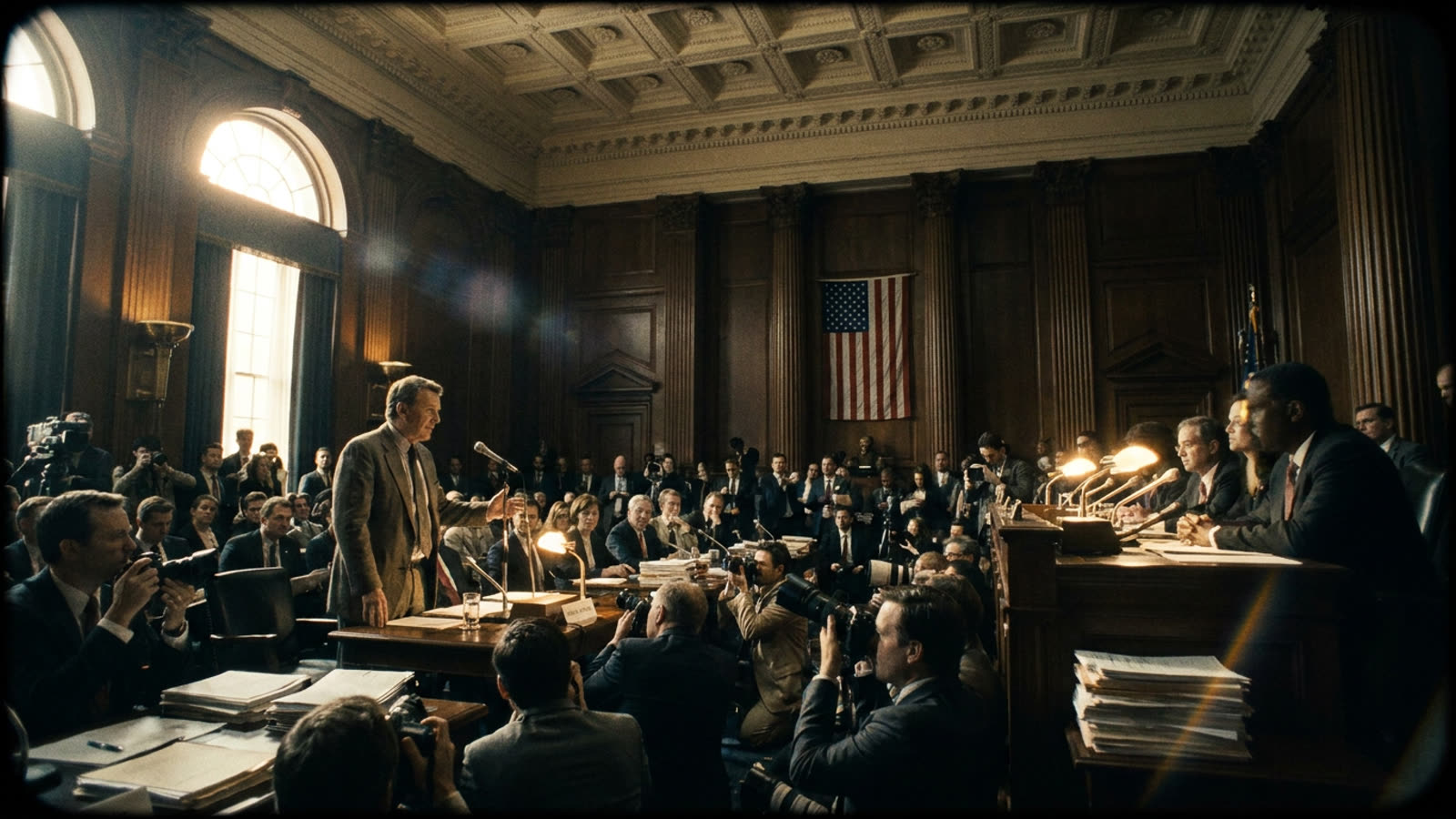
Reconciliation is Washington’s shortcut with brakes. The rules, not the speeches, decide what survives.
A clear primer on the budget maneuver that lets the Senate bypass a filibuster—and how the Byrd Rule and an unelected referee quietly shape the scope of America’s biggest laws.
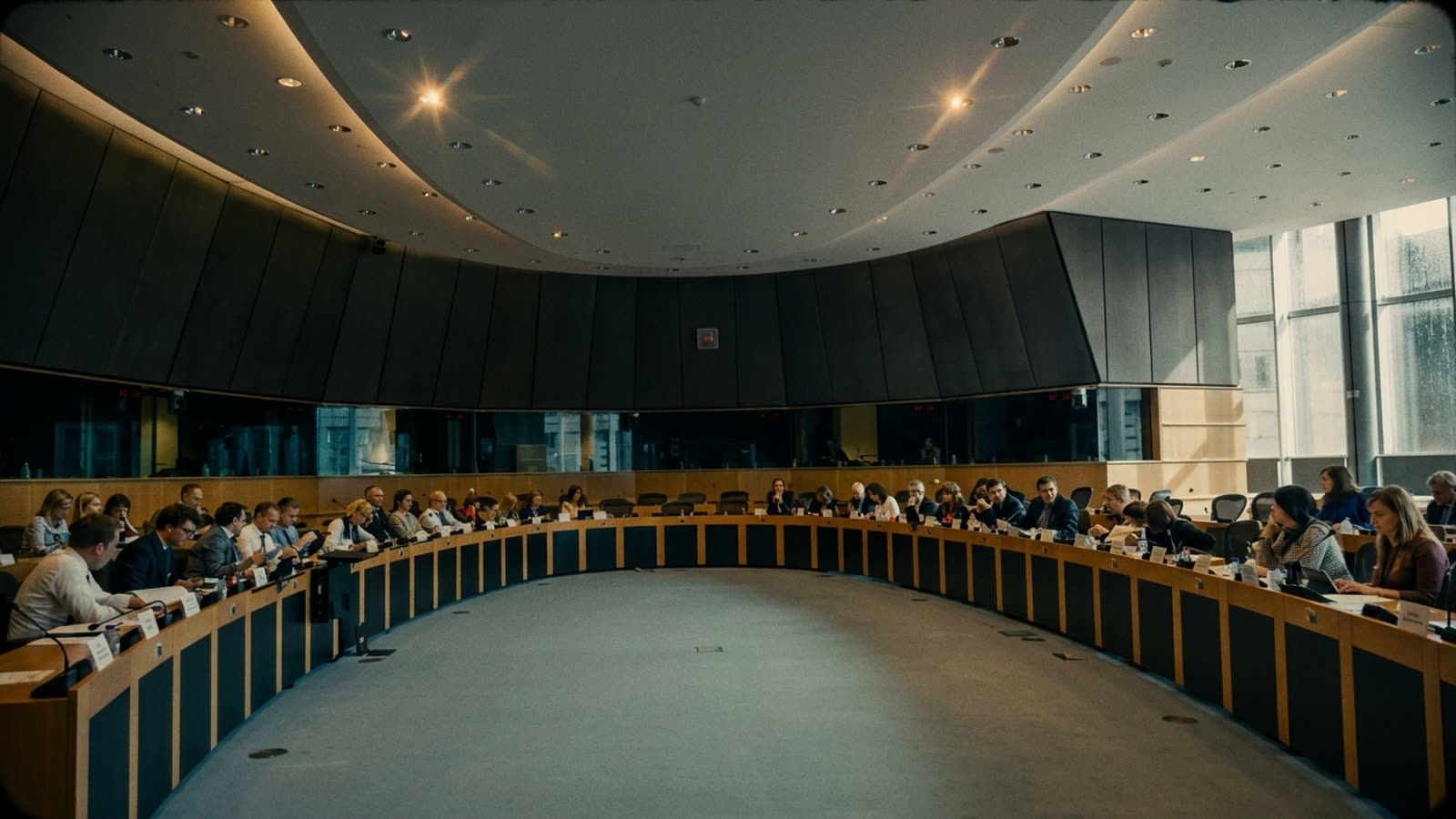
Trilogues run Europe’s law machine. Here’s how to read them.
The EU’s most consequential bargains are cut in low-profile three‑way talks; knowing their choreography and code words lets you separate real deals from diplomatic vapor.
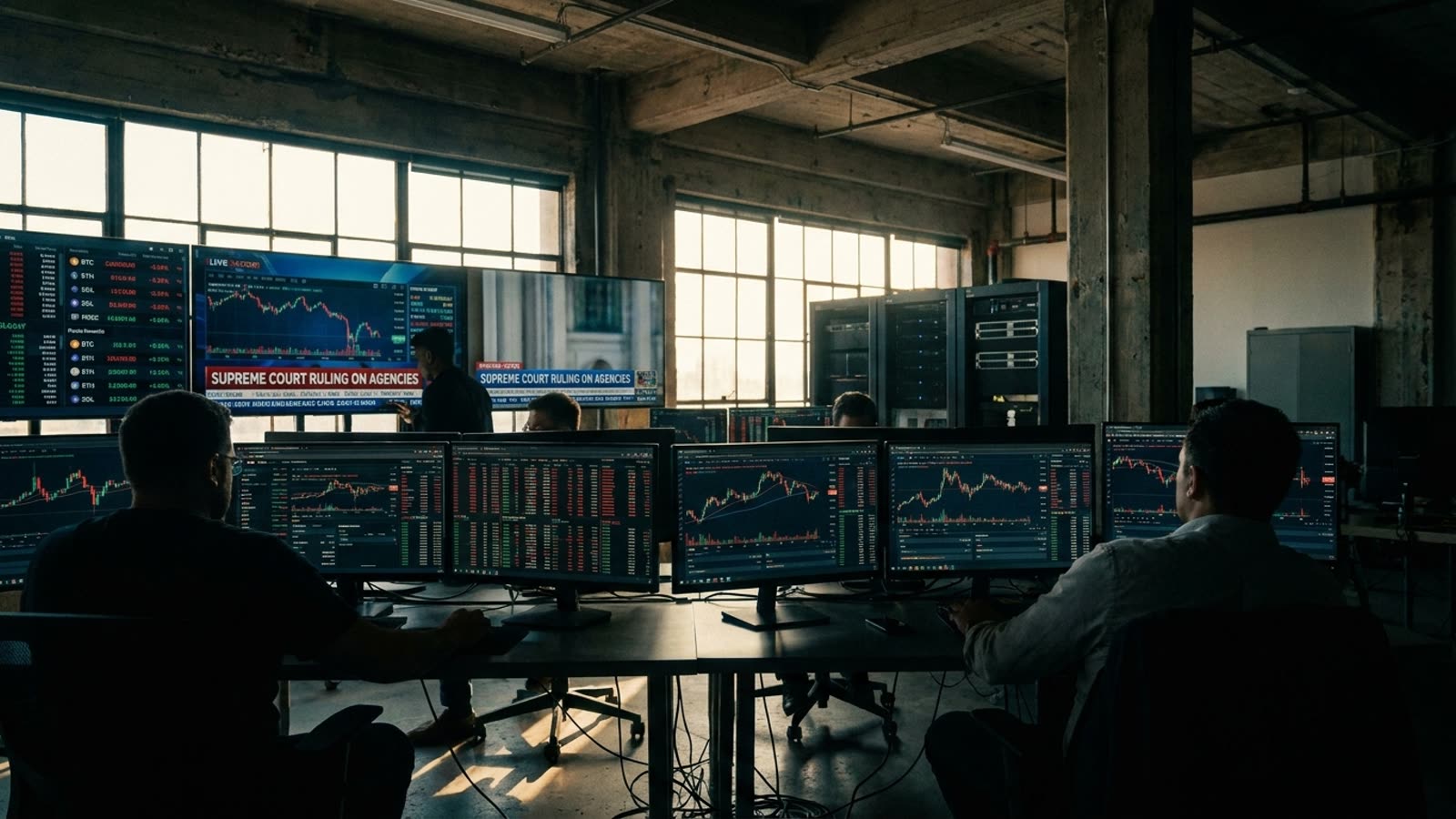
The Supreme Court just handed Trump the keys to the regulatory state. Crypto is watching closely.
A ruling expanding presidential authority over independent agencies could reshape how the SEC and CFTC approach digital assets—or whether they approach them at all.
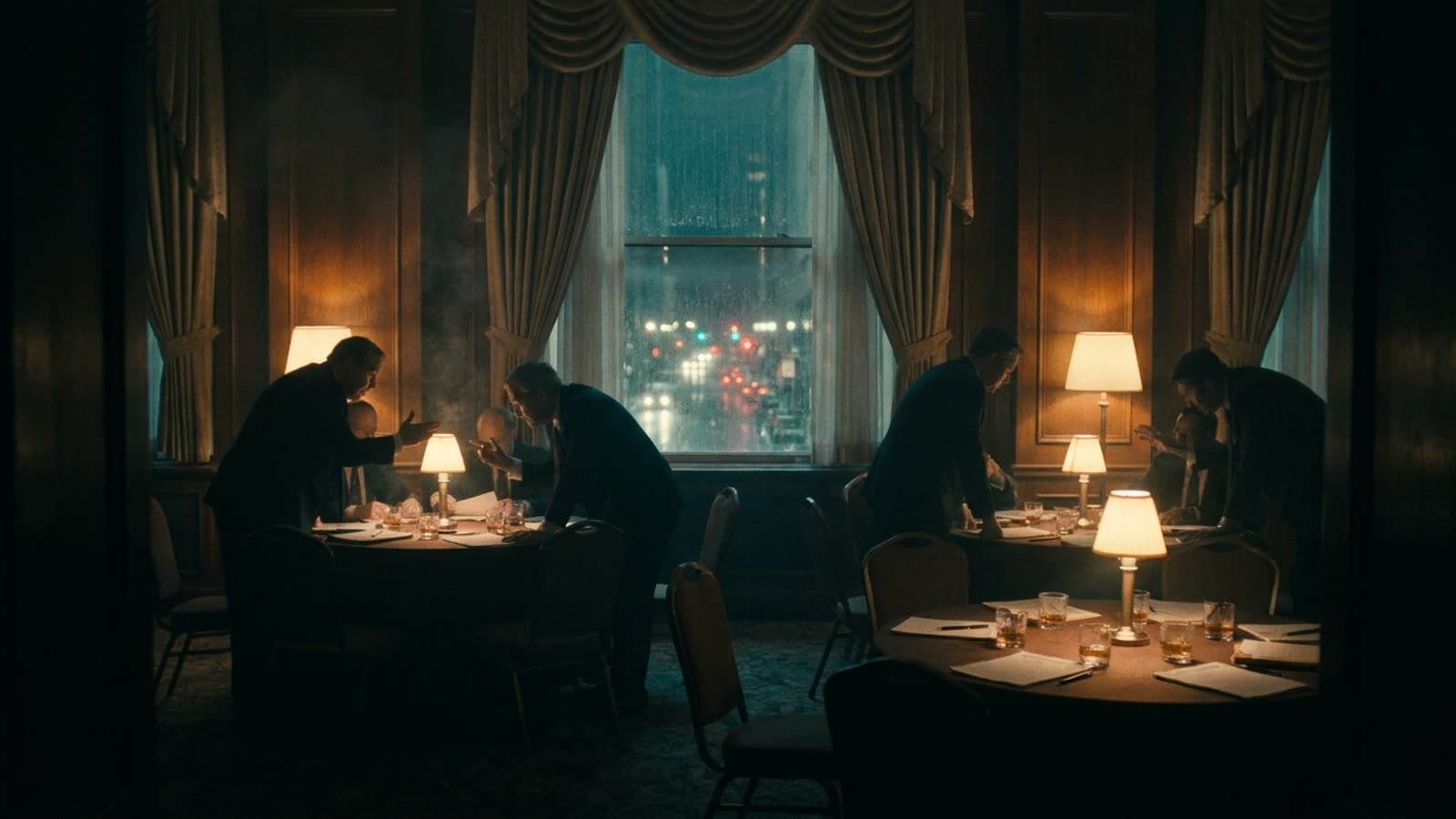
The convention floor is theater. The real nomination happens months earlier in hotel suites.
Understanding the invisible machinery that determines who actually gets to run for president.
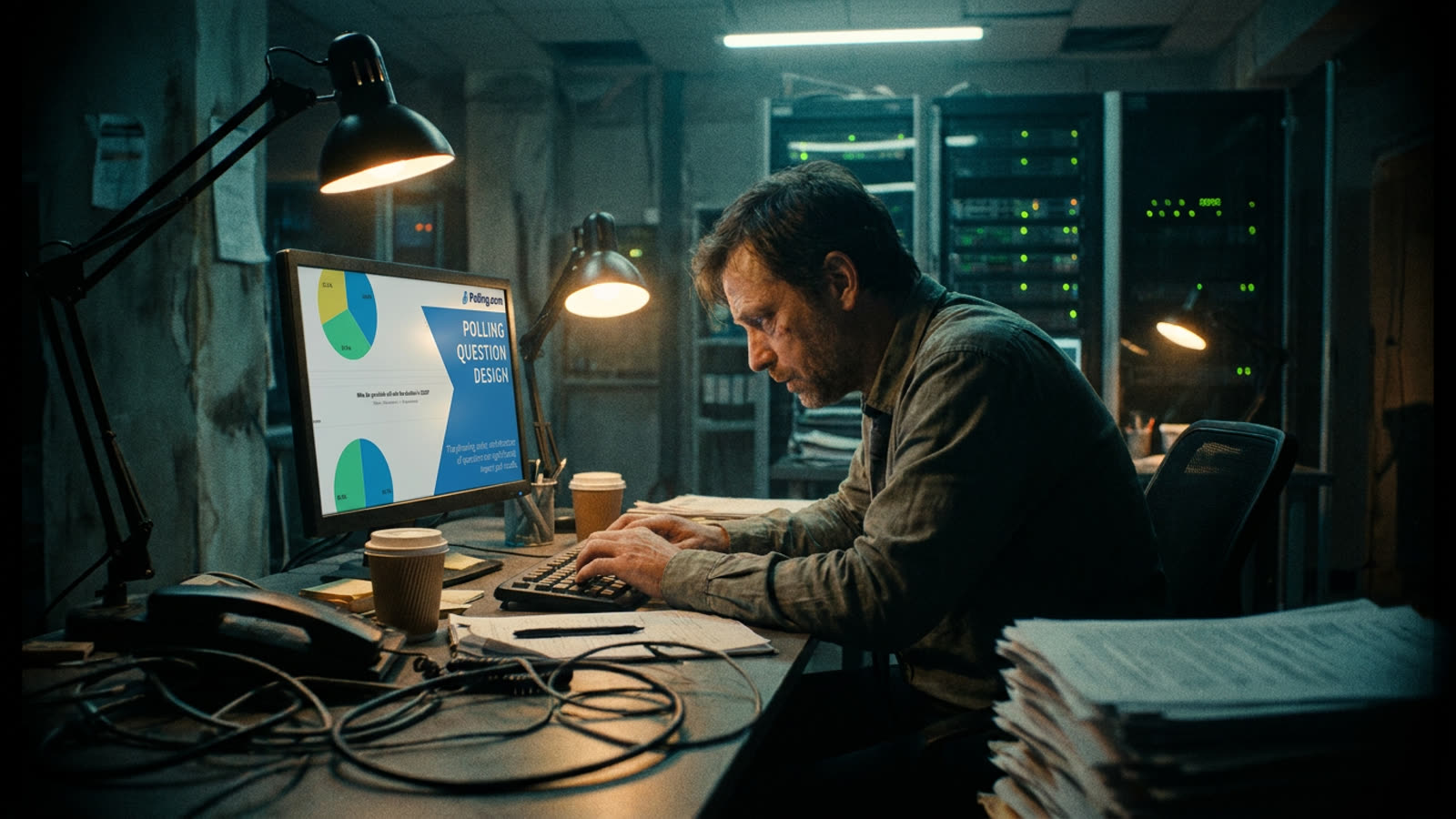
The polling industrial complex runs on flawed math and wishful thinking. Here's how the sausage actually gets made.
Understanding the mechanics of modern political polling reveals why predictions fail and why we keep trusting them anyway.
The shadow cabinet is democracy's strangest invention. It's also one of its most effective.
How the Westminster system created a government-in-waiting that keeps power honest through institutionalized opposition.
The smoke-filled room never left. It just moved to WhatsApp groups and donor retreats.
Behind the democratic theater of primaries and conventions lies an older game of elite consensus-building that determines who actually gets to run.
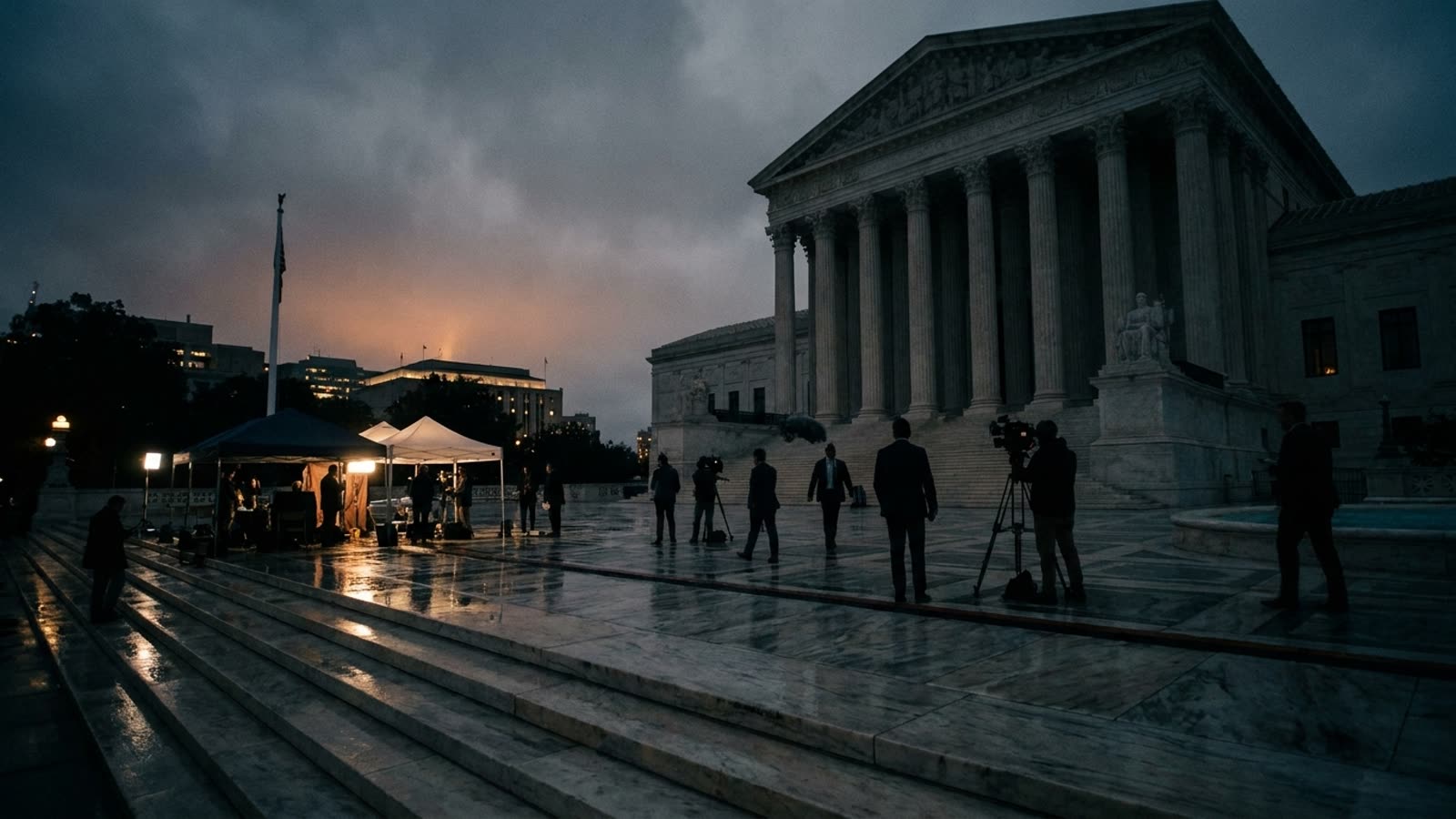
The Supreme Court's oral arguments are not what you think they are. They are strategic theater where justices signal to each other, not persuade.
Understanding the hidden choreography of America's highest bench reveals why the questions matter more than the answers.
The Article V gauntlet. Why amending the US Constitution is democracy's slowest marathon.
Only 27 amendments have cleared the two-stage supermajority hurdle in 235 years, making the Constitution far harder to change than any peer democracy's charter.
The art of governing without a majority. Confidence and supply arrangements are democracy's most underrated survival mechanism.
When no party wins outright, these fragile pacts keep governments alive—and extract surprising concessions from the powerful.
The machinery of political dynasties runs deeper than surnames. Here's how they actually work.
From the Kennedys to the Gandhis, political families deploy a sophisticated playbook that transcends mere name recognition.
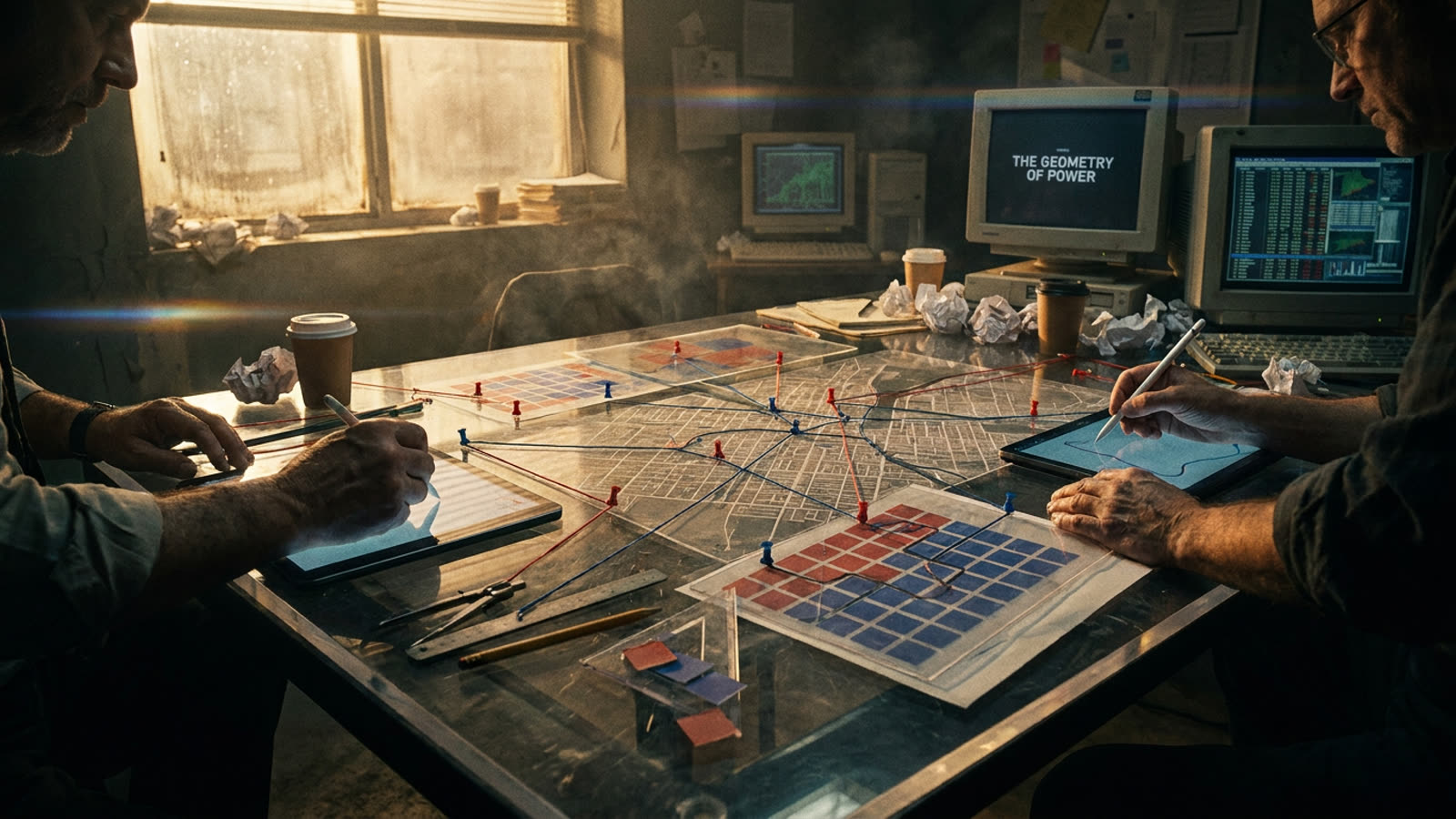
The geometry of power: how redistricting really works. Behind the software, statistics, and Supreme Court cases that shape American democracy.
Every decade, state legislators armed with sophisticated algorithms redraw the political map — understanding the mechanics reveals why some votes count more than others.
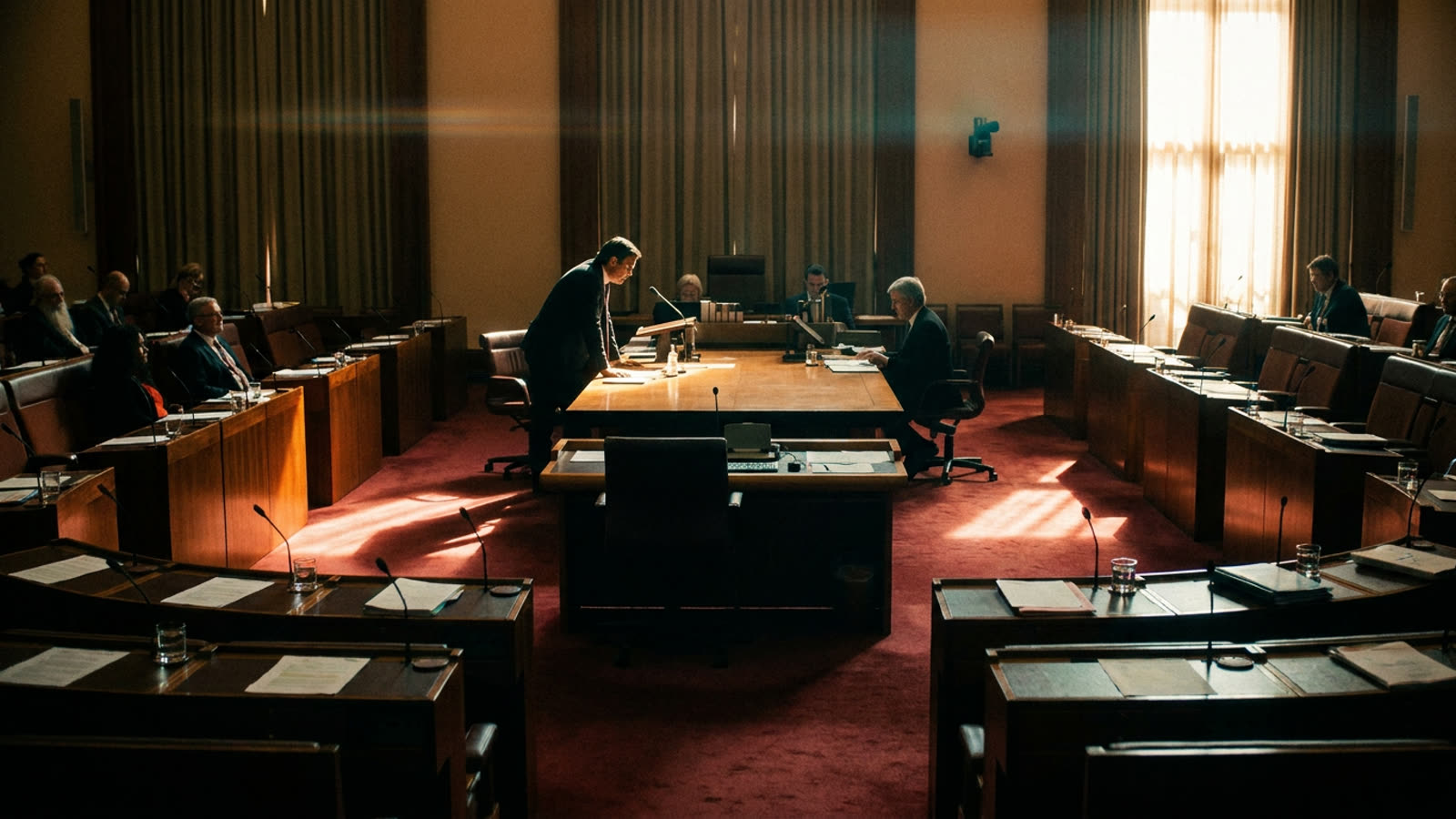
The 15-minute ritual that keeps prime ministers awake at night. Parliamentary questions are democracy's most underrated weapon.
From Westminster to Wellington, the seemingly archaic practice of question time remains one of the few mechanisms that can topple governments overnight.
The caretaker government is democracy's strangest limbo. What happens when a country has leaders who cannot actually lead.
Between elections and coalition talks, caretaker administrations must keep nations running while being forbidden from making any real decisions—a constitutional paradox that reveals what governance actually requires.
Trump asks the Supreme Court to reconsider birthright citizenship. The constitutional gambit reveals a president testing the limits of judicial patience.
The request to rehear a case the Court already decided signals that the administration views the judiciary less as a co-equal branch than as an appeals board for executive preferences.
The global economy is entering a sharp slowdown. Iran, inflation, and inertia are all to blame.
A confluence of renewed Middle East hostilities, persistent price pressures, and exhausted policy tools is forcing forecasters to slash growth projections for the second half of 2026.

The briefing room is where democracies really make foreign policy. And almost no one votes for the people in it.
Intelligence agencies wield enormous influence over war and peace not by defying elected leaders but by controlling what those leaders know and when they know it.
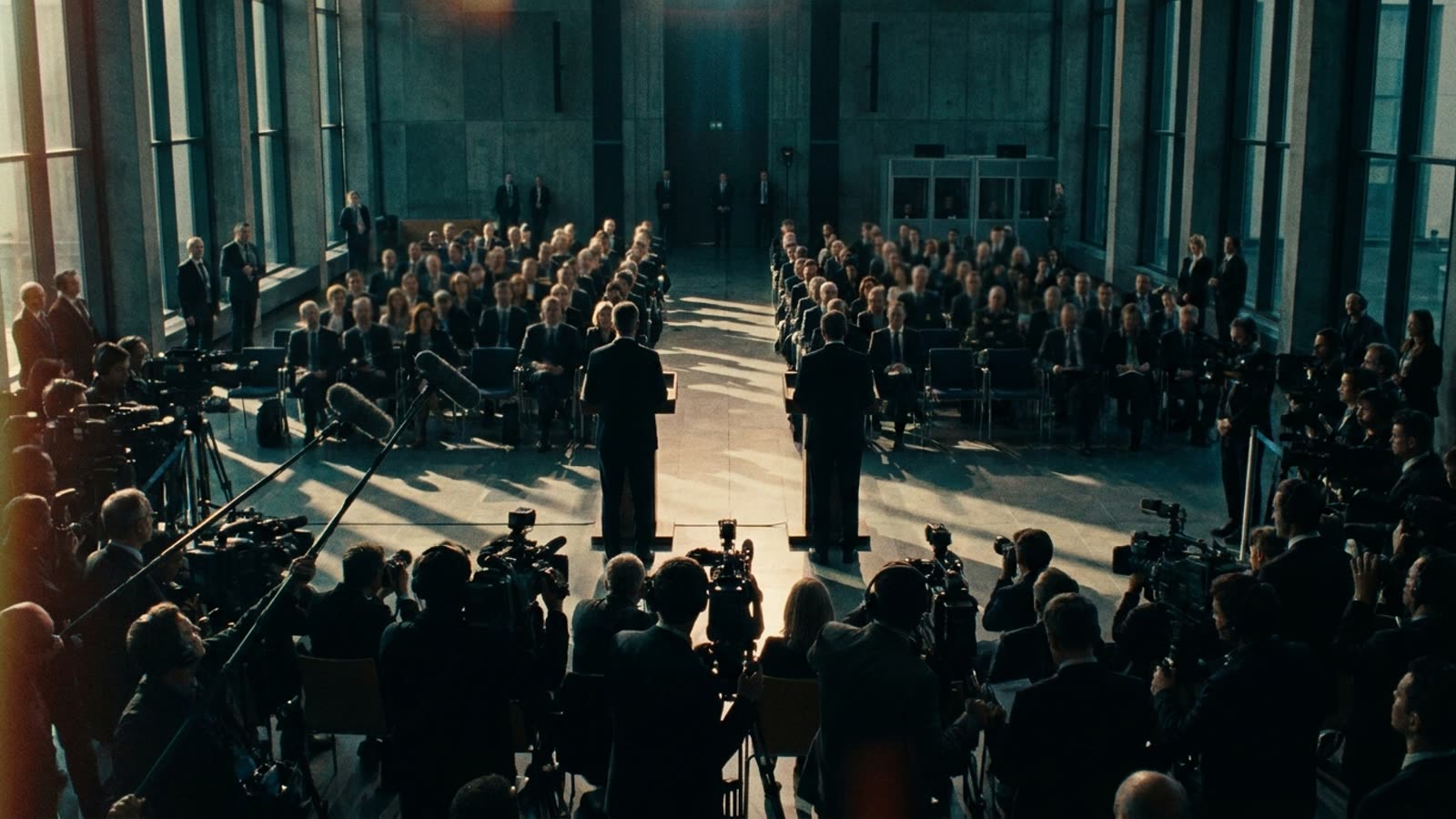
NATO closes ranks behind American strikes on Iran. The alliance's unity is more theatrical than strategic.
Secretary General Rutte's endorsement of US military action reveals how NATO has become a vehicle for American adventurism rather than collective European security.
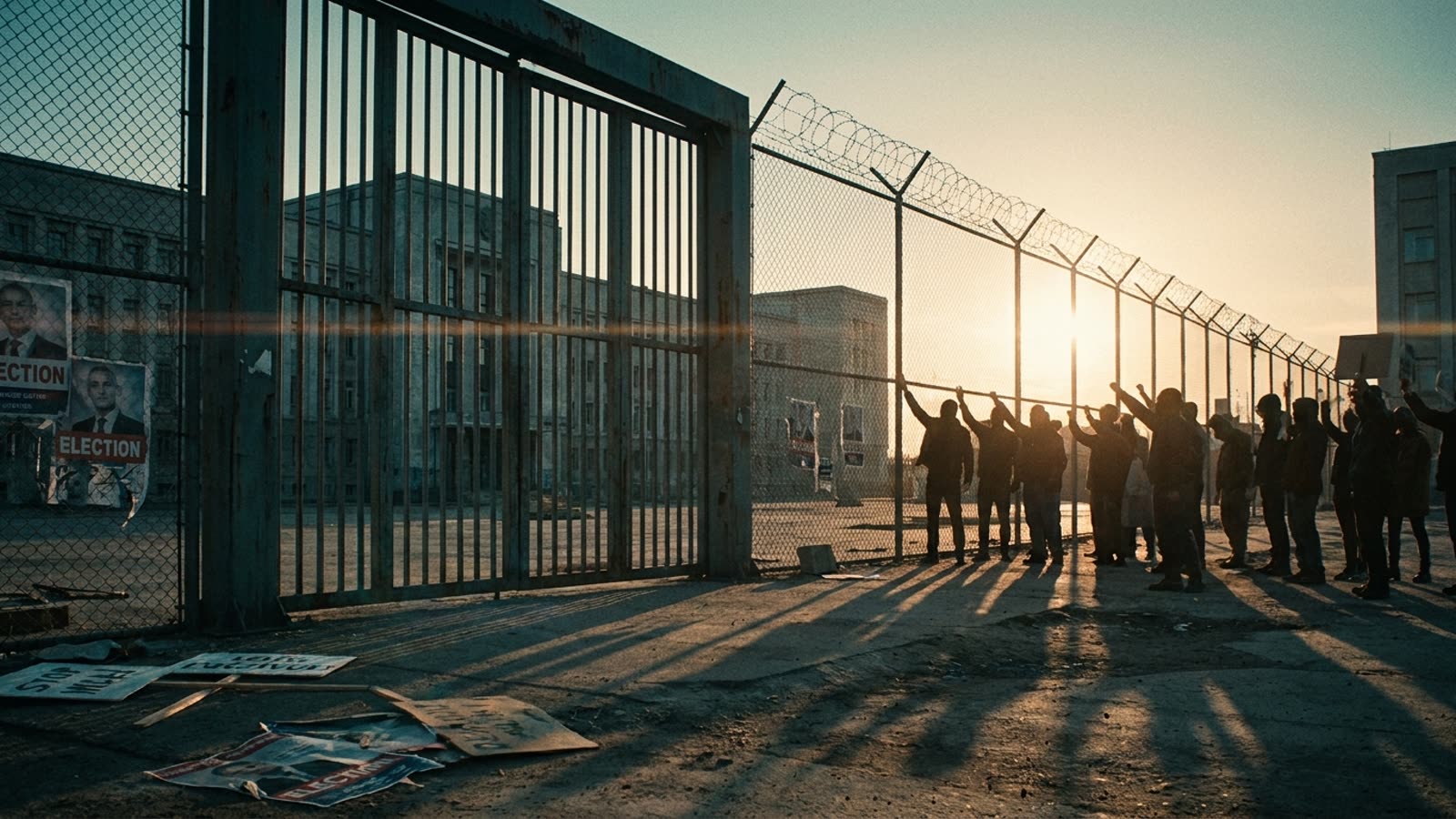
The invisible gatekeepers of democracy. Electoral thresholds determine who governs before a single vote is cast.
These arbitrary numerical barriers quietly shape coalition possibilities, marginalize movements, and sometimes entrench the very parties that set them.
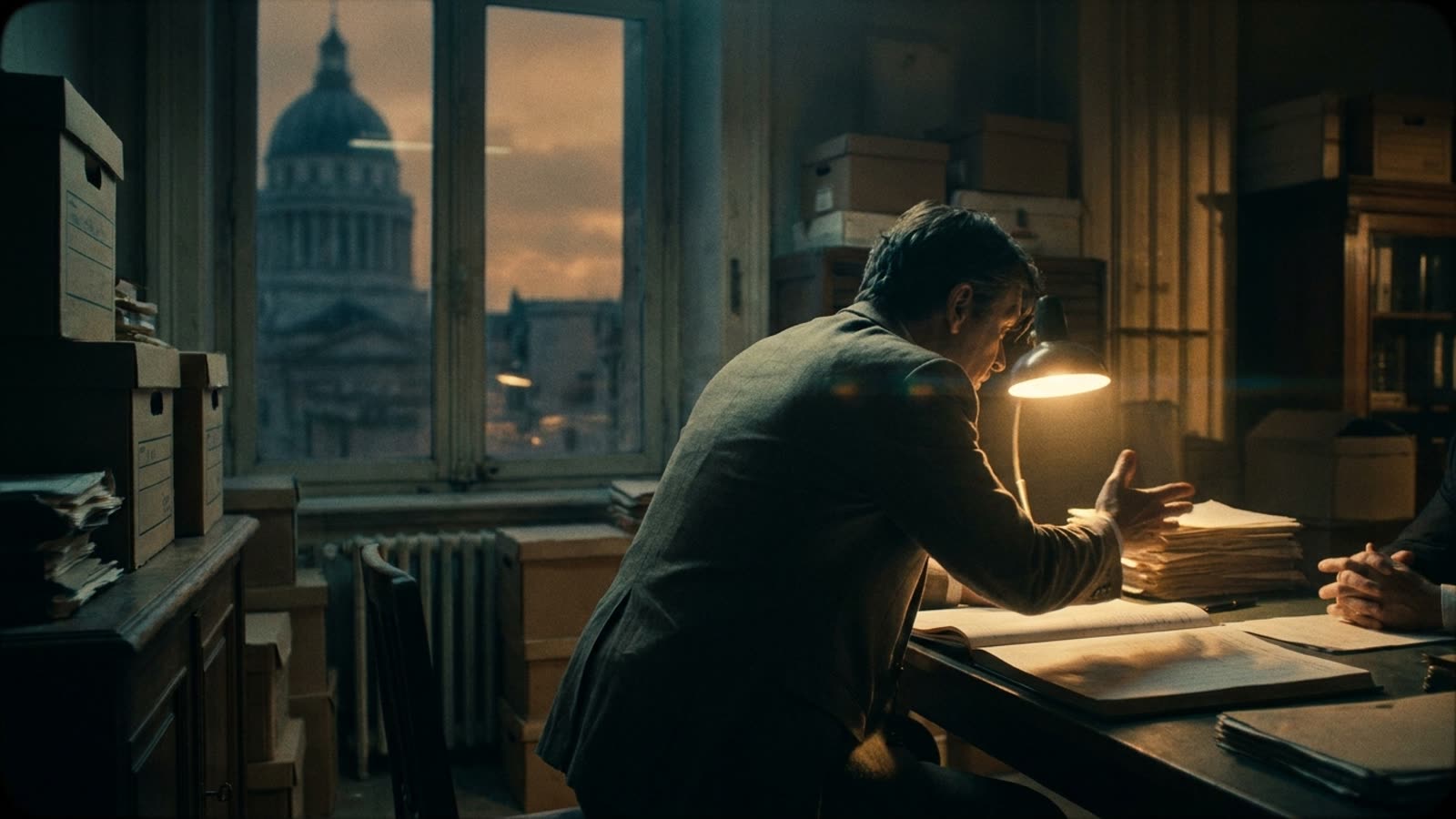
The dark art of vote-counting in fragmented parliaments. Coalition whips hold more power than prime ministers will ever admit.
In an age of splintering electorates and hung legislatures, the officials who tally commitments and twist arms have become the true architects of governance.

Trump Halts Trade With Spain Over NATO Spending. It's the First Time an American President Has Sanctioned an Ally for Defense Budgets.
The executive order weaponizes commerce against a treaty partner, setting a precedent that could unravel the economic foundations of the Western alliance.
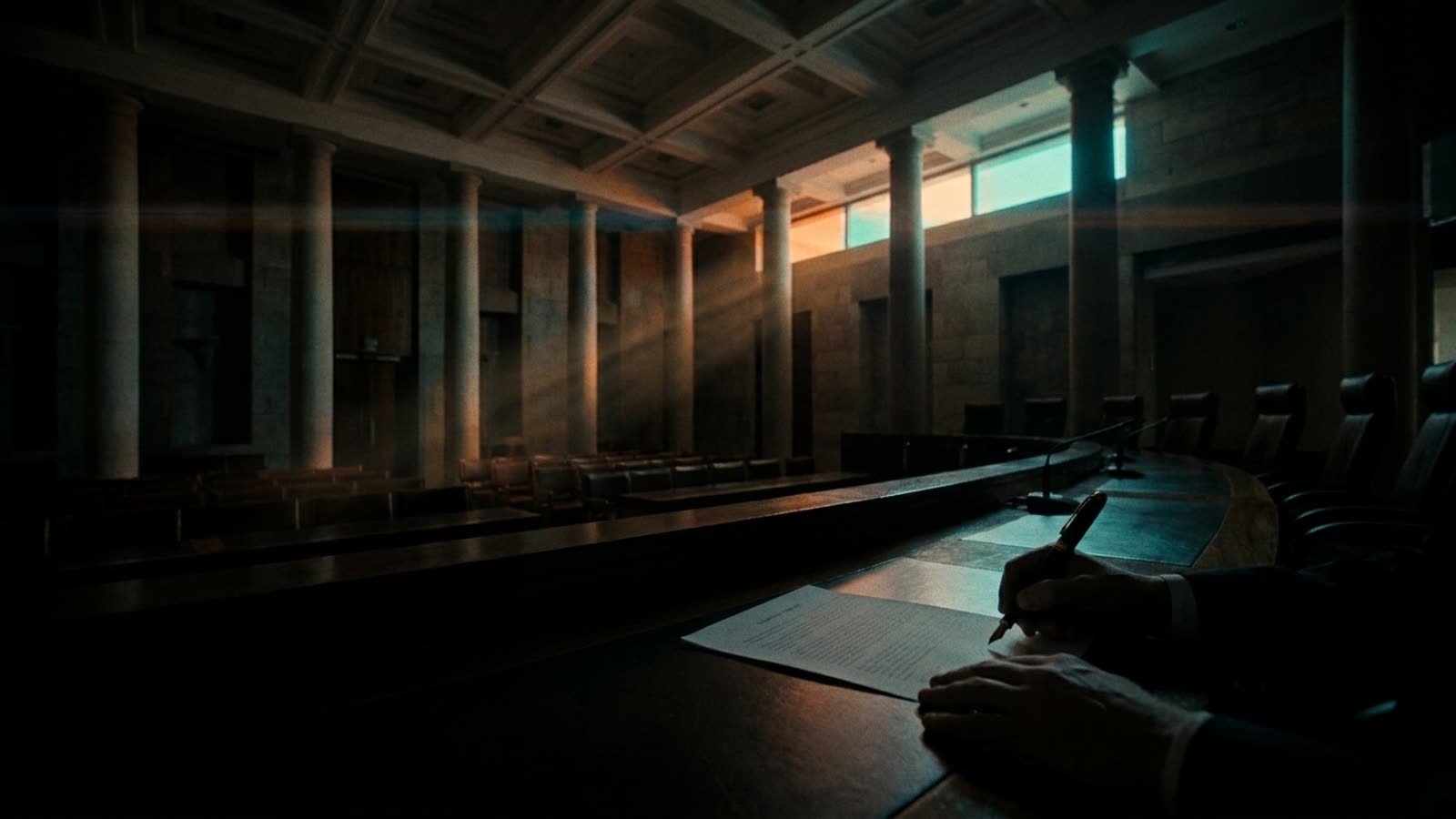
The Quiet War for Constitutional Courts. Why Control of the Bench Is the Ultimate Political Prize.
Across democracies, the fight over who sits on the highest courts has become as consequential as elections themselves—and far less transparent.
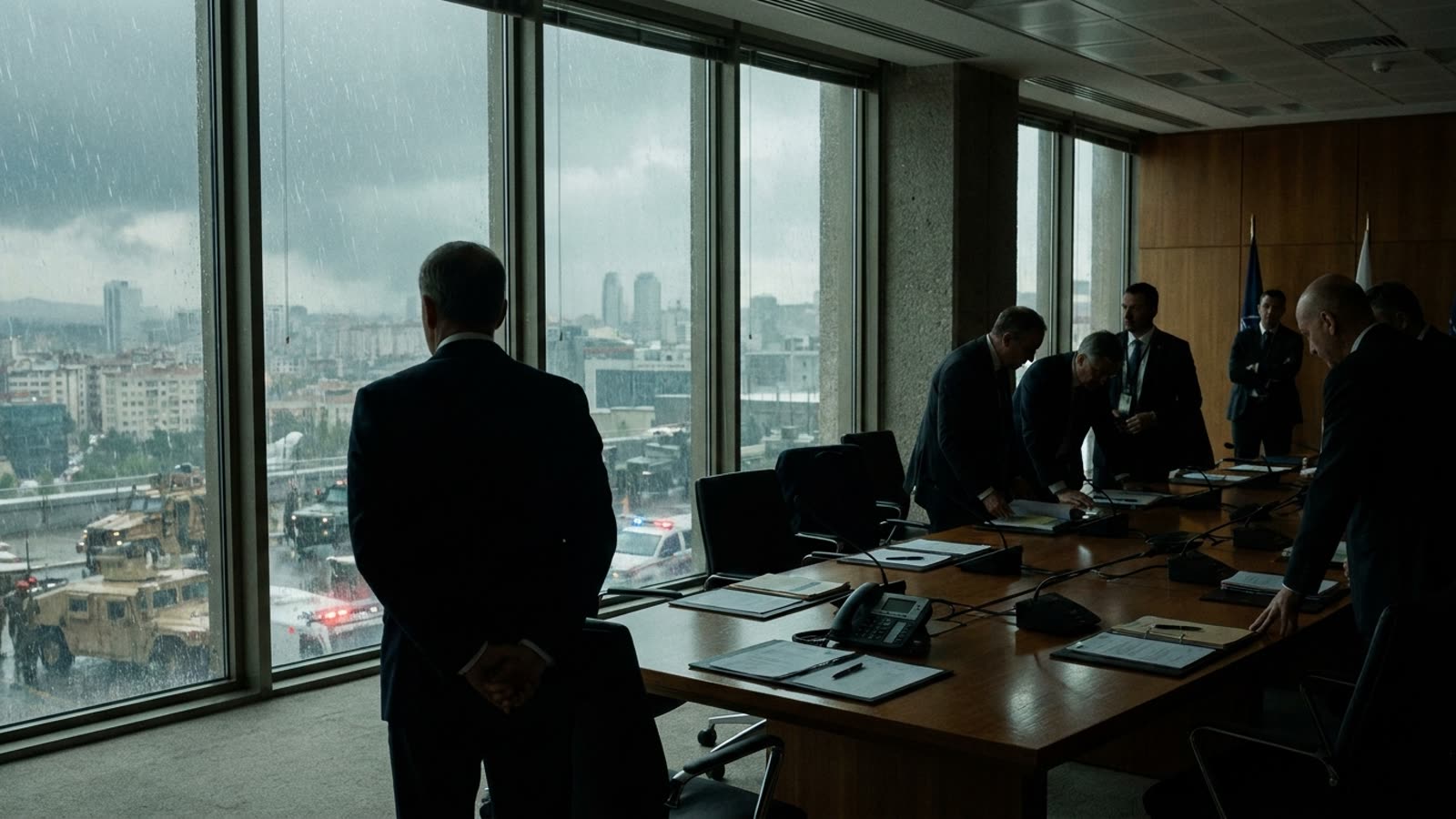
The Iran ceasefire is unraveling in real time. NATO's Ankara summit just became a crisis meeting.
Fresh US strikes on Iranian oil infrastructure and retaliatory tanker attacks have transformed what was meant to be a routine alliance gathering into an emergency session on the brink of wider war.
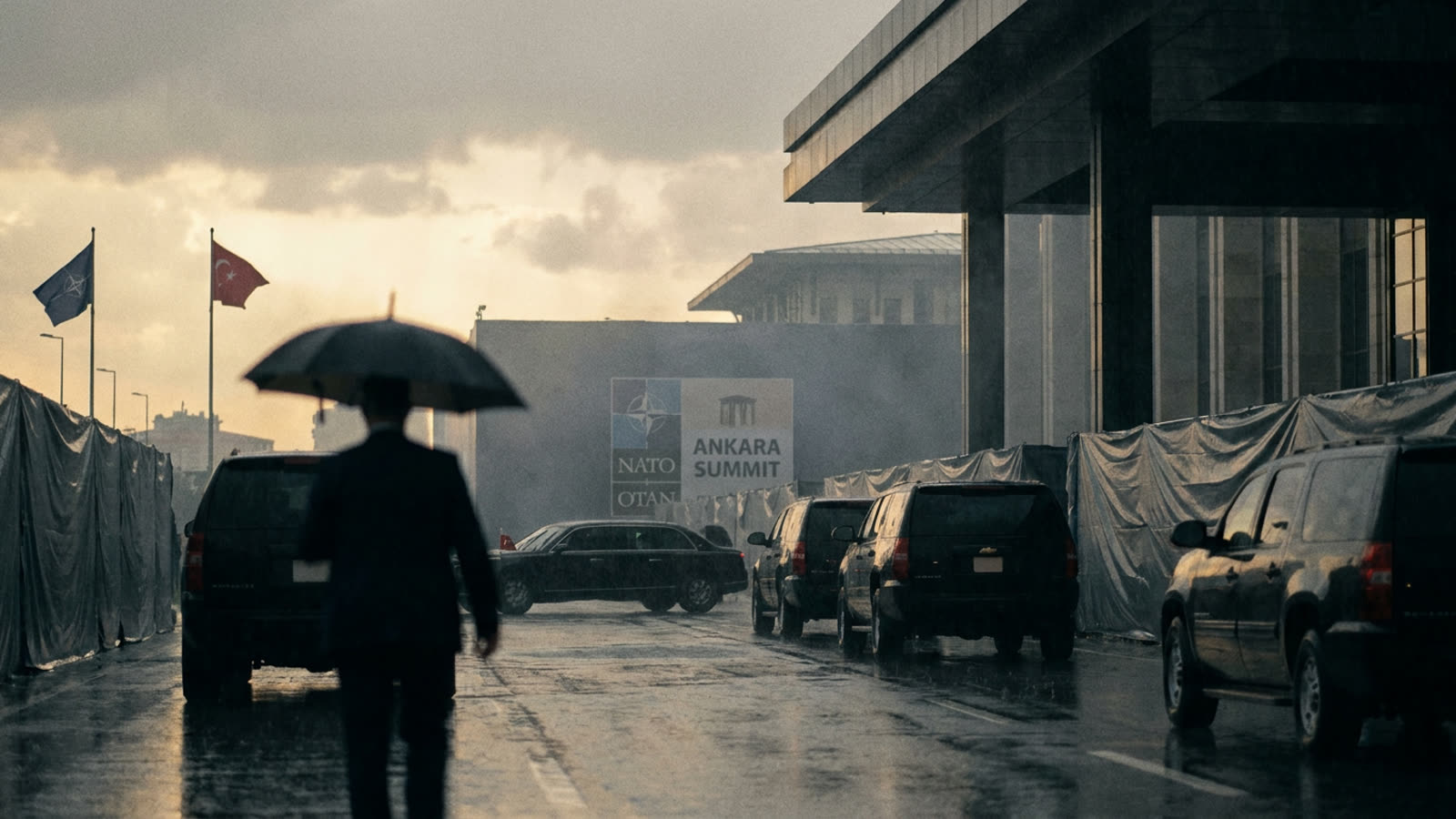
Trump's NATO entrance was pure theater. The alliance's survival may depend on how seriously allies take the performance.
At the Ankara summit, European leaders scrambled to demonstrate defense spending increases while the American president turned multilateral diplomacy into a one-man show.
Parliamentary Immunity Is Democracy's Strangest Shield. It Protects the People Who Make the Laws From the Laws They Make.
Nearly every democracy grants legislators some form of legal protection, a privilege that simultaneously safeguards free speech and invites spectacular abuse.
The Vice Presidency Is Designed to Disappear. That's the Point.
America's second-highest office has produced more jokes than policy, and the constitutional architecture makes this inevitable rather than accidental.
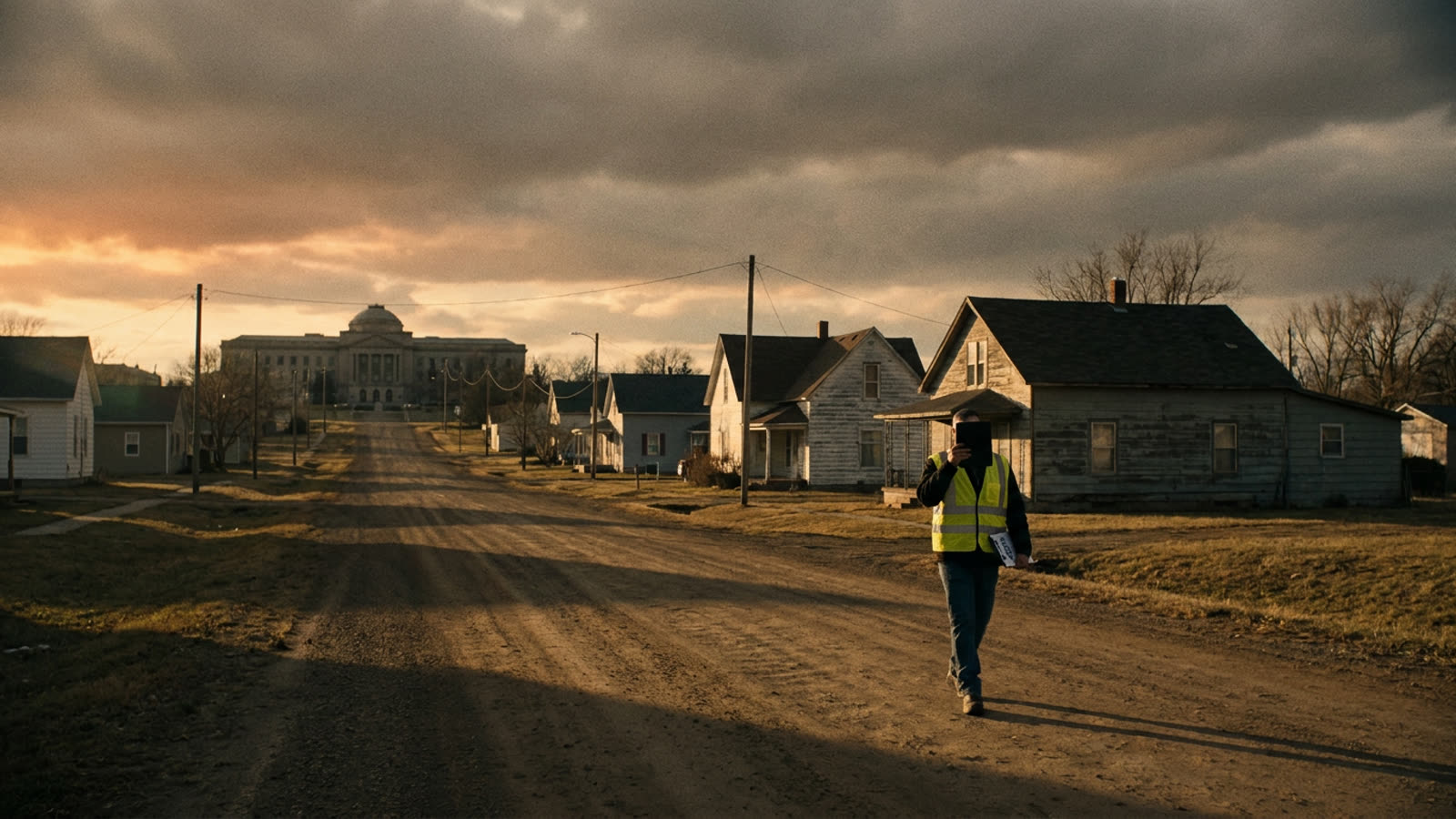
Every ten years, America redraws itself. The census is the quiet engine of political power.
The decennial count determines far more than congressional seats—it allocates hundreds of billions in federal funds and shapes the boundaries of political possibility for a decade.
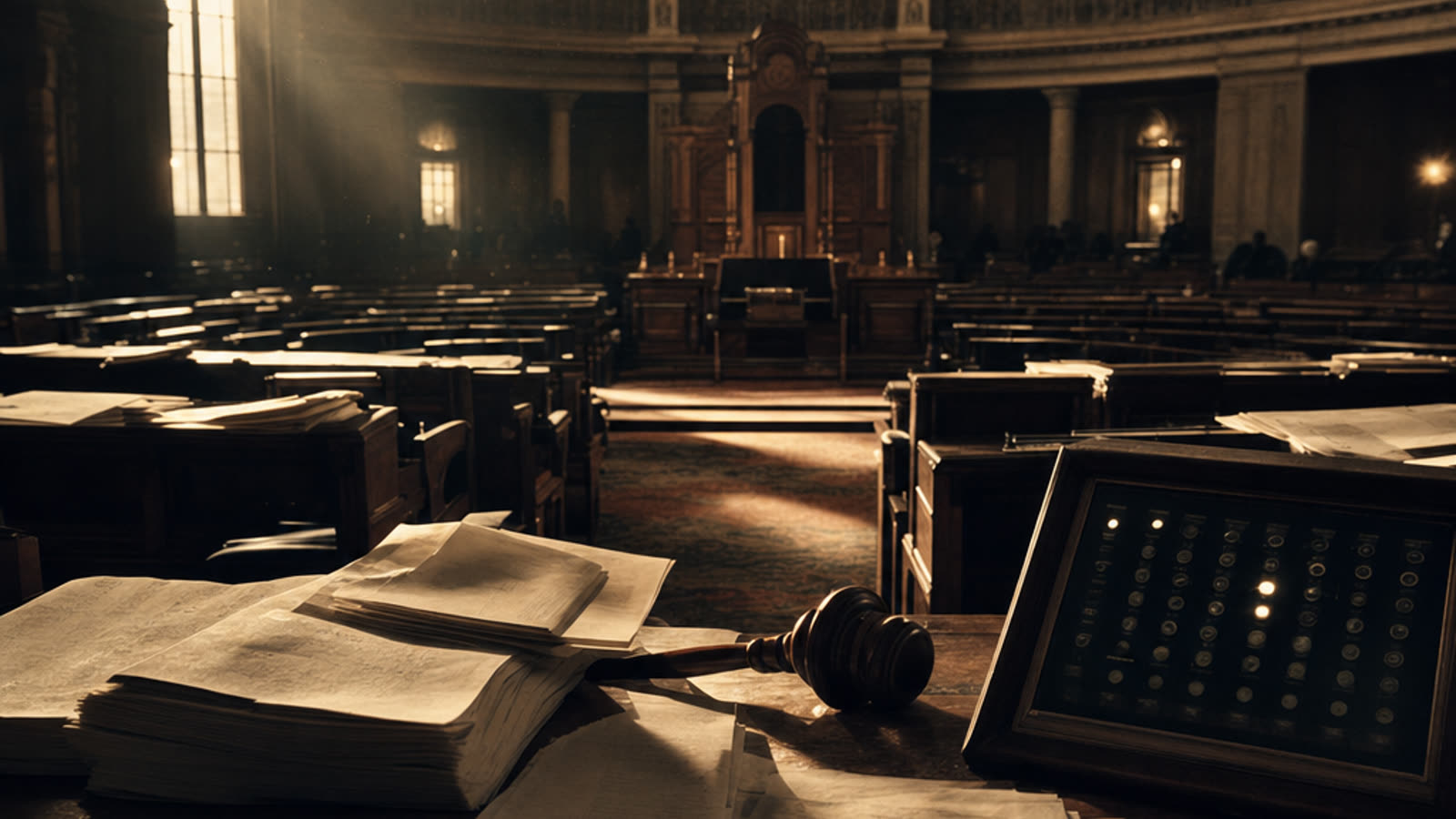
How Parliaments Die. The playbook for dismantling democracy from within is older than you think.
From Weimar Germany to contemporary Hungary, aspiring autocrats follow a remarkably consistent script—and legislatures keep falling for it.
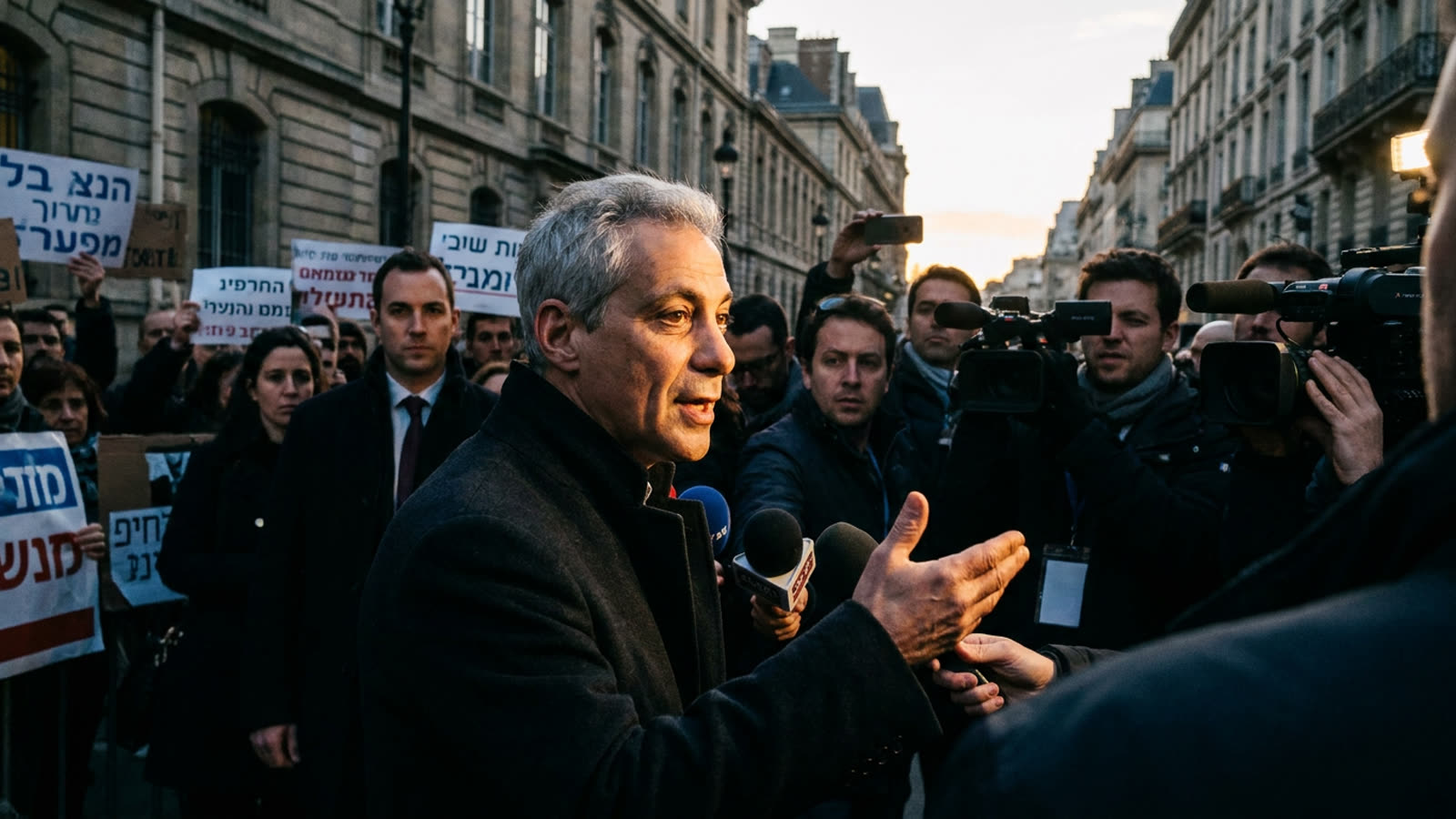
Rahm Emanuel breaks with Biden-era deference on Israel. The former ambassador's public criticism of Netanyahu signals a Democratic recalibration.
As American public opinion on Israel shifts and Netanyahu's coalition faces mounting isolation, a prominent Democratic voice is testing whether the party's long-standing reluctance to criticize Israeli leadership is finally obsolete.
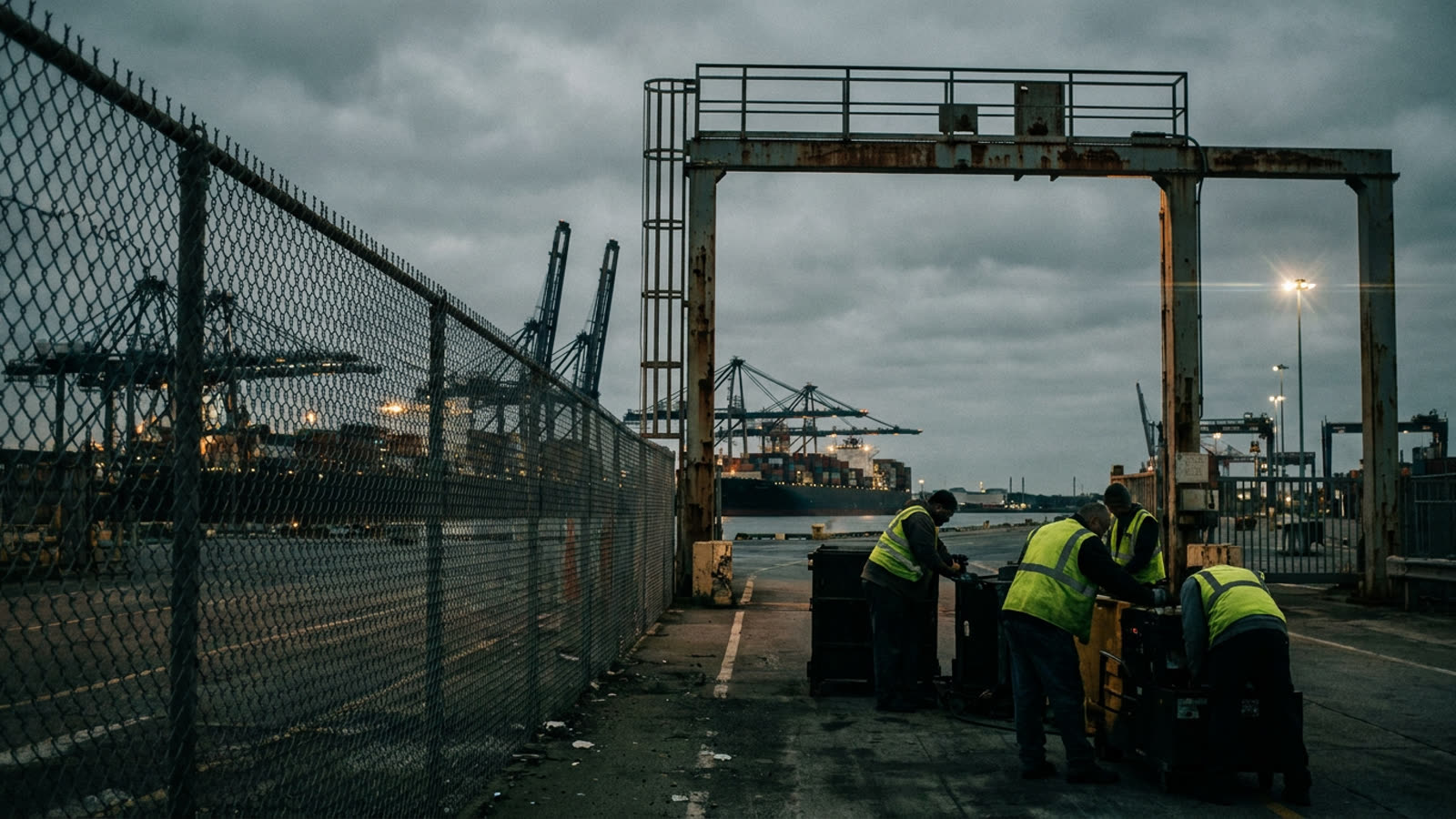
The blunt instrument. Economic sanctions are everywhere in modern statecraft, yet their success rate should embarrass their enthusiasts.
Understanding why the West's favorite coercive tool so often fails to change regime behavior reveals uncomfortable truths about power, pain, and political survival.
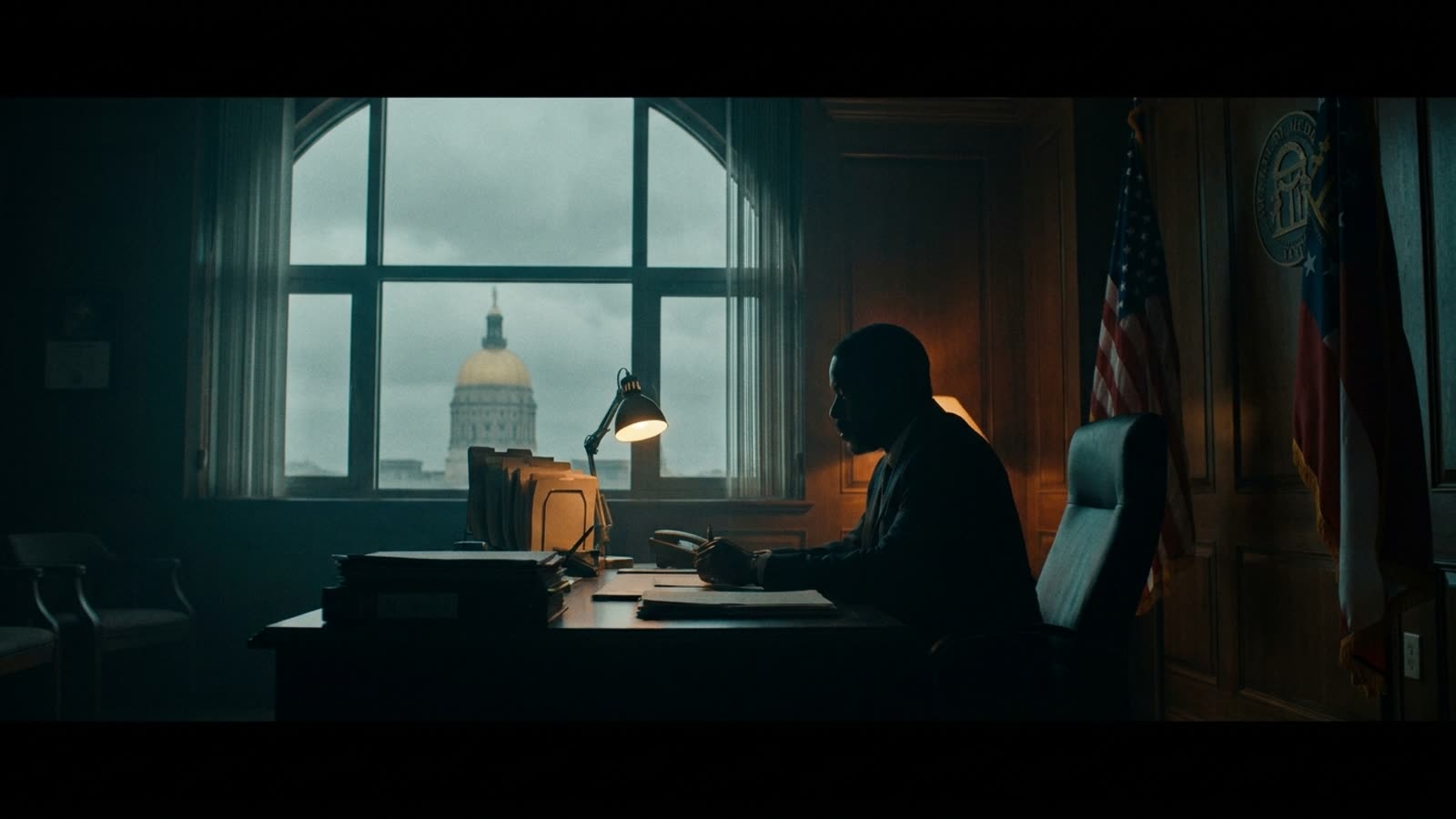
A Georgia Judge Just Blocked the Justice Department's Election Witch Hunt. The DOJ's fishing expedition into 2020 election workers hits a judicial wall.
The ruling signals that federal courts may not rubber-stamp the administration's aggressive pursuit of local election officials who certified Biden's victory.
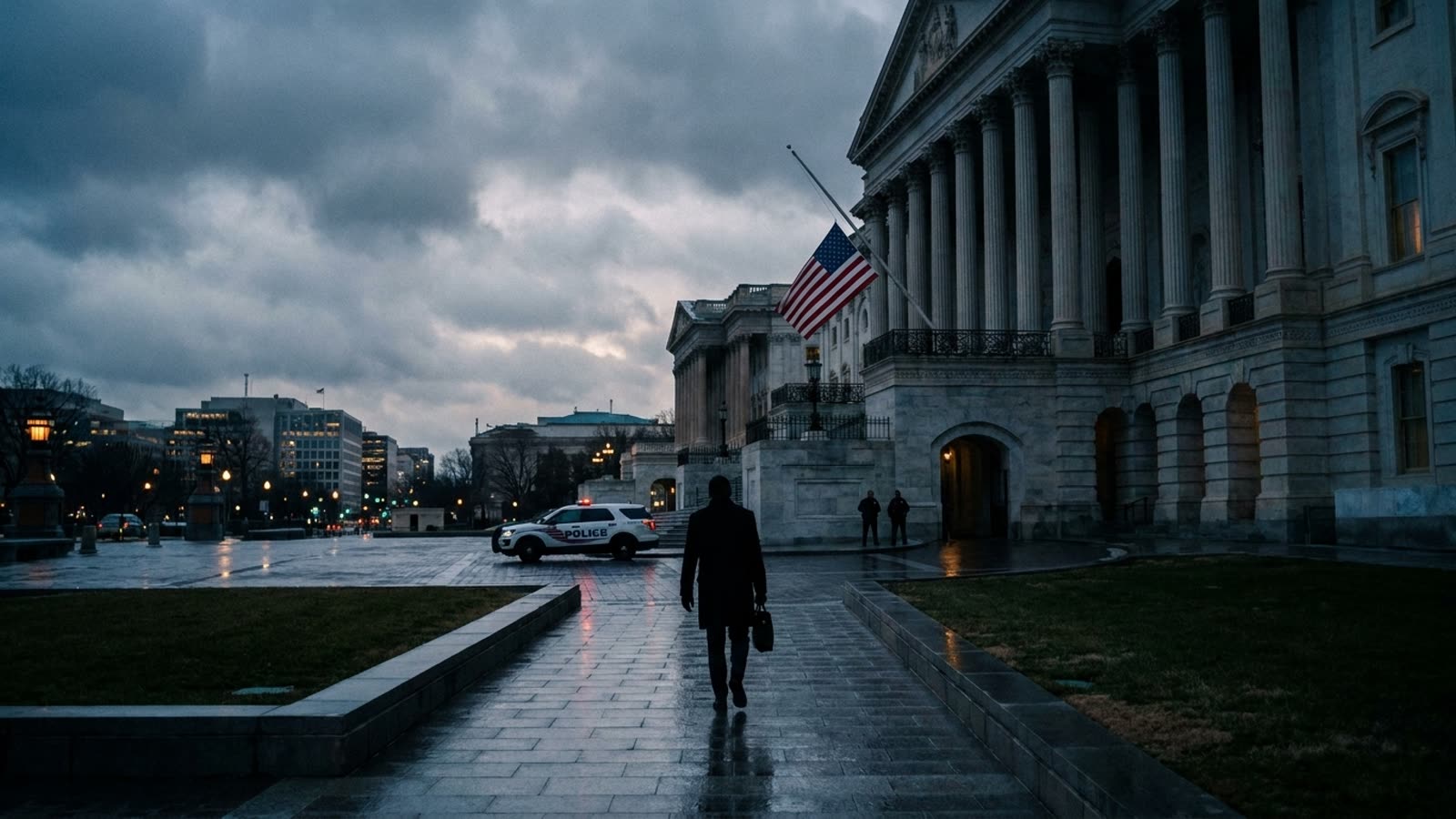
The Justice Department is threatening election officials over noncitizen voting. The evidence suggests the threat is the point.
Federal prosecutors have sent warning letters to secretaries of state in swing states, demanding proof of citizenship verification protocols—a move critics say is designed to cast doubt on election integrity rather than address a statistically negligible problem.
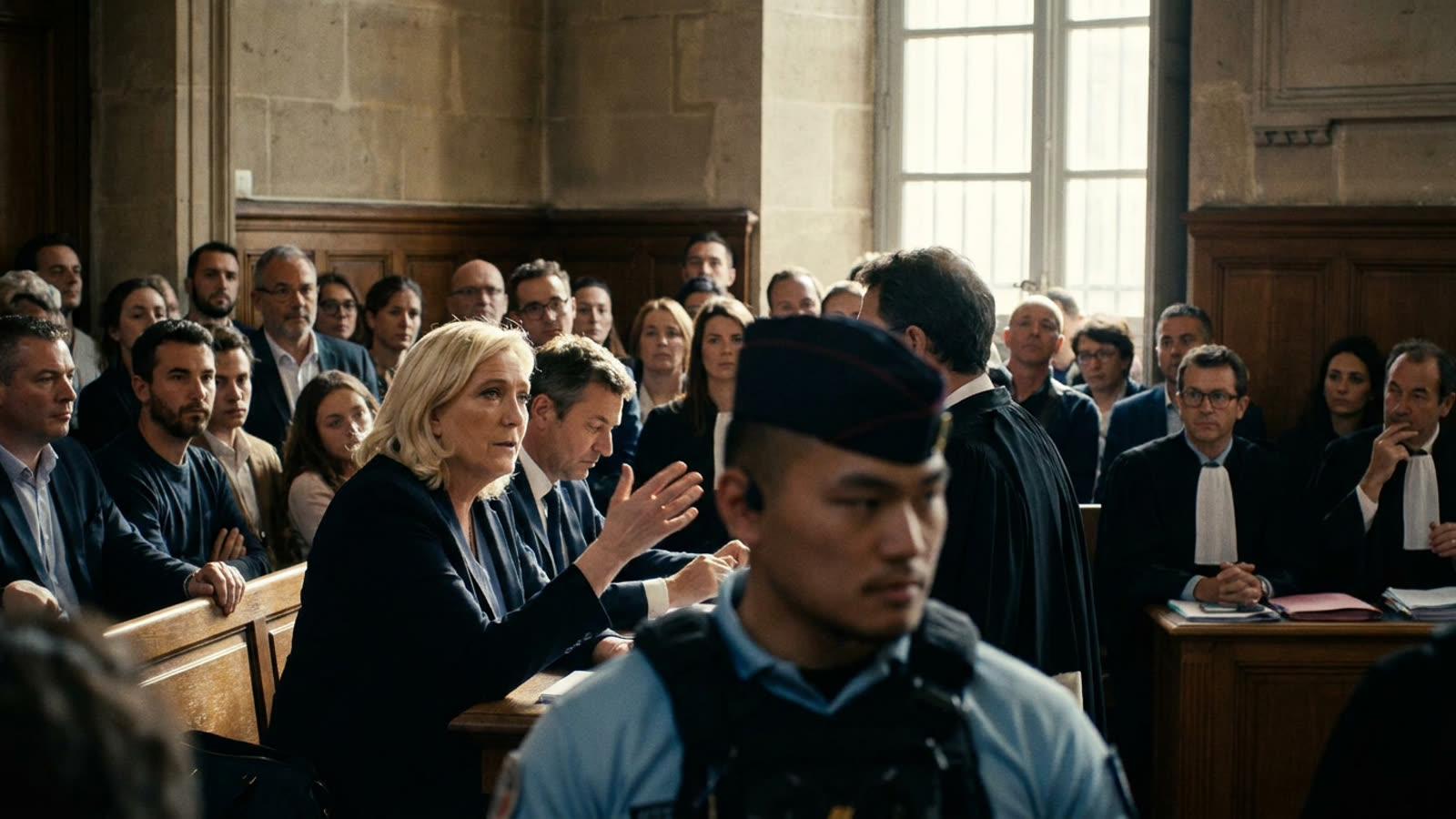
Marine Le Pen will run for president again. The fourth time may finally be the charm.
France's far-right leader announces her 2027 candidacy despite an ongoing fraud trial that could legally bar her from office, betting that voter fatigue with the establishment outweighs judicial risk.
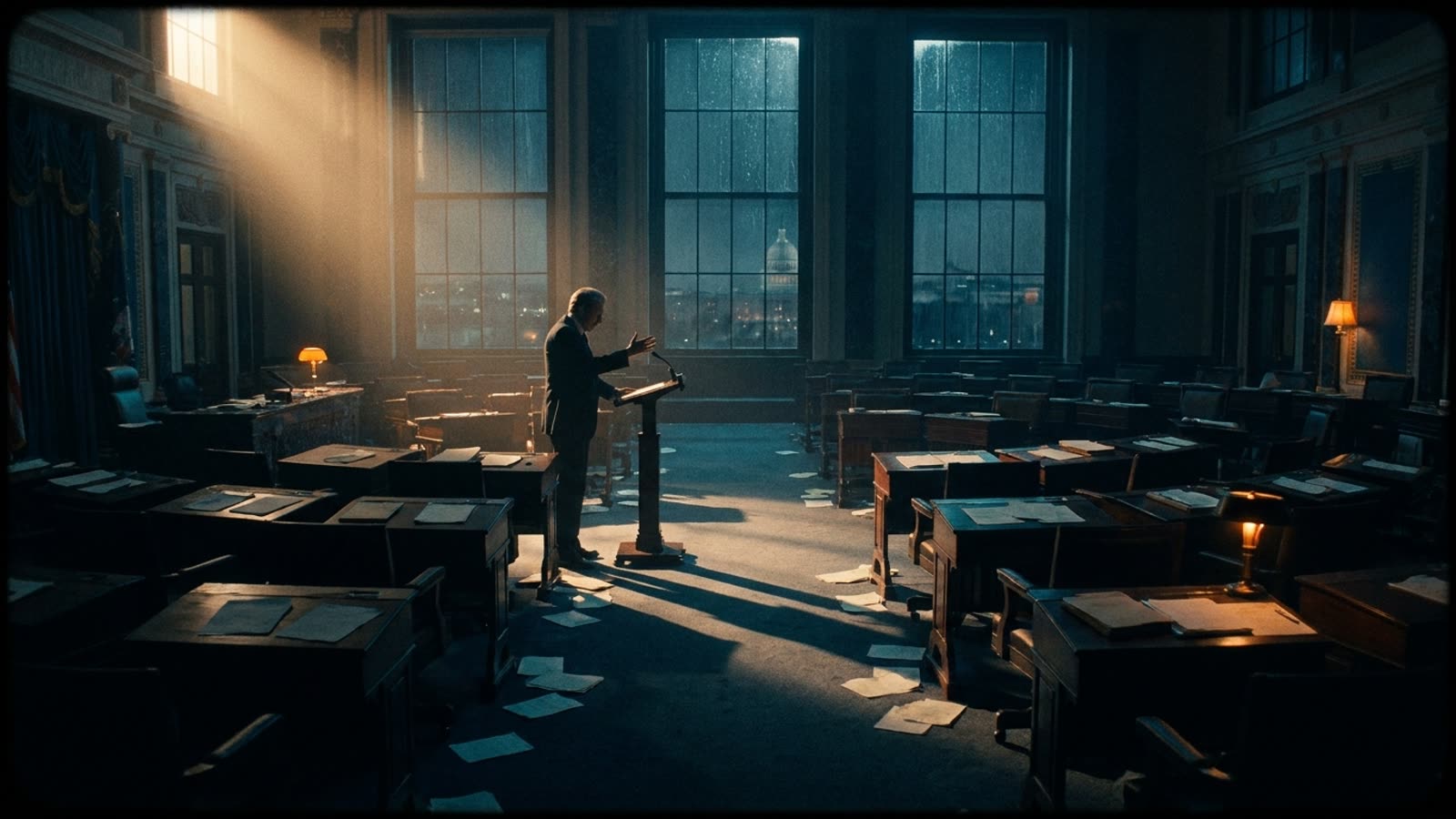
The filibuster is always dying and never dead. Understanding why reveals how legislatures really change.
Procedural rules that seem immutable are actually negotiated truces between factions—and they collapse only when the pain of inaction exceeds the fear of precedent.
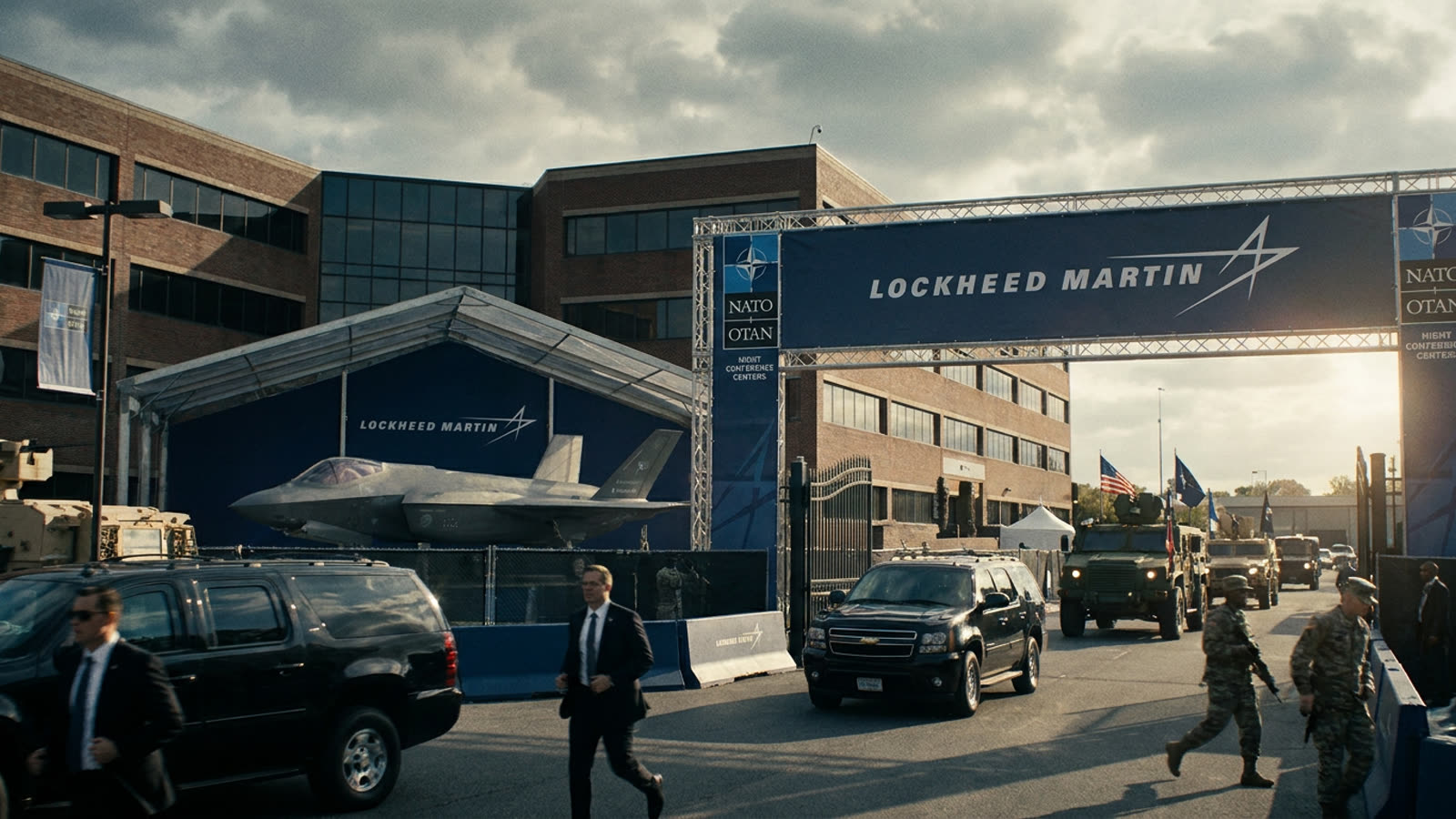
Trump dangles F-35s for Turkey at NATO summit. It's less about jets than about leverage.
The president's willingness to revisit a sanctions-era ban signals a transactional approach to alliance management that could reshape NATO's eastern flank.
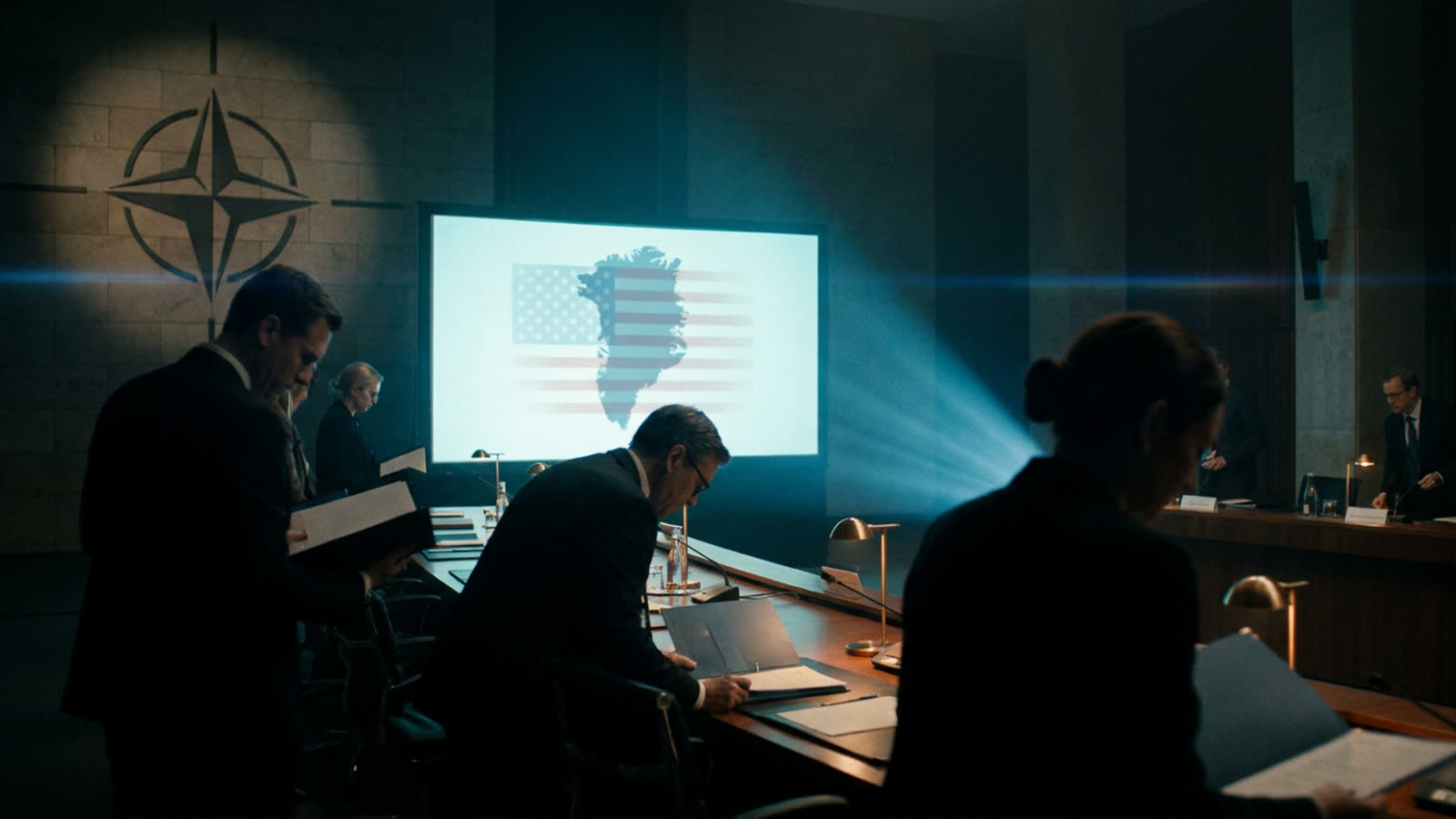
Trump wants Greenland. NATO is trying to pretend he's joking.
The president's renewed territorial claims on Danish sovereign territory arrived just as allies gathered to discuss collective defense, revealing the awkward contortions required to maintain the fiction of a unified alliance.
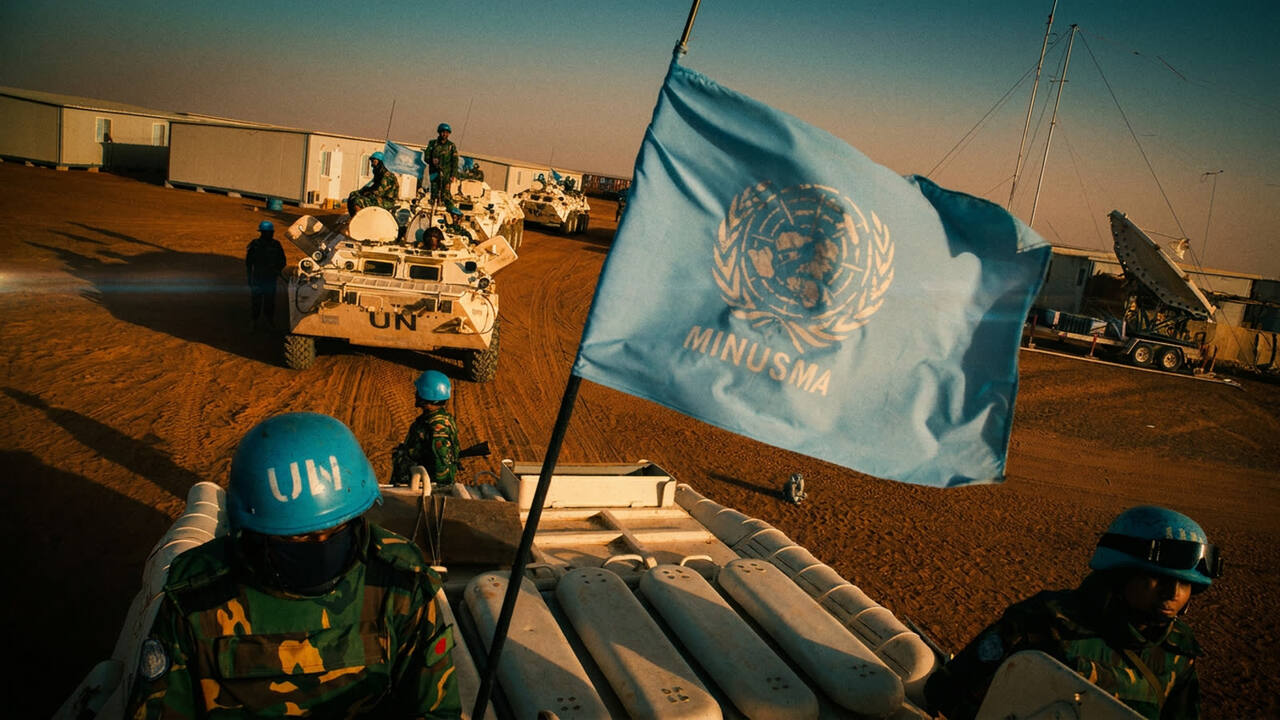
Blue Helmets Cannot Fire First. That Is the Point.
The paradox at the heart of UN peacekeeping—troops deployed to keep a peace that often does not exist—explains both its failures and its strange, persistent necessity.
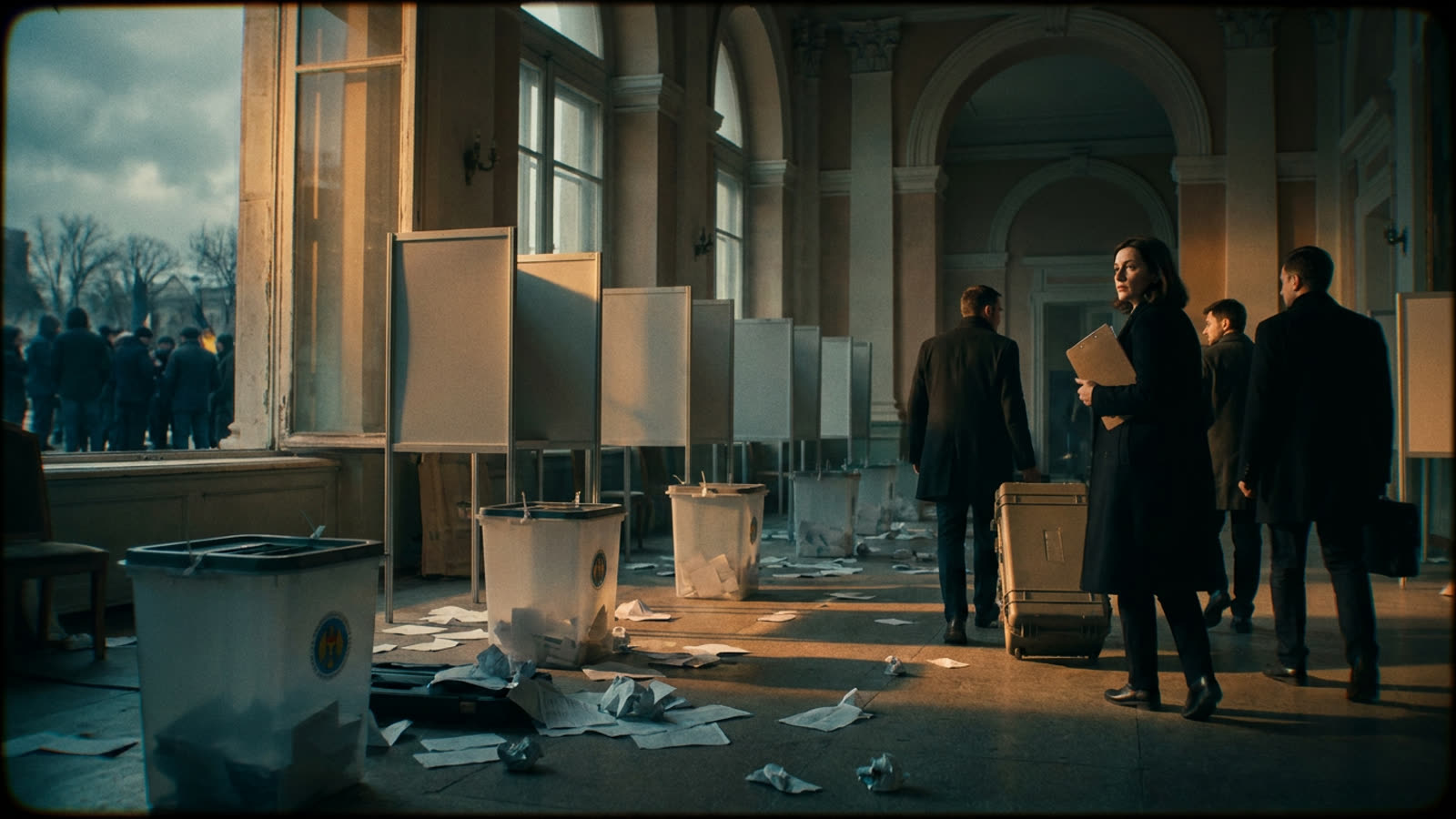
The strangers watching your ballot box. How international election observers became democracy's awkward houseguests.
They arrive with clipboards and diplomatic immunity, but their real power lies in what happens when they leave.
The legislators you've never heard of write most of Europe's laws. Shadow rapporteurs hold quiet power in Brussels.
Understanding the European Parliament's obscure committee system reveals why EU regulations often emerge pre-compromised and why lobbyists focus their attention far from the plenary floor.
The people who draw your district probably aren't politicians. That doesn't mean they're neutral.
Independent redistricting commissions were supposed to end gerrymandering, but the fight over maps has simply moved to a different arena with different weapons.
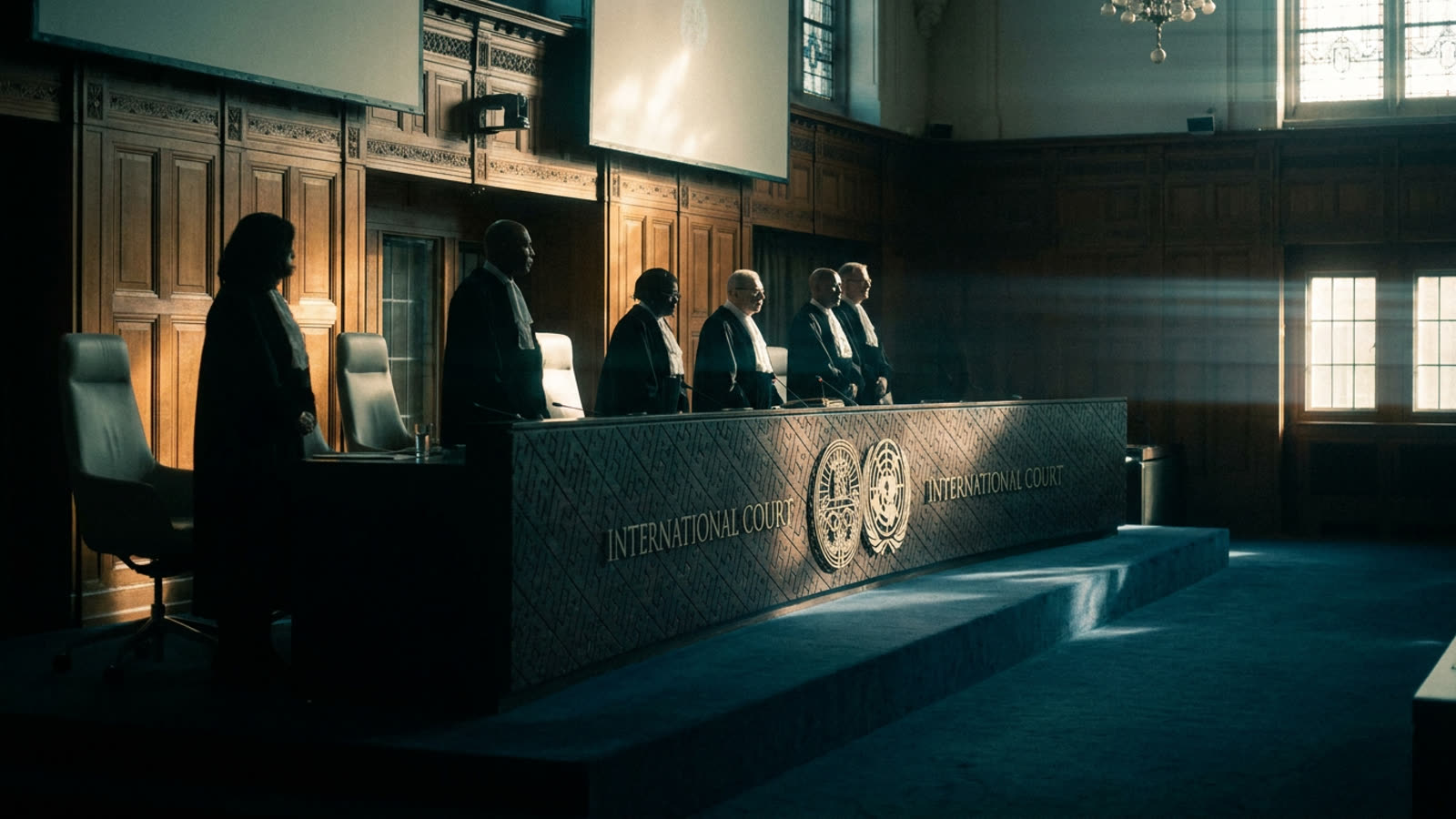
The World Court Has No Army. That's the Entire Point.
International tribunals wield immense moral authority and almost no coercive power, a design choice that explains both their resilience and their frustrations.
The slow murder of a parliament. How executives hollow out legislatures without technically breaking the law.
From Hungary to Peru, elected leaders have mastered a toolkit for neutering their own legislatures—and the playbook is spreading.
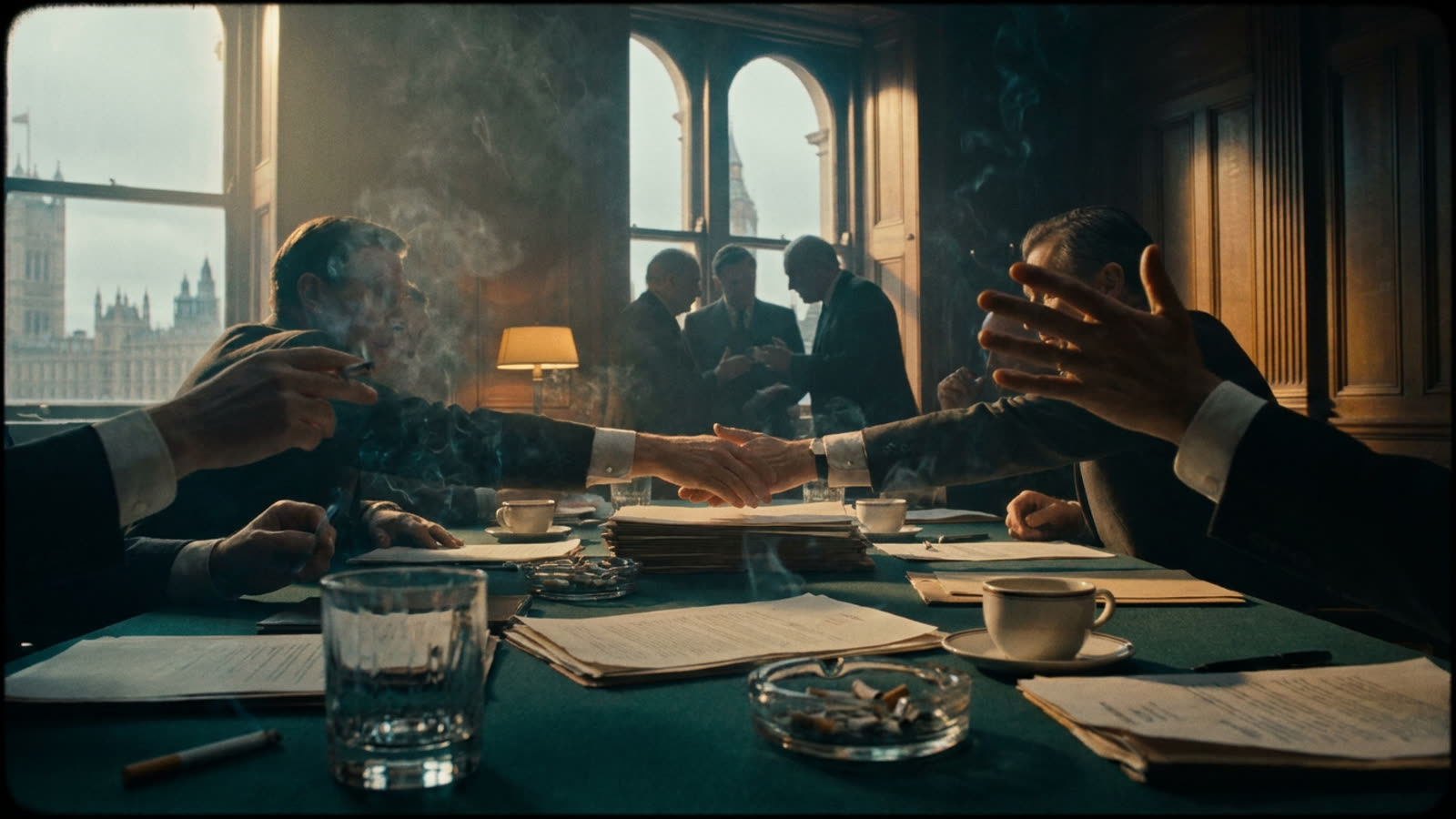
The smoke-filled room never really emptied. How coalition governments actually get made.
In an age of fragmented parliaments, the art of building a governing majority has become the most consequential negotiation most voters never see.
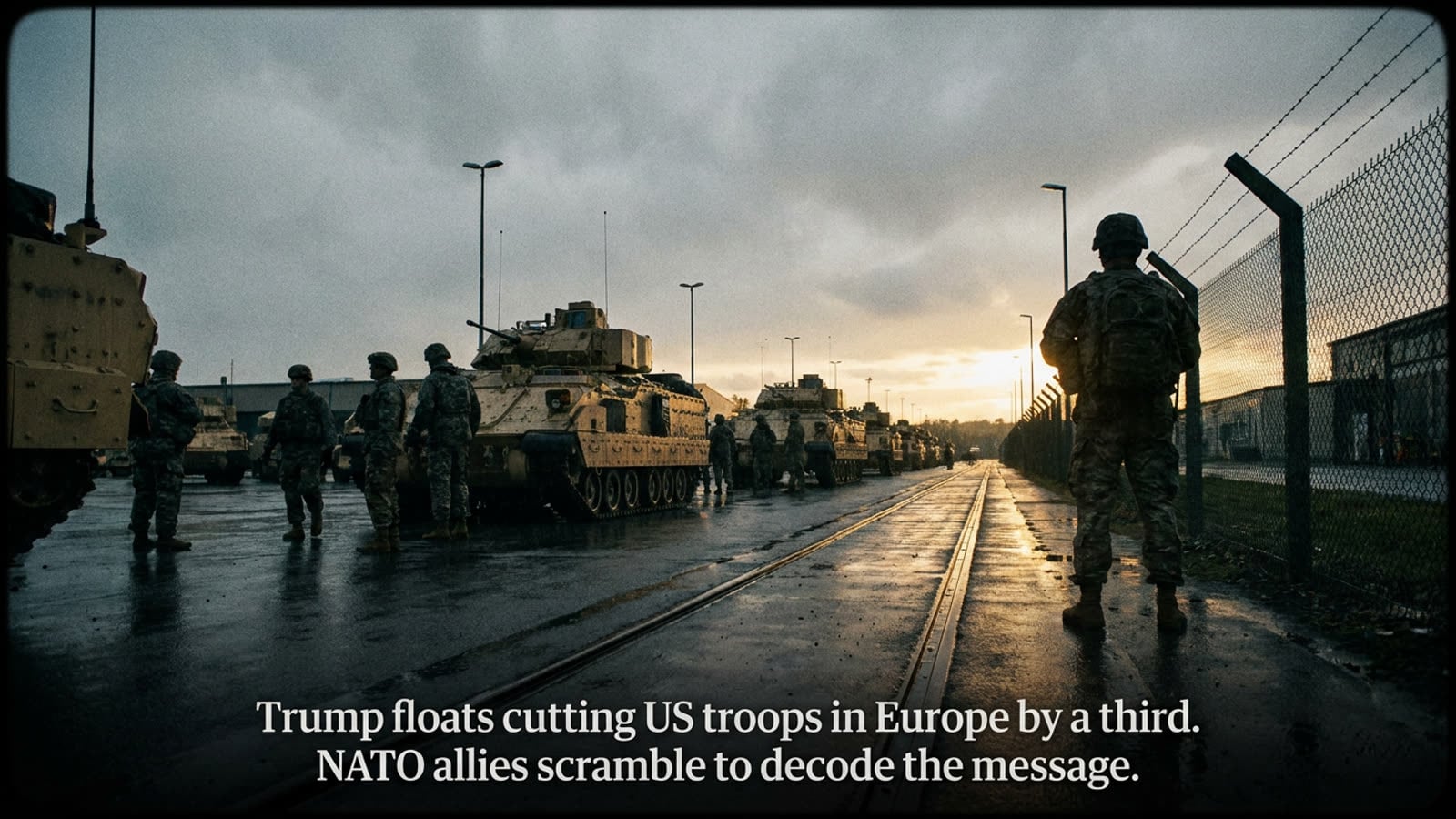
Trump floats cutting US troops in Europe by a third. NATO allies scramble to decode the message.
The president's musing about reducing American forces ahead of the alliance summit reveals his transactional approach to European security.
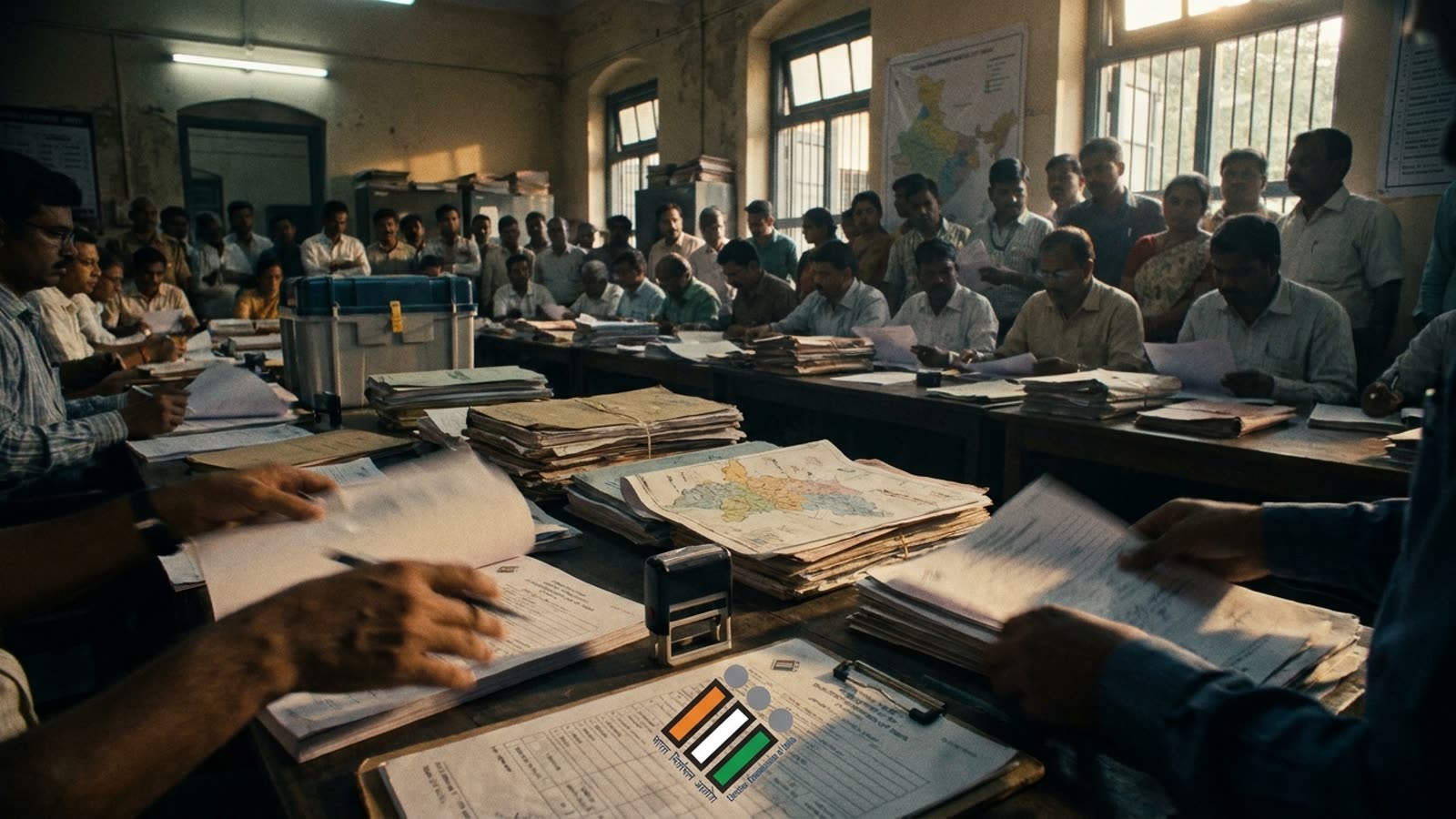
The unelected officials who decide who gets to vote. Electoral commissions hold more power than most citizens realize.
Behind every election lies a bureaucratic apparatus that draws boundaries, validates candidates, and certifies results — decisions that can determine outcomes before a single ballot is cast.
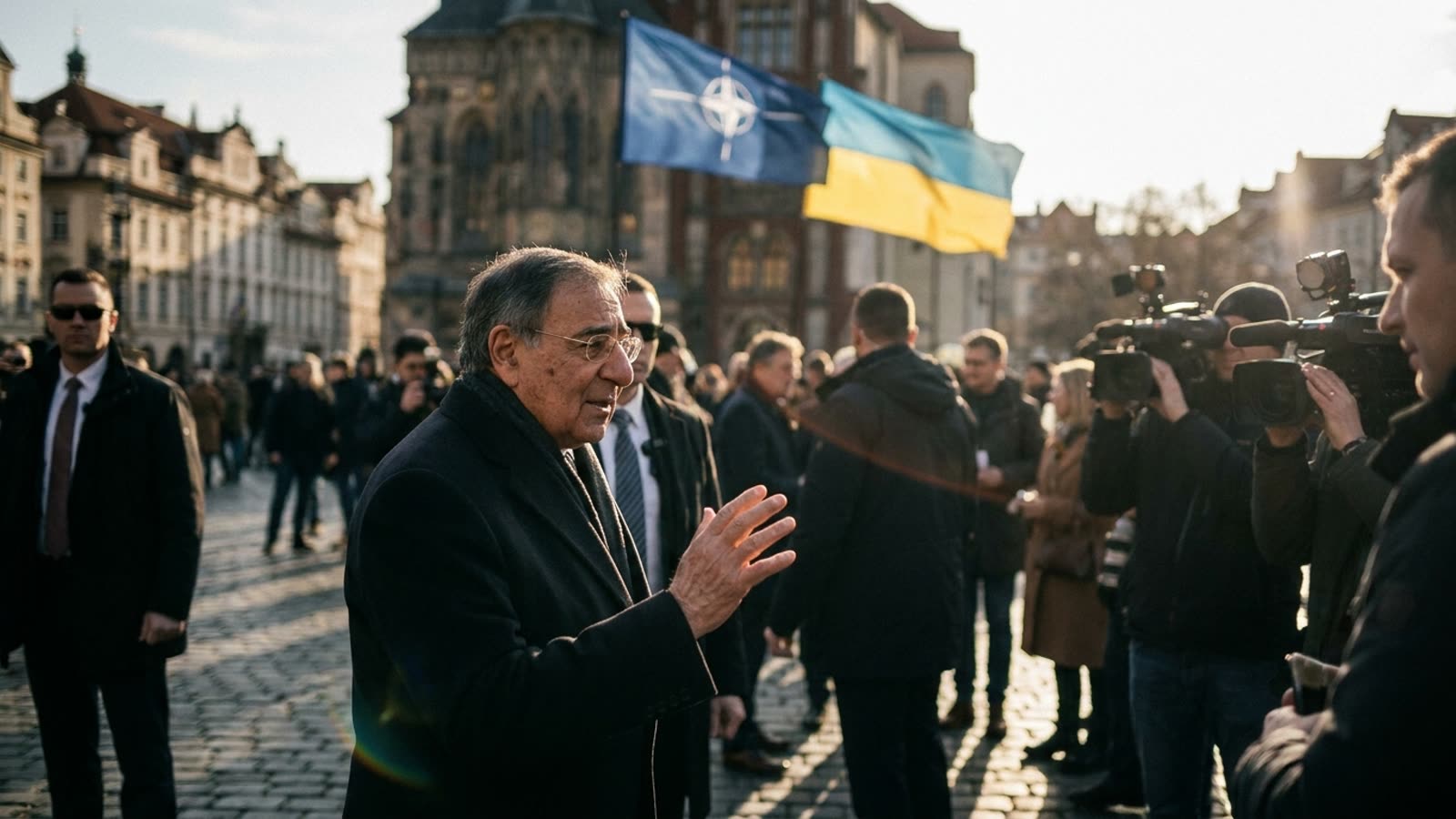
Leon Panetta wants NATO to stop hedging on Ukraine. He's right that the current posture satisfies no one.
The former CIA director and defense secretary argues that arming Ukraine more aggressively is the only path to meaningful negotiations—a position that exposes the alliance's strategic drift.