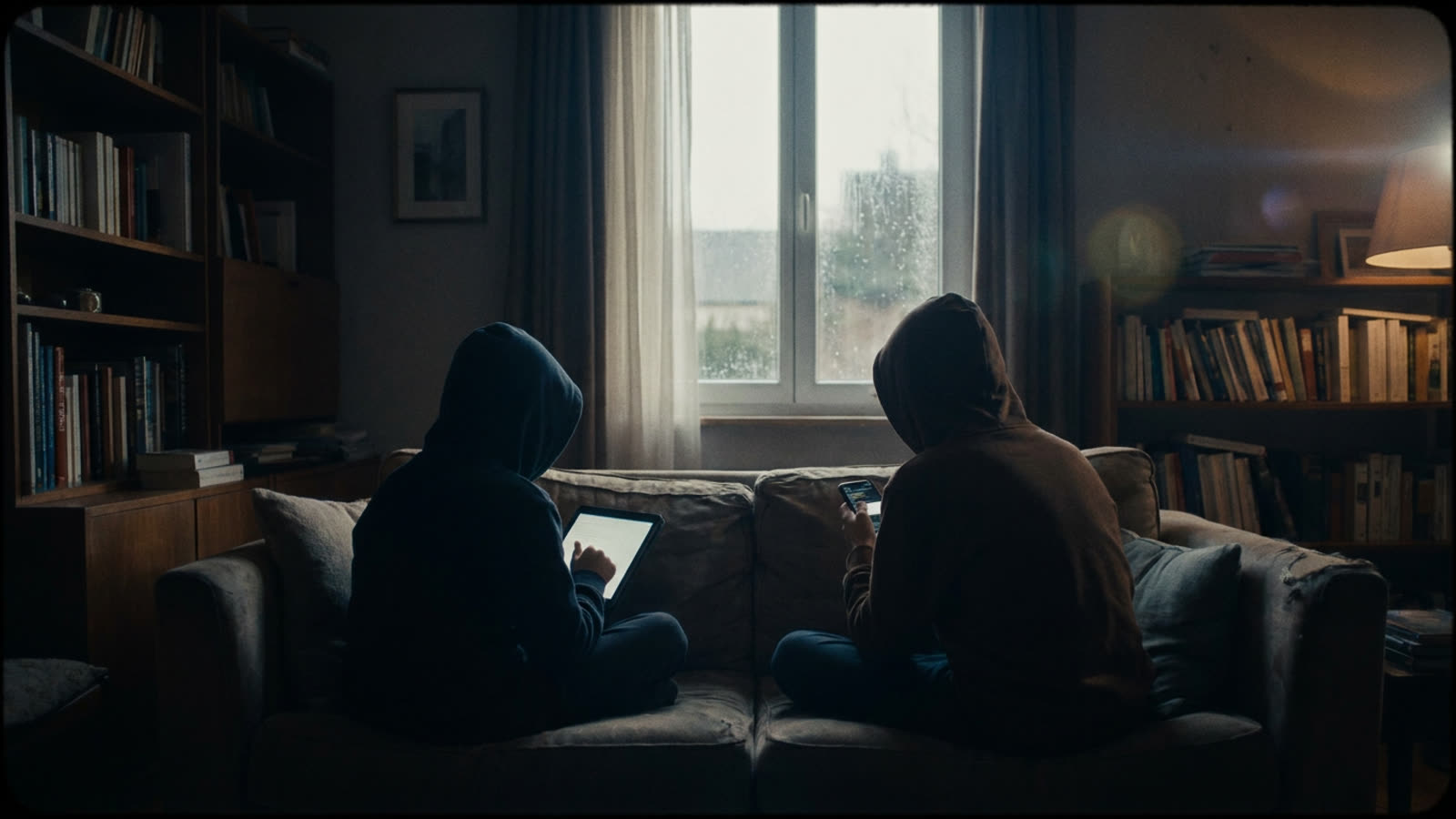
The new Surgeon General's advisory on screen time risks for children and adolescents lands with the bureaucratic thud of a document designed to generate headlines rather than outcomes. It warns of mental health impacts, developmental concerns, and the algorithmic capture of young minds—all reasonable anxieties that parents have been nursing since the first iPad was handed to a toddler in a restaurant. What it does not provide is a coherent framework for action.
The timing is instructive. As AI-powered recommendation engines grow more sophisticated at holding attention, and as generative AI tools begin reshaping how young people interact with information, a screen time advisory feels almost quaint—like warning about the dangers of television while the internet was being invented.
The evidence problem
Screen time research remains frustratingly inconclusive. Studies correlate heavy device use with depression and anxiety in adolescents, but causation runs in both directions: unhappy teenagers may retreat to screens as much as screens may produce unhappy teenagers. The advisory acknowledges this complexity in its footnotes while ignoring it in its headlines. The Surgeon General's office knows that nuance does not trend.
What the research does increasingly support is that the type of screen engagement matters far more than raw hours. Passive scrolling through algorithmically curated content differs meaningfully from active creation, learning, or communication. The advisory gestures toward this distinction without building policy around it.
The AI dimension nobody is discussing
The more pressing concern—largely absent from this advisory—is how AI is transforming the nature of screen interaction itself. Chatbots are becoming companions. AI tutors are replacing human instruction. Recommendation algorithms are no longer just serving content; they are increasingly generating it. The screen time debate of 2015 assumed children were consuming media made by humans. That assumption is eroding rapidly.
A serious public health intervention would grapple with what it means for developing minds to form relationships with AI systems optimized for engagement. Instead, we get warmed-over concerns about Instagram.
Our take
The Surgeon General's advisory is not wrong so much as it is late and shallow. The real regulatory challenge is not convincing parents to set timers on TikTok—they already know they should. It is building frameworks for an attention economy that is being rebuilt in real time by artificial intelligence. This advisory reads like a politician's attempt to appear concerned without offending the technology industry that funds campaigns. Public health deserves better than press releases dressed as policy.