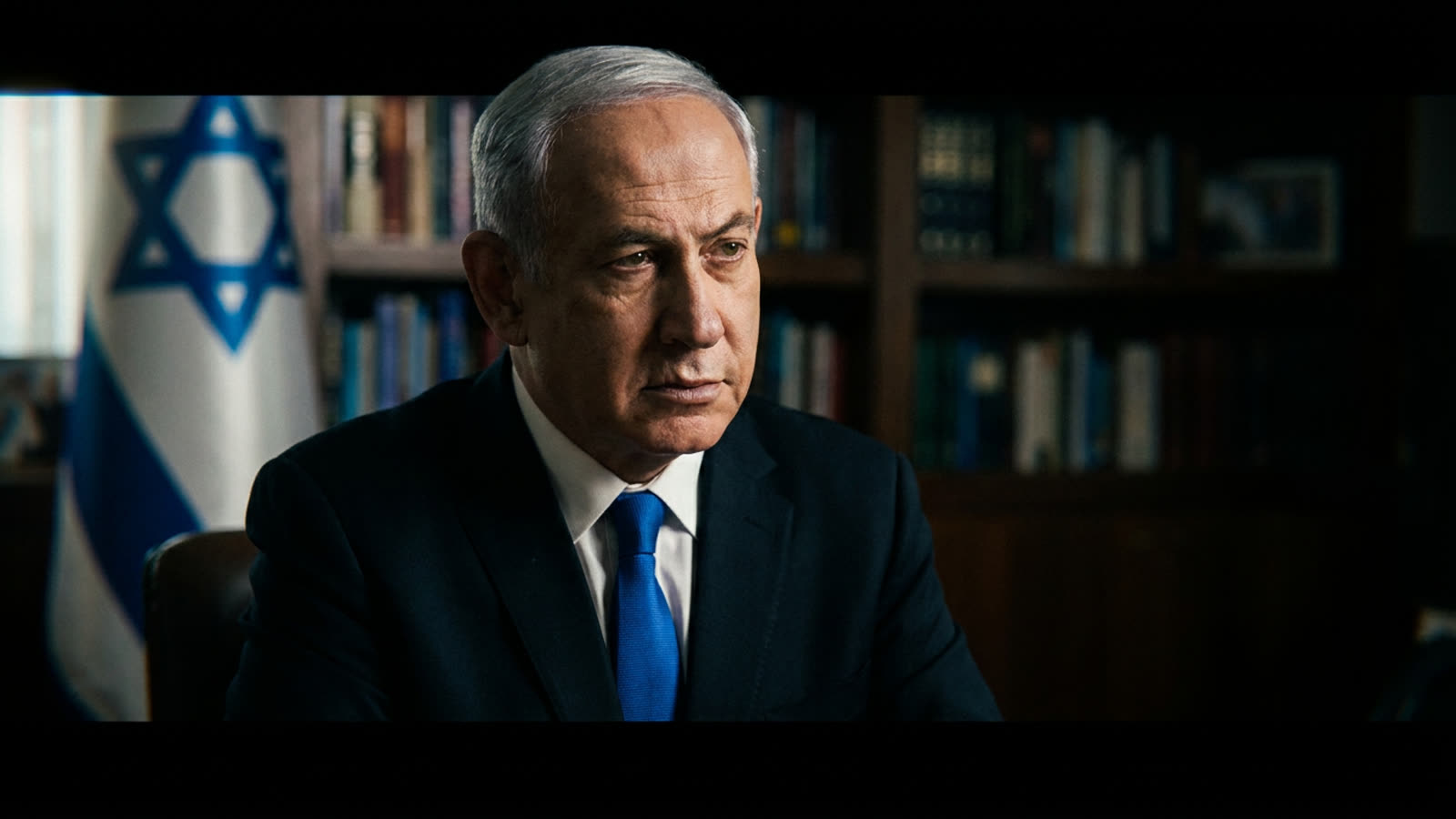
The relationship between Donald Trump and Benjamin Netanyahu has long been described as the most consequential alliance in modern Middle Eastern geopolitics—a bond forged in mutual admiration, shared enemies, and a flair for the theatrical. That bond is now straining under the weight of an actual war, and the seams are visible to anyone paying attention.
A phone call between the two leaders this week reportedly turned tense as they diverged on the fundamental question of what comes next in the Iran campaign. The details remain partially obscured by the fog of diplomatic discretion, but the contours are clear enough: Netanyahu wants to press the advantage, Trump is eyeing the exits, and neither man is accustomed to being told no.
The strategic gap
Israel's position is straightforward, if maximalist. Having committed to a sustained military campaign against Iranian assets and proxies, Netanyahu's government sees little value in half-measures. The logic runs that Iran's nuclear ambitions, regional proxies, and ideological hostility to Israel's existence constitute an existential threat that must be degraded decisively while the opportunity exists. Stopping short would merely allow Tehran to regroup.
Trump, however, appears to be calculating differently. His administration has always been transactional about foreign entanglements, and the domestic political calendar looms large. A prolonged Middle Eastern conflict with uncertain endpoints and escalating costs does not fit neatly into any re-election narrative. The preference seems to be for a dramatic but contained victory—something that can be declared and moved past.
The domestic complications
Both leaders face significant pressure at home that constrains their maneuvering room abroad. Netanyahu's coalition depends on far-right ministers who view any de-escalation as capitulation, while his legal troubles make political survival synonymous with political aggression. Trump, meanwhile, must balance his base's appetite for strength against the broader electorate's war-weariness and the economic anxieties that dominate kitchen-table conversations.
The result is a partnership where both parties need the other but want different things from the relationship. Netanyahu needs American military support and diplomatic cover; Trump needs a foreign policy win that doesn't become a quagmire. These objectives are not inherently incompatible, but they require a level of coordination and trust that the reported phone call suggests may be fraying.
Our take
Alliances built on personality rather than institutional alignment tend to be brittle under pressure, and this one is no exception. Trump and Netanyahu have spent years performing mutual admiration for their respective audiences, but performance is not strategy. The Iran question was always going to test whether their partnership could survive contact with genuinely difficult choices. The early returns are not encouraging. When two leaders who pride themselves on never backing down find themselves at cross-purposes, the result is rarely graceful compromise—it's usually a very public mess that neither can fully control.