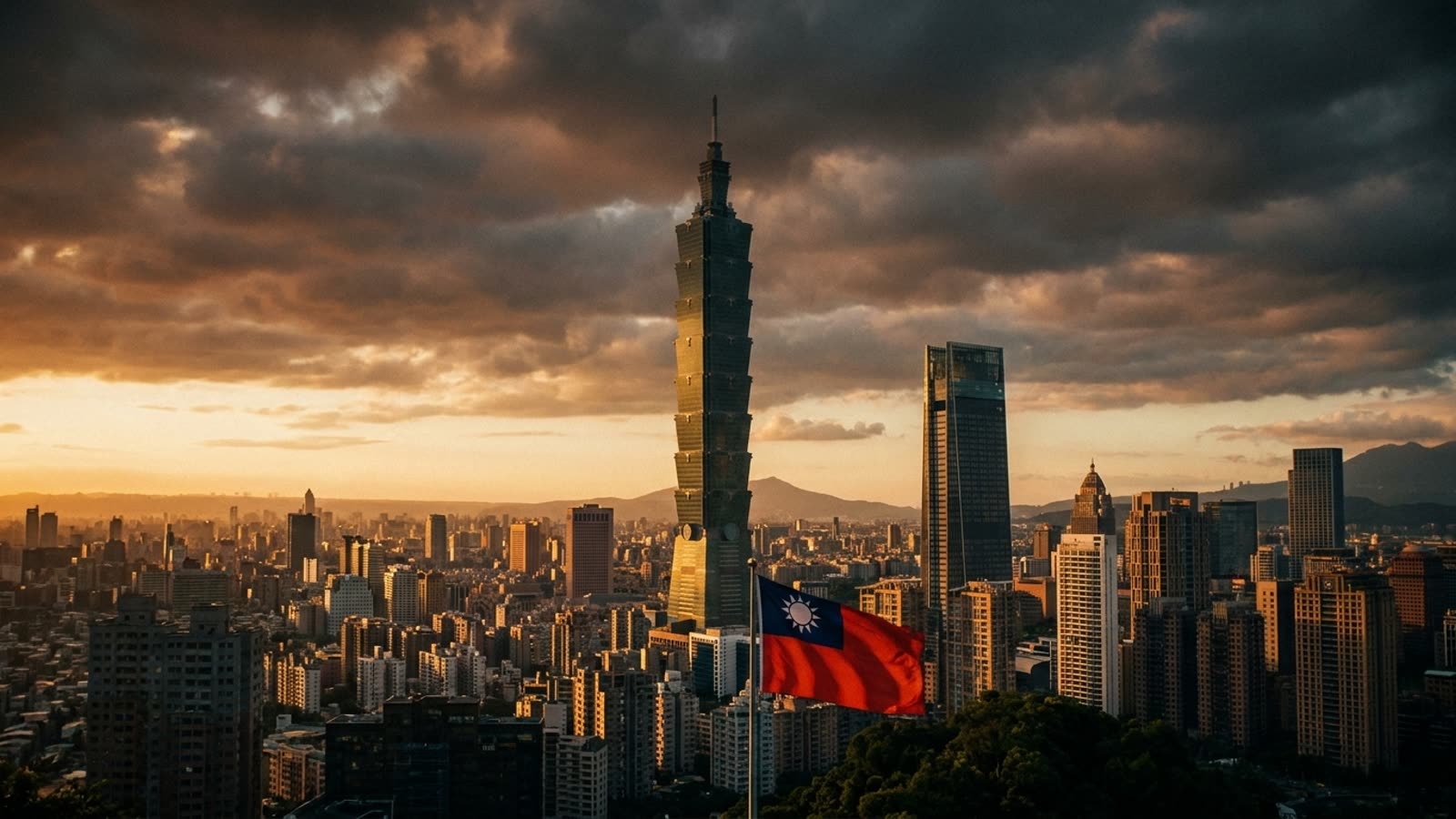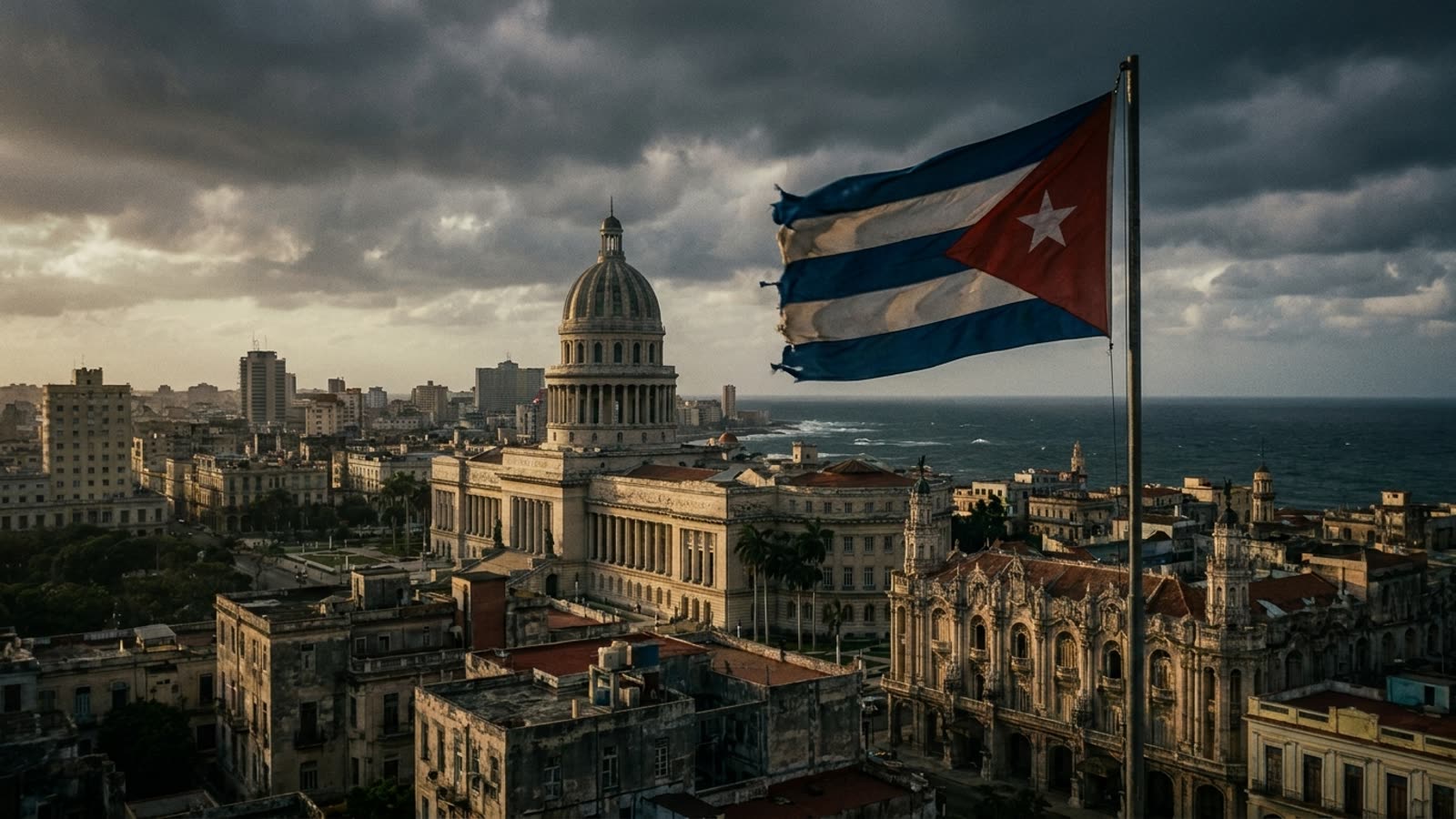
The indictment of Raúl Castro last week was not a legal event so much as a geopolitical confession. Having failed to topple Iran's government through sanctions, assassination plots, and a disastrous military campaign that alienated European allies, the Trump administration is now pivoting to Cuba—a country ninety miles from Florida, economically prostrate, and incapable of meaningful retaliation. It is regime change for beginners, and it tells us more about Washington's diminished ambitions than Havana's crimes.
The Iran hangover
The phone call between Trump and Netanyahu this week reportedly grew tense over the question of what comes next in Iran. Israel wants continued American support for operations against Tehran's nuclear infrastructure; Trump, chastened by the costs of the past eighteen months, appears eager to declare victory and move on. The problem is that there is no victory to declare. Iran's government remains in power, its proxies are resurgent in Lebanon, and the Abraham Accords expansion that was supposed to follow regime change never materialized. The administration needs a win it can actually achieve.
Why Cuba, why now
Cuba offers several advantages for a president seeking redemption. First, it is weak. The economy has contracted for six consecutive years, rolling blackouts are routine, and the post-Castro gerontocracy lacks the revolutionary legitimacy to mobilize resistance. Second, it is politically useful domestically: Florida's electoral votes remain essential, and Cuban-American voters in Miami-Dade have long memories. Third, and most importantly, Cuba cannot fight back in any way that matters. There will be no drone swarms over the Strait of Florida, no proxy militias in Mexico, no coalition of European powers condemning American overreach. The asymmetry is total.
The Castro indictment—charging the former president with crimes against humanity related to political prisoners and extrajudicial killings—creates a legal pretext for escalating sanctions and, potentially, for more direct action. Administration officials have been careful not to rule out military options, though the likelier path is a slow strangulation: cutting off remittances, pressuring third countries to reduce trade, and waiting for internal collapse.
The limits of maximum pressure
The strategy has a familiar flaw. Maximum pressure on Venezuela did not dislodge Maduro. Maximum pressure on North Korea did not denuclearize Pyongyang. Maximum pressure on Iran produced a temporary economic crisis but no regime change. Cuba's government has survived sixty years of American hostility; there is little reason to believe another turn of the screw will succeed where previous efforts failed. What maximum pressure does accomplish is immiseration of ordinary citizens, which tends to increase dependence on the state rather than inspire revolution.
Our take
There is something almost poignant about the Cuba pivot. It is the foreign policy equivalent of a boxer, bloodied and exhausted, looking for someone smaller to hit. The administration learned in Iran that regime change against a capable adversary is expensive, unpredictable, and often counterproductive. The lesson it drew was not to abandon the doctrine but to find a weaker target. Cuba will absorb whatever Washington throws at it, as it has for decades, and the Castro indictment will join a long list of American gestures that changed nothing in Havana but played well in Miami. The only real question is whether this is a coda to the Iran debacle or a prelude to something worse.