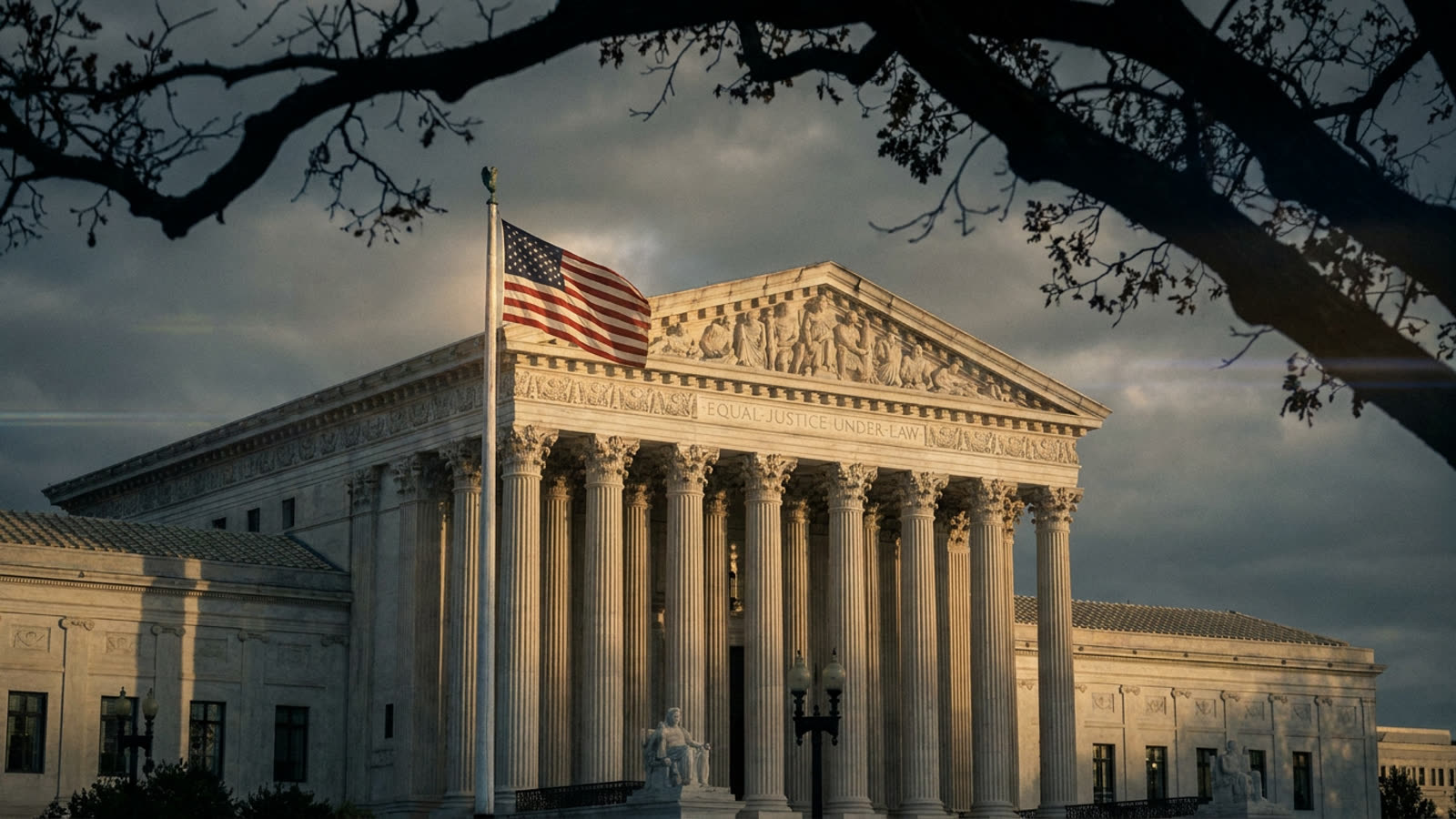
The Cold War never really ended for the families who lost everything when Fidel Castro's revolutionary government nationalized American-owned property across Cuba in 1960. Now, more than six decades later, the Supreme Court has handed them something they never expected: a path back into American courtrooms.
The ruling permits lawsuits seeking compensation for assets seized during Cuba's early revolutionary period, a decision that cuts against decades of settled assumptions about sovereign immunity and the practical impossibility of recovering property from hostile foreign governments. The legal architecture that long shielded Cuba from such claims has developed a significant crack.
The stakes beyond the courtroom
This is not merely a dispute about aging property deeds and family heirlooms. The 1960 nationalizations swept up billions of dollars in American holdings—sugar plantations, oil refineries, banks, utilities, and private homes. The U.S. Foreign Claims Settlement Commission certified nearly 6,000 claims totaling roughly $1.9 billion at the time, a figure that with interest has ballooned to estimates exceeding $8 billion.
For decades, these claims existed in a legal limbo. The Cuban government has never acknowledged any obligation to compensate American claimants, and successive U.S. administrations—whether pursuing engagement or isolation—found the issue too thorny to resolve. The Supreme Court's decision changes the calculus by allowing claimants to pursue judgments in U.S. courts, even if collection remains a distant prospect.
Sovereign immunity's shifting boundaries
The ruling hinges on interpretations of the Foreign Sovereign Immunities Act and its exceptions for expropriation claims. Cuba has long argued that its revolutionary nationalizations, however distasteful to Americans, were sovereign acts beyond the reach of U.S. courts. The Court's willingness to permit these cases to proceed suggests a narrower reading of sovereign immunity than Havana would prefer.
The implications extend beyond the Florida Straits. Governments worldwide that have engaged in expropriations—Venezuela, Zimbabwe, Russia—will watch how American courts handle these claims. A robust enforcement mechanism could embolden similar lawsuits, while practical difficulties in collection might render the victories pyrrhic.
Timing is everything
The ruling arrives amid a broader recalibration of U.S.-Cuba policy. The recent indictment of Raúl Castro and the administration's apparent pivot toward more aggressive postures make this judicial development part of a larger pressure campaign. Whether coordinated or coincidental, the cumulative effect is a Cuban government facing legal, diplomatic, and economic challenges simultaneously.
Our take
Justice delayed is not always justice denied, but 66 years tests the limits of that maxim. The families who lost property in 1960 are largely gone; their descendants pursue claims that feel more like historical grievances than live disputes. Yet the Supreme Court has decided these cases deserve their day in court, and that decision matters regardless of whether a single dollar ever changes hands. The ruling is less about compensation than about establishing that revolutionary expropriations carry consequences that outlast the revolutionaries themselves. Cuba's government, already reeling from blackouts and economic collapse, now faces the prospect of American courts tallying debts it has no intention of paying. The ledger may never balance, but it will be kept.