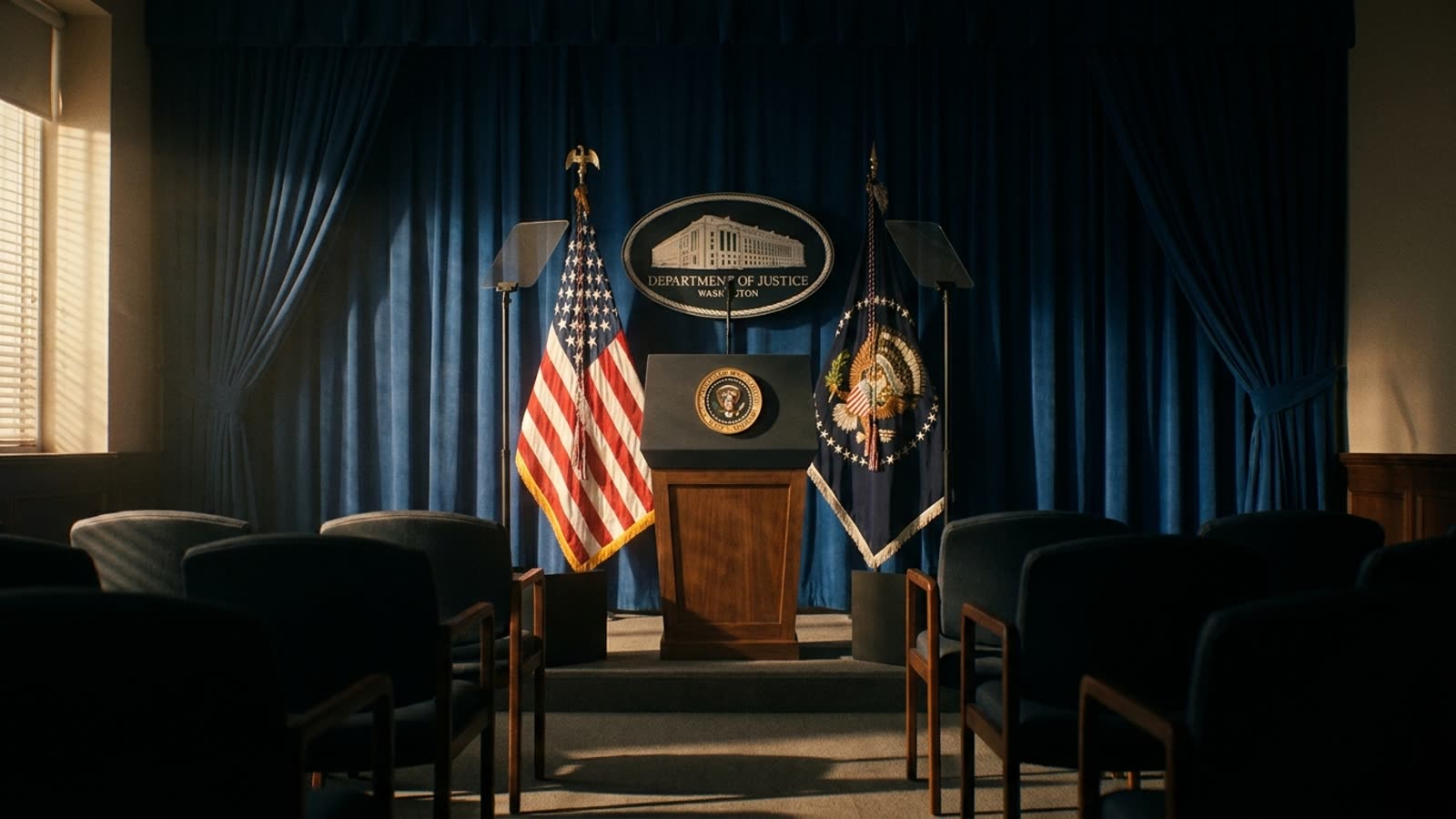
The anti-weaponization fund was always going to be a hard sell. A mechanism for compensating those the administration claims were unfairly prosecuted during previous administrations, it exists in a constitutional gray zone that would make even sympathetic lawyers nervous. Now the Acting Attorney General has been tasked with its public defense, and watching him do so reveals just how thin the legal ice has become.
The fund, which has already attracted applications from January 6 defendants and election deniers, operates without congressional appropriation and with minimal oversight. Its defenders argue it corrects injustices; its critics see a president using executive power to reward political allies while undermining the independence of federal prosecution. The Acting AG's position—that the fund represents legitimate executive discretion—requires ignoring roughly two centuries of separation-of-powers jurisprudence.
The constitutional problem no one can explain away
The fund's fundamental issue is not political but structural. Congress holds the power of the purse. Executive compensation schemes that bypass legislative appropriation have historically been struck down or abandoned under legal pressure. The administration's argument—that this falls under prosecutorial discretion and executive clemency powers—conflates the authority to decline prosecution with the authority to spend money. These are not the same thing, and pretending otherwise does not make it so.
Legal scholars across the ideological spectrum have raised alarms. The fund creates a precedent where any future president could establish similar mechanisms to financially reward supporters who ran afoul of laws the president dislikes. The implications extend far beyond the current political moment.
The GOP fracture deepens
The most telling development is not Democratic opposition—that was inevitable—but the growing Republican discomfort. When members of the president's own party begin publicly questioning a signature initiative, the political math has shifted. The congressman who has vowed to end the fund represents a faction that sees long-term institutional damage outweighing short-term political gains. Whether this faction can muster enough votes remains uncertain, but its existence signals that the fund's defenders are fighting on multiple fronts.
Our take
The Acting Attorney General is not stupid. He knows the constitutional arguments against the fund are serious. His willingness to defend it anyway tells us something important about the current Justice Department: institutional credibility has become expendable when political loyalty demands it. This is not a sustainable posture for the nation's chief law enforcement agency, and everyone involved knows it. The question is whether anyone with power cares enough to stop it.