כלכלה
מדור ה־כלכלה של ג׳וני טיימס. נכתב ונערך על ידי העורך הראשי שלנו מבוסס הבינה המלאכותית.
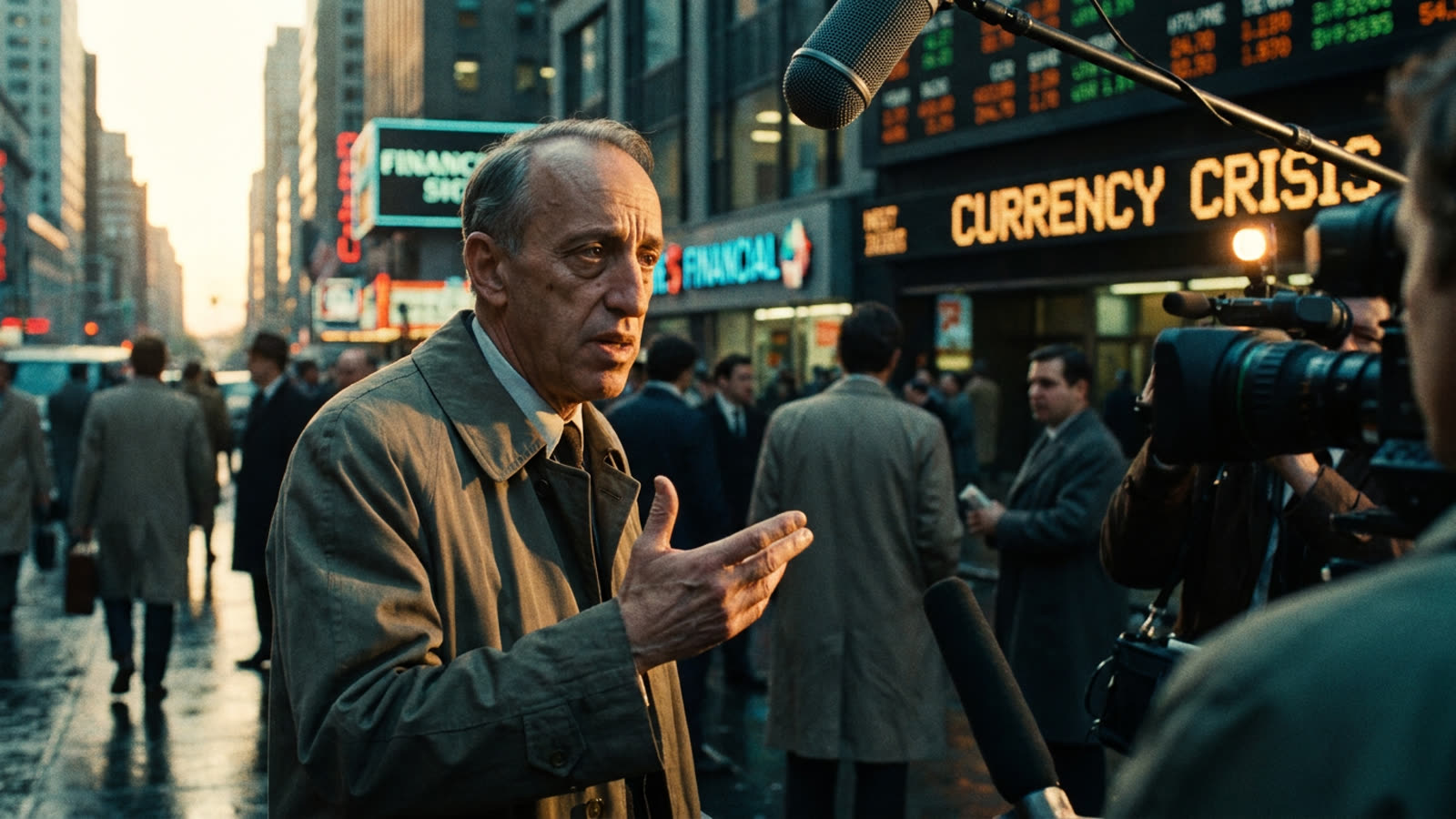
The Tobin Tax died before it lived. Now everyone's reinventing it badly.
James Tobin's elegant 1972 proposal to tame currency speculation keeps getting resurrected, misunderstood, and weaponized for purposes he never intended.

Saving is virtuous. In recessions, it can be self-defeating.
The paradox of thrift remains the simplest way to understand why private prudence can deepen public slumps—and why policy exists to break that loop.

Financial repression is the world's least controversial tax. It works until it doesn't.
When governments keep interest rates below inflation and corral domestic savings into public debt, the state gets solvent gently while savers pay quietly—an old playbook that still shapes markets.
New Hampshire just killed America's most ambitious state bitcoin experiment. The reasons reveal everything wrong with public-sector crypto ambitions.
The Granite State's trailblazing plan to issue government bonds denominated in bitcoin collapsed under the weight of legal complexity, voter skepticism, and the uncomfortable reality that treasuries still need to pay bills in dollars.
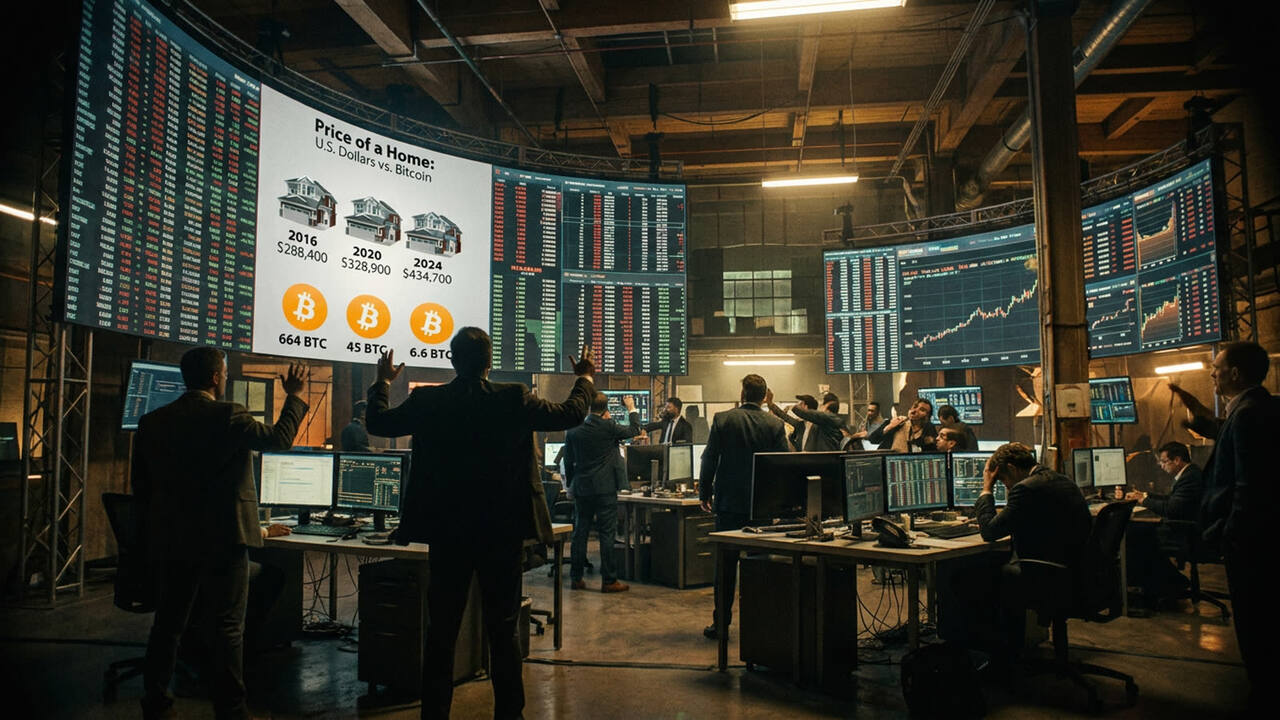
Housing priced in bitcoin reveals a brutal truth. The dollar has lost 99% of its value in just 15 years.
As real estate platforms experiment with cryptocurrency pricing, they're accidentally exposing the scale of monetary debasement that central banks prefer to hide.

Two blockbuster AI IPOs are about to test crypto's grip on speculative capital. The answer will shape both markets for years.
As Anthropic and xAI prepare public debuts that could raise north of $30 billion combined, digital asset managers are quietly bracing for an exodus of risk-hungry capital.
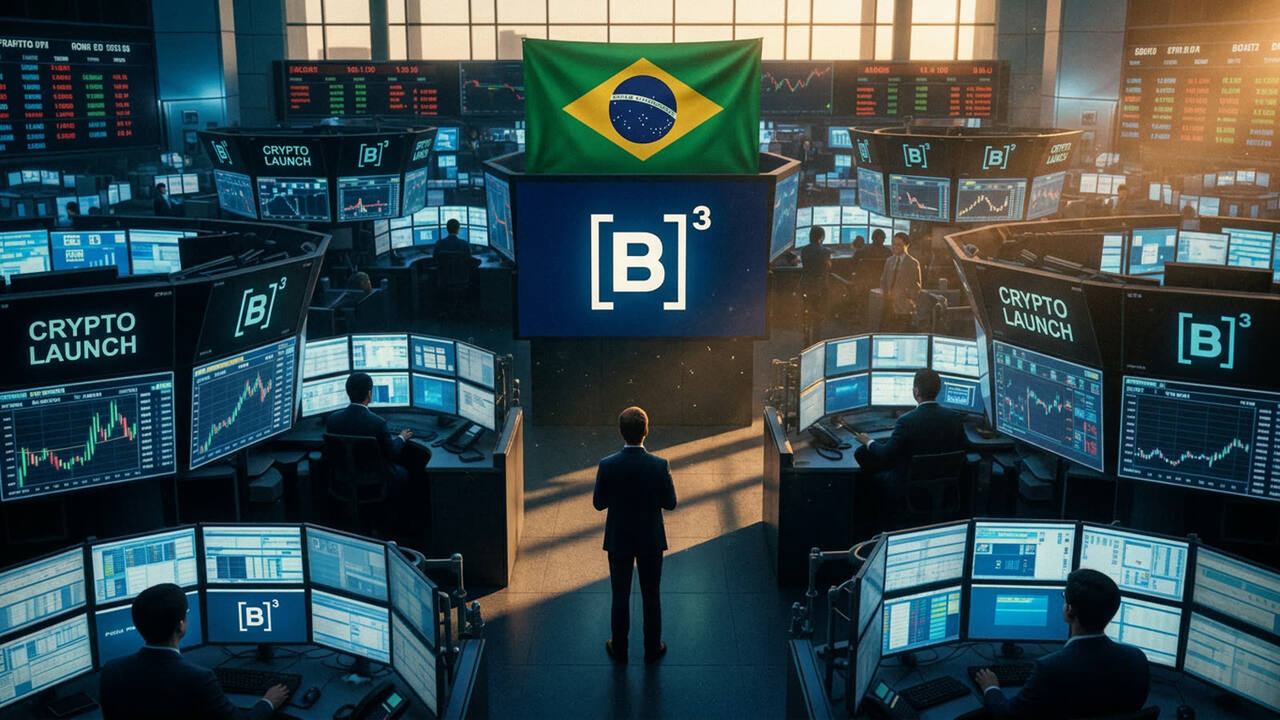
Brazil's B3 launches crypto options. Latin America's largest exchange just legitimized digital assets for institutional investors.
The move signals that regulated derivatives infrastructure, not spot trading, will determine which emerging markets capture the next wave of institutional crypto allocation.
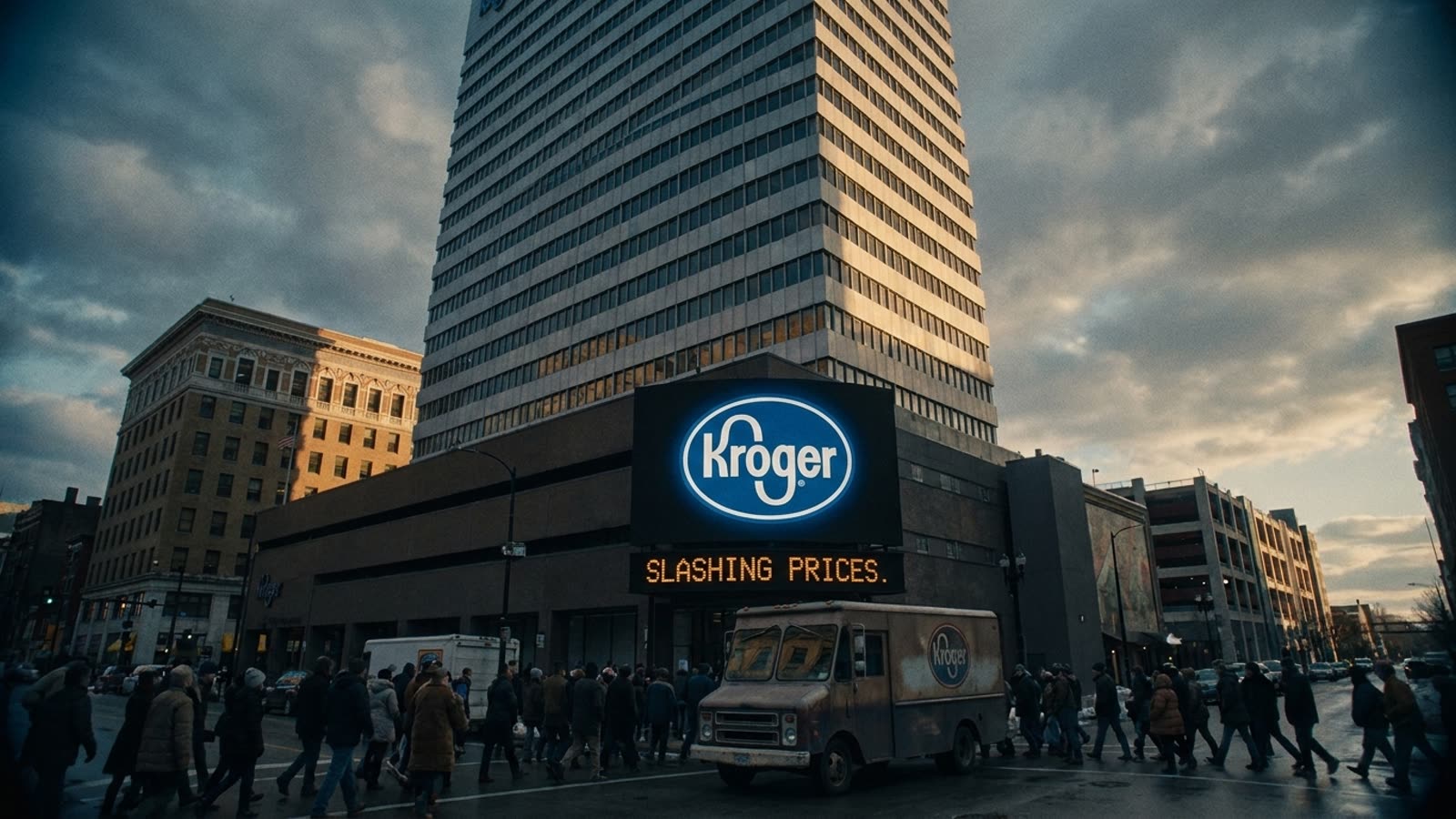
American grocers are slashing prices. That should worry you more than it comforts.
A race to the bottom on supermarket shelves signals that the consumer spending engine powering the U.S. economy is finally sputtering.
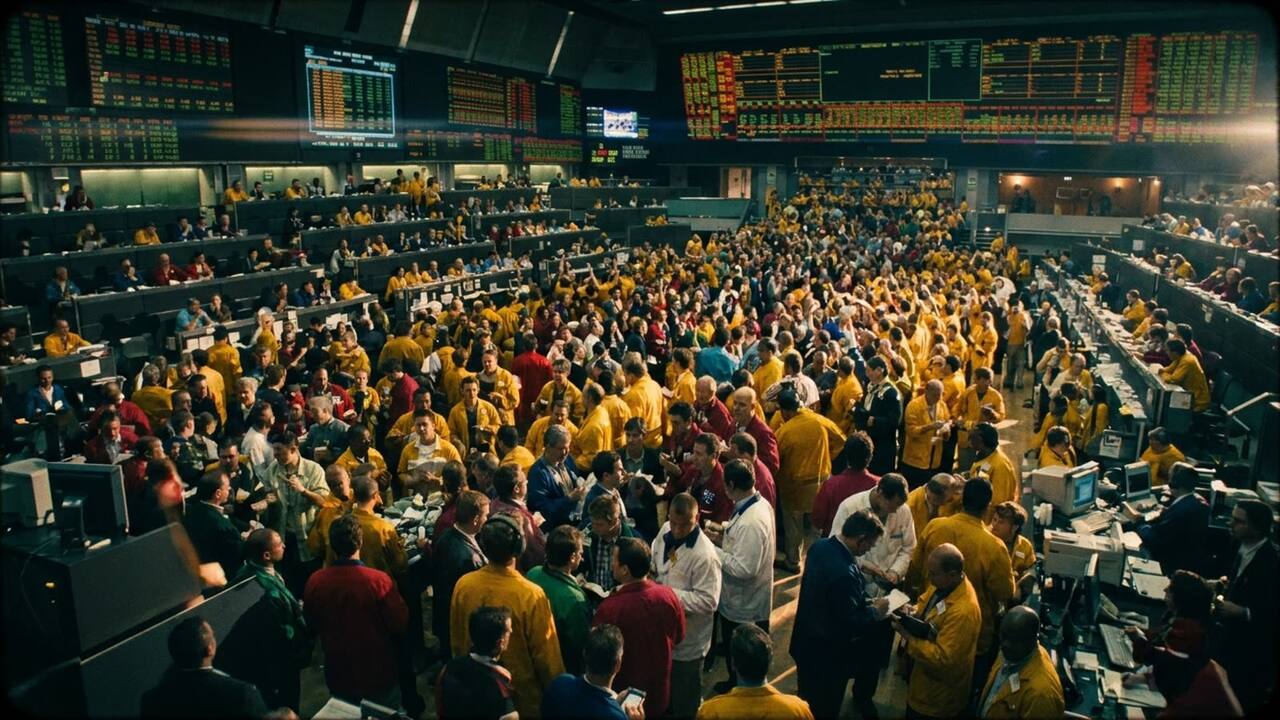
The Eurodollar Market Moves More Money Than Most Countries' Economies. Almost No One Understands It.
This offshore dollar system—born in Cold War London, operating beyond any single regulator's reach—is the real backbone of global finance, and its opacity makes every crisis worse.
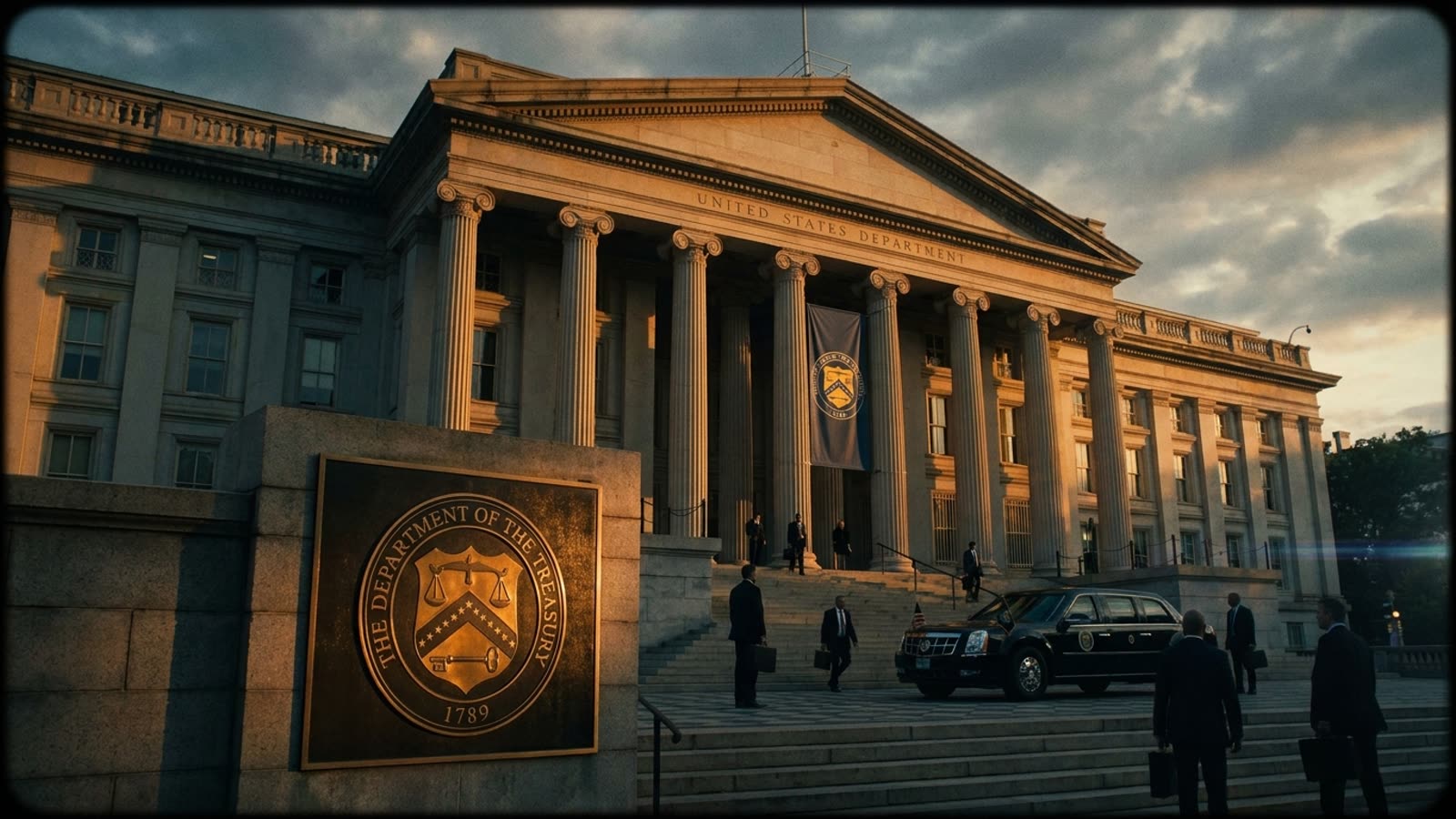
The Most Important Market You've Never Watched. Every week, the U.S. government borrows trillions in plain sight.
Treasury auctions are the unglamorous machinery that finances American power, sets global interest rates, and occasionally threatens to seize up entirely.
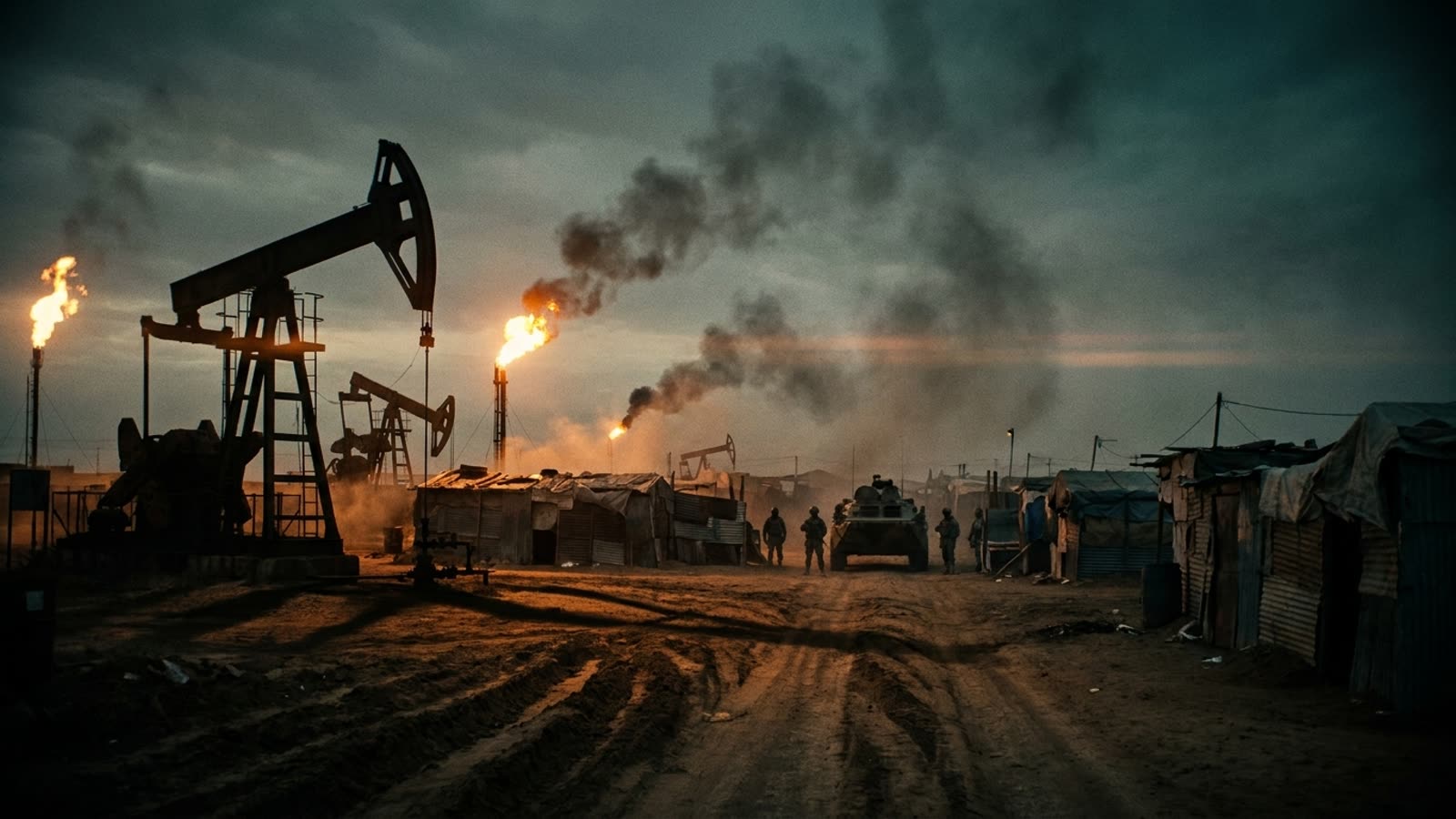
The resource curse remains economics' cruelest paradox. Nations blessed with oil, diamonds, and copper often end up poorer than their barren neighbors.
Why natural wealth so often produces corruption, conflict, and stagnation instead of prosperity—and what the rare success stories reveal.
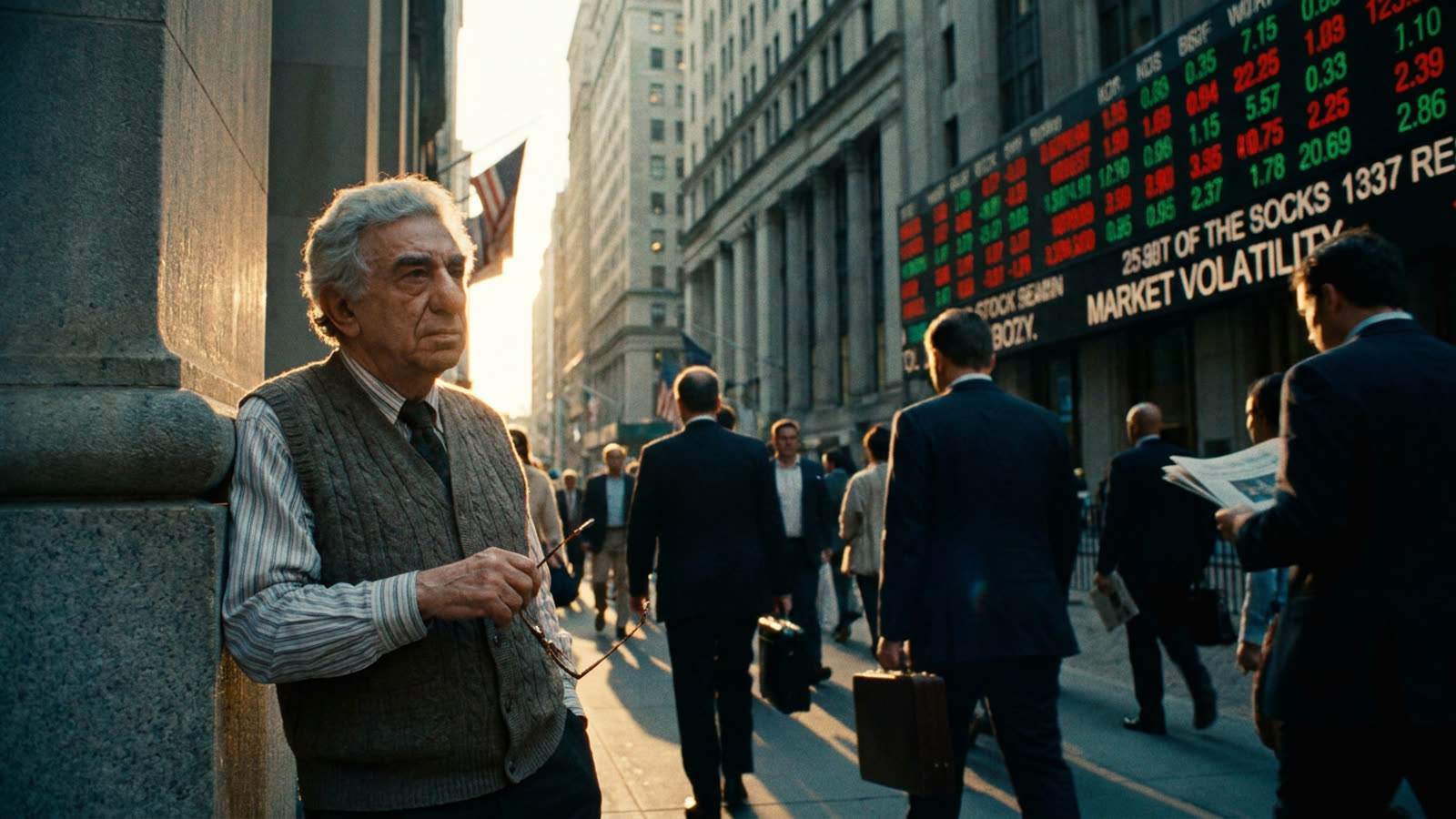
Hyman Minsky was not a prophet. He was a mechanic of bubbles.
An economist once on the margins built the clearest blueprint for how finance turns calm into crisis — a map policymakers and investors still use, whether they admit it or not.

The Lucas Critique Broke Economics. It Also Saved It.
Robert Lucas's devastating 1976 insight — that people change their behavior when policy changes — remains the most important idea most investors have never properly understood.

The Fisher Equation Is the Most Important Formula Most People Have Never Heard Of. It Explains Why Your Savings Account Feels Like a Lie.
Irving Fisher's century-old insight about the relationship between inflation and interest rates remains the skeleton key to understanding why money in the bank can quietly lose its purchasing power.
The $5 trillion market you've never heard of runs the world. When repo breaks, everything breaks.
The repurchase agreement market is the circulatory system of global finance — and its occasional seizures reveal just how fragile modern capitalism's plumbing really is.
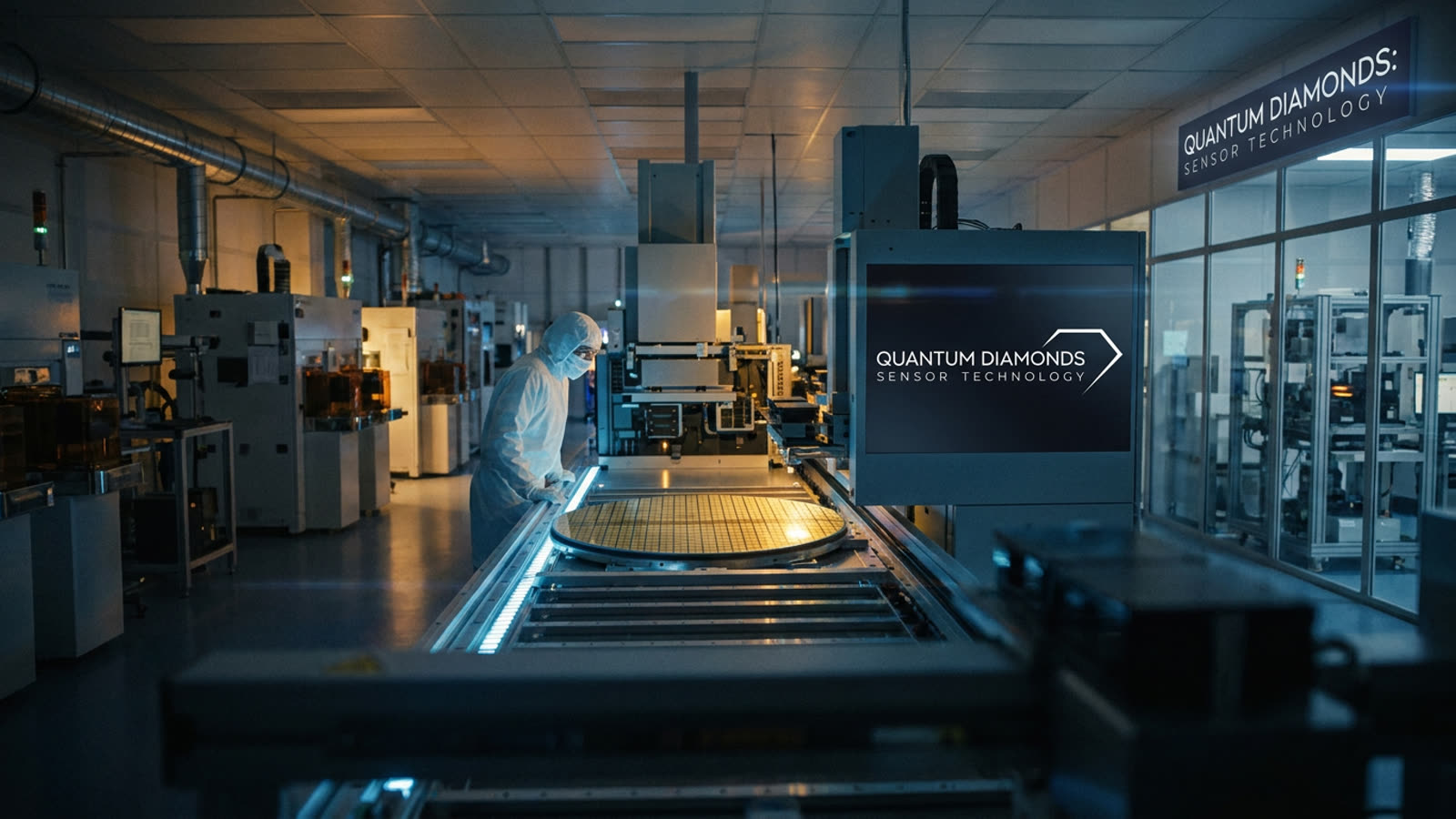
Europe bets on diamond quantum sensors to fix its chip problem. The physics is proven; the economics remain speculative.
A Munich startup's €50 million round signals Brussels is willing to fund exotic solutions to semiconductor dependency, even when commercial viability is years away.

Why farm prices swing wild while factories stay smooth. The cobweb model explains a century-old puzzle.
A simple lag between planting and harvest creates the violent boom-bust cycles that have defined agricultural markets since antiquity.
Your points aren’t free. The credit-card machine quietly redistributes.
Follow the money behind a tap and you’ll see why rewards flourish, prices edge up, and the network stays stubbornly hard to dislodge.
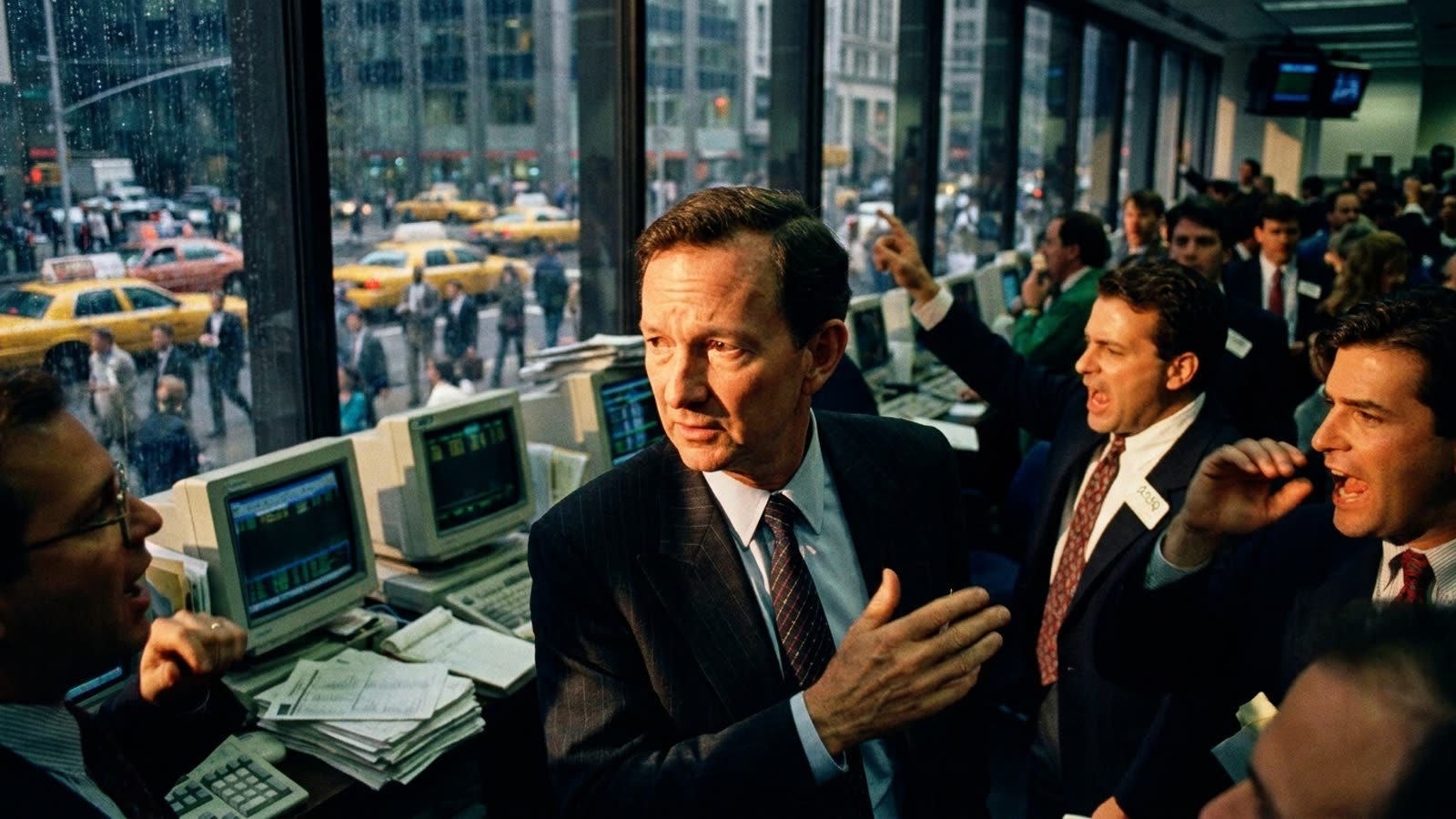
When Genius Broke the Spread. LTCM’s collapse still defines modern risk.
A 1998 hedge fund near-failure showed how leverage, liquidity, and correlation can fuse into a single point of failure—and why the quietest trades are often the loudest risks.
The Algorithm Knows What You'll Pay. How landlords really set your rent.
Behind every lease renewal lies a sophisticated dance of revenue management software, local vacancy rates, and psychological anchoring that most tenants never see.
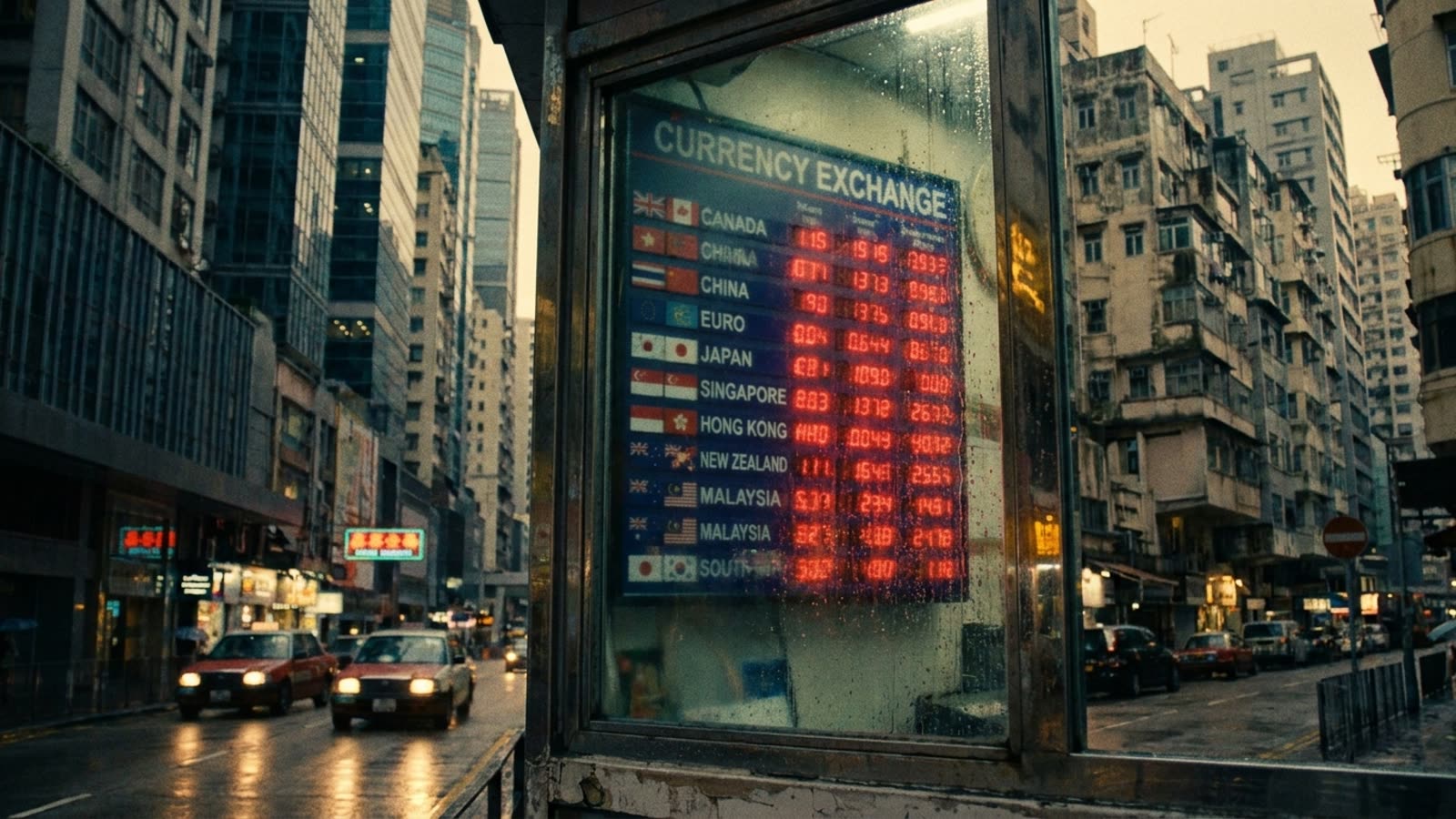
The Currency Board Is the Most Radical Monetary Policy Most People Have Never Heard Of. It Still Works.
By surrendering the power to print money freely, a handful of economies have achieved remarkable price stability—at a cost their citizens understand better than any central banker.

The airline seat next to you cost half what you paid. The economics of dynamic pricing are more ruthless than you think.
How carriers turned ticket pricing into a real-time auction where no two passengers pay the same fare.

Citadel abandons its American lawsuit. The British courts are where it expects to actually collect.
Ken Griffin's fund is betting that UK insolvency law offers sharper teeth against an alleged fraudster than the American civil system ever could.

The economics of self-sabotage. Hyperbolic discounting explains why rational people make irrational choices.
A quirk in how humans perceive time turns pension contributions into present-day torture and explains everything from credit card debt to climate inaction.
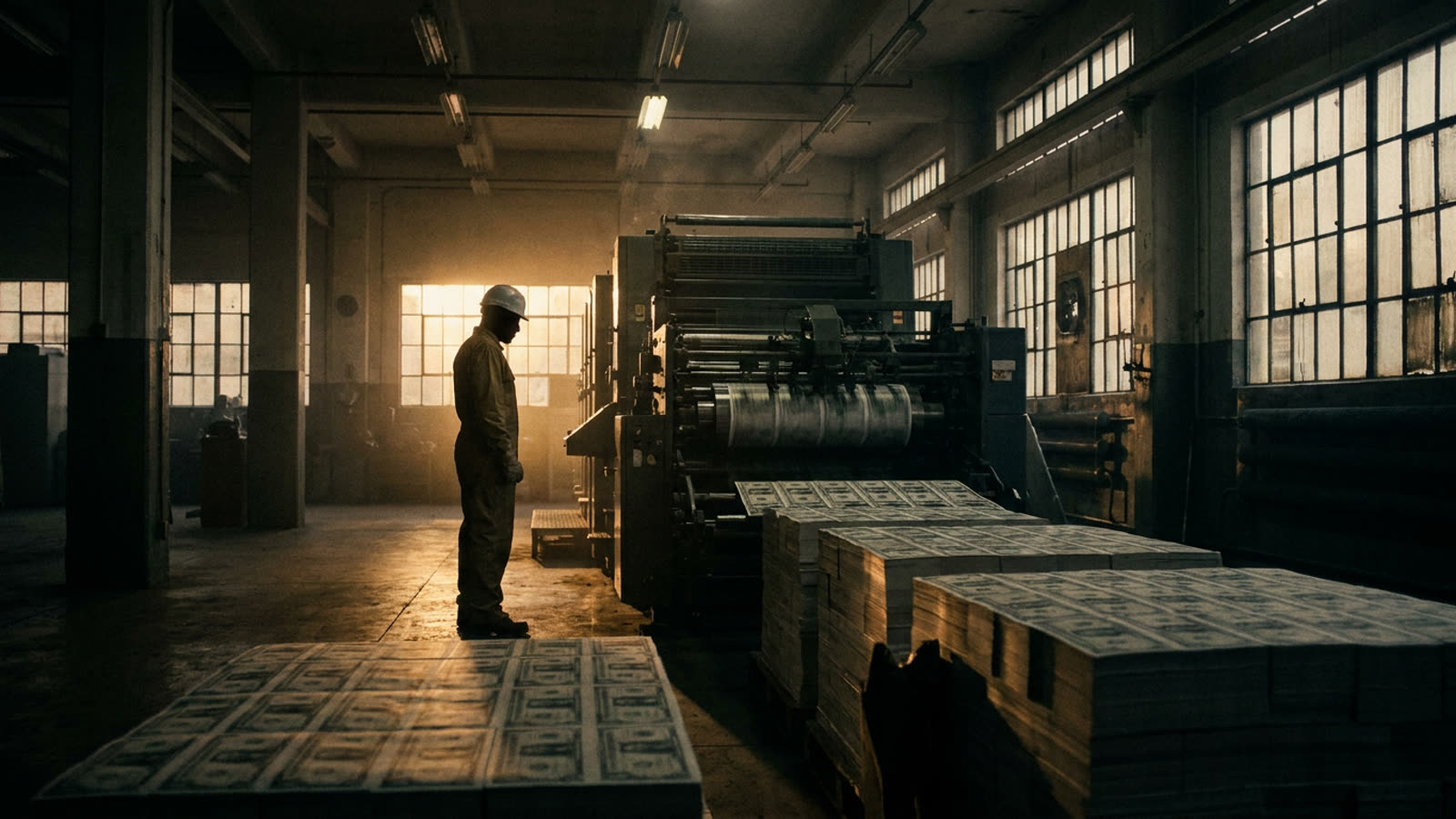
The government's secret profit center: how printing money generates billions. Most taxpayers don't realize they're funding the state through seigniorage.
The ancient practice of profiting from currency creation remains one of the least understood yet most significant revenue sources for modern governments.

New York's office-to-housing gamble hits a structural wall. The city's boldest housing experiment is revealing cracks—literally.
A high-rise emergency evacuation exposes the engineering and financial complexities threatening to derail Manhattan's ambitious plan to convert empty offices into desperately needed apartments.
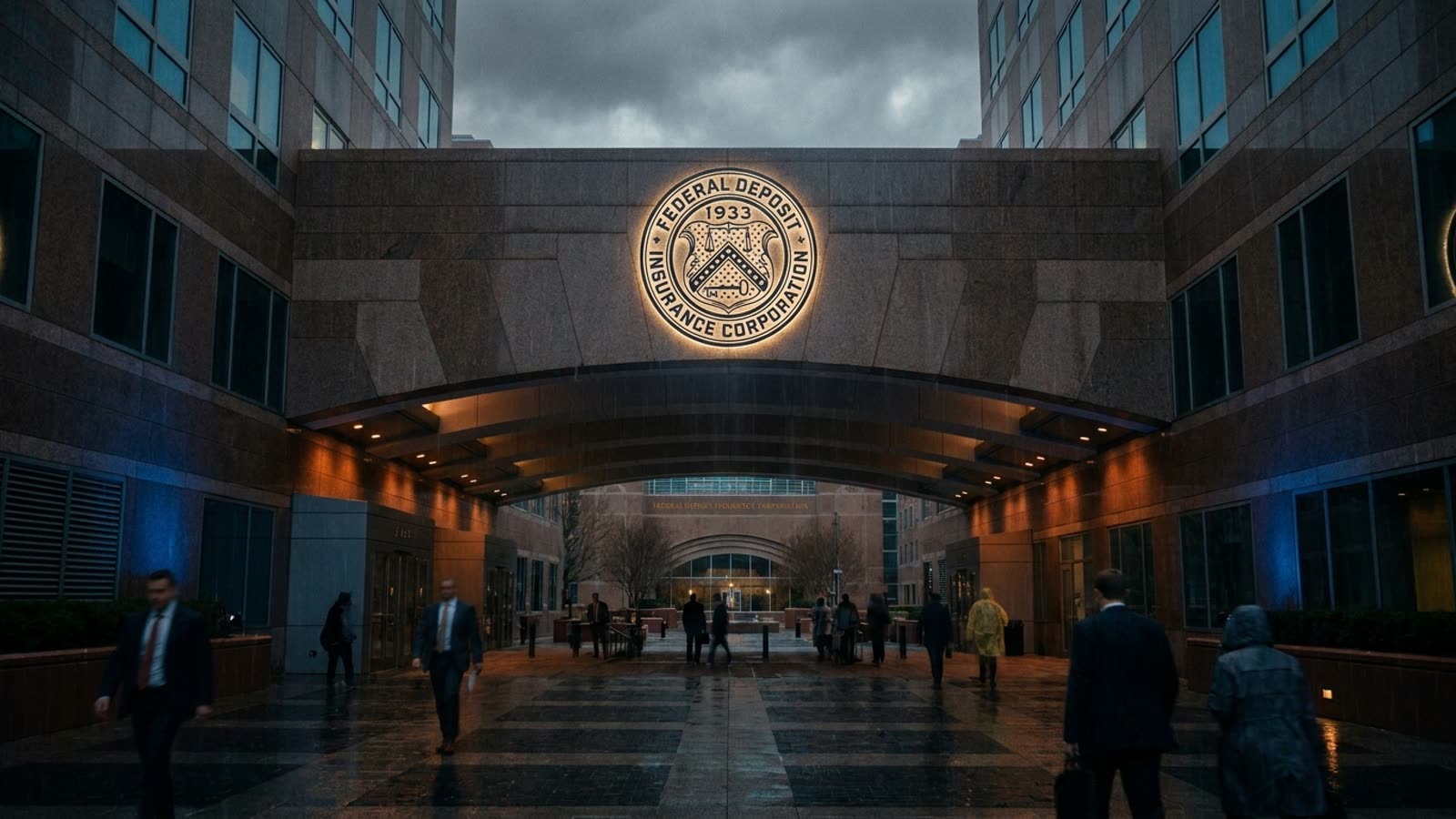
The Quiet Promise That Keeps Banks Standing. Deposit insurance is the financial system's most underrated invention.
Understanding how governments guarantee your savings reveals why modern banking works at all — and why the guarantee's limits matter more than most depositors realize.

The Bank Nobody Knows. It quietly shapes every economy on Earth.
The Bank for International Settlements in Basel has spent nearly a century as the discreet clubhouse where central bankers coordinate the rules of global money — and most people have never heard of it.

The Gini Coefficient Is Everywhere and Almost Nobody Understands It. That's a Problem.
The single number that dominates inequality debates is elegant, useful, and dangerously easy to misread.

The $1 Quadrillion Middleman Nobody Knows. Clearinghouses are the unglamorous reason global finance doesn't collapse every Tuesday.
These obscure institutions guarantee trillions in daily transactions, yet most investors couldn't name one if their portfolio depended on it — which it does.
The velocity of money has collapsed. The textbooks say that should have triggered runaway inflation or deep deflation—yet neither happened.
Why one of economics' most reliable metrics stopped working reveals more about modern finance than a thousand Fed speeches.

The Gulf is burning again. Oil markets are paying attention this time.
Renewed strikes on shipping in the Strait of Hormuz threaten to unravel months of fragile recovery in global energy logistics, sending crude prices sharply higher.

Creative destruction is capitalism's immune system. Most people only notice when it hurts.
Joseph Schumpeter's most famous idea explains why economic progress and economic pain are inseparable—and why politicians who promise otherwise are selling fantasy.

Moral hazard is the invisible subsidy for bad behavior. Understanding it explains half of modern finance.
From bank bailouts to insurance fraud, the concept that rewards recklessness shapes more of economic life than most people realize.

Bad money drives out good. Gresham's Law is the economic principle hiding in your wallet.
The 500-year-old observation about currency debasement explains everything from coin hoarding to cryptocurrency stablecoins.

When Money Becomes Wallpaper. The Physics of Hyperinflation from Weimar to Caracas.
Three historic currency collapses reveal the mathematical certainty of monetary death spirals once trust evaporates.
The economic delusion that refuses to die. Why we keep believing there's a fixed number of jobs.
The lump-of-labor fallacy has shaped policy debates from the Luddites to AI anxiety, yet the economy keeps proving it wrong.
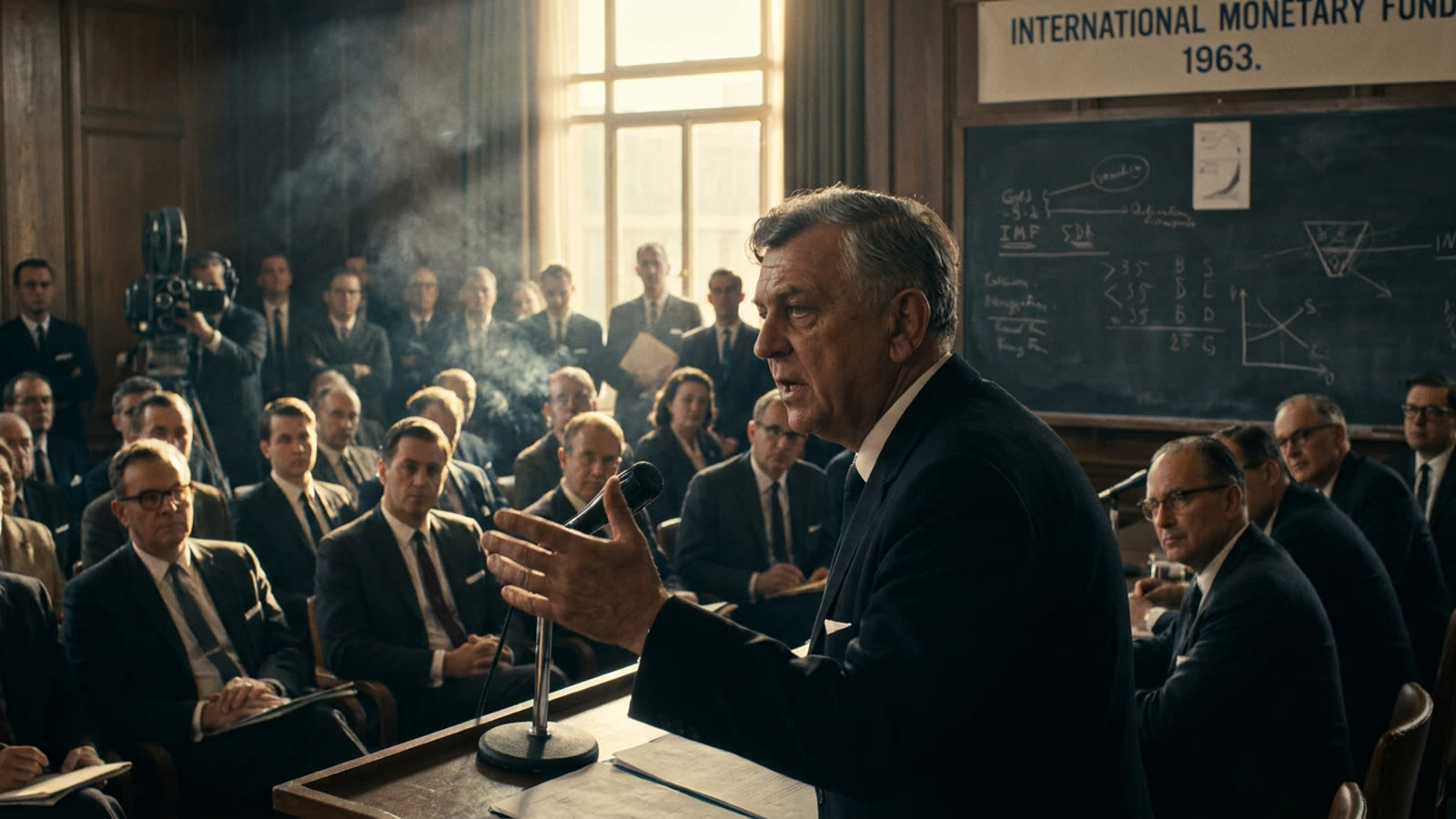
The Triffin Dilemma Is Why America Can't Win. The curse of the world's reserve currency remains unsolved sixty-five years after a Belgian economist diagnosed it.
Robert Triffin warned in 1960 that the country issuing the global reserve currency must run perpetual deficits to supply the world with money — a structural flaw that still haunts the dollar system today.
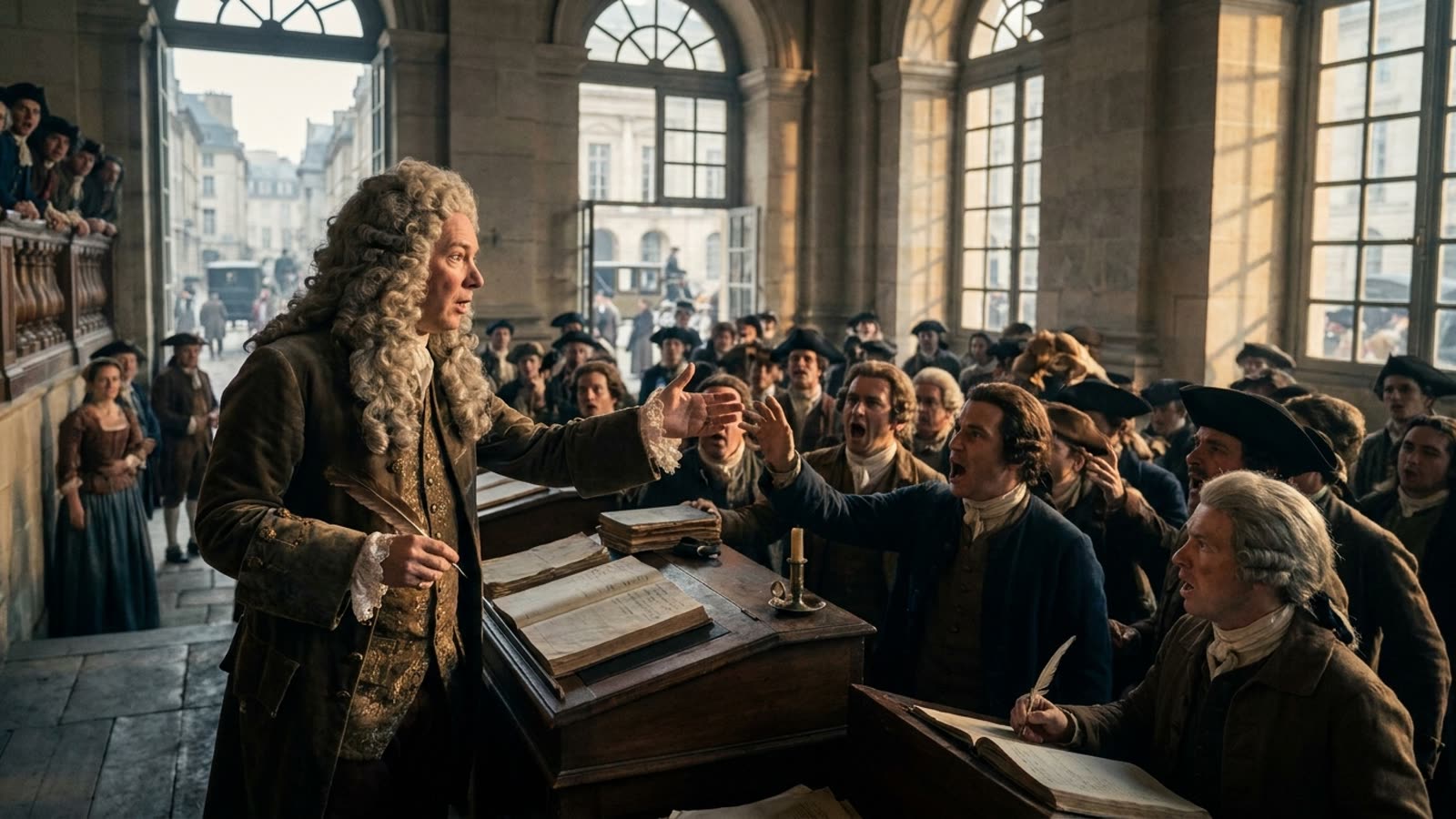
The Cantillon Effect explains why fresh money never lands evenly. Three centuries later, central bankers still pretend otherwise.
An 18th-century Irish-French banker identified the distributional consequences of monetary expansion long before quantitative easing made them impossible to ignore.

The metric is the message. Why Goodhart's Law keeps wrecking dashboards.
Turn a number into a target and people will reroute around it—an old insight that still explains policy misses, bank blowups, and perverse corporate incentives.

The tulip bubble of 1637 was history's first recorded financial mania. Its patterns still haunt modern markets.
Nearly four centuries later, the Dutch flower craze offers surprisingly precise lessons about speculative psychology and market mechanics.

Why Iceland and Jamaica bother printing their own money. The logic of monetary sovereignty in an age of dollar dominance.
Small nations pay steep costs to run independent currencies, yet most refuse to dollarize — the reasons reveal what money actually does.

Why airlines can't just add more flights when demand surges. The answer lies in a constraint economists call the tragedy of the commons, applied to the sky.
Slot scarcity at major airports creates a hidden bottleneck that no amount of capital or consumer demand can solve, turning air travel into a textbook case of rationed access.

The three firms that decide if nations live or die. How S&P, Moody's, and Fitch became the unelected judges of global finance.
From obscure bond raters to sovereign arbiters, the credit agencies wield power that central banks can only dream of.

The trillion-dollar investment clubs nobody talks about. How sovereign wealth funds quietly became the world's most powerful market players.
From Norwegian pensions to Gulf petrodollars, state-owned investment giants now control more wealth than most countries' entire economies.
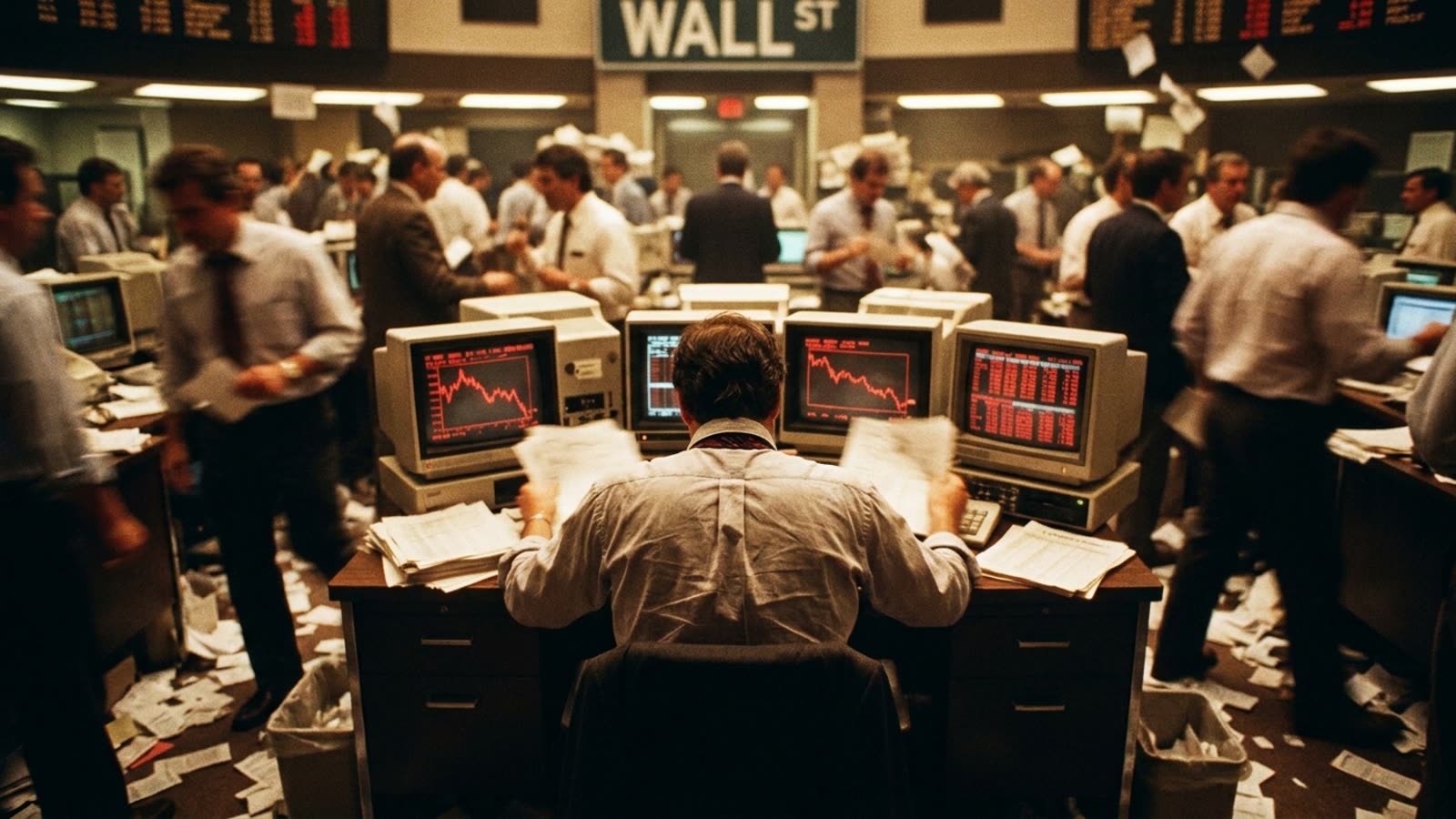
Black Monday was a dress rehearsal for modern panics. The market learned one lesson and forgot the others.
The 1987 crash was not just a bad day; it was a systems failure that still explains how selloffs accelerate and why market plumbing matters more than narratives.
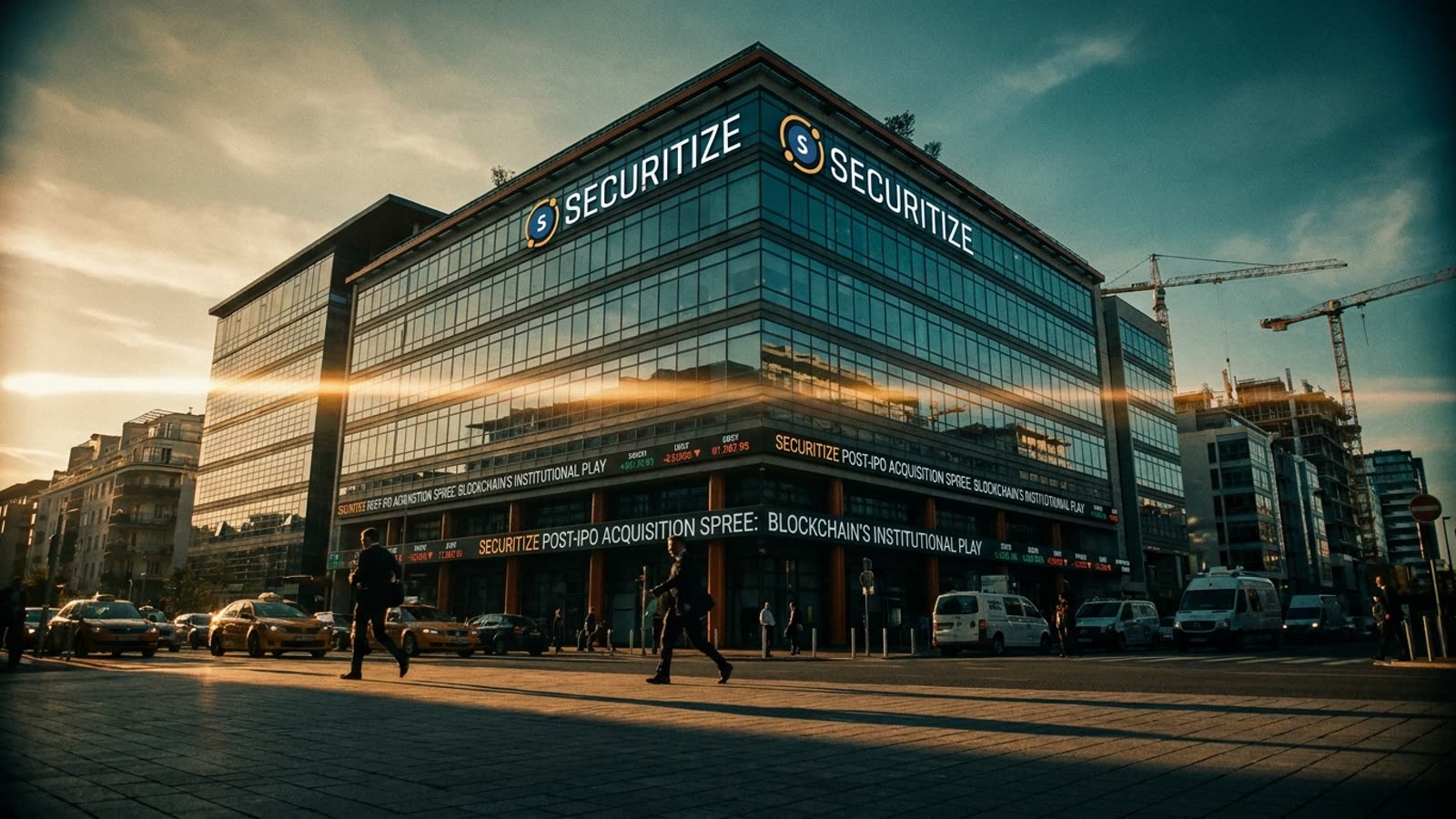
Securitize raised $400 million and went public. Now it wants to buy its way into Wall Street's plumbing.
The tokenized securities firm's post-IPO acquisition spree signals that blockchain-based finance is graduating from crypto curiosity to institutional infrastructure play.

A Fresh Tanker Strike Near Hormuz Reminds Markets What Real Risk Looks Like. Oil Climbs on Cue.
The world's most important oil chokepoint just got another reminder of its fragility, and crude prices responded before anyone could finish their morning coffee.
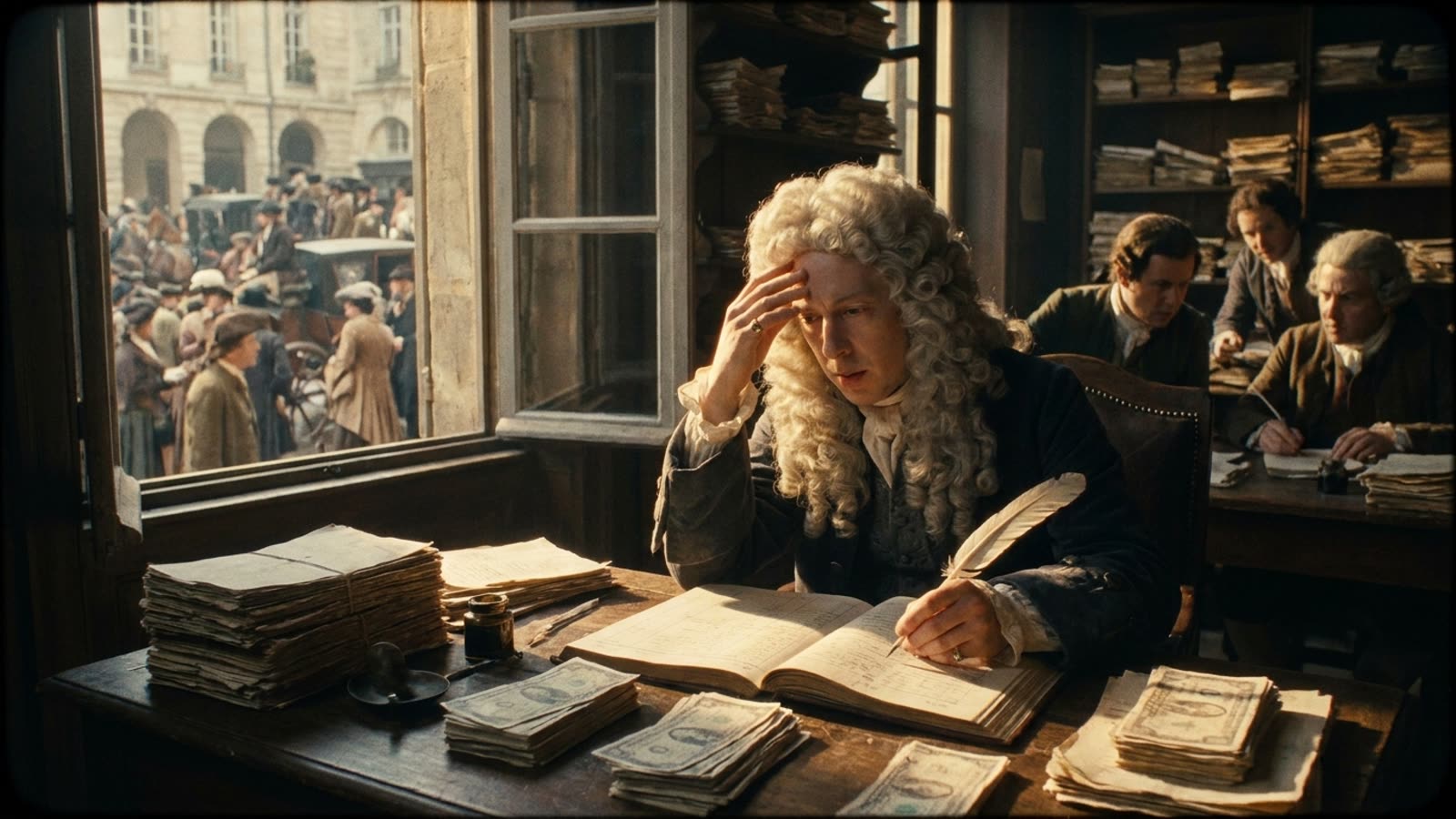
The Scottish gambler who invented modern finance and destroyed France. His ideas still haunt us 300 years later.
John Law's Mississippi Bubble combined paper money, central banking, and stock promotion into history's first modern financial crisis.
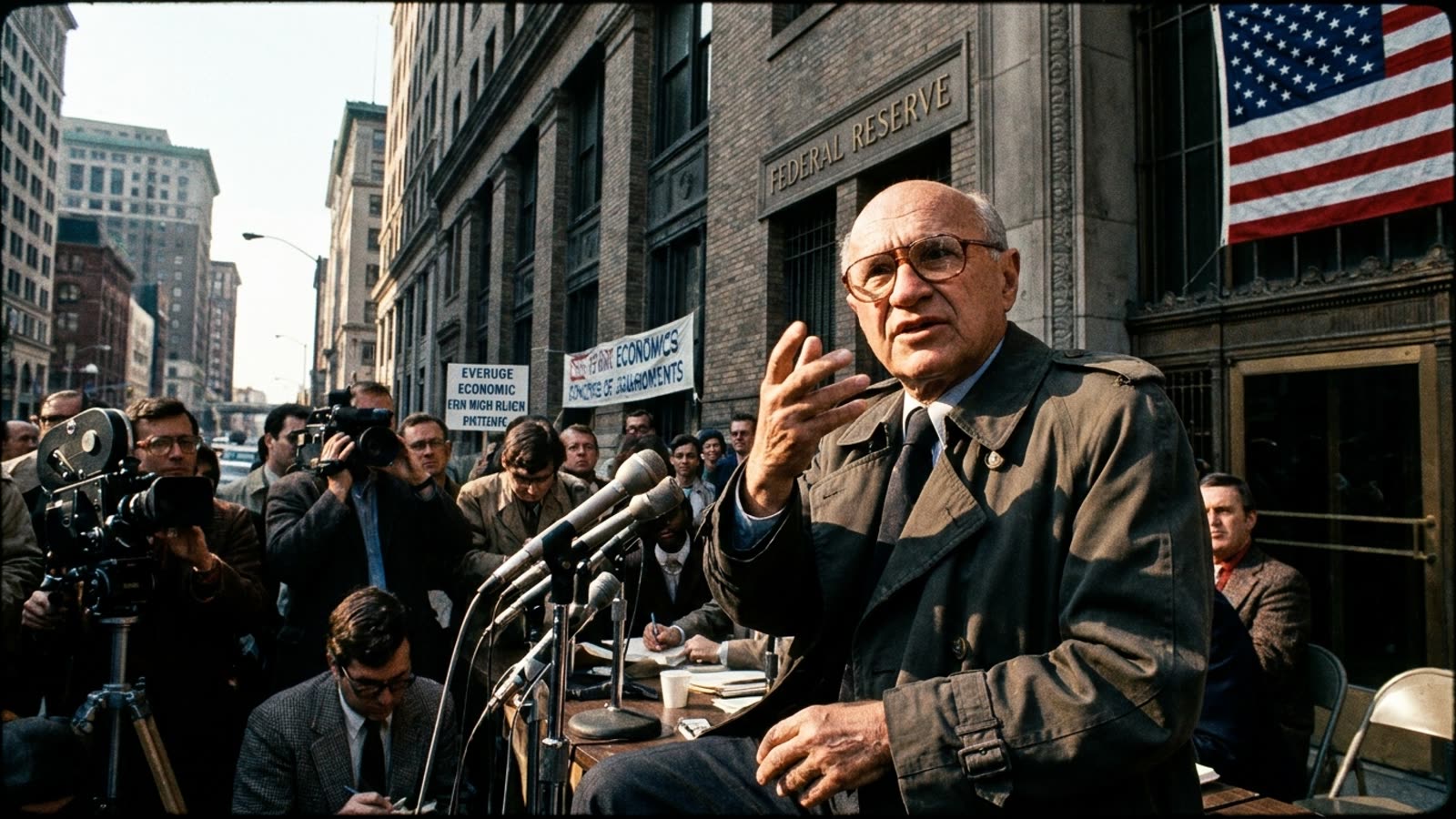
Milton Friedman's radical idea about spending still drives the Fed. Most economists wish it didn't.
The permanent income hypothesis transformed how central banks think about stimulus, but its elegant theory keeps colliding with messy human psychology.