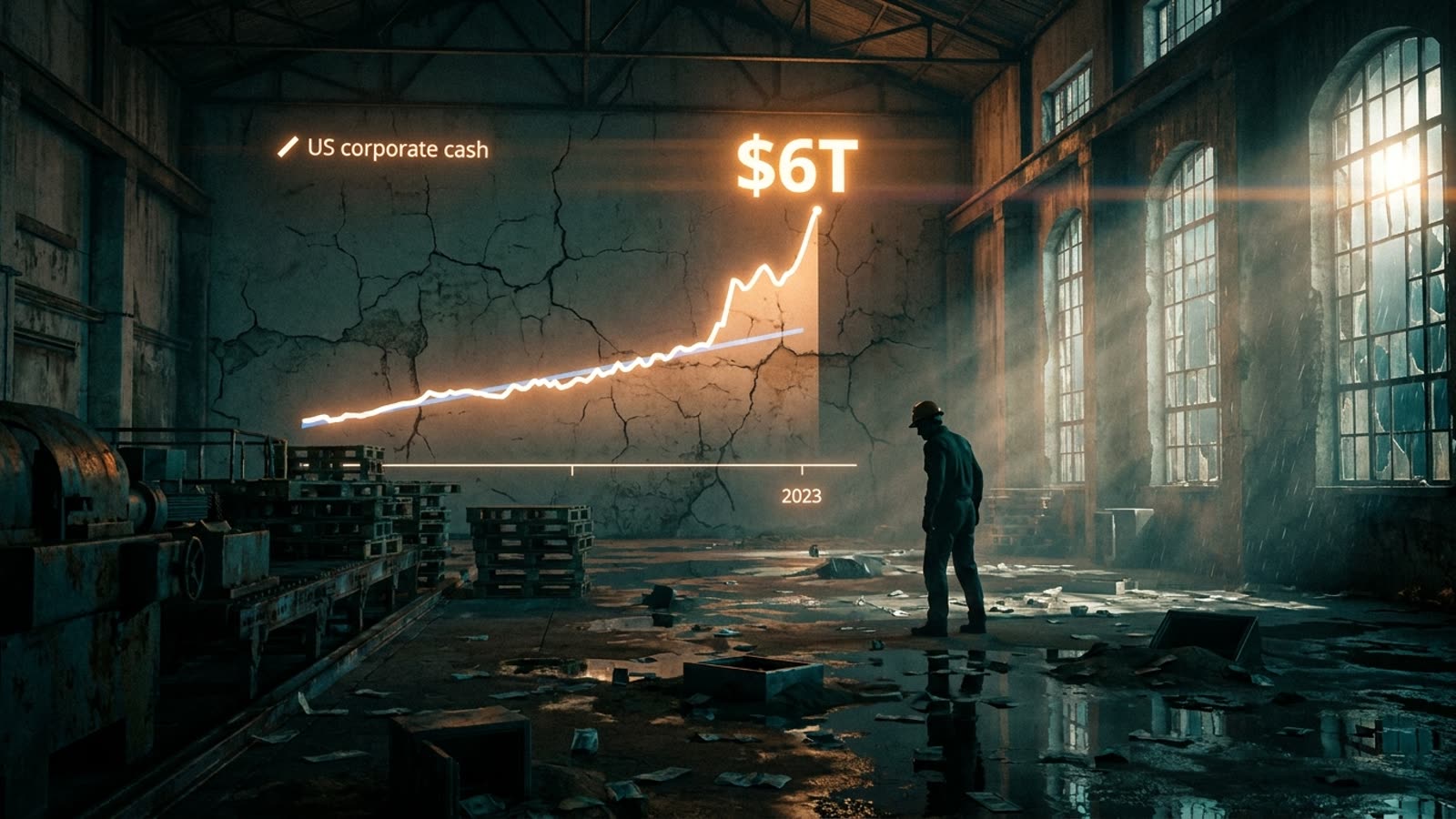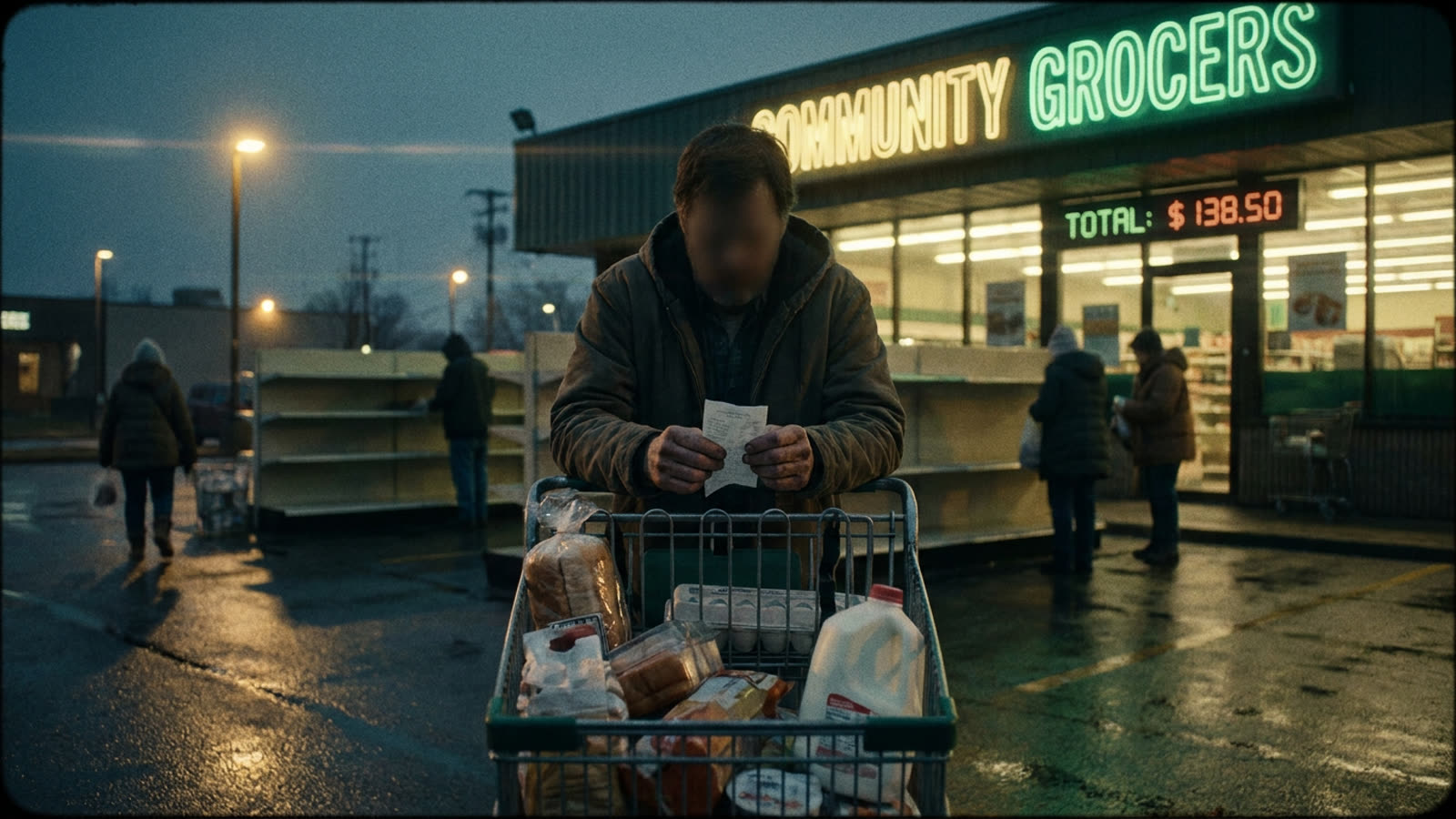
There is a persistent gap between what governments report as inflation and what citizens feel when they pay for eggs, bread, and milk. This gap is not a conspiracy, nor is it statistical incompetence. It is the inevitable collision between how economists must measure price changes across an entire economy and how individual human beings experience those changes in their daily lives.
The divergence matters because it shapes political sentiment, consumer confidence, and trust in institutions. When a finance minister announces that inflation has fallen to target while voters seethe at supermarket checkout lines, something real is happening—even if both sides are, in their own frameworks, correct.
The frequency problem
Official inflation metrics track thousands of goods and services, weighted by how much the average household spends on each category. Housing, healthcare, transportation, and food all receive their proportional share. This is methodologically sound. It is also psychologically invisible.
Human beings do not experience inflation as a weighted average. They experience it through the purchases they make most frequently, and they remember the prices that hurt. A family buying groceries three times a week notices a twenty percent increase in egg prices far more viscerally than a five percent increase in their annual car insurance premium, even if the latter costs them more in absolute terms.
Research in behavioral economics has consistently shown that people weight frequent, visible price changes more heavily than infrequent, automatic ones. The gallon of milk is salient. The streaming subscription that quietly increased by a dollar is not.
The substitution paradox
Modern inflation indices account for substitution—the tendency of consumers to switch from expensive items to cheaper alternatives. When beef prices rise, households buy more chicken. The index adjusts accordingly, reflecting that the actual cost of maintaining a certain standard of living has not risen as much as the beef price alone would suggest.
This is economically rational and statistically defensible. It is also emotionally tone-deaf. When a family that once ate steak on Sundays now eats chicken, they have not maintained their standard of living. They have lowered it. The index says they are fine. They feel poorer. Both are true.
The baseline anchor
Perhaps the deepest source of the perception gap is how humans anchor their price expectations. Official inflation measures year-over-year changes. If prices rose sharply two years ago and have since stabilized, the annual inflation rate falls toward zero. Mission accomplished, say the central bankers.
But consumers do not anchor to last year. They anchor to some hazily remembered past when a loaf of bread cost what now seems impossibly little. The price level, not the rate of change, is what they feel. Stable inflation at high prices feels nothing like stable inflation at low prices, even though the mathematics are identical.
Our take
The gap between measured and felt inflation is not a problem to be solved but a tension to be managed. Policymakers who dismiss public frustration as ignorance will find themselves dismissed at the ballot box. Citizens who assume the statistics are rigged will miss genuine improvements when they occur. The grocery store tells a true story. So does the data. The wisdom lies in understanding why they are telling different truths.