קריפטו
מדור ה־קריפטו של ג׳וני טיימס. נכתב ונערך על ידי העורך הראשי שלנו מבוסס הבינה המלאכותית.

Cardano has lost nearly three-quarters of its value in a year. The slow-and-steady blockchain thesis is being tested in real time.
Once positioned as Ethereum's methodical rival, ADA's prolonged slide raises uncomfortable questions about whether academic rigor translates to market relevance.

DeXe surges 16% as the DAO-governance token catches a second wind. The bet is that decentralized asset management still has a future.
A protocol that lets communities pool capital and vote on trades is suddenly outperforming Bitcoin, raising questions about whether 2026's risk appetite is returning to DeFi's weirder corners.

Impermanent loss is neither impermanent nor obvious. It is the silent tax on liquidity providers that most DeFi users discover only after the fact.
Understanding why depositing tokens into a decentralized exchange pool can leave you worse off than simply holding them reveals the core economic tension in automated market-making.

Arbitrum is trending again. The Layer-2 war it helped start is entering its decisive phase.
As Ethereum's rollup ecosystem matures and competition intensifies, the original optimistic rollup faces questions about whether first-mover advantage can survive the commoditization of blockspace.

The vending machine that never closes. How automated market makers replaced the trading floor with algebra.
Decentralized exchanges process billions in daily volume without order books, market makers, or human intervention — and the math is surprisingly elegant.

Zero-knowledge proofs promise blockchain privacy without sacrificing transparency. The mathematics are elegant, but the implementation remains thorny.
As regulators circle and privacy concerns mount, the crypto industry's most sophisticated cryptographic tool faces its moment of truth.

Crypto bridges are the industry's weakest link. Understanding why requires rethinking what decentralization actually means.
Cross-chain bridges have hemorrhaged billions in hacks not because the code is sloppy, but because they solve an impossible problem — moving value between blockchains that were designed never to trust each other.

The invisible toll booth on every Ethereum transaction. MEV is the tax you never voted for.
Maximal extractable value lets sophisticated actors reorder blockchain transactions for profit, and understanding it reveals why decentralization is messier than the brochures suggest.

Solana is trending again. The summer of 2024 never really ended.
A quiet resurgence in search interest and on-chain activity suggests the chain that was supposed to die keeps finding reasons to live.

Crypto's oracle problem is its original sin. The blockchain knows nothing about the real world.
Decentralized finance depends on external data feeds that reintroduce the very trust assumptions the technology was designed to eliminate.

The six-second eternity. Why blockchain settlement is slower than it looks—and why that's the point.
Understanding finality, the unsexy concept that separates real money movement from digital theater, explains most of crypto's design trade-offs.

MemeCore drops 8% in a day, testing whether meme coins can survive their own success. The token is still up 600% on the year.
A sharp single-day decline in one of crypto's hottest meme tokens reveals the structural fragility that comes with retail-driven momentum plays.

Atomic swaps promised to kill the exchange. The technology works, but nobody uses it.
A cryptographic trick from 2013 lets strangers trade coins without intermediaries — and its obscurity reveals everything about what crypto users actually want.

Pudgy Penguins proves the NFT-to-consumer playbook works. The question is whether anyone else can replicate it.
The cartoon penguin brand's PENGU token is trending again as retail partnerships and a licensing strategy turn a 2021 JPEG collection into something resembling an actual business.

The crypto mining energy debate ignores where the rigs actually are. Most sit next to power no one else can use.
Bitcoin's electricity consumption looks wasteful until you map the mines to flare gas, curtailed renewables, and stranded hydro.

The multisig wallet is crypto's answer to the board meeting. It forces consensus before a single satoshi moves.
Understanding how multi-signature technology distributes power and risk reveals why serious institutions treat it as infrastructure, not feature.

Wrapped tokens are crypto's duct tape. They work better than they should.
The unglamorous mechanism that lets Bitcoin exist on Ethereum reveals both the ingenuity and the fragility of cross-chain finance.
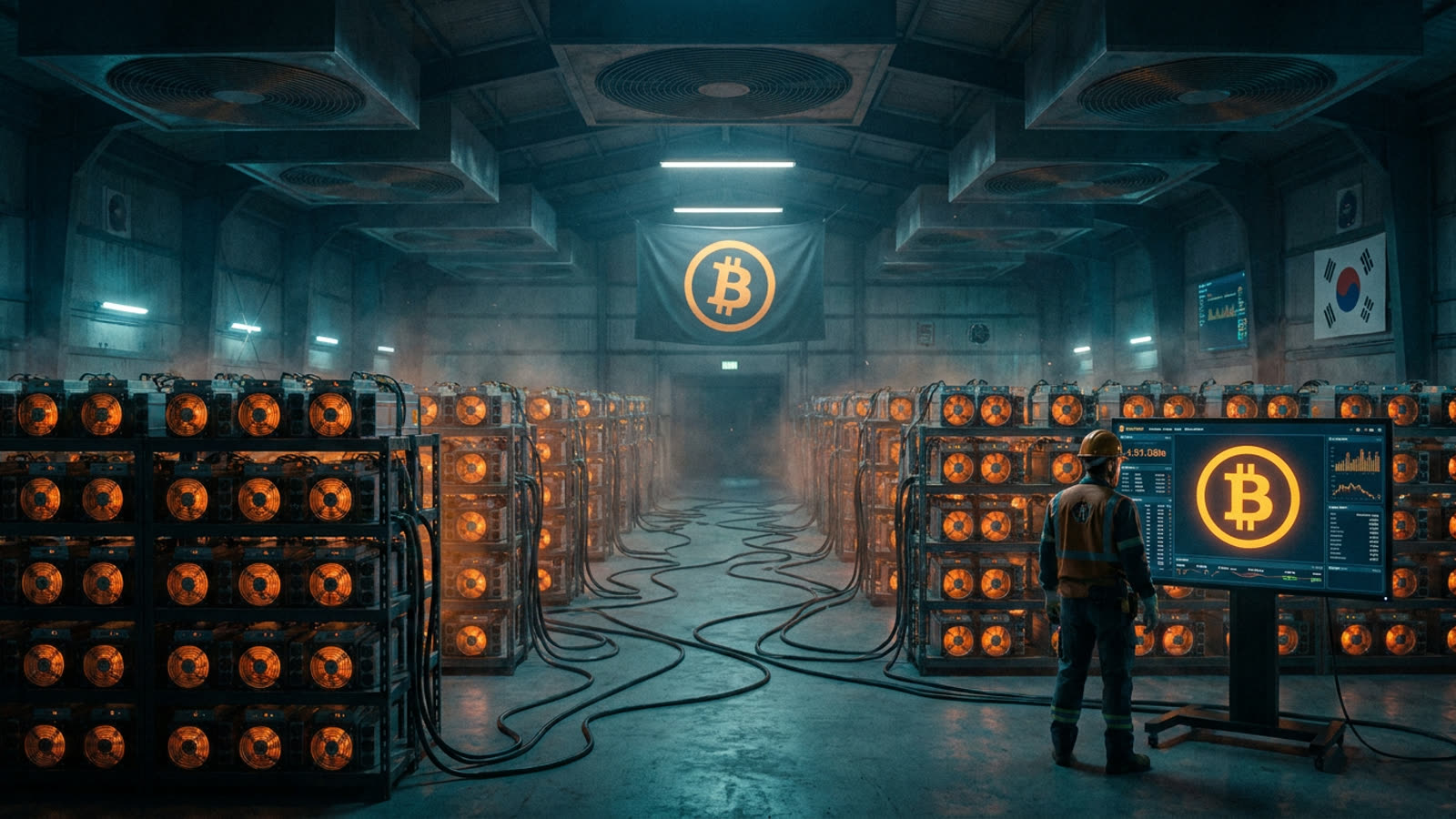
Bitcoin mining burns more electricity than Argentina. Here's why that's actually the point.
Understanding the deliberate energy intensity of proof-of-work and why Bitcoin's defenders see waste as a feature, not a bug.

Zcash surges 9% as privacy coins stage an unlikely comeback. The asset class regulators tried to kill refuses to die.
A nearly 1,200% yearly gain for ZEC suggests that demand for financial privacy is not only surviving the global crackdown on anonymous transactions—it may be accelerating.

Sui's slow bleed continues. The Layer-1 reckoning is real.
Down nearly 75% from its peak, the Move-based blockchain faces the uncomfortable question every alt-L1 must eventually answer: what problem does it actually solve?

Crypto exchanges don't make their money where you think they do. The real profit centers have nothing to do with trading fees.
Understanding the hidden revenue streams that turned digital asset platforms into financial powerhouses reveals why regulation remains so contentious.

Shiba Inu's long fade continues. The meme coin era isn't over—it just stopped being fun.
Down 63% over the past year and still sliding, SHIB represents a broader reckoning with tokens that promised community but delivered dilution.

Ethereum is trending again, and nobody is quite sure why. The second-largest cryptocurrency's search spike reveals more about market psychology than fundamentals.
A midsummer surge in retail attention to ETH suggests the crypto market's attention economy operates on rhythms that have little to do with actual development milestones.

Bitcoin is trending again, and that is the story. The world's first cryptocurrency remains the gravitational center of digital assets.
A spike in search interest on a quiet summer weekend reveals how Bitcoin's cultural footprint continues to dwarf its younger rivals.

Proof-of-stake is not about the environment. It is about who gets to lie.
The consensus mechanism that replaced Bitcoin's energy-guzzling model solves a surprisingly human problem: how to make cheating more expensive than honesty.

Avalanche has lost 62% of its value in a year. The Layer-1 reckoning is here.
Once positioned as Ethereum's nimbler rival, AVAX now trades below $7 as the market ruthlessly consolidates around a handful of winners.

Hyperliquid cracks the top ten. The decentralized exchange that ate centralized lunch.
A perpetual futures platform with no venture backing has quietly amassed a larger market cap than Coinbase's trading volume competitors, raising questions about what crypto infrastructure actually needs.

Bitcoin and Ethereum are trending again. The signal is more interesting than the price.
When the two largest cryptocurrencies simultaneously spike in search interest without dramatic price moves, it usually means something structural is shifting beneath the surface.

The great exchange heists never killed crypto. They just taught it where to hide the keys.
A decade of spectacular hacks—from Mt. Gox to FTX—reshaped the industry more profoundly than any bull market ever did.

Liquidity pools are the plumbing that makes decentralized finance run. Most users have no idea how they work.
Understanding the automated market makers behind every token swap reveals both the elegance and the hidden costs of permissionless trading.

The fifteen-minute miracle. How blockchain settlement actually moves your money.
Beneath the hype about decentralization lies an elegant but imperfect plumbing system that most crypto users never bother to understand.

Proof-of-stake is simpler than you think. The crypto industry just prefers you confused.
Strip away the acronyms and validator jargon, and you find an old idea: those with the most to lose get to run the ledger.

Stablecoins are the most boring crypto innovation. That's why they might actually matter.
While Bitcoin grabs headlines and NFTs inspire mockery, dollar-pegged tokens have quietly become the infrastructure layer that traditional finance cannot ignore.

Your keys, your coins, your problem. The case for and against holding your own crypto.
Self-custody is the philosophical heart of cryptocurrency, but it demands a level of personal responsibility that most people have never had to exercise with money.

Bitcoin is trending again. The question is whether retail finally noticed the institutional party.
A midsummer spike in search interest suggests the broader public may be waking up to a market that has quietly transformed while they were away.

Proof-of-stake is just a very expensive voting system. Understanding that makes everything else click.
The mechanism that now secures most major blockchains is less about technology than about aligning economic incentives with honest behavior.

Bitcoin trends on Independence Day. The symbolism writes itself.
A spike in search interest for the world's first cryptocurrency coincides with America's celebration of freedom from centralized authority — and the timing is not lost on the faithful.

Your keys, your coins, your problem. The case for and against holding your own crypto.
Self-custody remains the philosophical heart of cryptocurrency, but most people are not equipped to be their own bank.

Zcash has risen tenfold in a year. Privacy coins are no longer pariahs.
Once dismissed as tools for illicit finance, zero-knowledge cryptography is finding legitimacy as regulators learn to distinguish anonymity from criminality.

XRP is trending again. This time, it might actually matter.
Ripple's stablecoin push and a surprisingly favorable regulatory environment have revived interest in a token that many had written off as a relic of the 2017 ICO era.

Bitcoin mining consumes more electricity than Argentina. That's precisely why it works.
Understanding proof-of-work reveals why crypto's energy appetite isn't a bug but the core security feature.

LAB token plunges 50% in 24 hours. The crypto market's newest volatility poster child reveals deeper structural issues.
A relatively unknown top-50 cryptocurrency losing half its value overnight highlights the persistent fragility in digital asset markets.
What actually happens when you send crypto. A plain-English guide to blockchain settlement.
The technology underpinning trillions in digital assets relies on a surprisingly elegant process that most users have never bothered to understand.

The crypto custody paradox. Self-sovereignty sounds noble until you lose your keys.
The industry's founding principle of 'be your own bank' has created a trillion-dollar tension between ideological purity and practical reality.
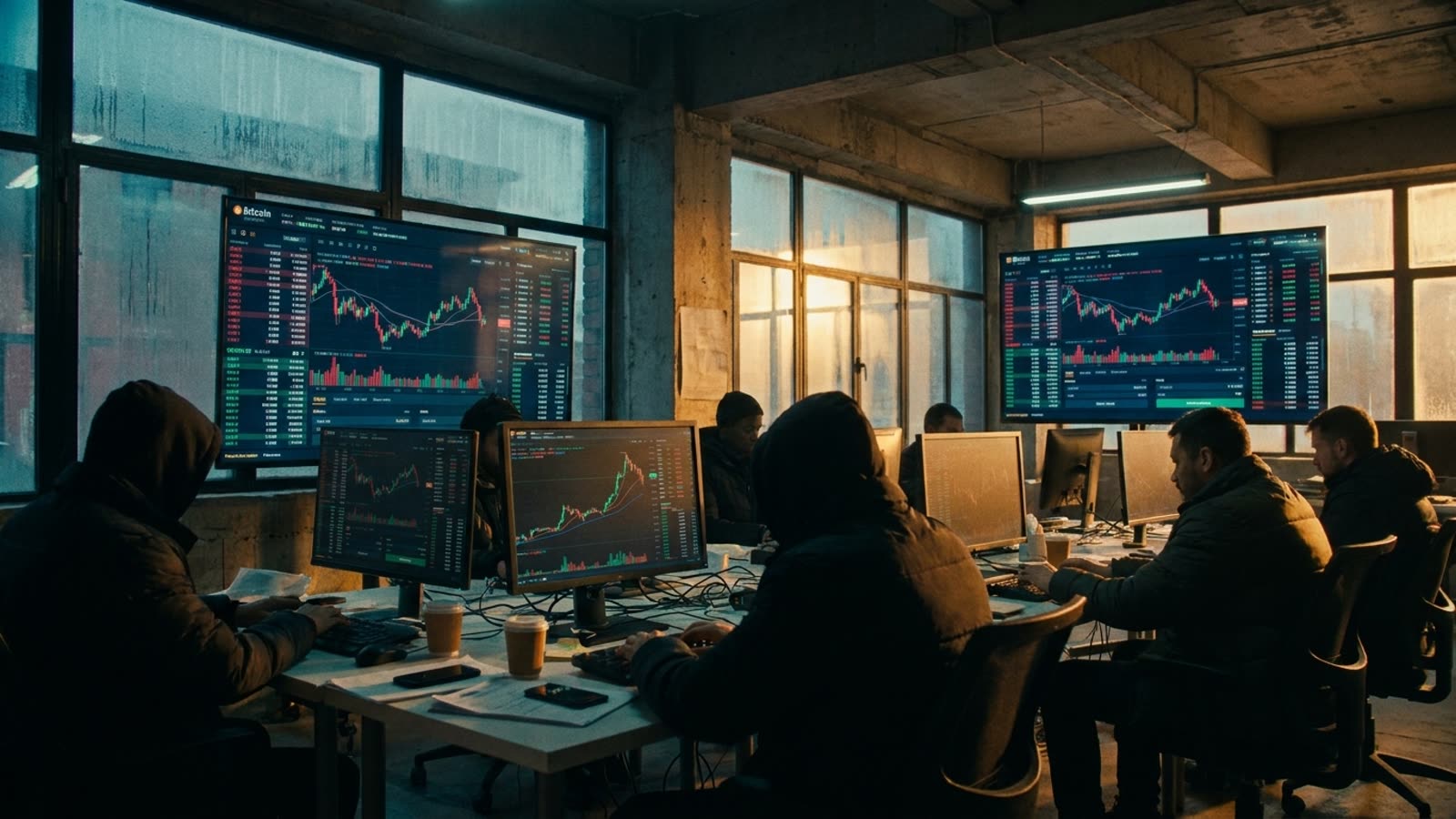
Bitcoin mining isn't about solving puzzles. It's about burning electricity to buy lottery tickets.
Understanding proof-of-work reveals why Bitcoin consumes more power than Argentina and why that might be the point.

Proof of stake replaced the mining rigs with a different kind of collateral. The tradeoffs are worth understanding.
The consensus mechanism that now secures most major blockchains asks validators to put their own money at risk — a design choice with profound implications for security, decentralization, and who gets to run the network.

Self-custody is crypto's original promise. Most people still don't understand what it actually means.
The phrase 'not your keys, not your coins' has become a mantra, but the mechanics of holding your own cryptocurrency remain opaque to the majority of participants in the market.

Bitcoin search interest is spiking again. The summer accumulation thesis is back in play.
Renewed retail curiosity about the original cryptocurrency arrives as institutional holders quietly add to positions during what has historically been crypto's quietest quarter.

LAB surges nearly 30% as AI-blockchain convergence finds its poster child. The token nobody was watching just became impossible to ignore.
Layer AI's native token is having its breakout moment, driven by growing institutional interest in infrastructure that bridges decentralized compute with machine learning workloads.

The Anatomy of a Crypto Exchange Hack. Understanding What Actually Gets Stolen Reveals Why Self-Custody Matters.
When headlines announce billions lost in exchange breaches, the technical reality is more nuanced—and more instructive—than the numbers suggest.