The most telling indicator of where the Iran-Israel confrontation is actually headed isn't coming from diplomatic back-channels or intelligence assessments—it's the price of Brent crude, which slumped to seven-week lows on Monday as both sides quietly stepped back from the brink.
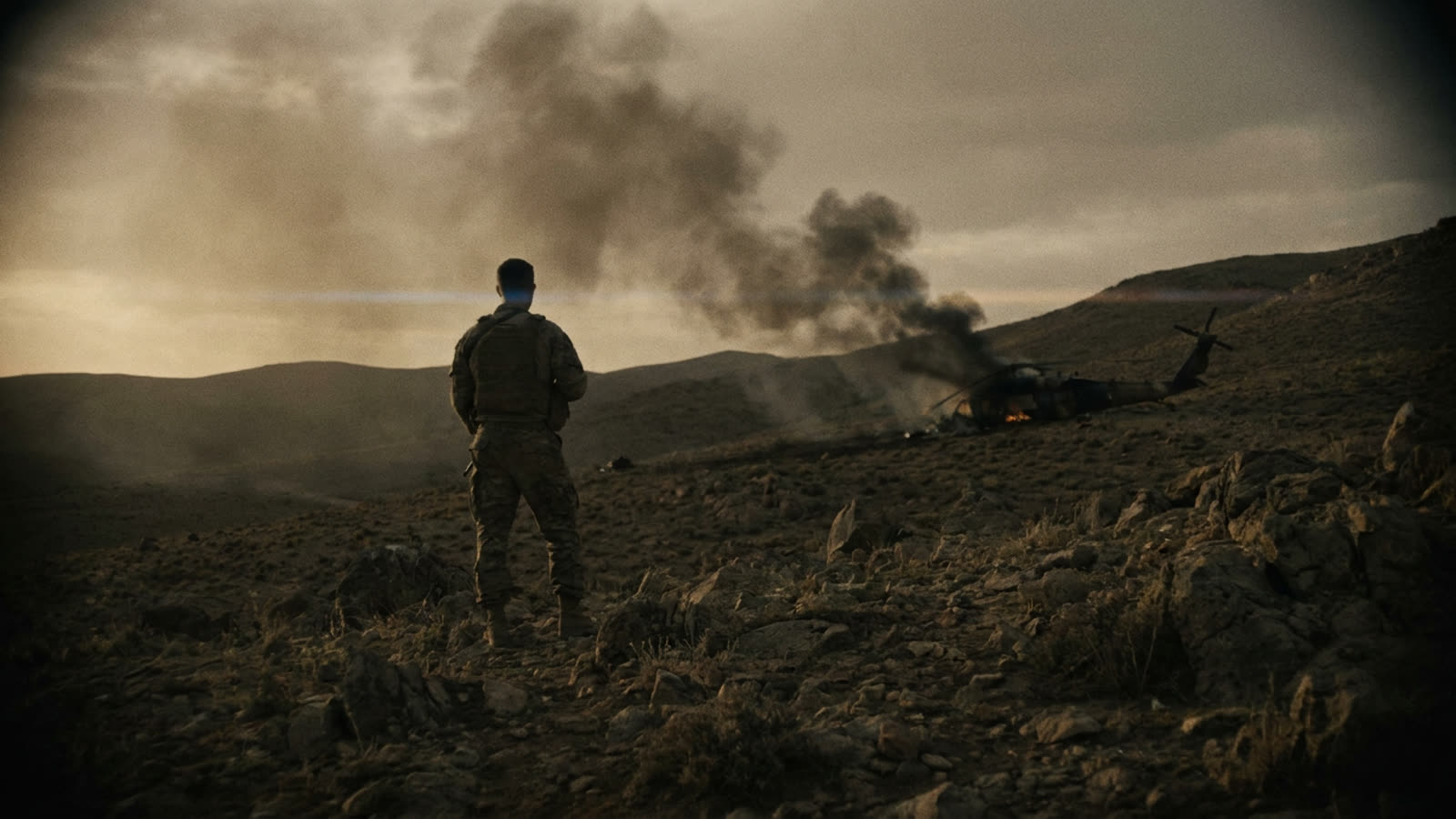
While headlines remain dominated by President Trump's vows of retaliation for the downed Apache helicopter and Tehran's defiant rhetoric, oil traders have reached their own verdict: this particular crisis is winding down, not escalating. The disconnect between political theater and market reality has rarely been so stark.
The price signal
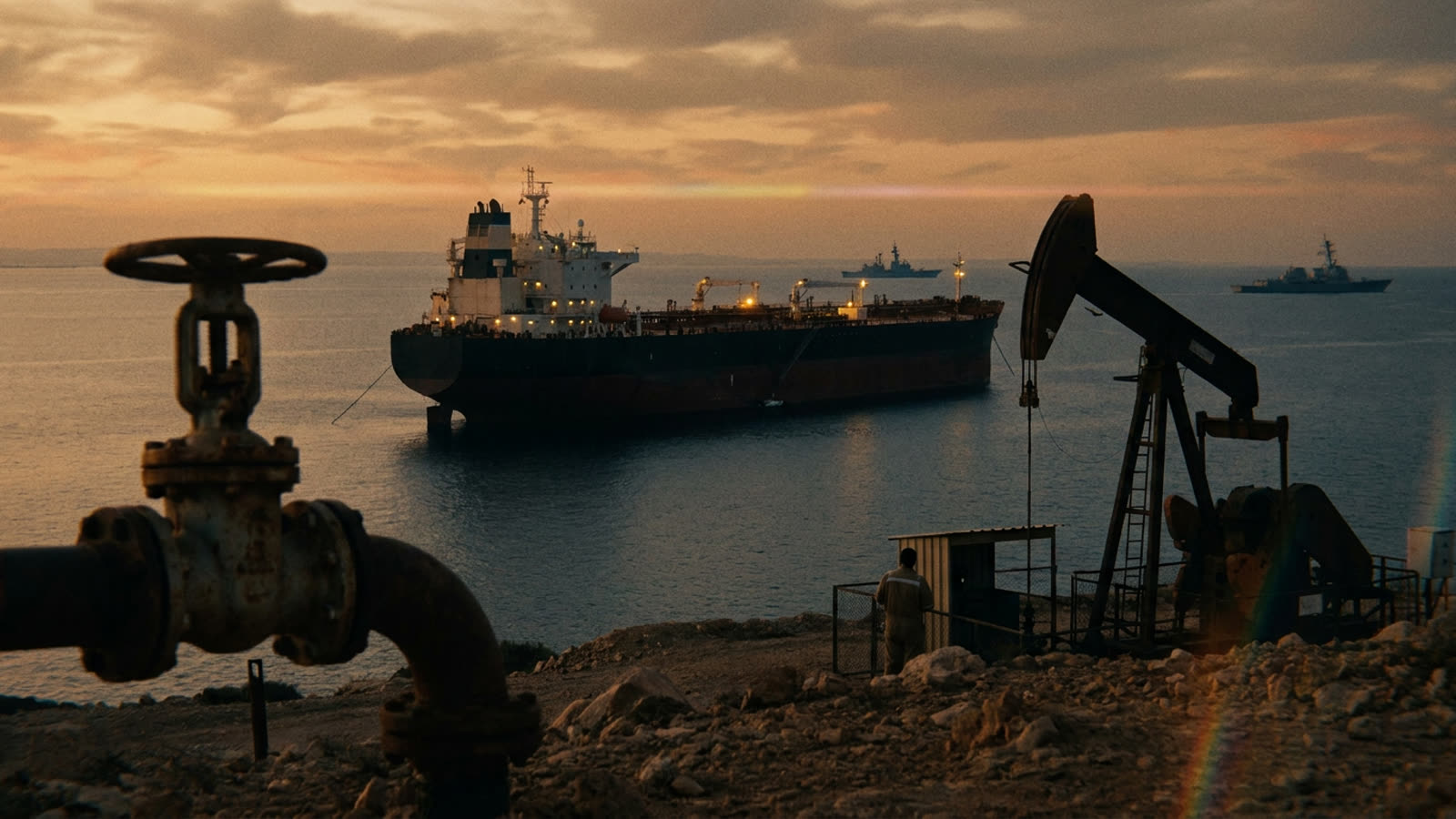
Brent crude fell below $74 per barrel on Monday, its lowest point since late April, even as the White House continued to promise a forceful American response to the helicopter incident. West Texas Intermediate followed suit, dipping under $70. For a region supposedly on the edge of major conflict, the commodity most sensitive to Gulf instability is behaving remarkably placidly.
The explanation lies in what's actually happening versus what's being said. Israeli strikes on Iranian nuclear facilities have paused. Tehran's proxy networks have gone quiet. The Strait of Hormuz, which handles roughly 20 percent of global oil transit, remains open and unmolested. Traders, who lose real money when they're wrong, have concluded that both governments are looking for off-ramps rather than escalation ladders.
The logic of mutual restraint
Neither Iran nor Israel can afford a full-scale war, and both know it. Tehran's economy remains crippled by sanctions; a genuine military confrontation with the United States would be regime-threatening. Israel, meanwhile, faces the limits of what airpower alone can achieve against a dispersed nuclear program—and the domestic political costs of a prolonged conflict.
The helicopter shootdown, while provocative, fits a familiar pattern: calibrated aggression designed to demonstrate capability without triggering uncontrollable escalation. Iran gets to show it can strike American assets; Washington gets to threaten consequences; everyone steps back before the next rung of the ladder.
What the market knows
Oil traders have seen this script before. The 2019 attacks on Saudi Aramco facilities, the January 2020 killing of Qassem Soleimani, countless exchanges of fire between Israel and Hezbollah—each produced apocalyptic headlines followed by de-escalation. The market has learned to discount the rhetoric and watch the actions.
That doesn't mean complacency is warranted. Miscalculation remains possible, and the underlying tensions haven't disappeared. But the seven-week low in crude prices represents a collective judgment by people with money on the line: the war everyone keeps predicting isn't the war anyone actually wants.
Our take
Politicians on all sides have incentives to sound tough; traders have incentives to be right. When those two groups reach opposite conclusions, the smart money is usually on the money. The Iran-Israel standoff remains dangerous, but the oil market's verdict—that this is theater trending toward stalemate, not prelude to regional conflagration—deserves more attention than it's getting. Sometimes the most important diplomatic signals come from commodity pits, not press conferences.