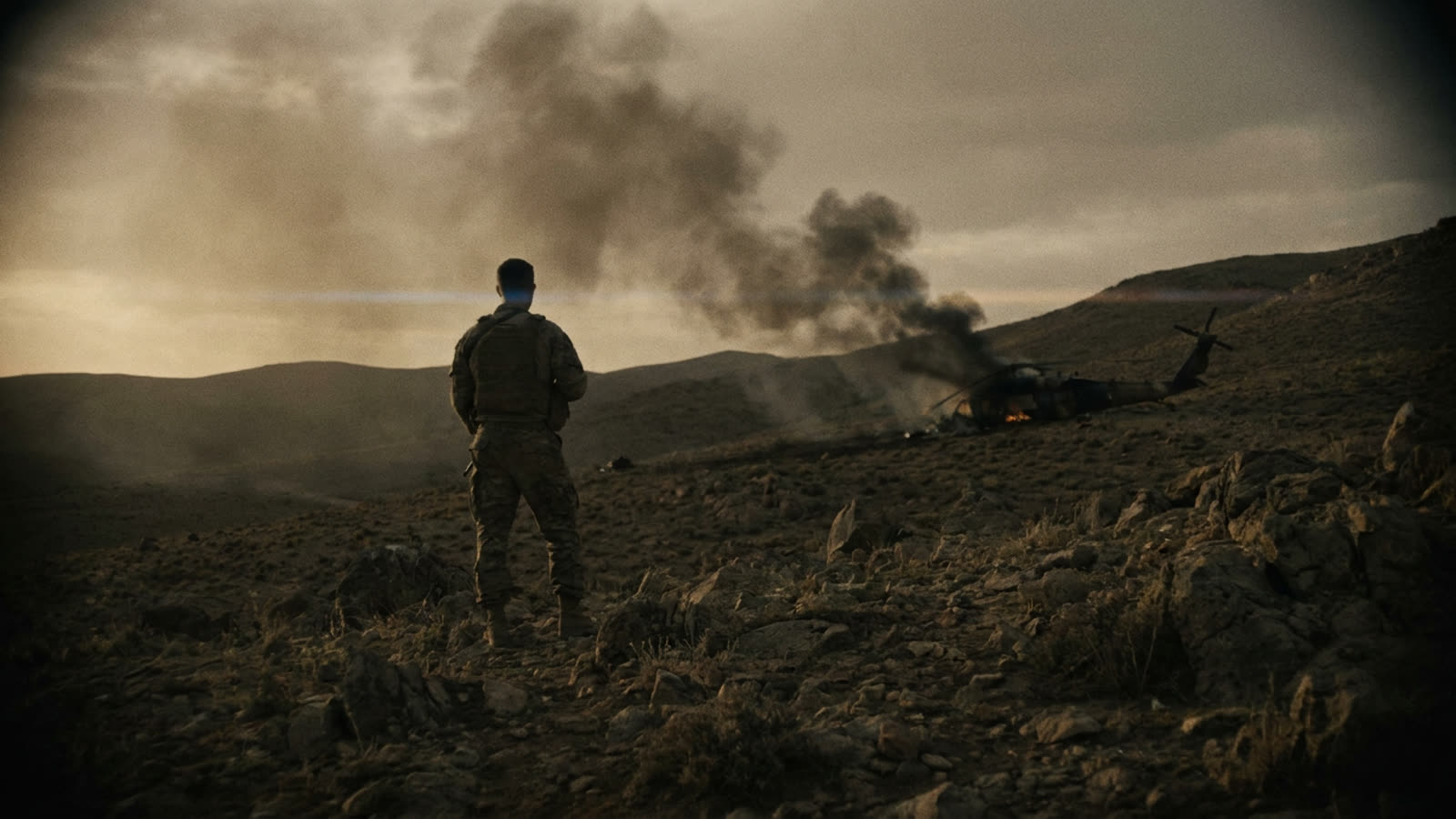
The downing of an American Apache helicopter by Iranian forces marks the first direct kinetic engagement between the two militaries in this conflict—and President Trump's response suggests the administration is still improvising.
Trump announced the incident from the White House, confirming both pilots survived after rescue by a drone vessel. His language was characteristically bellicose: the United States "must react," Iran will face consequences. What those consequences might be, he did not say. That ambiguity is the problem.
The credibility gap widens
This administration has spent months oscillating between maximum pressure rhetoric and behind-the-scenes dealmaking. Trump has simultaneously threatened Iran with devastating force and pursued negotiations that critics in his own party dismiss as naive. When an adversary shoots down your aircraft and you promise retaliation without delivering specifics, you invite the worst possible interpretation: that American threats are theatrical.
The helicopter incident arrives at a particularly awkward moment. Oil prices actually fell following the news, dropping to seven-week lows as markets bet that neither side wants genuine escalation. Traders, apparently, have learned to discount Trump's vows.
Israel's parallel gambit
Israel's brief strike campaign against Iranian targets—undertaken despite Trump's pressure for restraint—has complicated the picture further. Netanyahu's government appears to be positioning itself to influence any eventual peace terms, unwilling to let Washington negotiate on its behalf. The result is a three-way dynamic where American, Israeli, and Iranian interests align only in wanting to avoid full-scale war, while diverging on everything else.
The administration now faces a genuine dilemma. Proportional retaliation risks further escalation. No retaliation confirms that American red lines are suggestions. A calibrated response—perhaps targeting Iranian proxy assets rather than Iranian soil—might thread the needle, but requires the kind of strategic patience this White House has rarely demonstrated.
Our take
The pilots are safe, which matters more than anything else in the immediate term. But the incident exposes a structural problem in American Iran policy: you cannot simultaneously negotiate and threaten credibly. Markets have noticed. Tehran has noticed. At some point, the administration will need to choose a lane—or have the choice made for it by events.