The simultaneous announcement of sanctions by four Western democracies against Israeli settlers accused of violence in the West Bank represents something more significant than the penalties themselves: a coordinated diplomatic maneuver that deliberately excludes the United States.
Britain, Canada, France, and Norway—all historically reliable partners of both Israel and Washington—chose to act together on Monday, targeting individuals and entities linked to settler violence against Palestinians. The synchronization was no accident. It was choreographed to maximize diplomatic pressure while minimizing the appearance of any single nation going rogue.
The Washington question
The most conspicuous absence from the announcement was the United States. The Biden administration had, in its final years, begun tentatively sanctioning individual settlers, but the Trump administration has shown no appetite for continuing that approach. By moving without Washington, the four allies are sending a message not just to Jerusalem but to the White House: the traditional Western consensus on Israeli conduct in the occupied territories can proceed without American leadership.
This represents a meaningful shift. For decades, European and Commonwealth nations deferred to Washington on Israel-Palestine matters, recognizing that American influence over Jerusalem far exceeded their own. That calculus appears to be changing. With the Trump administration focused on its broader Iran strategy—and Netanyahu increasingly willing to test the boundaries of American patience—mid-tier Western powers are finding their own voice.
The settler violence context
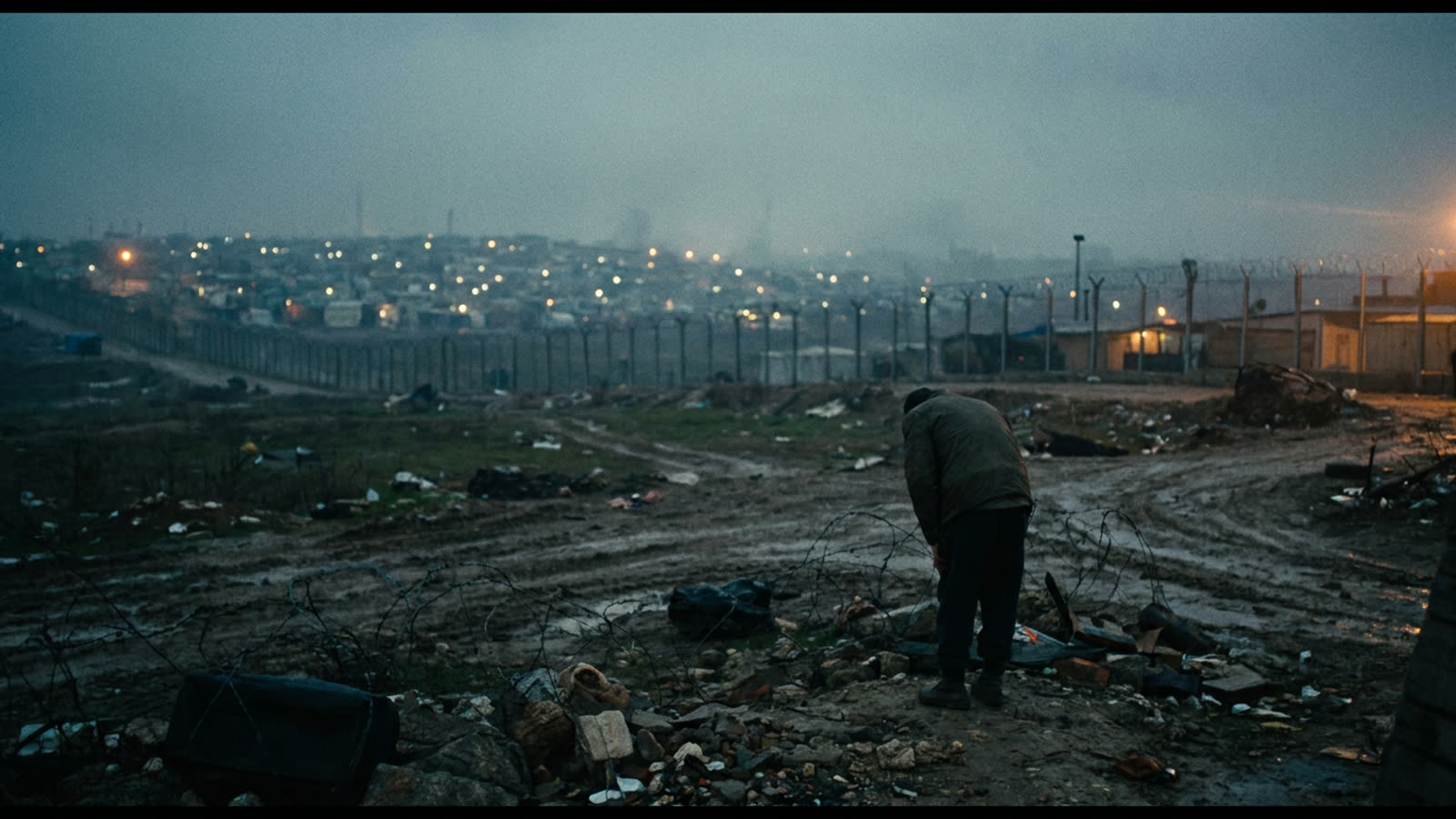
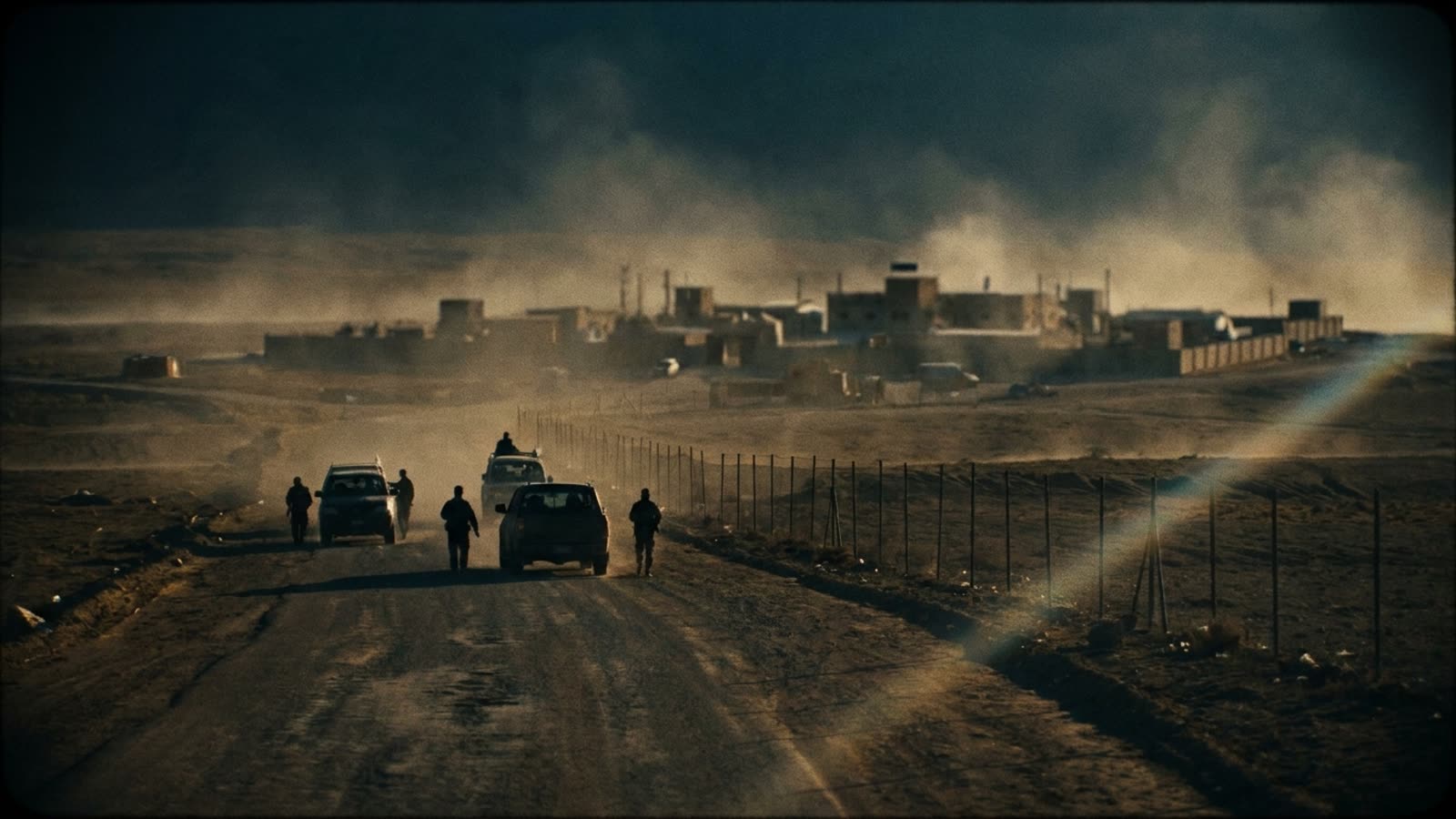
The sanctions respond to a documented surge in settler attacks on Palestinian communities, which human rights organizations have tracked accelerating over the past two years. The violence has included property destruction, physical assaults, and, in several cases, fatalities. Israeli authorities have been criticized for inadequate prosecution of perpetrators.
For Netanyahu's government, which includes ministers with deep ties to the settler movement, the sanctions create an uncomfortable domestic political problem. The prime minister must balance his coalition's ideological commitments against the diplomatic costs of international isolation—costs that extend beyond the sanctions themselves to the symbolic weight of coordinated Western disapproval.
Our take
The sanctions themselves will have limited practical effect; settler leaders are not typically globetrotters with extensive foreign assets. But the coordination matters enormously. It establishes a precedent for Western action on Israeli-Palestinian issues that routes around American inaction. If this model holds, Netanyahu may find that his close relationship with Trump offers less diplomatic cover than he assumed. The world is learning to work without Washington when Washington declines to work.