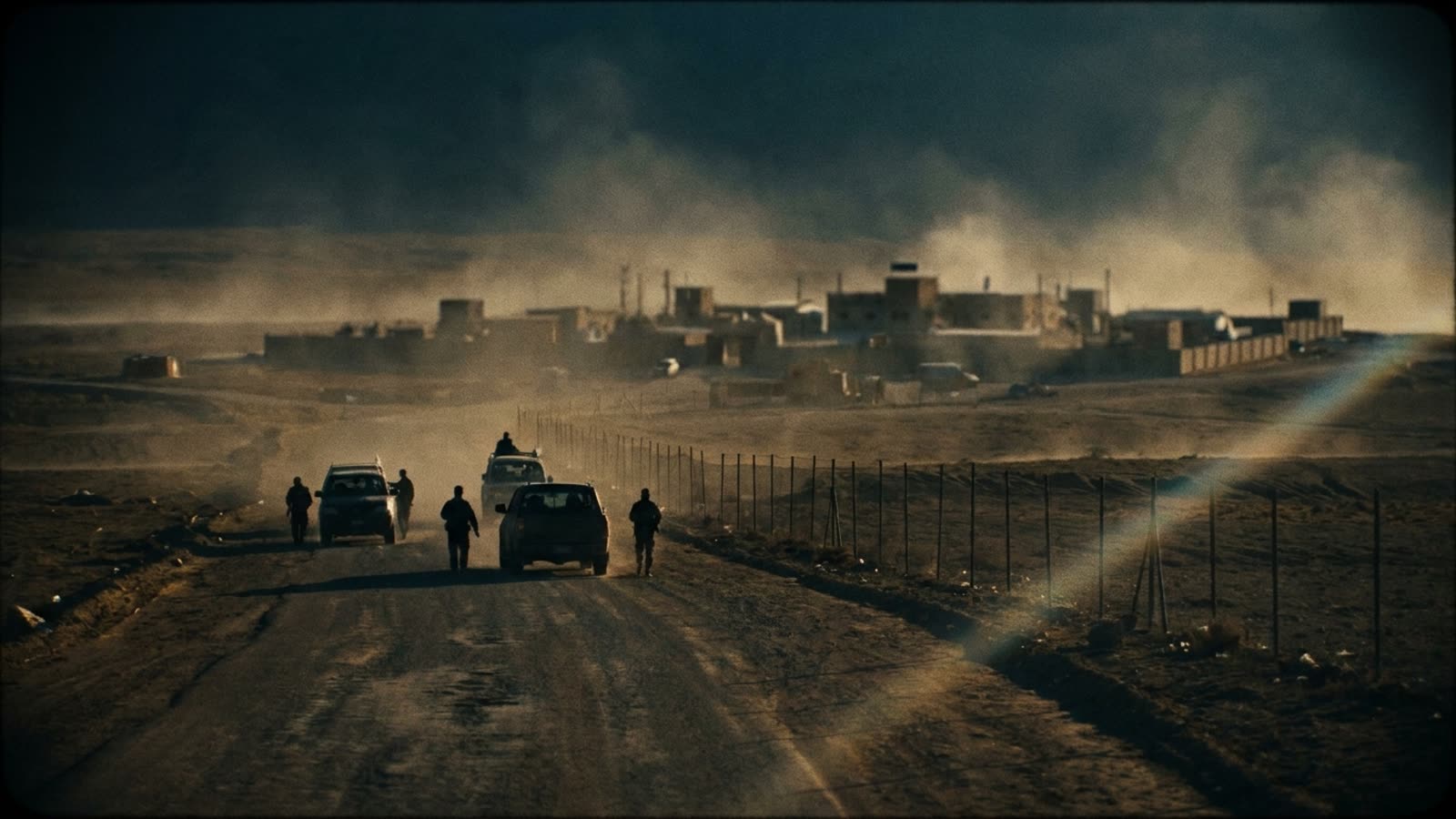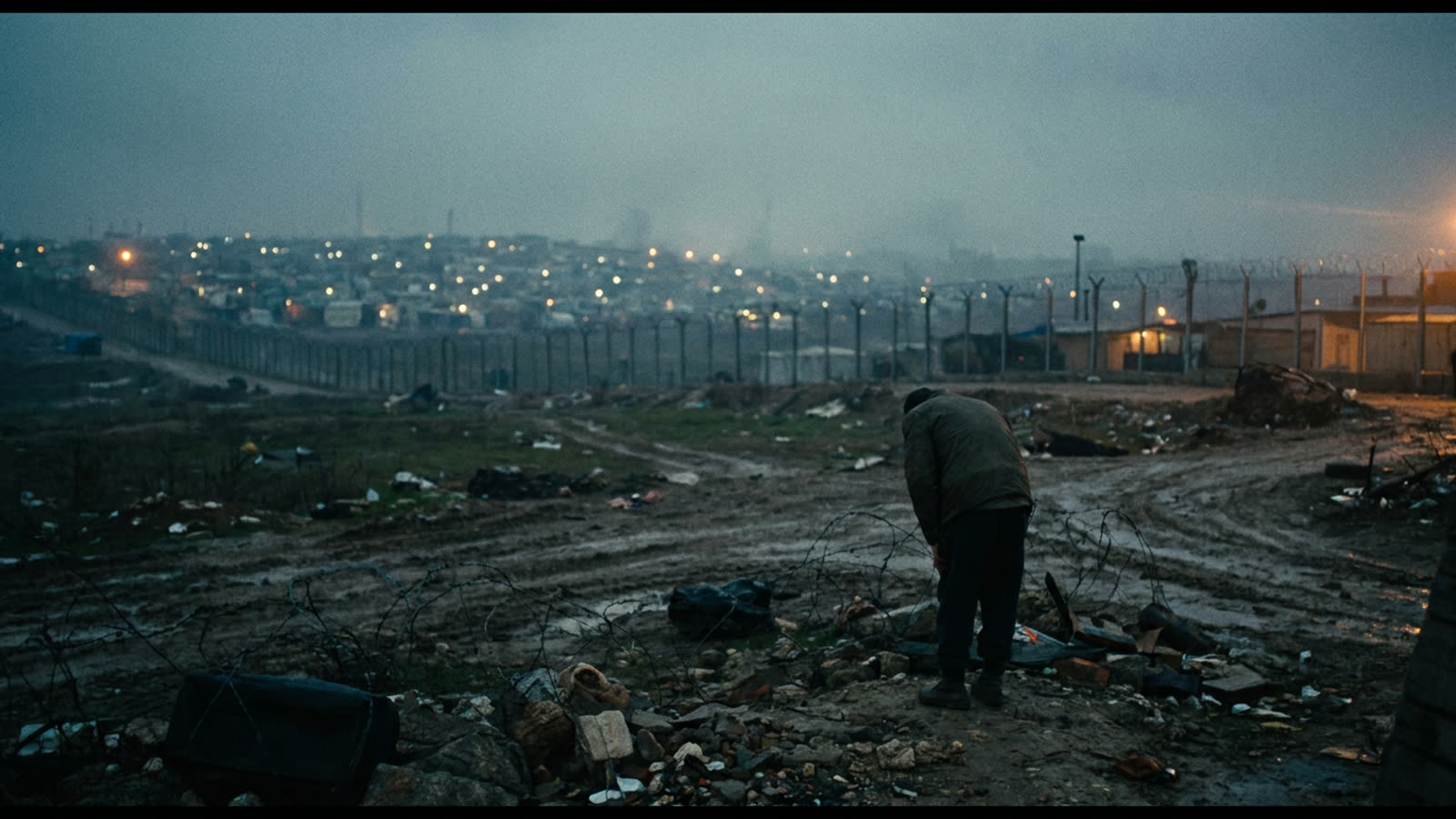
The war between Israel and Hamas has entered a phase that military strategists recognize but rarely name aloud: mutual exhaustion masquerading as resolve. Neither side can claim victory in any meaningful sense, yet neither can afford to be seen seeking the exit first.
This is the arithmetic of modern asymmetric warfare, where tactical gains dissolve into strategic ambiguity and the only certainty is civilian suffering.
The ground truth in Gaza
Israel's military campaign has devastated Hamas's infrastructure and eliminated significant portions of its leadership. Yet the organization persists, adapting to tunnel warfare and urban guerrilla tactics that make definitive defeat a chimera. The Israeli Defense Forces control territory but cannot hold it without permanent occupation—a prospect that even hawkish members of the security establishment view with alarm.
For Hamas, survival itself constitutes a form of victory, but survival amid rubble offers diminishing political returns. The group's governance capacity has been shattered, its ability to provide services to Gaza's population reduced to near zero. Whatever legitimacy it once claimed as a resistance movement now competes with fury from Palestinians who have lost everything.
External pressures mount
The regional context has grown more complicated. With the Trump administration simultaneously managing tensions with Iran—including recent incidents that have escalated rhetoric on all sides—Washington's bandwidth for sustained Gaza diplomacy is stretched thin. Yet the administration also recognizes that an unresolved Gaza conflict provides Iran with a perpetual propaganda tool and recruitment engine.
Arab states that normalized relations with Israel through the Abraham Accords face their own domestic pressures. Public opinion across the Middle East has hardened, making further diplomatic engagement politically costly. Saudi Arabia, which had been inching toward normalization before the war, has made clear that any deal now requires meaningful movement on Palestinian statehood—a condition Israel's current government cannot accept.
The hostage variable
The fate of remaining hostages held in Gaza continues to shape Israeli domestic politics in ways that constrain military options. Families of hostages have grown increasingly vocal in their criticism of a strategy that prioritizes military pressure over negotiated release. Prime Minister Netanyahu faces the impossible task of satisfying a coalition that demands total victory while managing a public that increasingly prioritizes bringing hostages home.
Hamas, for its part, views the hostages as its most valuable remaining leverage—perhaps the only card that prevents an all-out assault on its final strongholds. This creates a grim equilibrium: the hostages' value depends on the war continuing, yet their families' anguish demands it end.
Our take
Wars end when the costs of fighting exceed the costs of stopping. By that measure, this war should have ended months ago. That it hasn't reflects the particular pathology of conflicts where leaders on both sides have staked their political survival on outcomes that remain forever out of reach. The ceasefire, when it comes, will satisfy no one and resolve nothing permanently. But it will stop the dying, which at this point may be the only victory available.