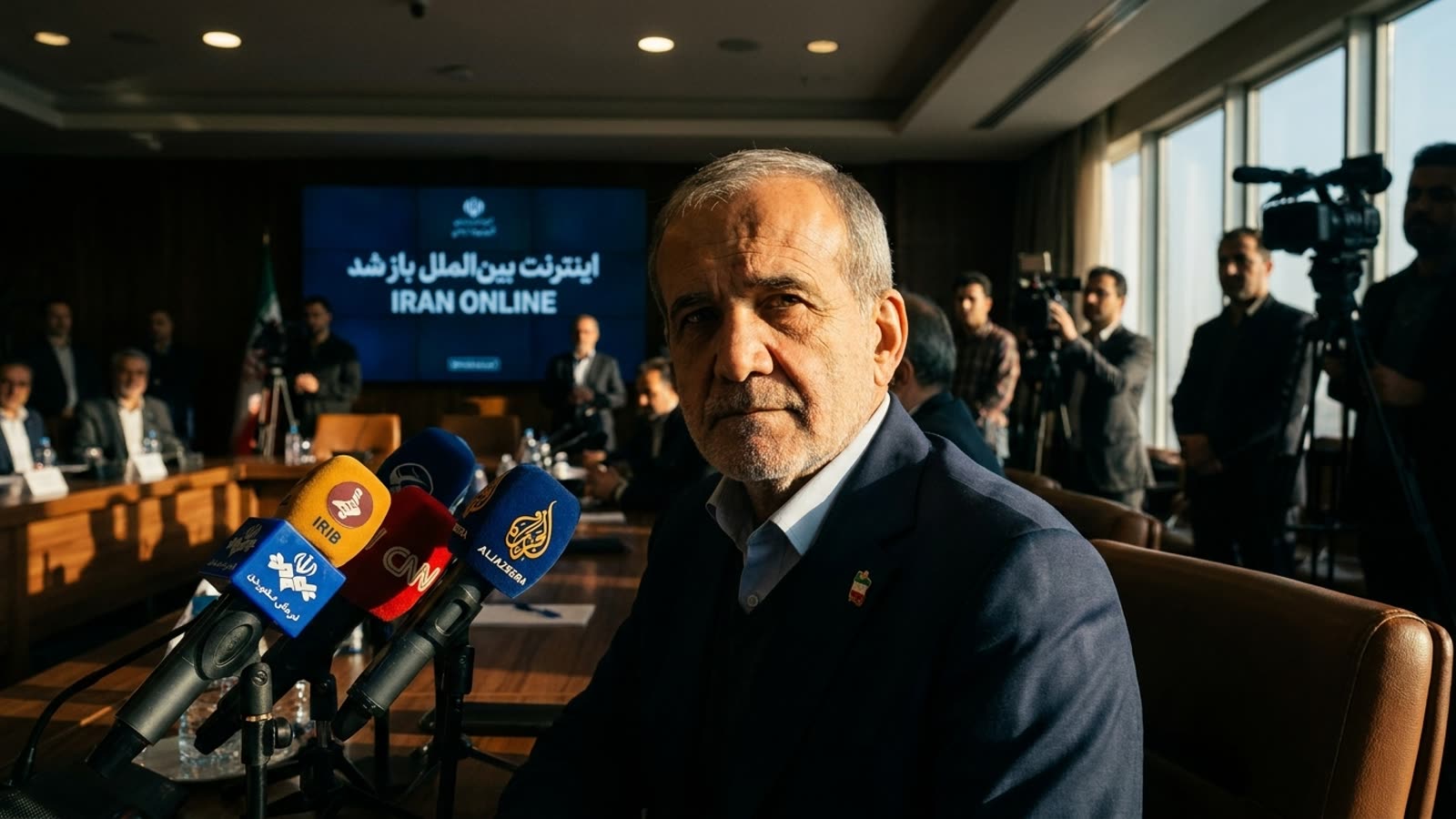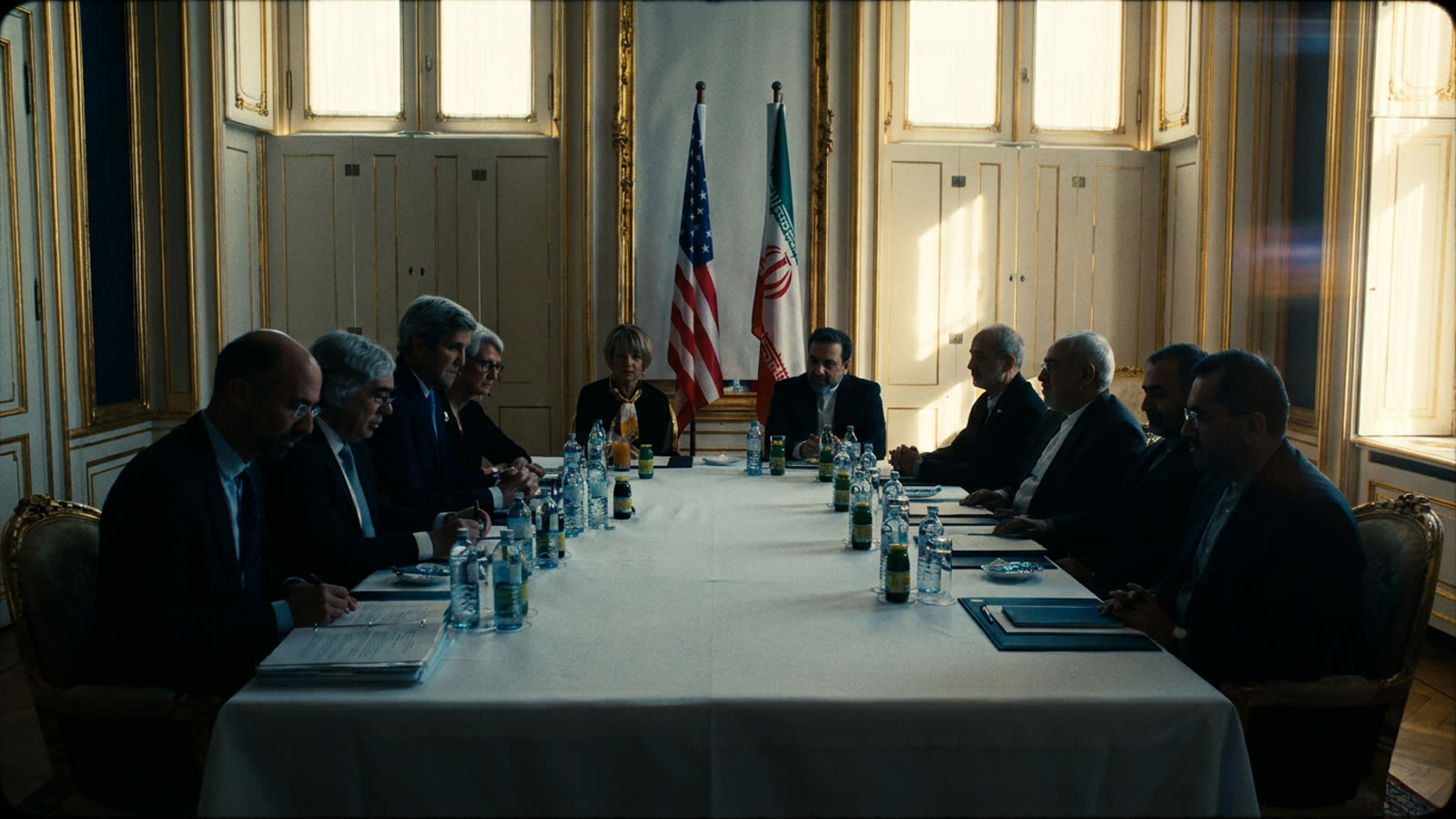
The Trump administration's Iran peace deal, announced with characteristic fanfare, is now stuck in the diplomatic equivalent of contract review. US officials confirm that negotiators are working through "language disputes" on nuclear issues and sanctions relief—the kind of technical squabbling that sounds tedious but has torpedoed major agreements throughout history.
What's actually at stake is whether both sides mean the same thing when they use the same words. In arms control, ambiguity isn't creative flexibility; it's a detonator.
The semantics of survival
The disputes reportedly center on the precise scope of sanctions relief and the definition of Iran's nuclear commitments. These aren't minor editorial quibbles. The 2015 JCPOA collapsed in part because the US and Iran interpreted key provisions differently—Washington saw snapback sanctions as automatic, Tehran saw them as requiring new Security Council votes. Both were technically correct according to their own readings.
The Trump team appears to have learned at least this much from the Obama-era deal it spent years excoriating: vague language invites defection. But clarity requires concessions. If the US insists on language that explicitly permits rapid reimposition of sanctions, Iran will demand equally explicit guarantees of economic normalization. Each word added to protect one side's interests creates new vulnerabilities for the other.
The domestic audience problem
Both governments face hostile domestic constituencies that will parse every clause for evidence of capitulation. Republican hawks in Congress have already signaled they'll treat any ambiguity as proof of weakness. Iranian hardliners, temporarily sidelined by the Pezeshkian government's diplomatic opening, are waiting for precisely the same evidence to justify their return to confrontation.
This means negotiators can't simply split differences with artful ambiguity—the traditional diplomatic escape hatch. They need language that can survive adversarial legal interpretation in both Washington and Tehran, by people actively looking for reasons to declare the deal void.
Our take
The fact that we're arguing about commas rather than missiles is genuine progress. But the history of arms control is littered with agreements that looked solid until someone discovered the load-bearing ambiguity. The Trump administration deserves credit for reaching this stage; whether it deserves credit for the final product depends entirely on whether these language disputes produce clarity or just exhaustion.