The announcement of a peace framework is the easy part. Making it stick requires resolving the precise disputes that started the war in the first place—and on that front, Washington and Tehran remain far apart.
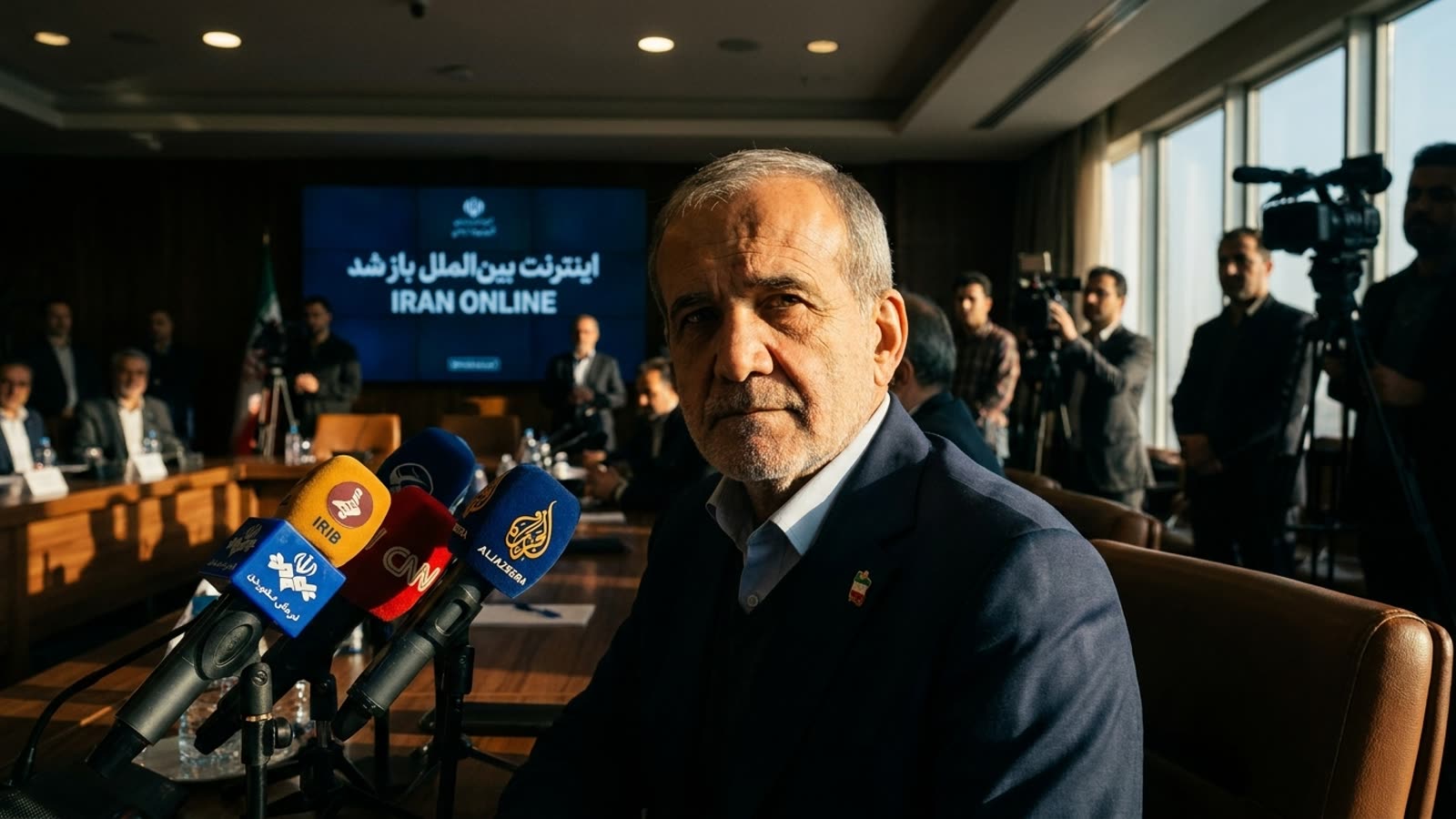
President Trump's declaration of an Iran peace agreement sent markets rallying and prompted cautious optimism across global capitals. But behind the headlines, American and Iranian negotiators are still working through fundamental disagreements on nuclear enrichment limits and the sequencing of sanctions relief. The framework, such as it exists, is less a finished deal than a mutual commitment to keep talking while the guns fall silent.
The nuclear question remains unresolved
Iran's uranium enrichment capacity sits at the core of the dispute. Tehran insists on retaining a civilian nuclear program with meaningful enrichment rights—a position it has held since the JCPOA negotiations a decade ago. Washington, under pressure from regional allies and domestic hawks, wants stricter limits and more intrusive inspections than the 2015 deal ever contemplated. The gap between "symbolic enrichment" and "industrial-scale capability" is where previous diplomatic efforts have died.
The current talks appear to be circling a compromise involving phased enrichment reductions tied to phased sanctions relief, but neither side has publicly committed to specific numbers. That ambiguity is intentional: it allows both governments to claim progress without locking in concessions their domestic audiences would reject.
Sanctions sequencing is the second minefield
Even if nuclear terms are settled, the order of operations for sanctions relief presents its own challenges. Iran wants immediate economic relief—unfreezing of assets, restoration of oil export access, reconnection to SWIFT. The United States prefers a verification-first approach, where sanctions come off only after Iran demonstrates compliance over months or years.
This sequencing debate sank the JCPOA's attempted revival in 2022, and there's little evidence the underlying dynamics have changed. Iran's economy has suffered enormously under maximum pressure; its negotiators face domestic pressure to deliver tangible benefits quickly. American negotiators face the opposite pressure: any deal that looks like capitulation will be savaged in Congress and could be reversed by a future administration.
Regional actors are positioning for influence
The framework's announcement has triggered diplomatic scrambling across the Middle East. Israel has publicly reserved its right to act independently on Iranian nuclear facilities—a caveat that undermines the deal's credibility before ink touches paper. Gulf states are hedging, welcoming the prospect of reduced tensions while quietly lobbying for provisions that constrain Iranian regional influence. Qatar has emerged as a key intermediary, with Iran's envoys meeting the Qatari prime minister to discuss implementation details.
The regional dimension matters because any durable agreement requires buy-in from actors beyond Washington and Tehran. A deal that satisfies American and Iranian negotiators but leaves Israel feeling threatened or Gulf states feeling abandoned will face constant pressure from the periphery.
Our take
Trump's framework announcement is genuine progress—the fighting may actually stop, and that matters enormously for the thousands of people in harm's way. But calling this a "peace deal" oversells what has actually been achieved. The hard negotiations over nuclear limits, sanctions sequencing, and regional security arrangements are just beginning. History suggests these talks are more likely to produce a temporary accommodation than a permanent settlement. The question is whether a temporary accommodation is good enough—and whether the political will exists on both sides to make even that much stick.