The United States is about to co-host the largest World Cup in history while simultaneously telling one of the qualified nations it cannot train on American soil. Mexico has now stepped into that breach, and the optics are brutal for Washington.
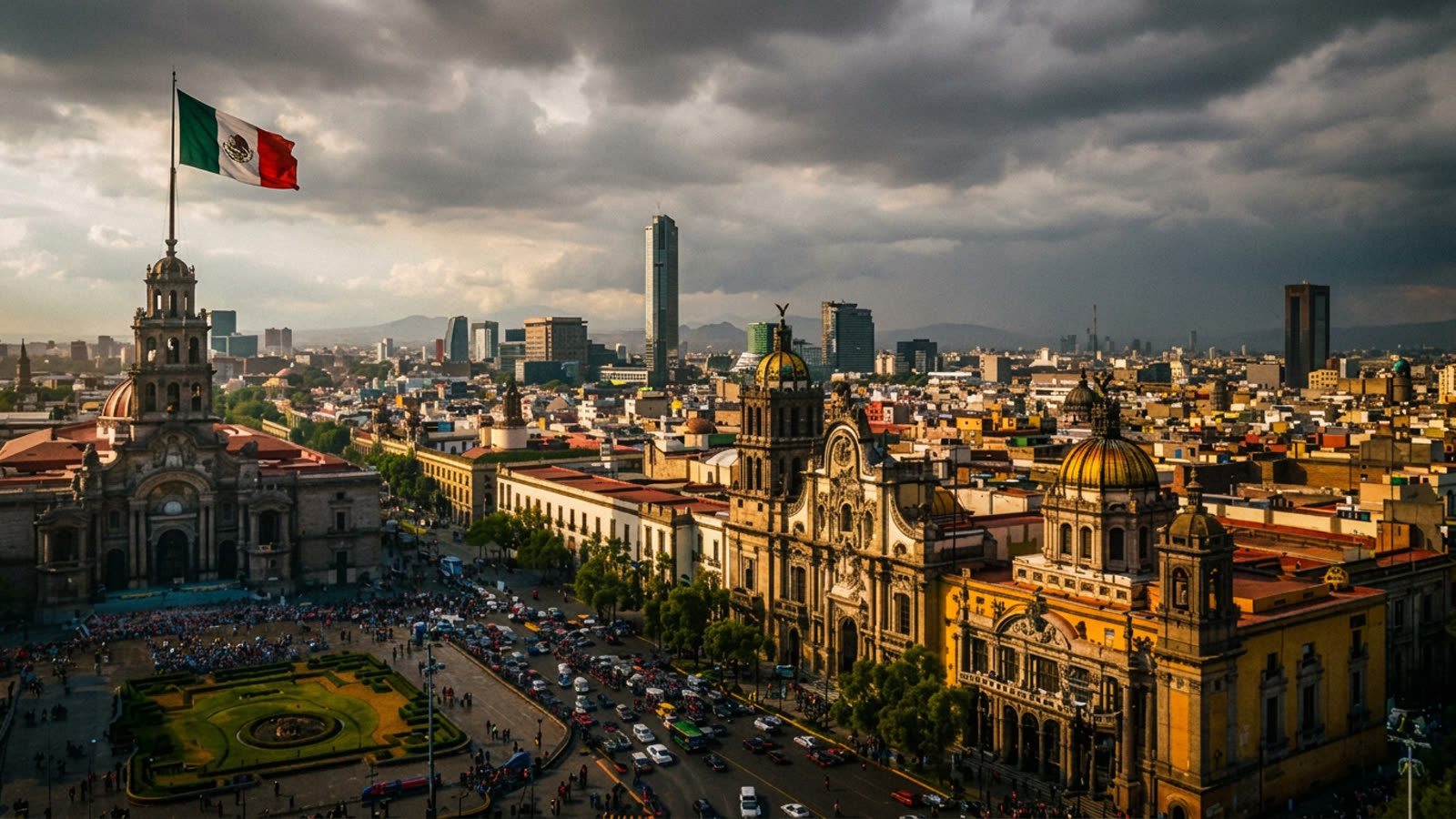
President Claudia Sheinbaum announced Sunday that Mexico would welcome Iran's national football team for pre-tournament preparations, after US officials declined to extend the same courtesy. The decision transforms a logistical question into a geopolitical statement: even as the Trump administration trumpets an imminent peace agreement with Tehran, it cannot bring itself to let Iranian athletes use American facilities.
The hospitality gap
FIFA's 2026 World Cup will be staged across sixteen cities in the United States, Canada, and Mexico. Qualifying teams typically establish base camps in or near host nations to minimize travel fatigue and acclimate to local conditions. For Iran, that calculation has become politically radioactive. American officials, still managing the final stages of a ceasefire and sanctions negotiation, evidently concluded that welcoming the Iranian delegation would send the wrong signal—or the right signal to the wrong domestic audience.
Sheinbaum framed her offer in characteristically direct terms: Mexico has "no issue" hosting any qualified nation. The subtext is unmistakable. Latin America's second-largest economy is positioning itself as the reasonable neighbor, willing to uphold sporting neutrality while Washington tangles itself in contradictions.
Sporting neutrality, political reality
The incident recalls the tangled history of Olympic boycotts and World Cup exclusions, where athletics become hostage to statecraft. Iran has not been banned from the tournament—FIFA has made no such move—yet the US refusal to host its team creates a de facto second-class status. Players and coaches will shuttle across the border for matches, then retreat to Mexican territory between games.
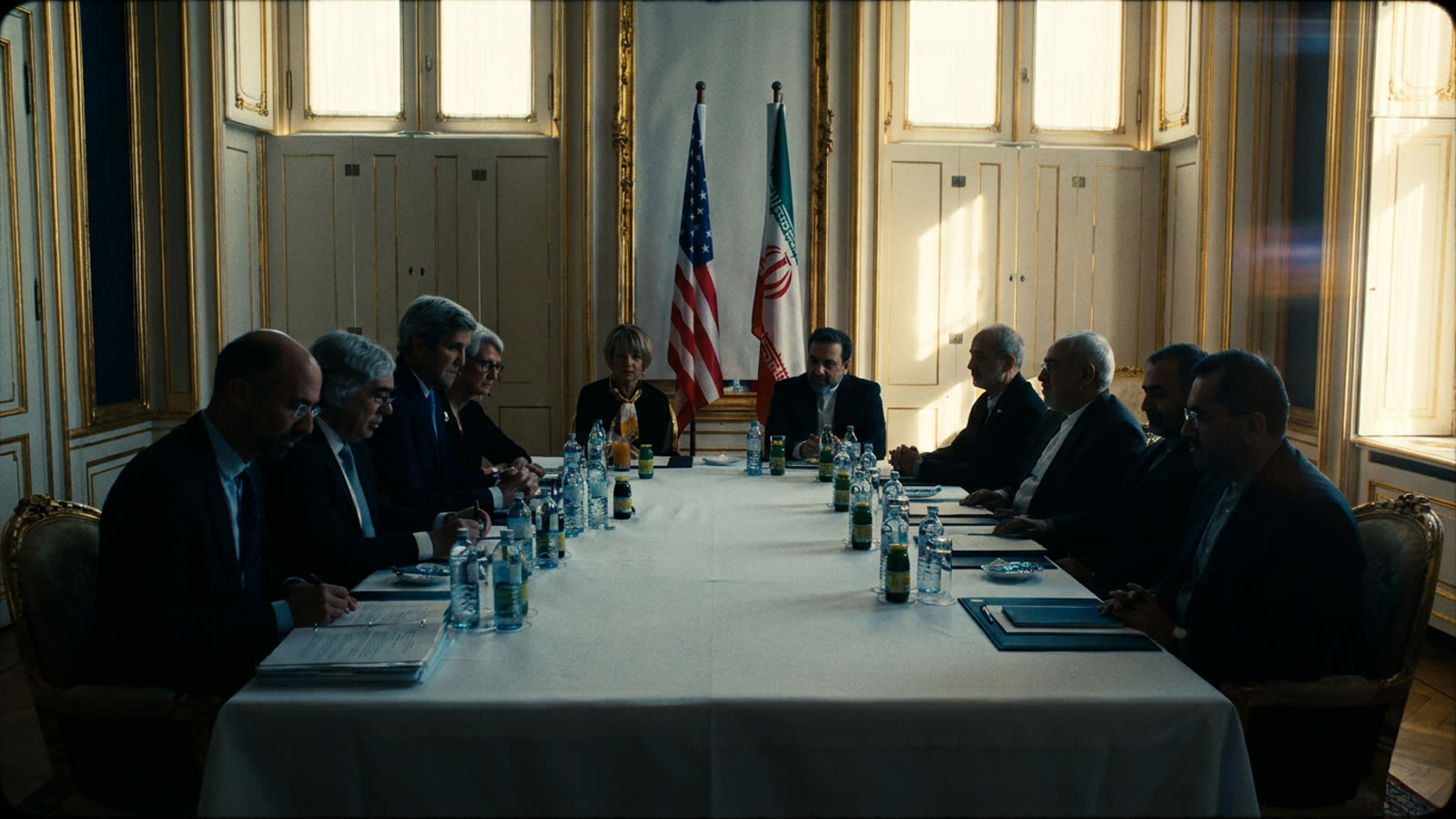
For the Trump administration, the timing is especially poor. Officials spent the weekend touting progress on a comprehensive peace framework, with the president himself declaring that a deal is imminent. Refusing to let footballers train in Arizona or Texas undercuts the narrative of reconciliation and hands critics an easy talking point: if peace is truly at hand, why treat Iran's athletes like pariahs?
Our take
Sheinbaum's offer is shrewd diplomacy dressed as sportsmanship. She gets to look magnanimous at negligible cost while highlighting American ambivalence toward the very nation it claims to be making peace with. Washington, meanwhile, is learning that you cannot announce a historic détente and simultaneously treat your counterpart's football team as a security threat. The World Cup is supposed to be a soft-power bonanza for the United States. Right now, Mexico is winning that game without kicking a ball.