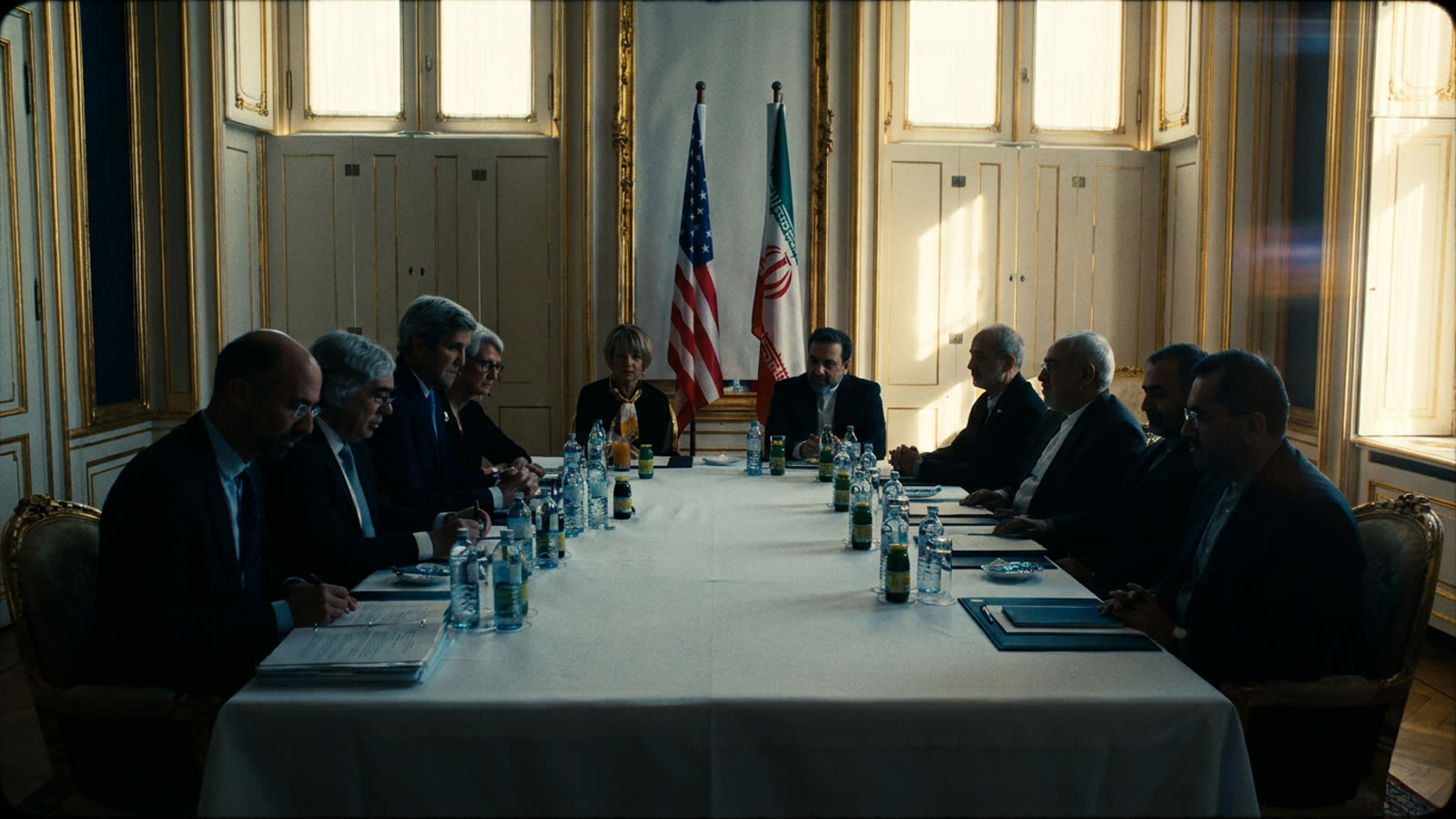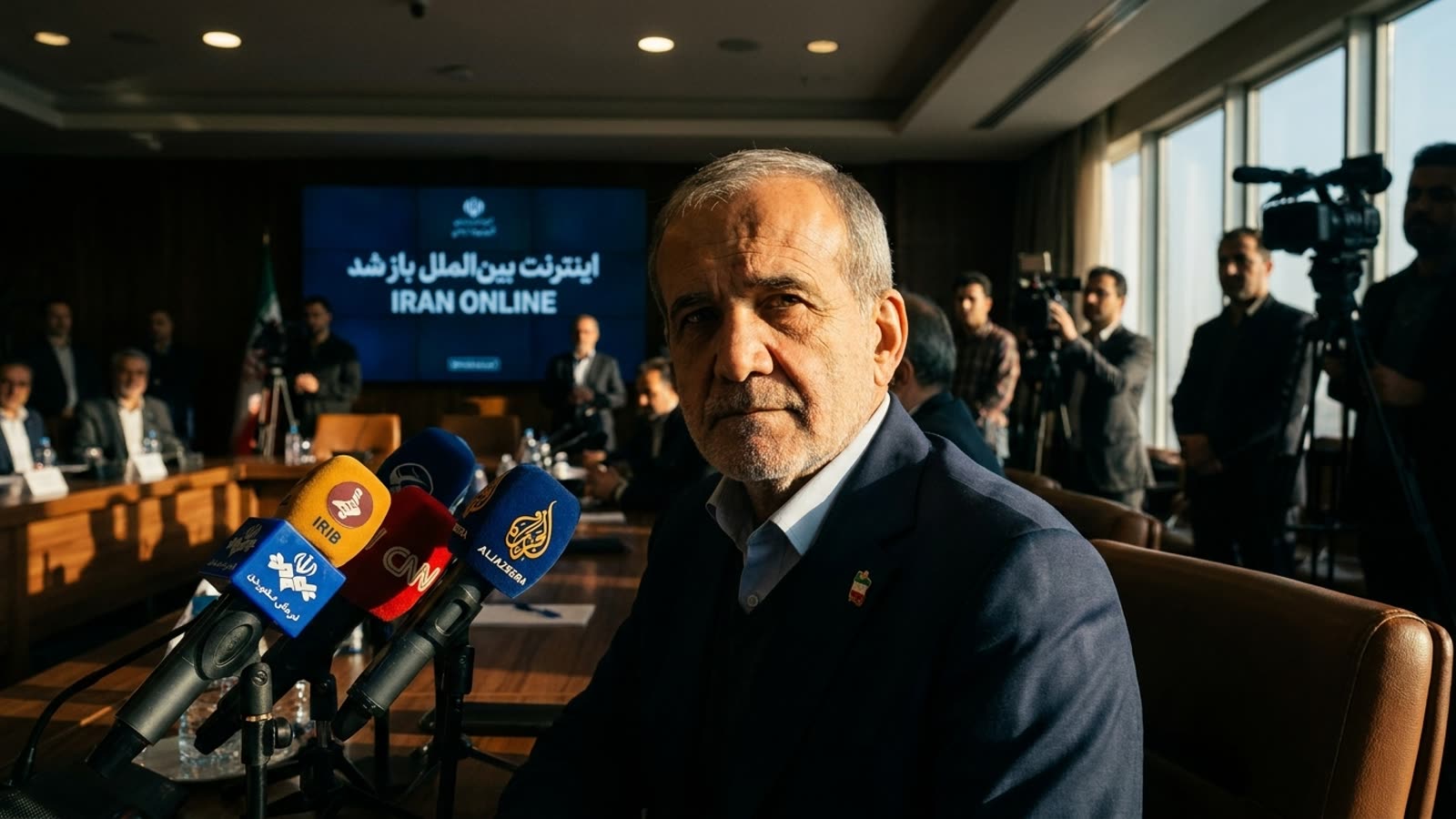
The Islamic Republic has spent years perfecting the art of digital isolation, throttling foreign platforms, blocking VPNs, and deploying its National Information Network as a substitute for the open web. On Sunday, President Masoud Pezeshkian ordered the restoration of international internet access, a move that reverses one of the regime's most symbolically potent tools of control. The timing—amid intensive final-stage negotiations with Washington over nuclear limits and sanctions relief—is not coincidental.
This is not a humanitarian gesture. It is a calculated diplomatic communication.
The logic of the concession
Iran's internet restrictions intensified dramatically during the 2022-2023 protests following Mahsa Amini's death, when authorities effectively severed the country from global platforms to suppress organizing and documentation. The infrastructure for control never went away; it was merely dialed down during quieter periods. Pezeshkian's order represents a formal policy reversal, not a technical one.
For Tehran, the move accomplishes several things simultaneously. It signals to Washington that the reformist-adjacent president has genuine authority to deliver on commitments—a persistent American concern given the Supreme Leader's ultimate veto power. It offers European negotiators, who have consistently raised human rights concerns, a tangible concession that doesn't touch the nuclear file directly. And it creates domestic political cover: Pezeshkian can tell his base that engagement with the West produces immediate quality-of-life improvements.
The domestic calculation
The regime is betting that controlled openness is less dangerous than the alternative. Younger Iranians have grown expert at circumventing restrictions anyway, and the cat-and-mouse game consumes resources while generating resentment. More importantly, a population that can see Western media coverage of a peace deal may be more inclined to support it than one fed only state narratives—particularly if sanctions relief translates into economic improvement.
There are risks. Hardliners within the Islamic Revolutionary Guard Corps have long argued that internet access is a vector for Western soft power. Pezeshkian is spending political capital that he may need later if implementation hits obstacles. But the calculation appears to be that the moment demands bold gestures, and this one costs Tehran nothing in strategic terms while buying goodwill in Vienna and Washington.
Our take
The internet order is a tell. Regimes don't surrender instruments of control unless they believe the trade is worth it, and Iran's leadership clearly believes a deal is within reach. Whether Pezeshkian can sustain this opening—or whether it gets quietly reversed once ink dries on an agreement—will reveal much about the Islamic Republic's actual trajectory. For now, the bandwidth is less important than the message: Tehran is negotiating in earnest, and it wants everyone watching to know it.