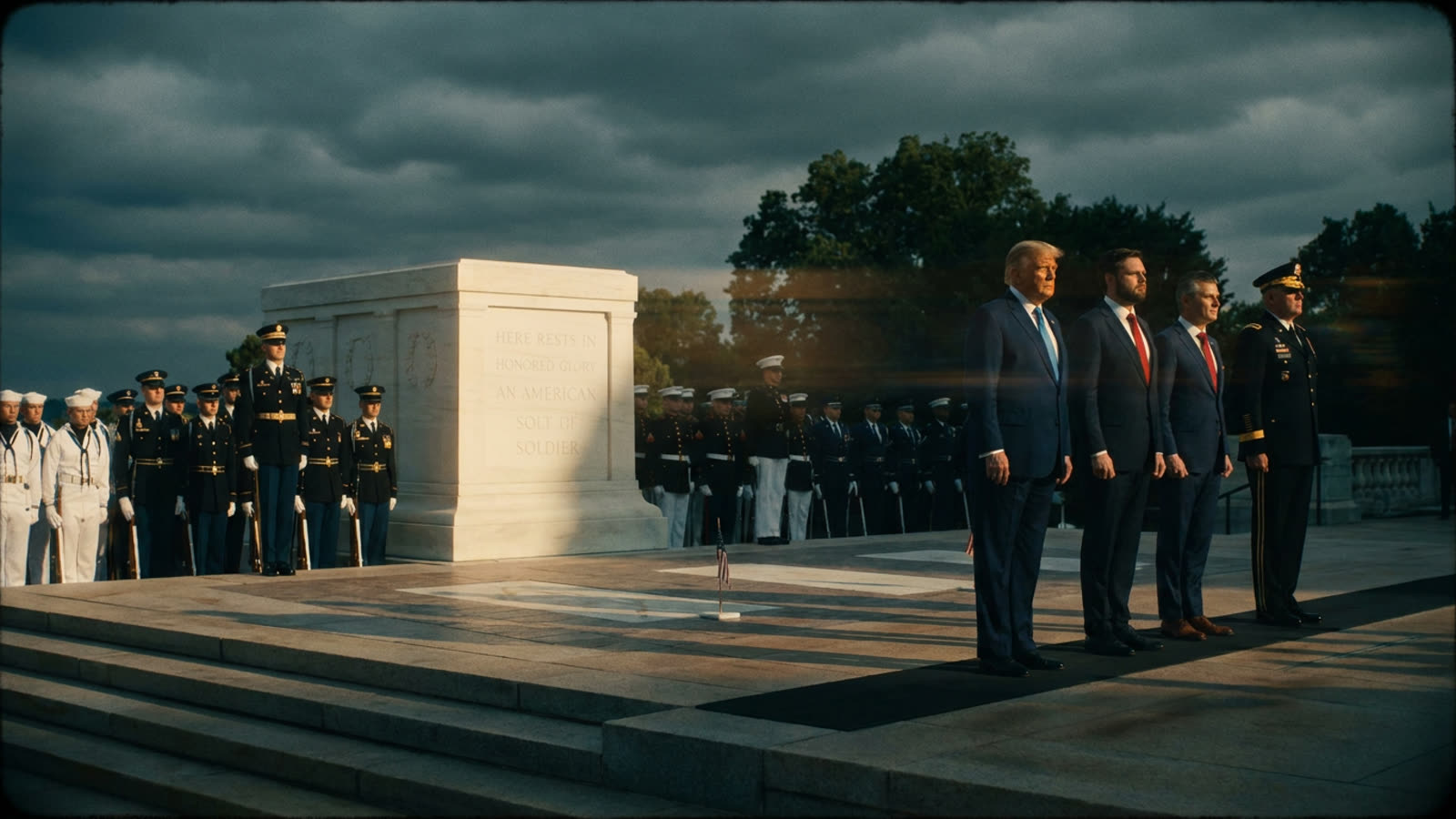
President Trump's Memorial Day appearance at Arlington National Cemetery was an exercise in political geometry: draw a straight line from commander-in-chief to fallen soldier, skip the messy angles in between.
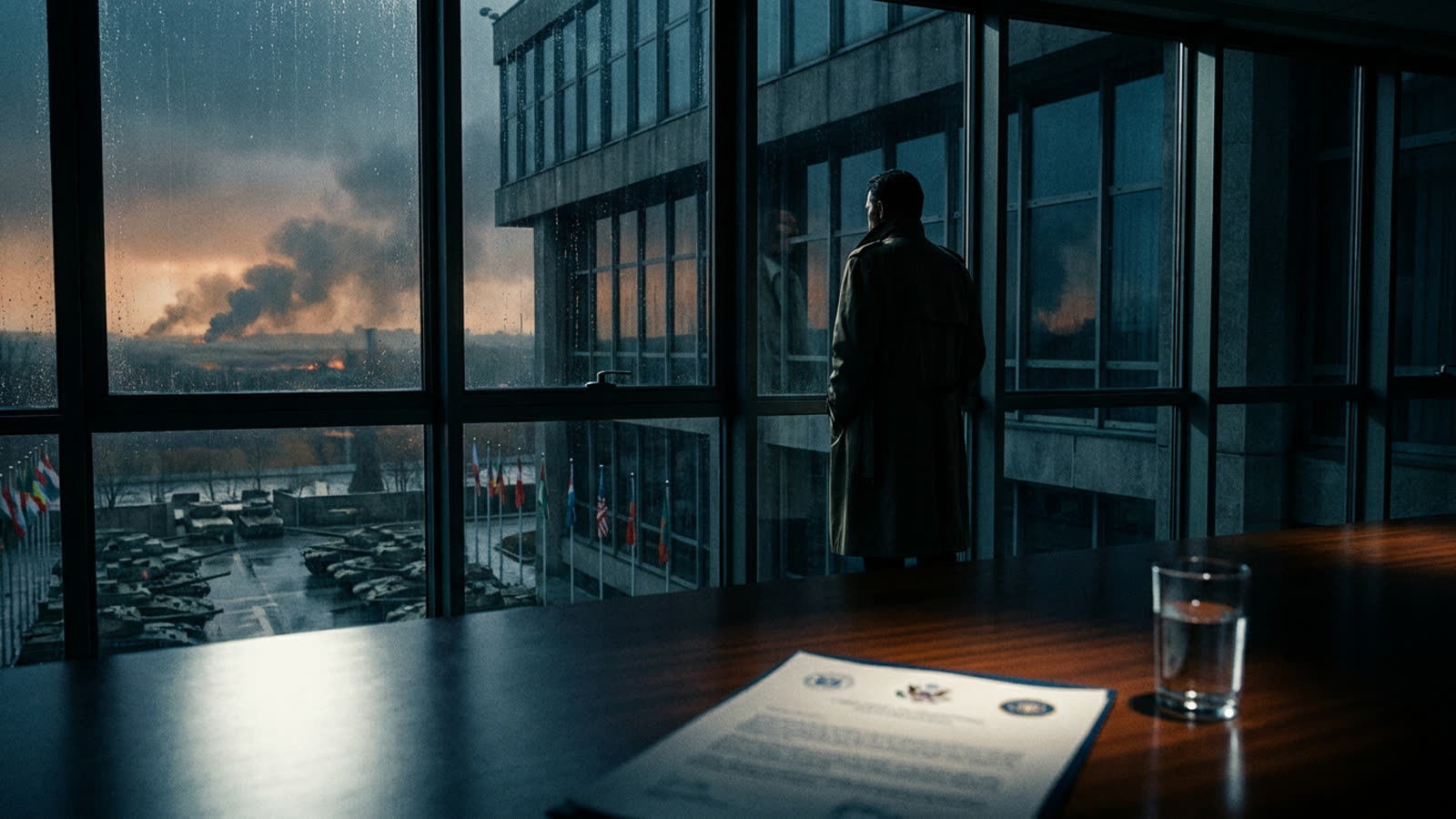
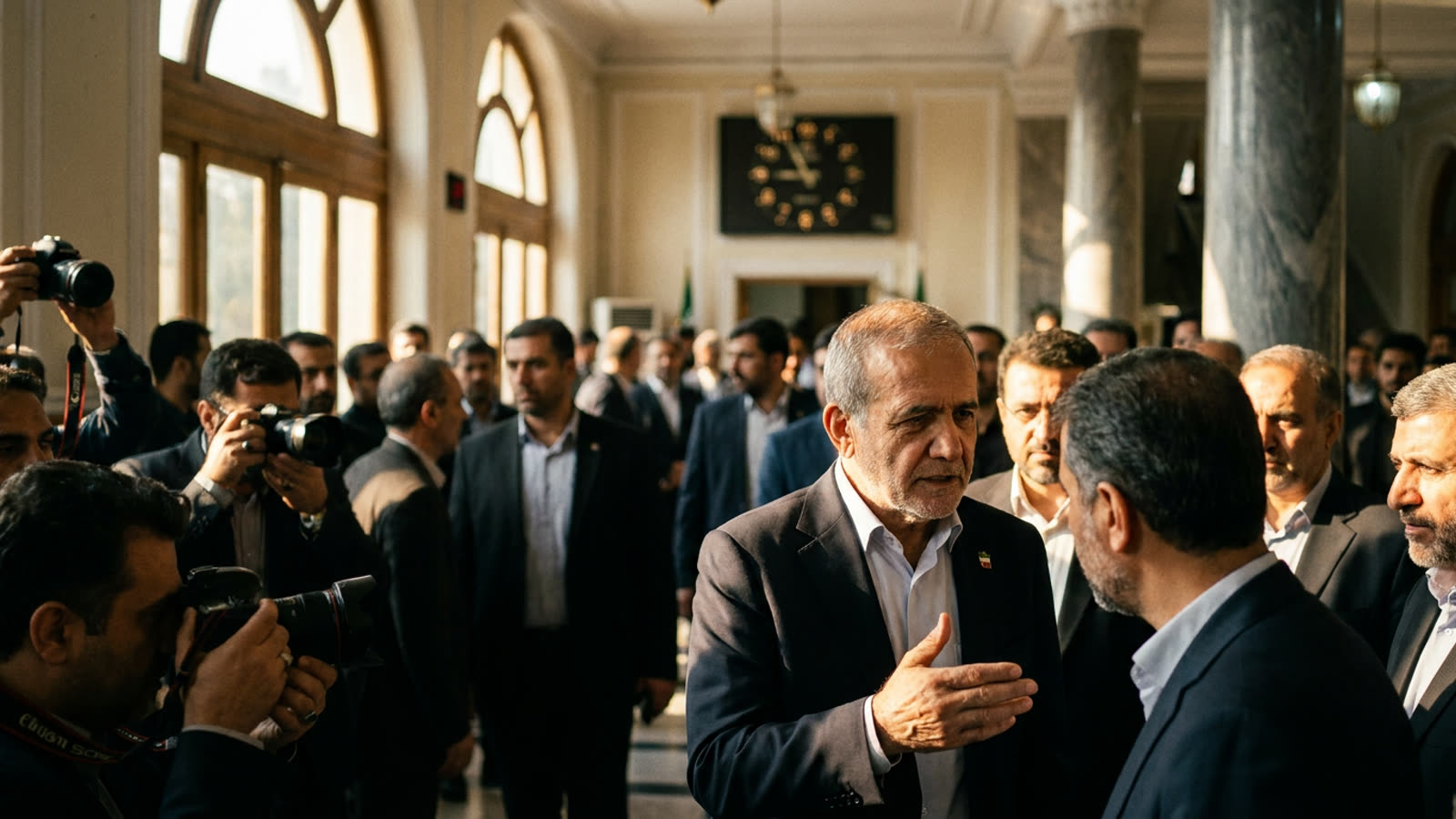
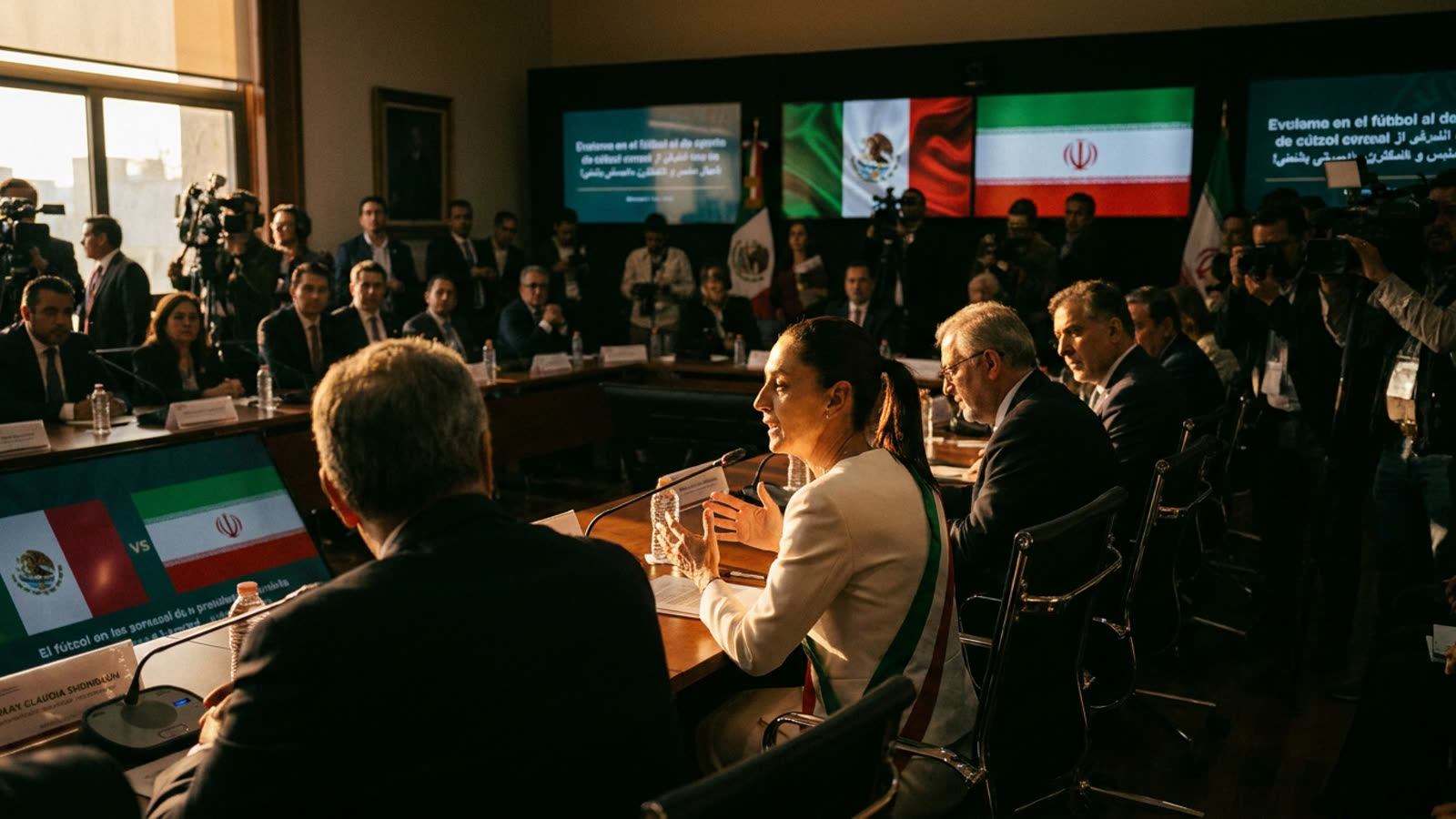
The visit came hours after Trump announced a framework peace agreement with Iran—a deal that, if finalized, would end a conflict his administration initiated and that has now claimed at least thirteen American service members. The juxtaposition was jarring even by the standards of presidential stagecraft. Here was a wartime leader attempting to inhabit two incompatible roles simultaneously: the dealmaker who stopped the bleeding and the mourner-in-chief who never caused it.
The rant before the wreath
Trump's morning had begun with a social media broadside against critics of his Iran diplomacy, a characteristic eruption that included attacks on Senate Republicans who have expressed skepticism about the emerging deal's verification mechanisms. By afternoon, the president stood in Section 60, the burial ground for post-9/11 casualties, projecting the grave stillness the setting demands. The tonal whiplash was not lost on Gold Star families, some of whom have publicly questioned whether the Iran campaign's objectives justified its costs.
The White House framed the Arlington visit as apolitical tradition. Every president since Reagan has marked Memorial Day at the cemetery. But context is stubborn. Trump cannot visit these graves as a neutral inheritor of sacrifice; he is, in a direct operational sense, the reason some of them are fresh.
Peace as absolution
The Iran deal announcement, still light on details, appears designed to reframe the narrative before the 2026 midterms. If Trump can credibly claim he ended the war and secured strategic concessions—reopened Strait of Hormuz shipping lanes, nuclear inspections, prisoner releases—the political calculus shifts. The dead become not evidence of miscalculation but the price of eventual victory.
This is the bet the administration is making. It requires Americans to accept a compressed timeline in which the same president who ordered strikes on Iranian military assets in early 2026 now deserves credit for de-escalation. Historically, such pivots are possible; Nixon went to China, after all. But Nixon did not livestream grievances about his domestic enemies on the morning of his diplomatic triumph.
Our take
Memorial Day is supposed to be the one day when politics yields to grief. Trump's Arlington visit asked the nation to perform that ritual while the political author of the grief stood at the microphone. It is not hypocrisy, exactly—presidents have always instrumentalized sacrifice—but it is a particularly unsubtle version of the genre. The peace deal may yet prove durable and strategically sound. The optics of its architect laying wreaths for a war he chose will remain, at minimum, uncomfortable.