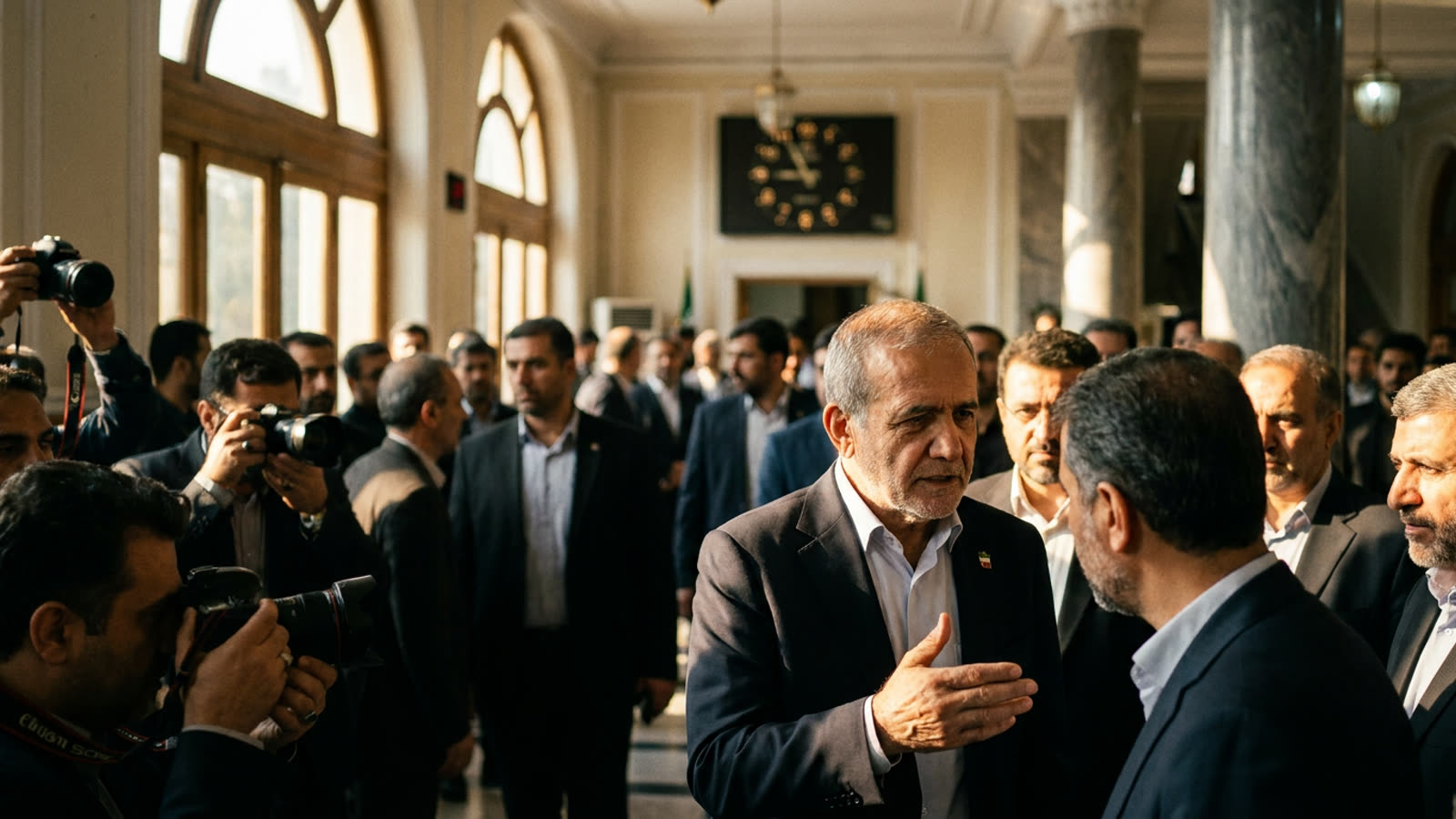
When the United States refused to grant visas to Iran's national football team for the 2026 World Cup—a tournament it is co-hosting—it created an absurd spectacle: a country barring athletes from a competition on its own soil. Mexico saw an opening and took it.
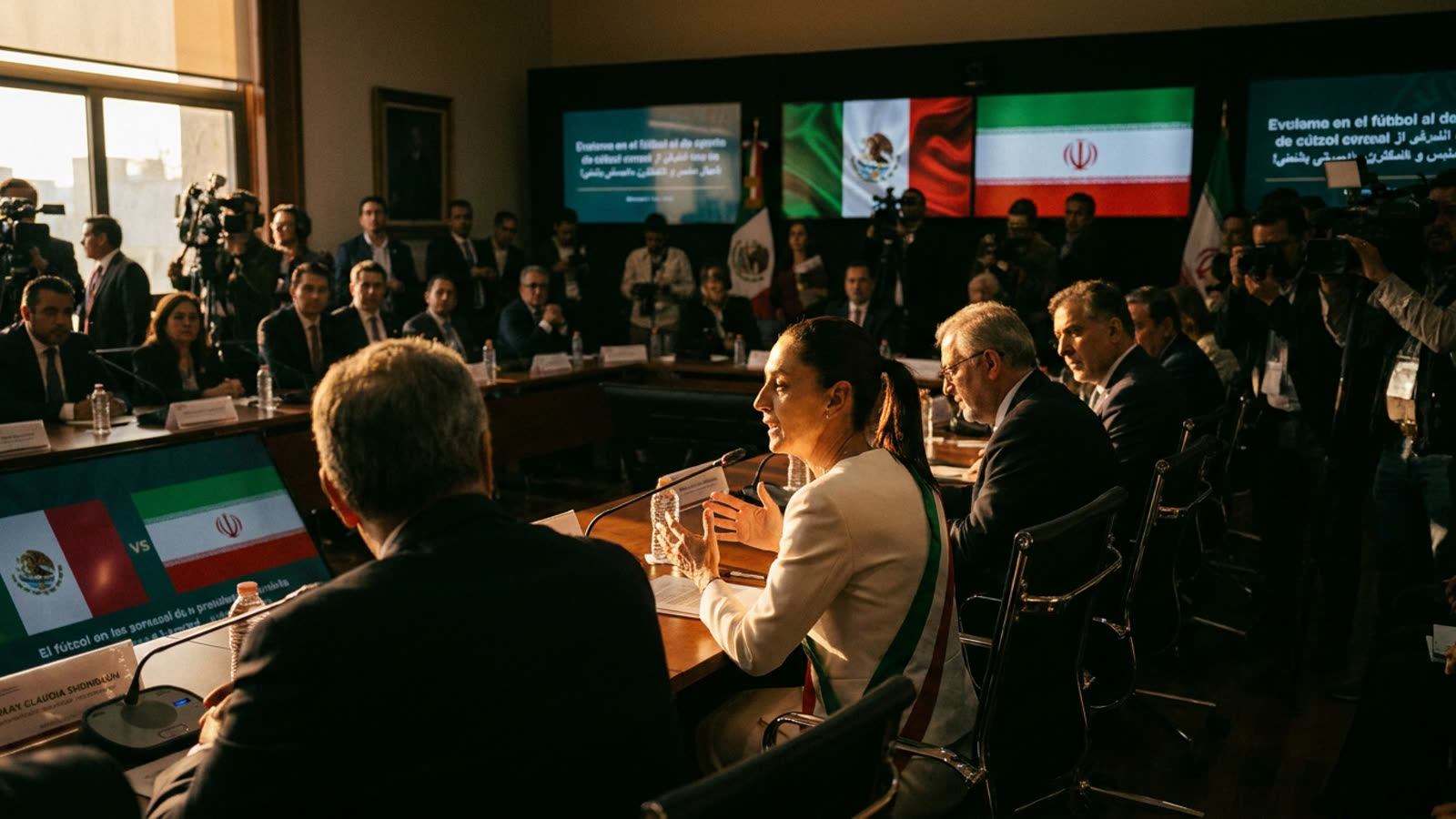
President Claudia Sheinbaum announced that Mexico would host Iran's squad for the duration of the tournament, providing accommodation, training facilities, and presumably a pointed lesson in how neighbors can disagree without abandoning basic hospitality. The offer is logistically simple but symbolically complex, positioning Mexico as the reasonable adult in a room where Washington has chosen petulance over pragmatism.
The visa fight nobody wanted
The US decision to deny entry to Iranian players and staff stems from the broader conflict and ongoing sanctions regime, but it collides awkwardly with FIFA's foundational premise: that football transcends politics. Co-hosts Canada and Mexico were left to manage the fallout of a unilateral American choice that threatened to delegitimize the entire tournament. Canada has remained conspicuously silent. Mexico has not.
Sheinbaum's government framed the offer as simple compliance with Mexico's obligations as a World Cup host nation, but the subtext is unmistakable. At a moment when US-Mexico relations remain strained over trade, migration, and cartel policy, this is a low-cost way to assert independence without triggering economic retaliation.
What Mexico gains
The calculation is shrewd. Mexico pays almost nothing—some hotel rooms, some security, some training pitches—and receives substantial soft-power dividends. It burnishes credentials with the Global South, demonstrates to domestic audiences that Mexican sovereignty is not for sale, and creates a minor headache for Washington without crossing any red lines that would invite tariffs or diplomatic downgrade.
For Sheinbaum, who has navigated a careful path between cooperation and confrontation with the Trump administration, this is brand-building of the most efficient kind. She gets to be the gracious host while the United States explains why it cannot manage to let footballers play football.
Our take
The United States has every right to control its borders, but exercising that right to exclude athletes from a sporting event it volunteered to host is self-defeating theater. Mexico recognized the gift it had been handed and accepted with appropriate solemnity. Sheinbaum did not need to criticize Washington; the contrast speaks for itself. Sometimes the most effective diplomacy is simply showing up when your neighbor refuses to.