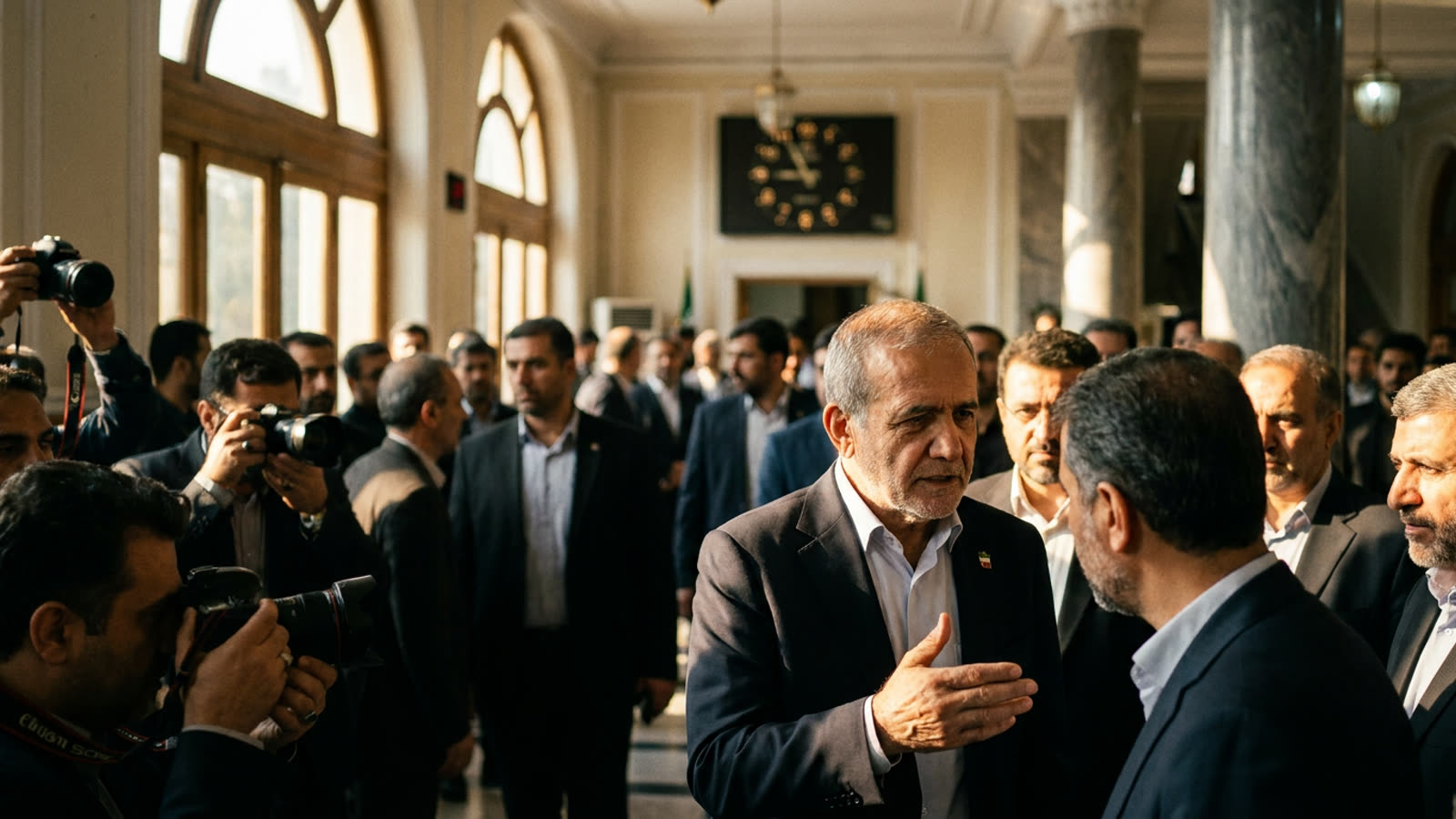
For a regime that has treated the open internet as an existential threat, President Masoud Pezeshkian's order to restore international connectivity is not a technical adjustment—it is a political surrender of one of the Islamic Republic's most jealously guarded instruments of control.
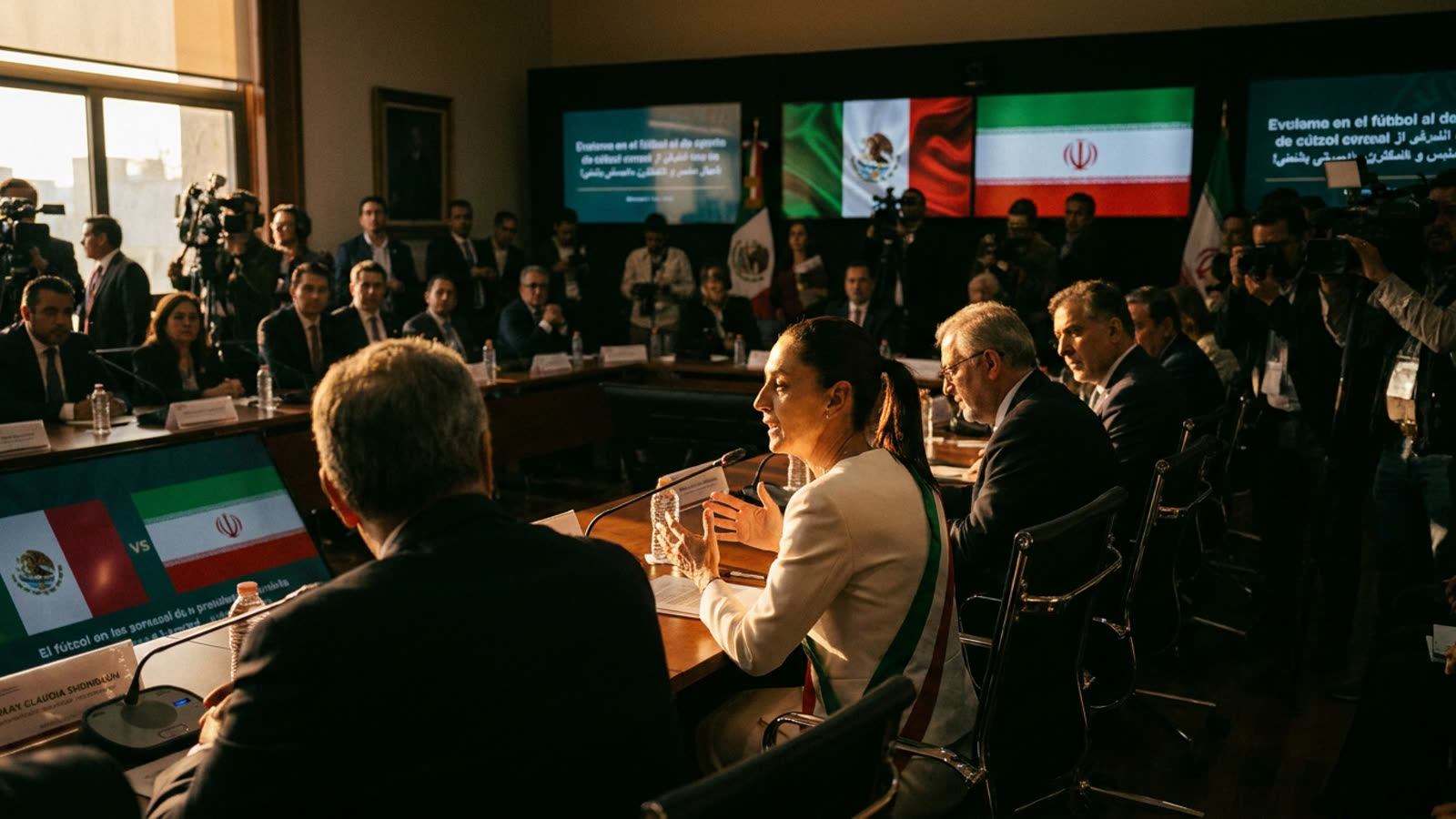
The timing is unmistakable. With American and Iranian negotiators reportedly haggling over final language on nuclear verification and sanctions relief, Tehran has chosen to give away something it cannot easily take back: the perception, both domestically and abroad, that the regime is loosening its grip. The internet order is a down payment on good faith, offered before any ink has dried.
The architecture of isolation
Iran's digital clampdown accelerated dramatically during the 2022 protests following the death of Mahsa Amini, when authorities throttled international platforms and deployed the so-called "National Information Network" to keep Iranians confined to regime-approved services. The infrastructure of censorship became a point of national pride for hardliners—proof that the Islamic Republic could survive without Western digital hegemony.
Unwinding that architecture is neither simple nor cheap. Millions of Iranians have adapted to VPNs, domestic apps, and workarounds; businesses have restructured around the constraints. Reopening the spigot will expose the regime to information flows it spent years and billions suppressing. Pezeshkian is betting that the economic and diplomatic payoff outweighs the risk of renewed digital dissent.
What Washington is watching
The Biden and now Trump administrations have long demanded verifiable, irreversible steps from Tehran before sanctions relief. Internet access is not on any formal list of preconditions, but it functions as a credibility marker. A government willing to let its citizens tweet is, in theory, a government less likely to cheat on centrifuge counts.
Skeptics in Congress will argue the opposite: that the order can be reversed in hours, that it is theater designed to extract concessions without meaningful reform. They are not wrong about the reversibility. But the political cost of re-imposing the blackout after a public restoration would be substantial, both domestically and in the court of international opinion. Pezeshkian is creating his own hostage.
Our take
This is the kind of move that looks small on a sanctions spreadsheet and enormous on the ground. For ordinary Iranians, the return of Instagram and uncensored news is a tangible change in daily life—something no JCPOA annex ever delivered. Whether it survives the deal's inevitable political turbulence is another matter. But for now, Tehran has done something rare: it has made a concession that costs it real power, not just promises. That is worth noticing.