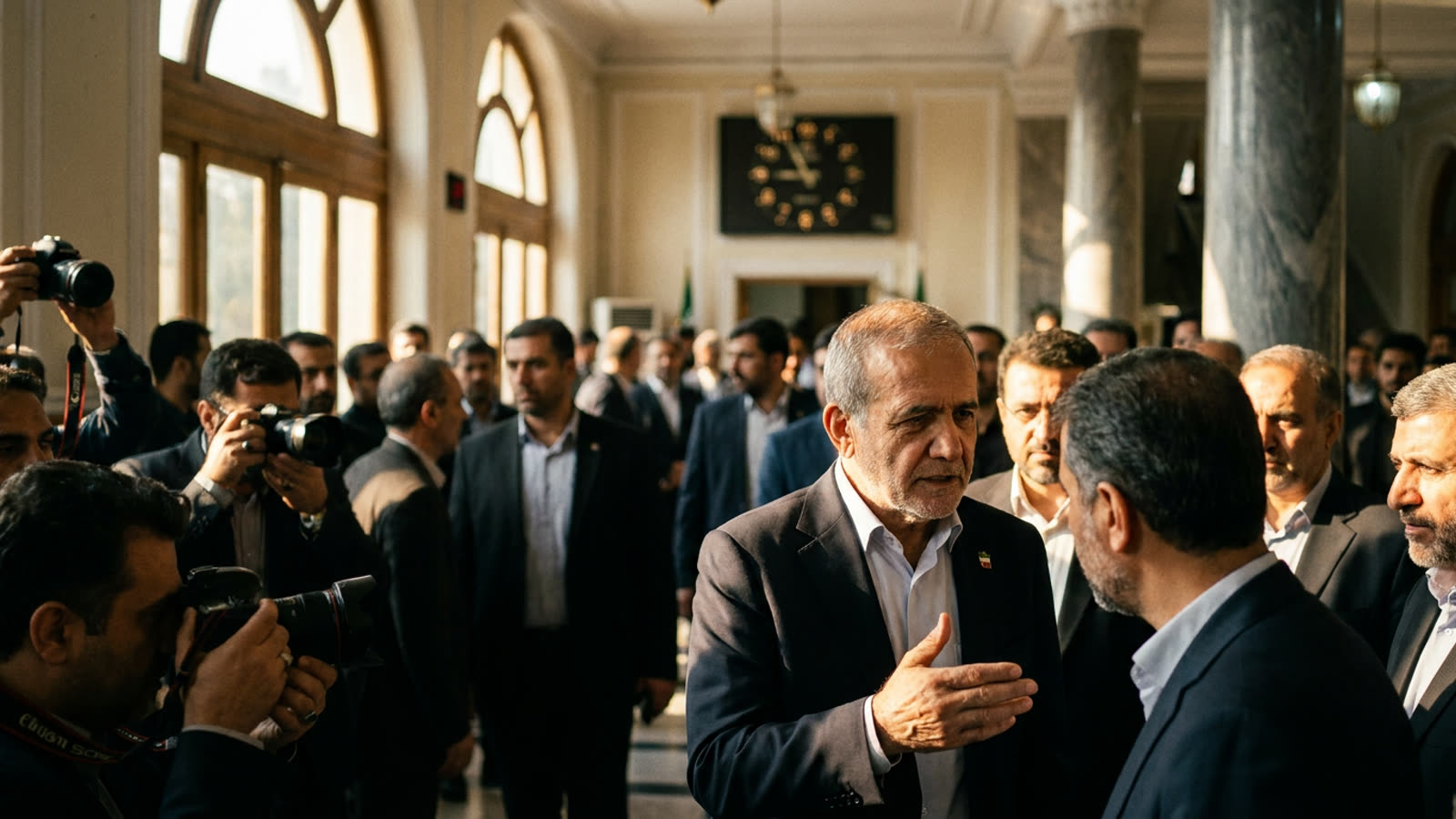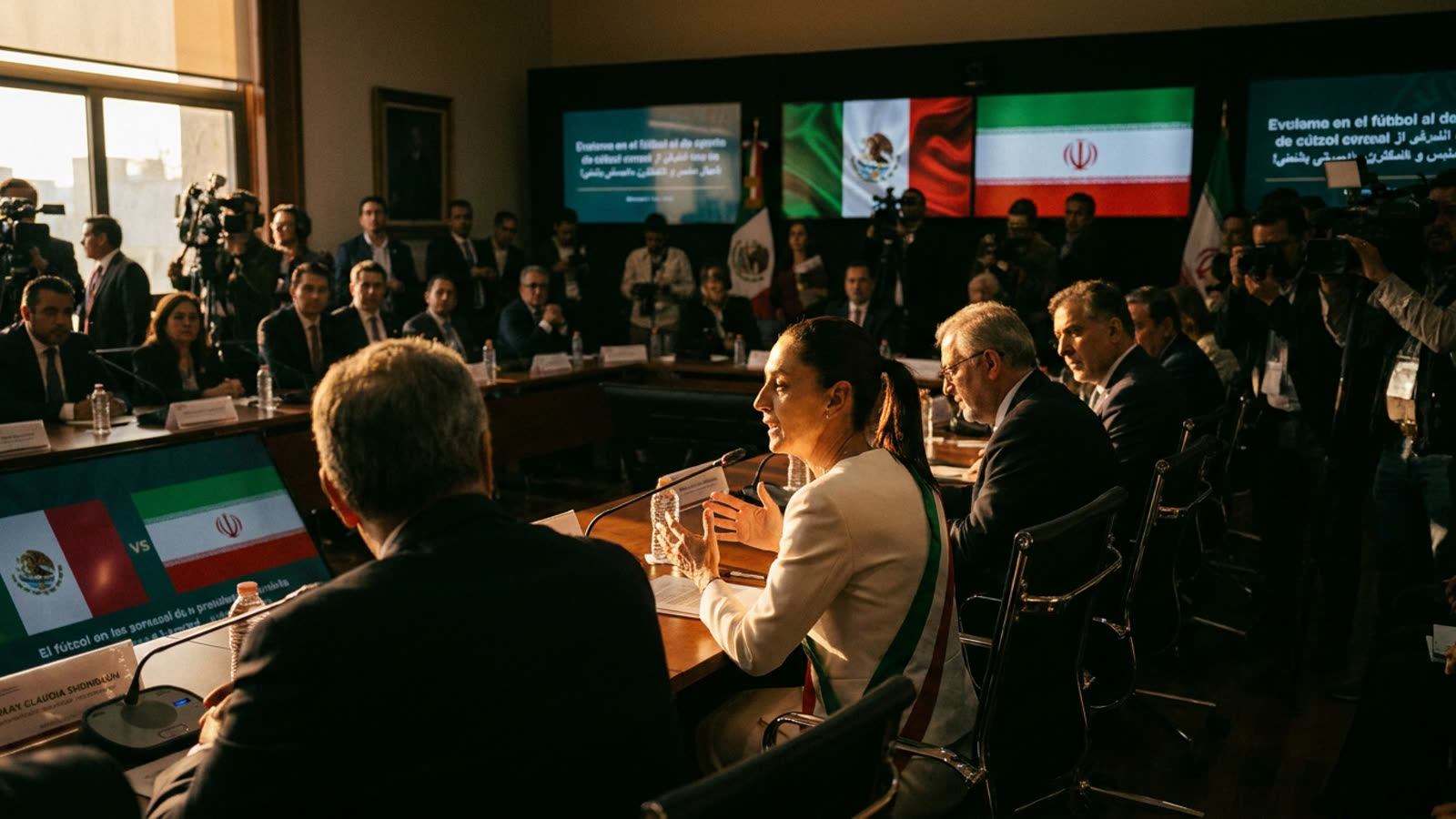
The announcement came with characteristic fanfare: President Trump declared an Iran peace agreement, markets rallied, and cable news cycled through archival footage of handshakes and signing ceremonies. What the celebration obscured is that American and Iranian officials are still locked in negotiations over the exact language governing nuclear restrictions and the sequencing of sanctions relief—the same technical disputes that have derailed every prior diplomatic effort between Washington and Tehran.
According to US officials briefed on the talks, the two sides have agreed on broad principles but remain apart on how those principles translate into binding legal text. The gaps are not cosmetic. They concern verification protocols, the timeline for sanctions removal, and which Iranian entities remain blacklisted even after a deal takes effect. These are the clauses that determine whether an agreement holds or collapses within months.
The language problem
Diplomatic agreements live or die in their annexes. The 2015 Joint Comprehensive Plan of Action ran to over 100 pages of technical specifications, and its eventual unraveling owed as much to ambiguous phrasing as to political hostility. The current negotiators face a familiar trap: Iran wants upfront, irreversible sanctions relief; the US wants phased relief tied to verified compliance. Bridging that gap requires drafting language that both sides can sell domestically while binding each to concrete obligations. So far, that language does not exist.
The involvement of Qatar's prime minister as an intermediary—Iranian envoys met with him over the weekend—suggests the parties recognize they need outside help to close the remaining distance. Mediation can accelerate compromise, but it can also introduce additional interpretive layers that complicate enforcement down the road.
Domestic audiences, divergent incentives
Trump has framed the emerging deal as categorically different from Obama's JCPOA, a claim that will require the final text to include provisions his predecessor's agreement lacked—longer sunset clauses, stricter missile restrictions, or broader terrorism-related conditions. Each addition gives Iranian hardliners ammunition to reject the package. Tehran's negotiators, meanwhile, must deliver sanctions relief substantial enough to justify the political risk of engaging with an American president who withdrew from the last deal.
Neither side can afford to look like it capitulated. That mutual constraint explains why the language disputes persist even after the principals have declared victory.
Our take
Announcing a deal before the text is finished is a time-honored diplomatic gambit—momentum, the theory goes, will carry negotiators across the finish line. Sometimes it works. More often, the unresolved details metastasize into deal-breakers once lawyers and legislators get involved. The market euphoria and political victory laps are premature. Until the language is locked, the Iran deal is an aspiration, not an agreement.