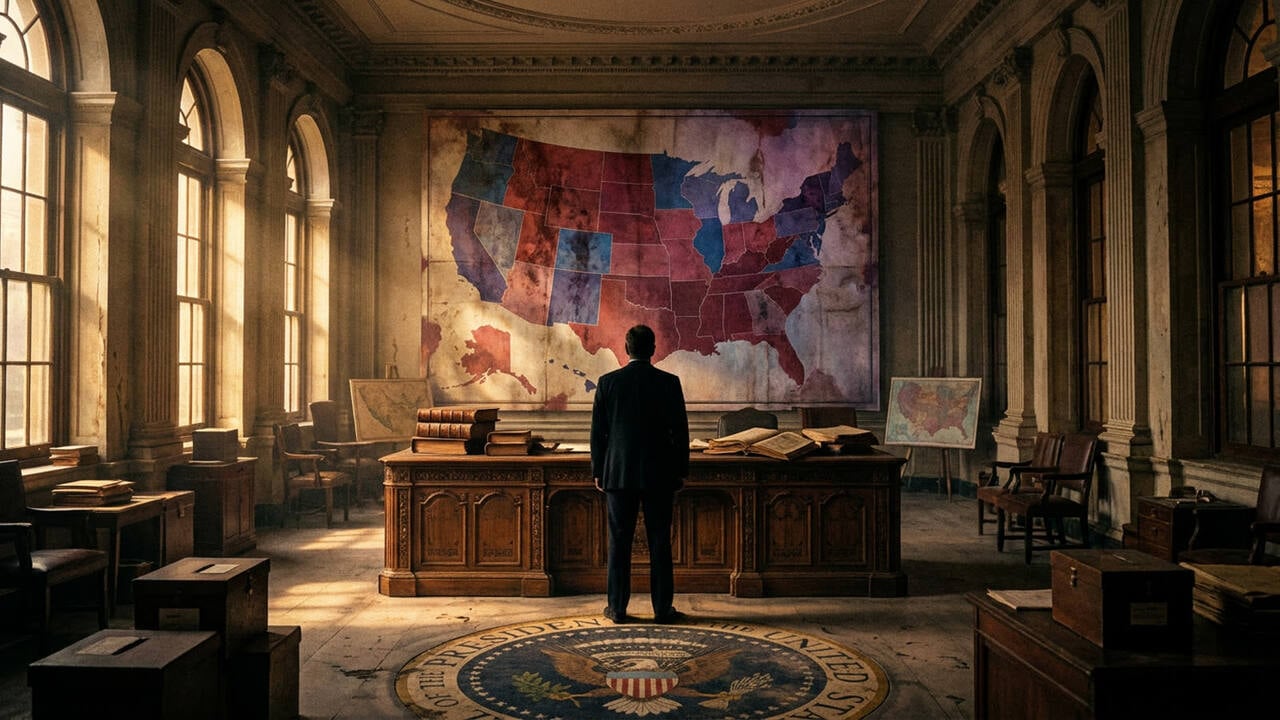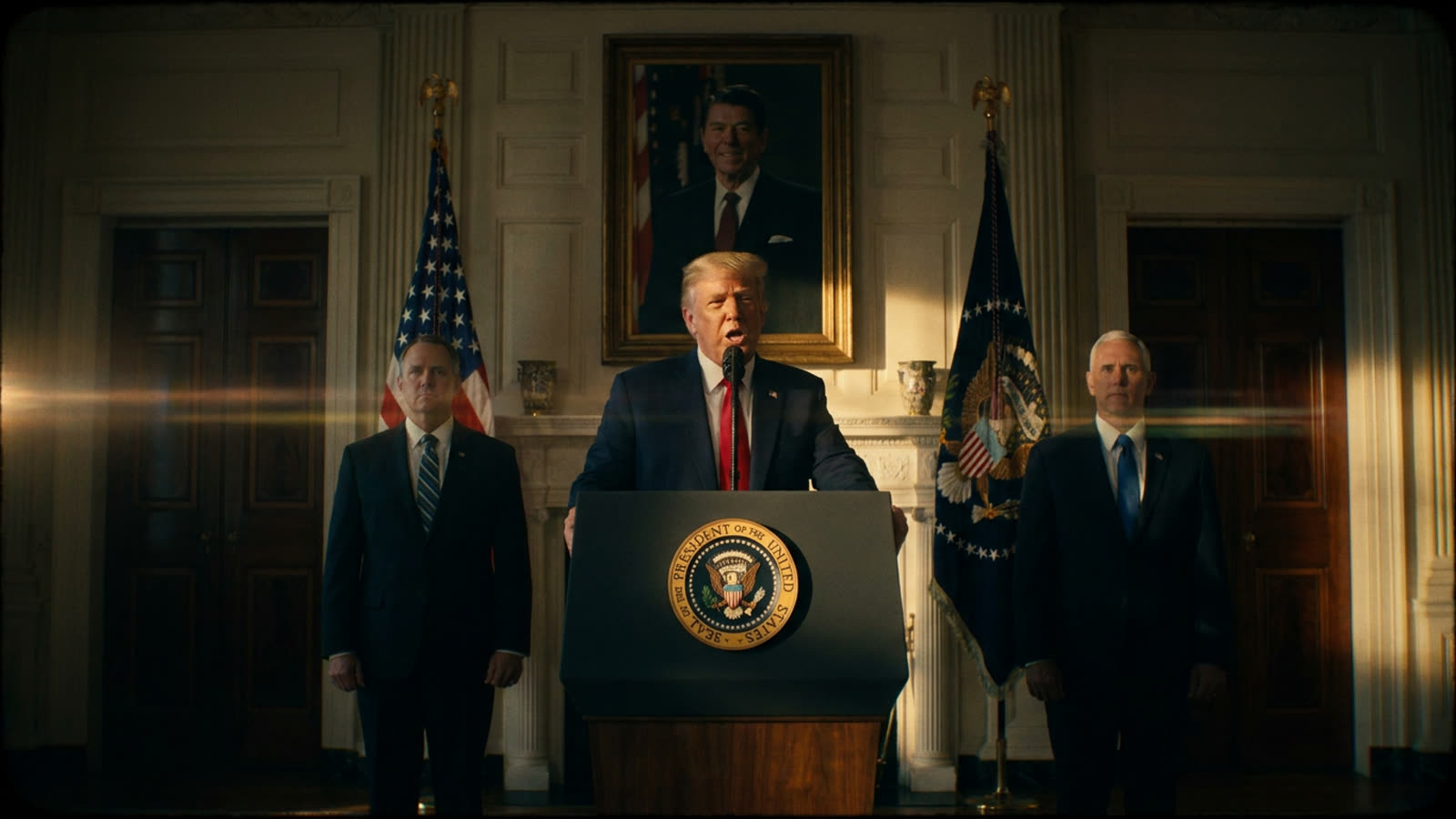
The Trump administration has discovered a new use for the Justice Department: pre-emptive election litigation disguised as law enforcement.
According to reporting this week, DOJ officials have opened or expanded investigations into election administration in several Democratic-leaning jurisdictions, citing concerns about voter roll maintenance, ballot handling procedures, and certification timelines. The investigations target localities that have not been accused of fraud in any court proceeding, have not produced statistically anomalous results, and have not drawn complaints from losing candidates. Their common denominator is that they are run by Democrats in states the administration would prefer to win.
The mechanics of intimidation
Federal election investigations carry enormous weight even when they produce nothing. A DOJ inquiry into a county election office means subpoenas, document requests, staff interviews, and legal fees—all borne by local governments with limited budgets. Election administrators must choose between doing their jobs and responding to federal demands. The chilling effect is the point: officials who fear investigation may over-purge voter rolls, reject legitimate ballots, or simply quit.
The investigations also serve a narrative purpose. By announcing probes into "election integrity," the administration plants the seed that something is wrong before a single vote is cast. If results later favor Democrats, the pre-existing investigation becomes evidence of the fraud that was "already being looked into." It is a closed loop of delegitimization.
Legal guardrails, such as they are
The Hatch Act prohibits federal employees from using their positions to influence elections, but enforcement is complaint-driven and toothless. DOJ policy traditionally discourages overt election-related actions within 60 days of a vote, but that norm has been eroded and applies only to the immediate pre-election window. Nothing in federal law prevents the Attorney General from investigating whatever he pleases, whenever he pleases, for whatever reason he declines to state.
Congress could conduct oversight, but the Republican majority has shown no appetite for it. Courts could intervene if specific civil rights violations occur, but generalized investigative overreach is difficult to challenge before harm materializes. The guardrails, in short, assume good faith that is no longer operative.
The long game
What makes this different from ordinary political hardball is the institutional capture it represents. A Justice Department that investigates elections based on partisan outcomes is not enforcing the law; it is manufacturing doubt. The doubt then becomes the justification for further intervention—new voter ID requirements, new certification procedures, new grounds for challenging results.
The administration is not trying to win a single election. It is trying to establish that federal law enforcement has a permanent roving mandate to second-guess any election it finds inconvenient. If that precedent holds, the question of who counts the votes becomes secondary to who investigates the counters.
Our take
This is how democracies degrade: not through dramatic coups but through the slow normalization of investigative harassment. The DOJ probes may produce no indictments, no convictions, no findings of wrongdoing. They don't need to. Their purpose is to make election administration a high-risk, low-reward profession and to ensure that every close result comes pre-packaged with a conspiracy theory. The administration is betting that Americans will get used to it. They probably will.