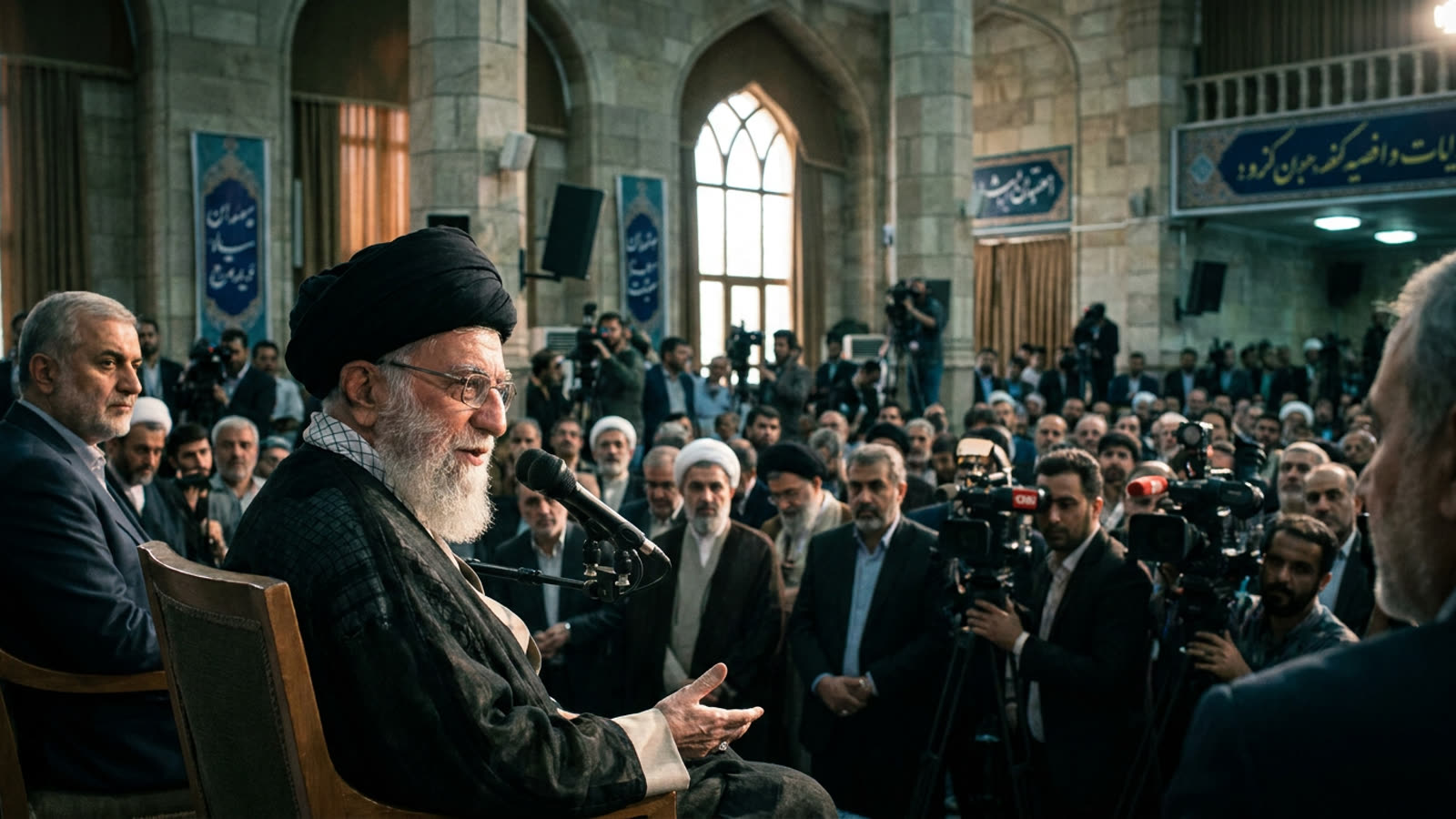
The message from Tehran could not have been more direct. In an interview with CNN, an advisor to Supreme Leader Ali Khamenei declared that military operations will persist until the United States demonstrates "respect for Iran's interests"—a formulation so deliberately vague that it functions less as a diplomatic opening than as a statement of indefinite resolve.
This is not the language of a government seeking an off-ramp. It is the language of a regime that has decided the current confrontation serves its purposes.
The respect doctrine
Western analysts have spent decades trying to decode what Iran actually wants. The advisor's framing provides unusual clarity: Tehran's war aims are not primarily about sanctions relief, nuclear thresholds, or even territorial buffer zones. They are about status. The Islamic Republic wants the United States to treat it as a legitimate regional hegemon whose sphere of influence extends from the Mediterranean to the Gulf of Oman.
This demand is, of course, incompatible with American alliance commitments to Israel, Saudi Arabia, and the Gulf states. Which is precisely the point. By defining victory as American "respect," Iran's leadership has constructed a goal that cannot be satisfied through conventional diplomacy. There is no treaty that grants respect. There is only capitulation or continued conflict.
Why Tehran is comfortable with escalation
The advisor's statement arrives as the Trump administration cycles through military strikes that have yet to produce meaningful behavioral change in Tehran. Iran's calculus appears to rest on several assumptions: that American public tolerance for Middle Eastern wars remains low, that oil price volatility will eventually force Washington to seek terms, and that the Islamic Republic's asymmetric capabilities—drones, proxies, missile salvos—can impose costs without triggering the kind of full-scale invasion that would genuinely threaten the regime.
There is also the domestic dimension. Khamenei is 87. The succession question looms. A war footing that rallies nationalist sentiment and marginalizes reformist voices serves the hardline establishment's interests regardless of battlefield outcomes.
The American dilemma
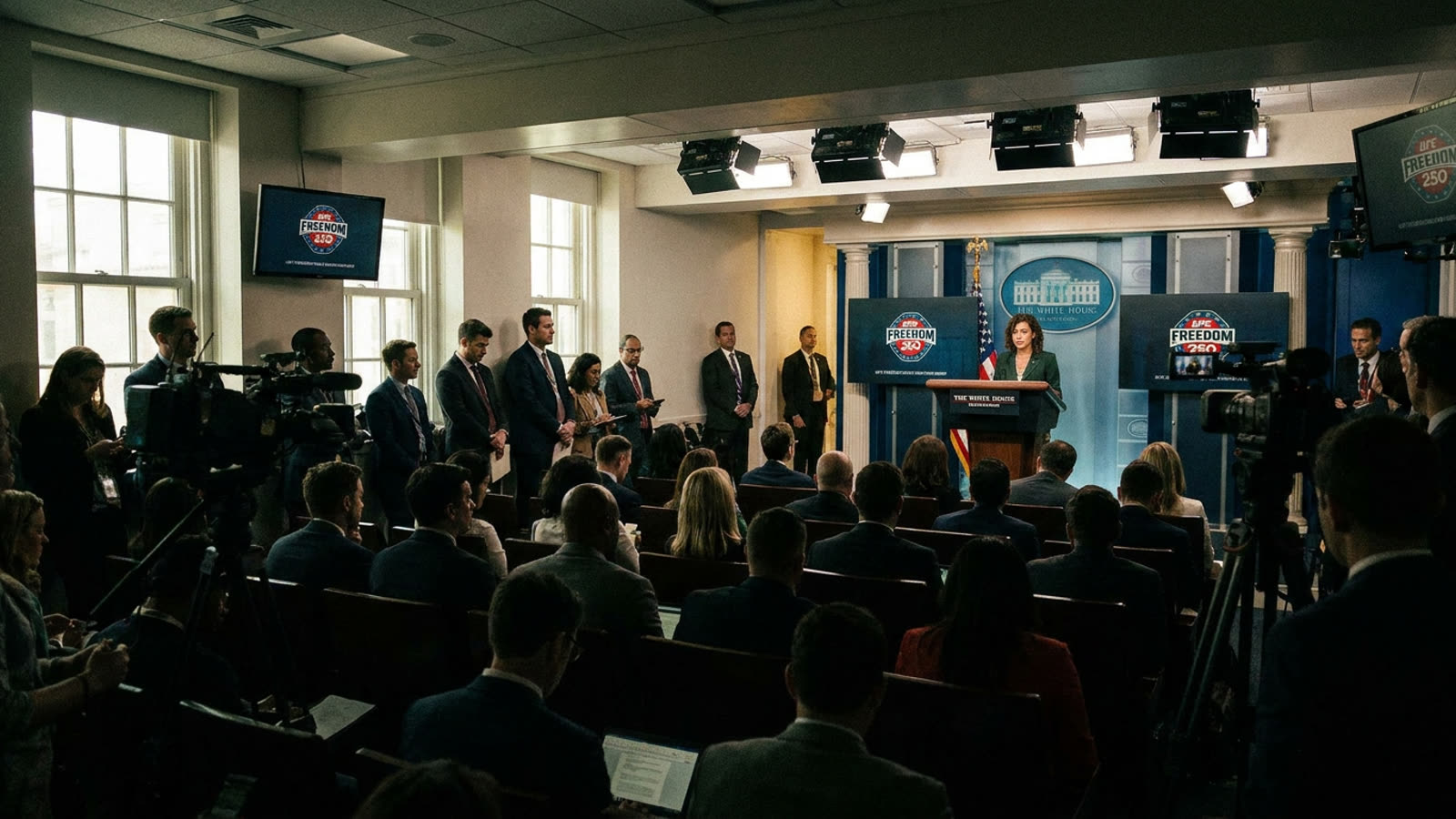
The interview puts the White House in an uncomfortable position. President Trump has oscillated between threats of overwhelming force and hints at a grand bargain. Neither approach maps onto an adversary whose stated objective is American deference. Bombing campaigns that do not alter Iran's fundamental posture simply validate Tehran's narrative of resistance. Diplomatic overtures that do not include recognition of Iranian regional primacy will be rejected as insufficient.
The administration's preference for avoiding Senate-confirmed officials at key national security posts compounds the problem. Ad hoc decision-making is poorly suited to a conflict against an opponent with a coherent, if maximalist, theory of victory.
Our take
Iran's advisor said the quiet part aloud: this is not about enrichment percentages or prisoner swaps. It is about whether the United States will accept a Middle Eastern order in which Iran is a co-equal power. Washington has no good options, only a choice between indefinite low-intensity conflict and a concession that would unravel decades of regional alliance architecture. Tehran, for now, seems content to wait.