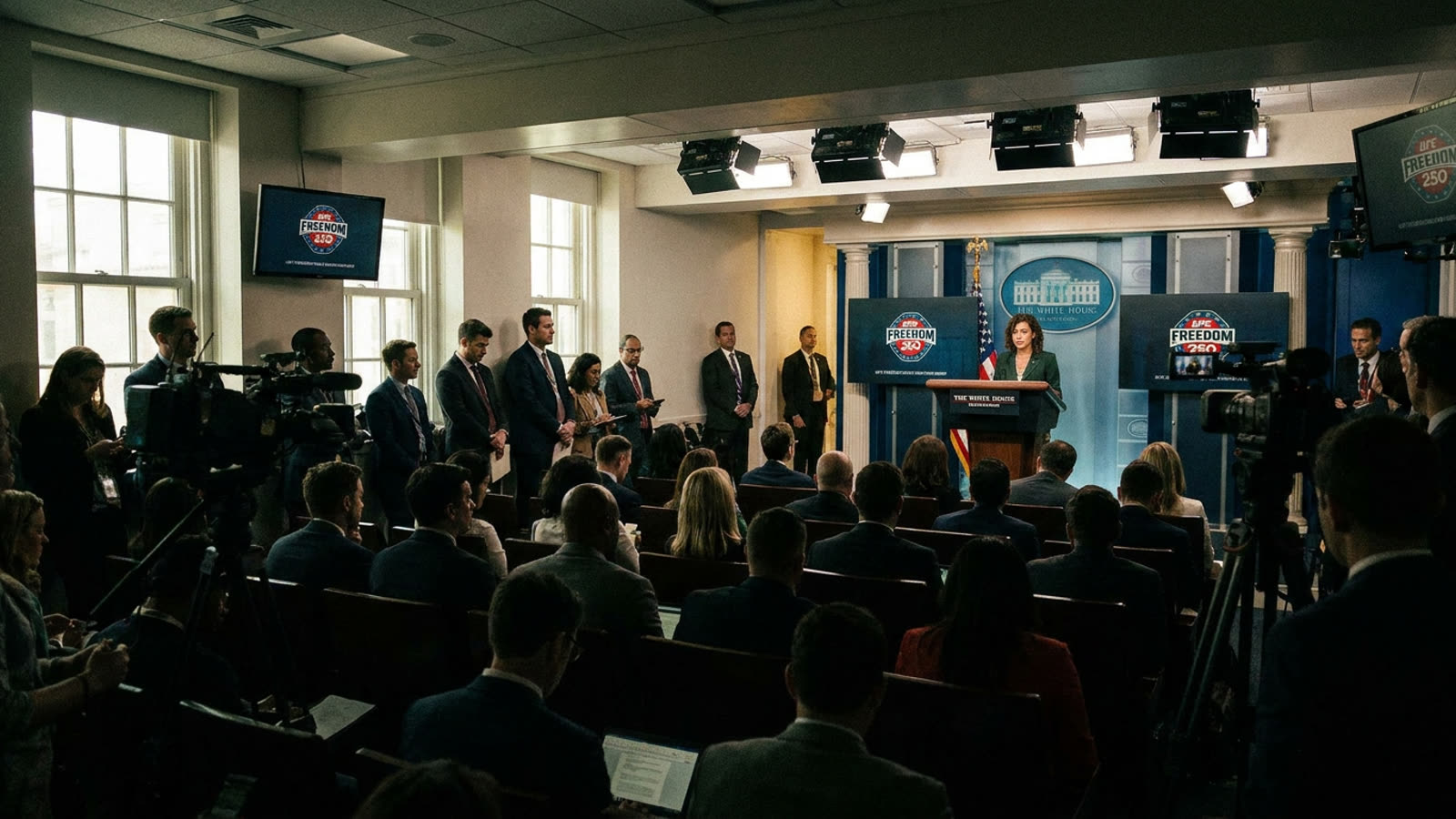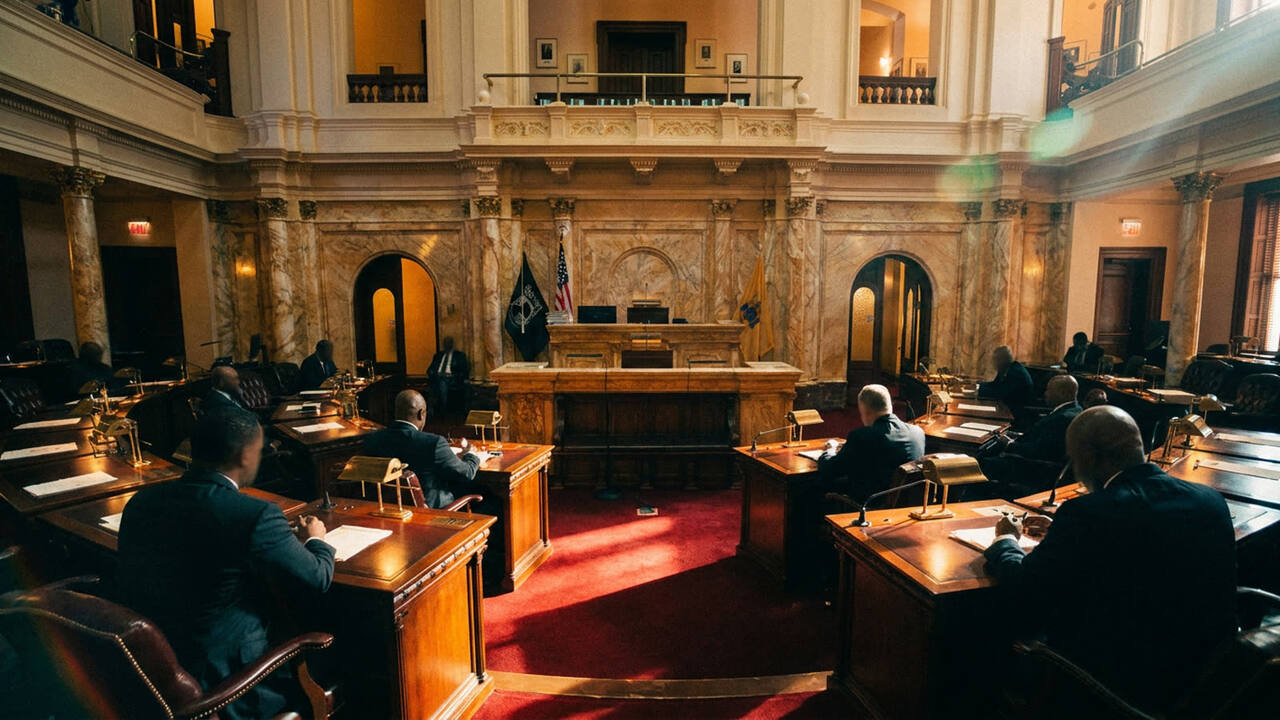
The framers of the Constitution imagined a Senate that would serve as a check on executive overreach, a deliberative body whose consent would be required before any president could staff the highest offices of government. What they did not anticipate was a president who would simply decline to play along.
The Trump administration has elevated the use of acting officials and recess appointments to something approaching doctrine. Cabinet-level positions remain unfilled through normal channels not because qualified nominees are unavailable, but because the confirmation process itself has been deemed an inconvenience. The result is a government increasingly run by officials who have never faced a single question from elected senators.
The math of avoidance
The strategy is arithmetically elegant. An acting official can serve for 210 days under the Federal Vacancies Reform Act, with extensions available under certain conditions. String together enough acting appointments, rotate personnel strategically, and you can run entire departments for years without ever submitting to the constitutional process. Add recess appointments — which the Supreme Court constrained but did not eliminate in its 2014 Noel Canning decision — and the Senate's leverage shrinks further.
What makes this moment different from previous administrations that also relied on acting officials is the openness of the calculation. There is no pretense that nominees are being prepared, no apologetic explanation about vetting delays. The confirmation process is being treated as one option among several, and not the preferred one.
Why the Senate cannot respond
The institution theoretically has tools to fight back. It could refuse to confirm any nominees until acting officials are withdrawn. It could hold up legislation the administration wants. It could make life difficult in a hundred procedural ways. But these tools require a unified Senate willing to defend its institutional prerogatives over partisan loyalty, and that Senate does not exist.
Republican senators have shown little appetite for confrontation with a president of their own party, even when their constitutional role is being diminished. Democratic senators lack the numbers to force the issue alone. The result is a kind of institutional shrug — complaints registered for the record, but no meaningful resistance.
The precedent problem
Every norm that erodes under one administration becomes available to the next. A Democratic president in 2029 or 2033 will inherit a playbook that now includes treating Senate confirmation as essentially optional for large swaths of the executive branch. The ratchet turns in one direction.
This is how constitutional provisions die — not through amendment or court ruling, but through sustained disuse until everyone forgets they were supposed to matter.
Our take
The advice-and-consent clause was designed for an era when senators were appointed by state legislatures and imagined themselves as a genuine aristocratic check on popular passions. That Senate is long gone. What remains is a body that cannot even defend its own constitutional turf, let alone serve as a meaningful constraint on executive power. The Trump administration has simply noticed what was already true: the emperor has no clothes, and neither does the Senate.