The Vatican's diplomatic corps operates on a principle that would strike any realist foreign-policy thinker as absurd: moral authority, properly deployed, can substitute for aircraft carriers. Yet the Holy See maintains formal diplomatic relations with more countries than the United States does, and its nuncios—the papal equivalent of ambassadors—have brokered ceasefires, prisoner exchanges, and regime transitions that eluded secular powers.
This is not soft power in the conventional sense. It is something older and stranger, a form of statecraft that predates Westphalia and has outlasted every empire that once dismissed it.
The machinery of papal diplomacy
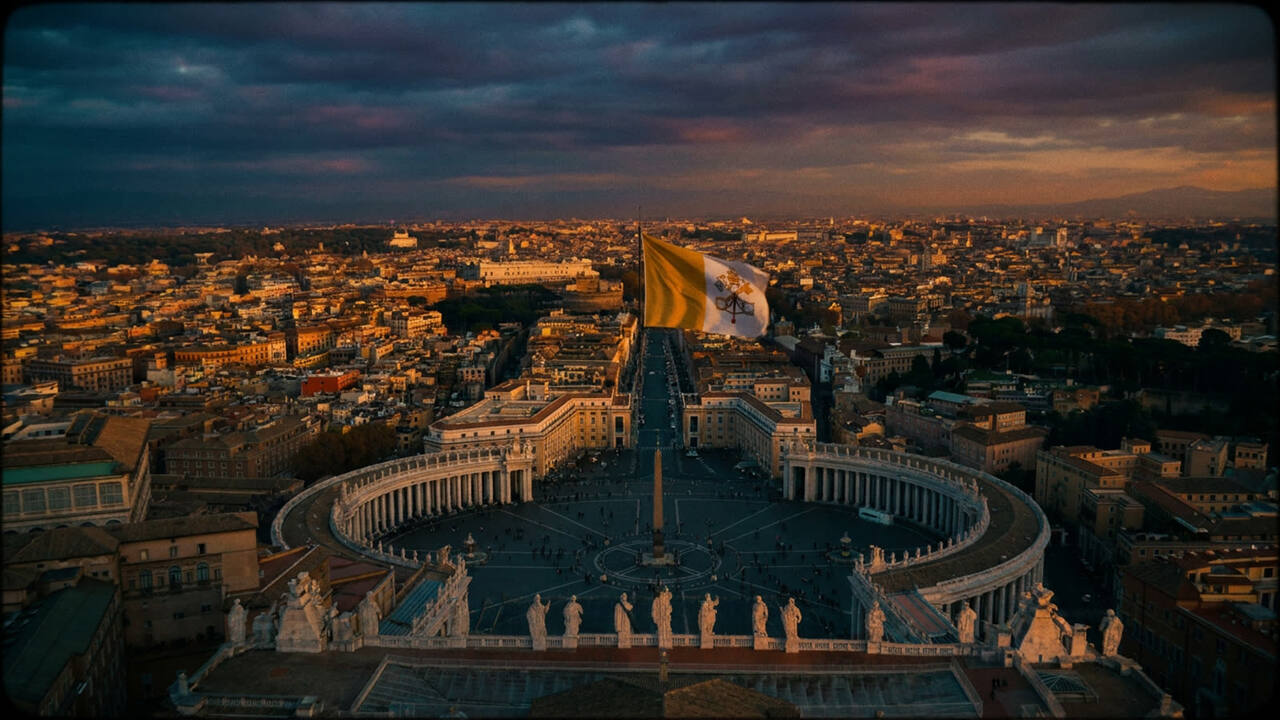
The Secretariat of State, headquartered in the Apostolic Palace, functions as the Vatican's foreign ministry. Its Section for Relations with States handles bilateral ties, concordats, and the delicate business of negotiating with governments that may be persecuting local Catholics while simultaneously seeking papal legitimacy. The current structure dates to a 1967 reform under Paul VI, but the underlying practice stretches back centuries—the first permanent papal nuncio was dispatched to Venice in 1500.
Nuncios hold a peculiar status in international protocol. Under the 1961 Vienna Convention on Diplomatic Relations, they are automatically considered the dean of the diplomatic corps in Catholic-majority countries, outranking ambassadors who arrived decades earlier. This is not mere ceremony; it grants the nuncio privileged access to heads of state and first claim on sensitive back-channel communications.
The Holy See's intelligence operation is equally distinctive. It gathers information through a network of bishops, religious orders, and lay Catholic organizations that penetrates societies at levels no conventional embassy can reach. A parish priest in a provincial Chinese city knows things that satellite imagery cannot capture.
Why governments keep calling Rome
The Vatican's value as an intermediary rests on three assets that secular powers cannot replicate. First, continuity: the Holy See thinks in centuries, not election cycles, making it a credible guarantor of long-term commitments. Second, neutrality: it has no territorial ambitions, no trade interests, no military alliances that might compromise its role as honest broker. Third, reach: with over a billion Catholics worldwide, a papal endorsement—or condemnation—carries weight in domestic politics from Manila to Buenos Aires.
These assets have been deployed repeatedly in modern conflicts. The Vatican mediated the Beagle Channel dispute between Argentina and Chile in the late 1970s, averting a war that both militaries had prepared to fight. It facilitated the secret negotiations that restored U.S.-Cuban diplomatic relations. It has maintained a quiet dialogue with Beijing for decades, navigating the explosive question of who appoints Chinese bishops while most Western governments were focused on trade deficits.
The pattern is consistent: when conventional diplomacy stalls, when neither side can afford to be seen talking to the other, Rome becomes the back channel of last resort.
The limits of moral leverage
Papal diplomacy is not omnipotent. The Holy See's interventions in the Middle East have produced more statements than settlements. Its appeals during the Rwandan genocide went unheeded. And its insistence on engaging authoritarian regimes—the so-called Ostpolitik pursued during the Cold War—has drawn criticism for legitimizing oppressors in exchange for marginal concessions on religious freedom.
The Vatican's leverage depends entirely on whether the parties involved care about Catholic opinion, either domestically or internationally. In an increasingly secular Europe, that leverage has diminished. In Latin America, Africa, and parts of Asia, it remains substantial.
Our take
The Holy See's diplomatic apparatus is a reminder that the Westphalian system of sovereign nation-states is younger and more contingent than its inhabitants tend to assume. Before there were foreign ministries, there were papal legates. The Vatican has outlasted the Holy Roman Empire, the Concert of Europe, the League of Nations, and the Soviet bloc. It will likely outlast whatever order emerges from the current geopolitical turbulence. Whether that continuity represents wisdom or mere institutional inertia depends on your theology, but its utility to governments in crisis is difficult to dispute. When all other channels have failed, there is always Rome.