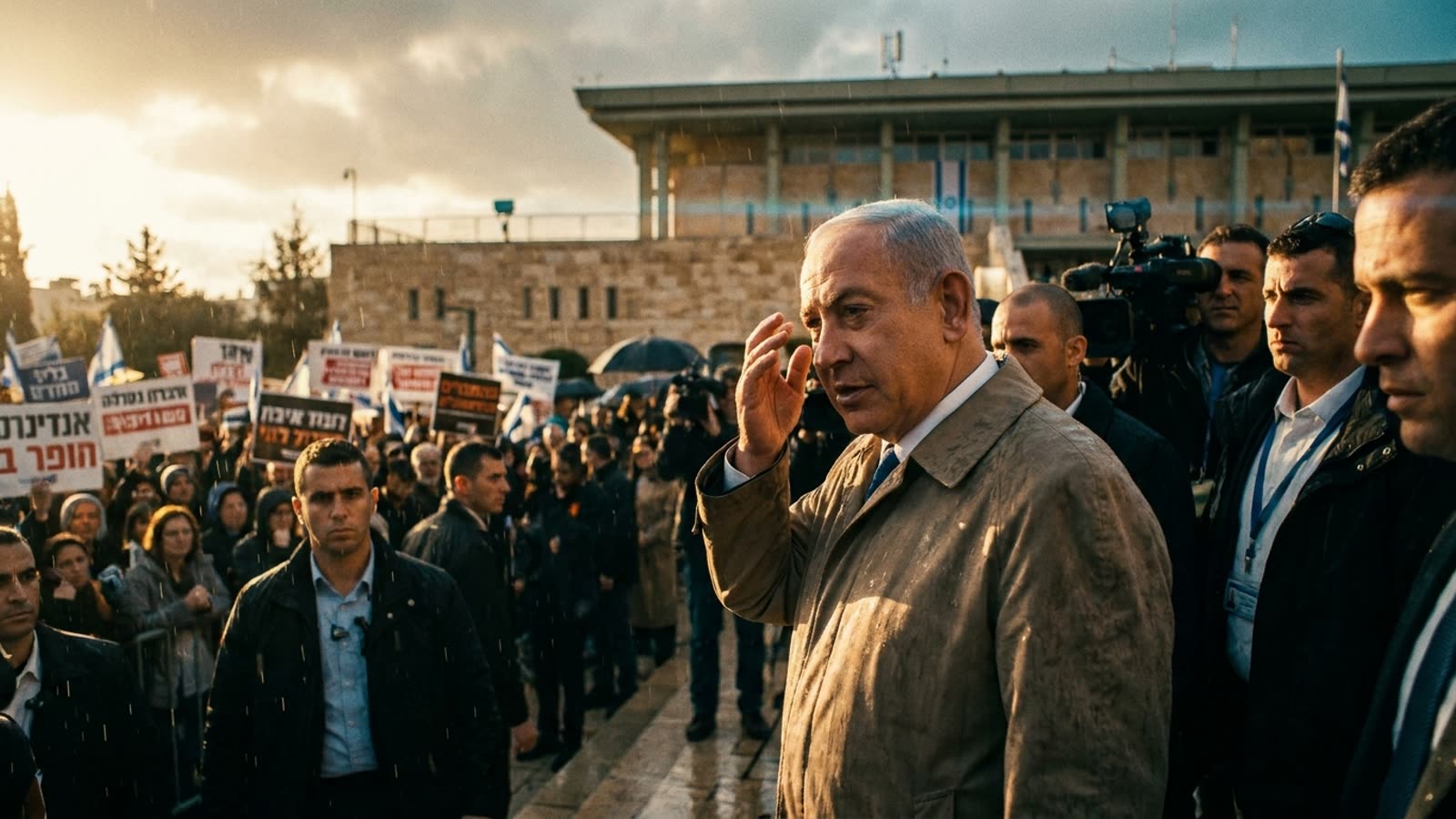
For three decades, Benjamin Netanyahu positioned himself as the only Israeli leader capable of managing the Iranian threat. That brand is now in ruins, and Israeli voters appear ready to send the bill.
The American-brokered agreement with Tehran—negotiated over Netanyahu's strenuous objections and concluded without meaningful Israeli input—has transformed the political landscape in Jerusalem. Polls conducted since the deal's announcement show Netanyahu's Likud party trailing the opposition by margins not seen since his wilderness years in the early 2000s. The prime minister who survived corruption indictments, coalition collapses, and the October 7th catastrophe may have finally encountered a failure his formidable political skills cannot spin away.
The architecture of a brand collapse
Netanyahu's entire political identity rested on a simple proposition: only he understood the Iranian regime's true nature, and only he could navigate Israel's relationship with Washington to prevent a bad deal. He delivered that message to Congress in 2015, to the United Nations repeatedly, and to Israeli voters in election after election. The proposition worked because it was unfalsifiable—until now.
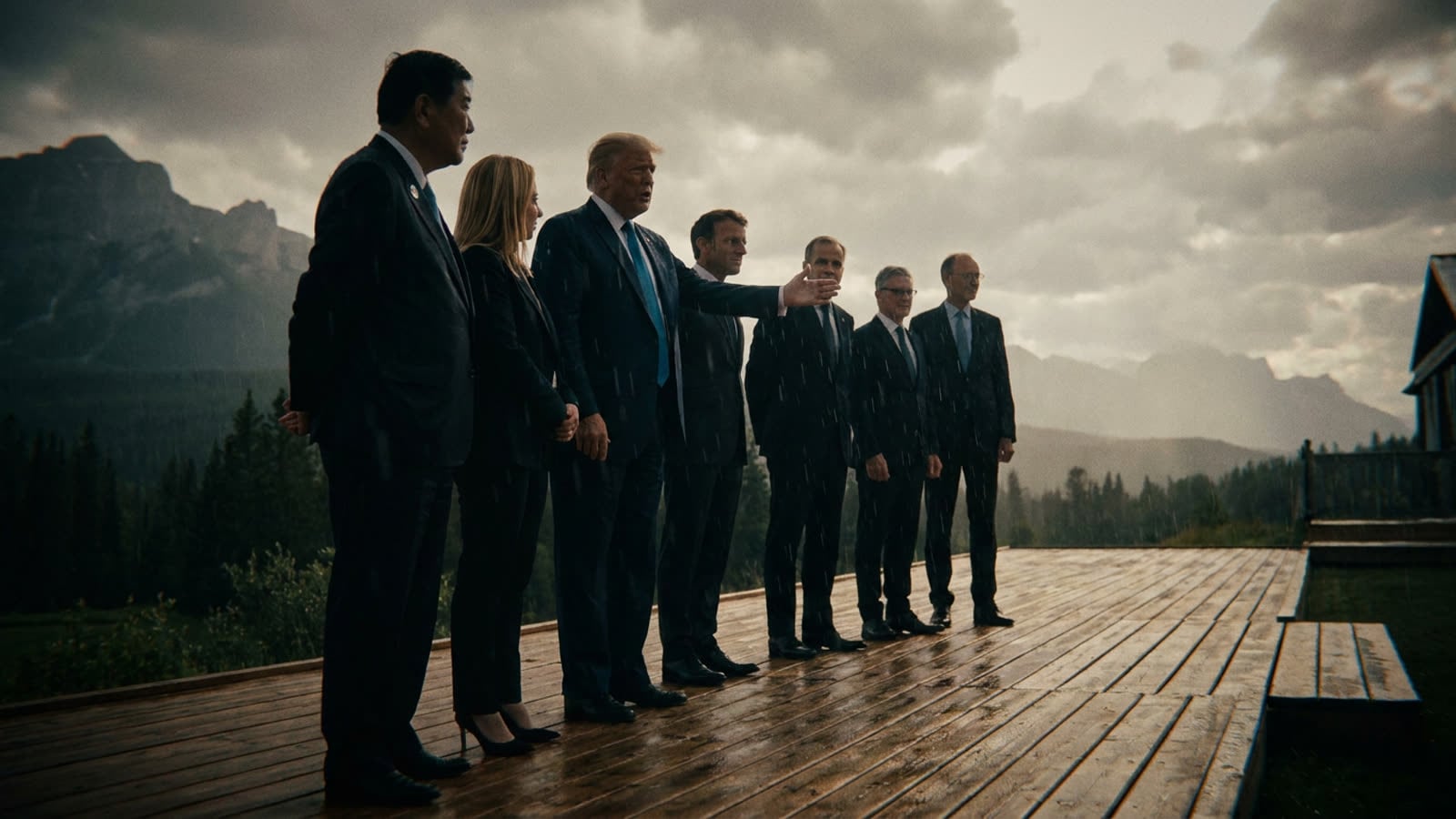
The Trump administration's decision to negotiate directly with Tehran, treating Israeli concerns as secondary to American strategic interests, exposed the limits of Netanyahu's influence in ways his domestic opponents never could. Israeli security officials reportedly learned of key deal provisions from news reports rather than diplomatic channels. For a leader who claimed unique access to American decision-making, the humiliation is comprehensive.
The coalition mathematics
Netanyahu's governing coalition, already strained by disputes over judicial reform and ultra-Orthodox military service, now faces centrifugal forces that may prove impossible to contain. Defense Minister Yoav Gallant has publicly questioned whether the government adequately prepared for the diplomatic outcome. Finance Minister Bezalel Smotrich, representing the settler movement, has called the deal an "existential betrayal" and demanded new elections.
The irony is acute: Netanyahu's far-right coalition partners, whom he empowered to maintain his grip on power, are now the loudest voices demanding accountability for a failure that was largely beyond any Israeli leader's control. The prime minister built a coalition designed to protect him from prosecution; it may instead accelerate his political demise.
What comes next
Israeli opposition leaders sense opportunity. Former Prime Minister Yair Lapid has called for a national unity government to "repair the damage" to the U.S.-Israel relationship. Benny Gantz, the former defense minister, has positioned himself as the sober alternative who warned against Netanyahu's confrontational approach to Washington. Neither has yet consolidated the center-left vote, but Netanyahu's weakness creates space for realignment.
The timing compounds Netanyahu's difficulties. Israeli law requires elections by late 2026, but coalition partners could force an earlier vote. The prime minister's traditional strategy—rallying the base around security threats and warning that the left would endanger Israel—loses potency when the security failure occurred on his watch, under a Republican administration he cultivated assiduously.
Our take
Netanyahu's political longevity has always depended on convincing Israelis that the alternatives were worse. That argument becomes difficult to sustain when voters can see, clearly, that his approach to the defining challenge of his career produced exactly the outcome he promised to prevent. The arch-survivor may survive this too—he has defied political gravity before—but the laws of Israeli politics suggest that a leader who fails on his signature issue eventually pays the price. The bill appears to be coming due.