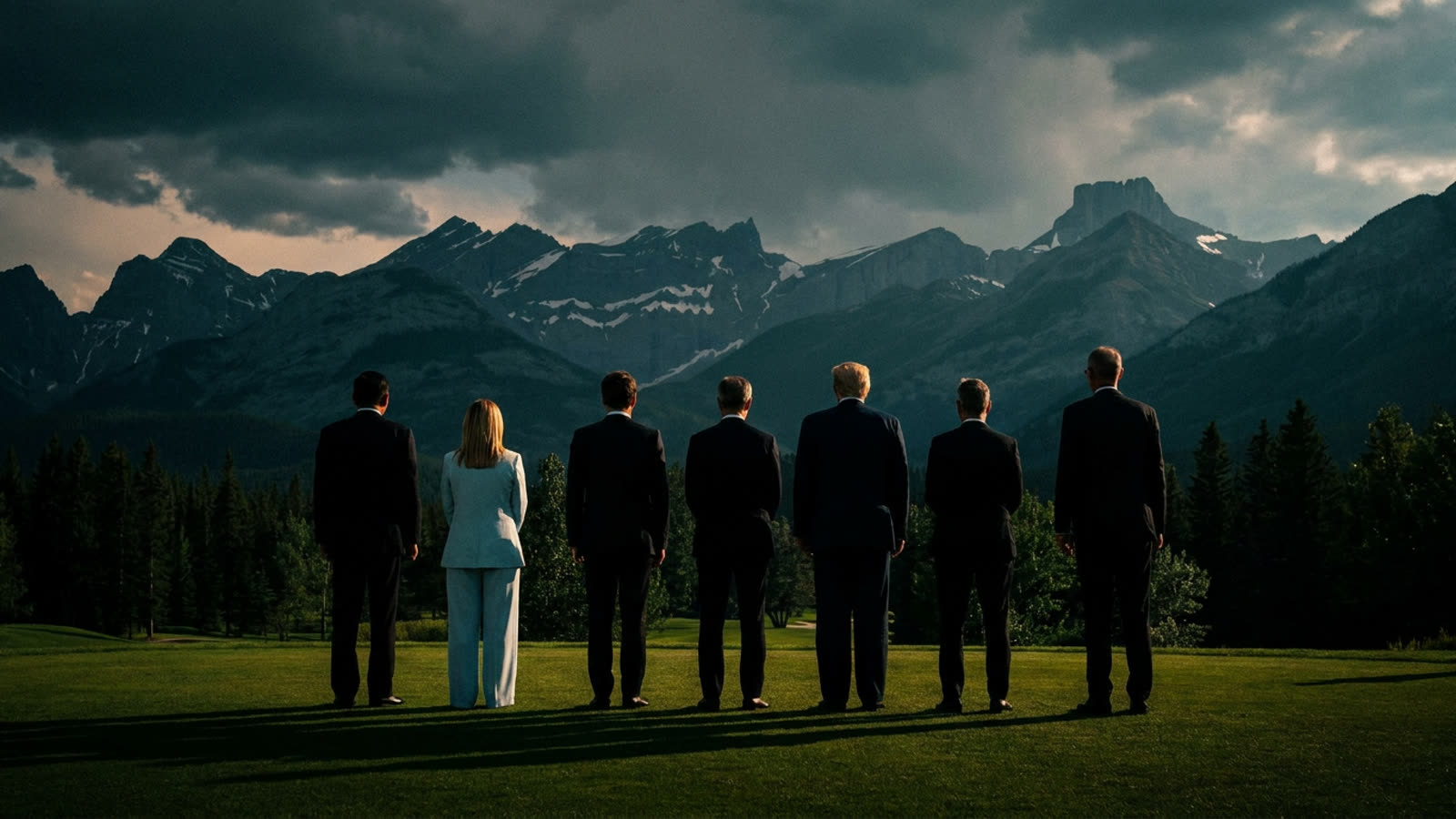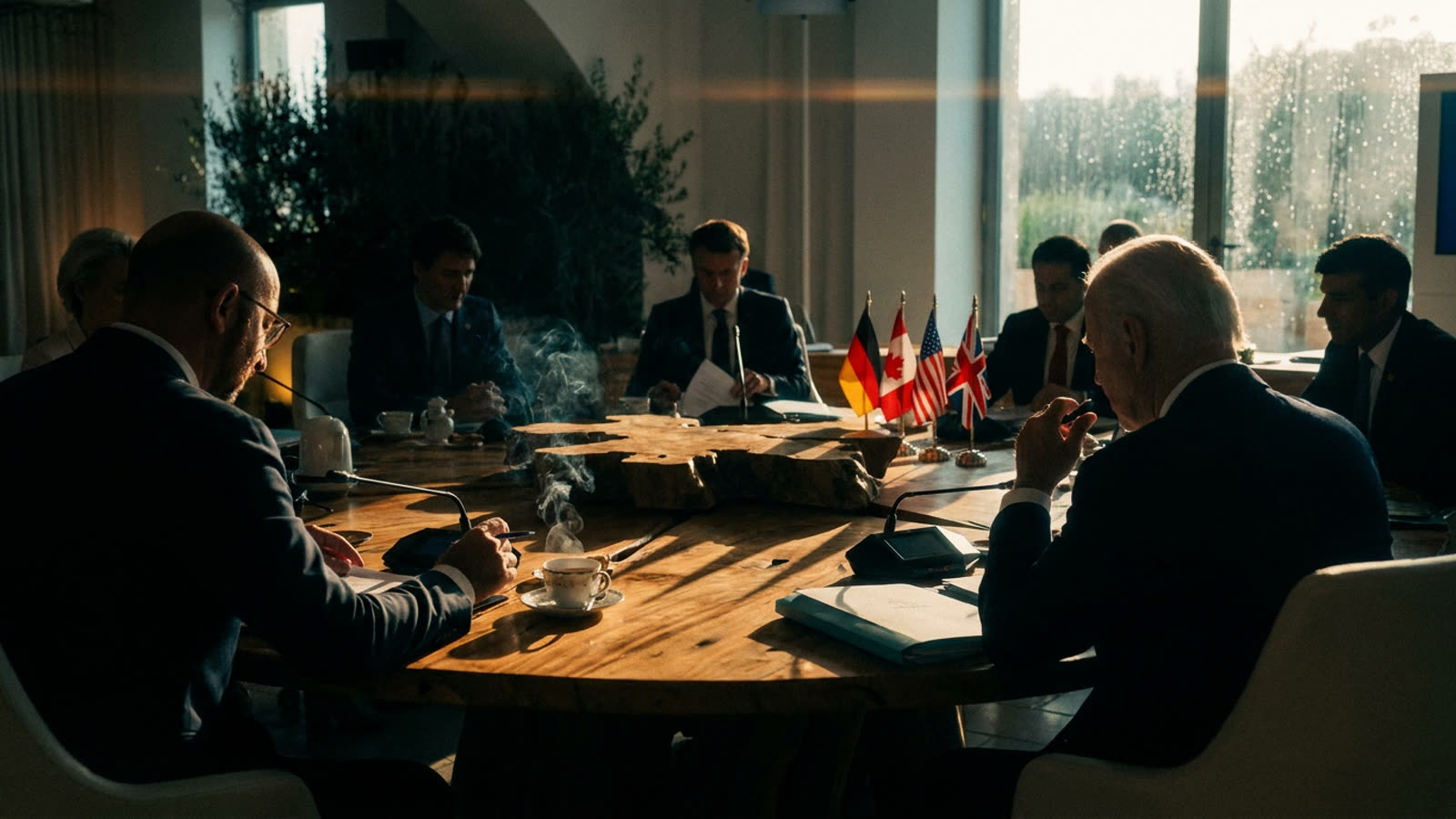
The G7's gathering in France this week was supposed to be about everything—trade, AI, climate, the global economy buckling under the weight of conflict. Instead, it became about the one thing the fractious alliance could still stomach discussing together: Ukraine.
The joint communiqué released Tuesday pledged "greater pressure on Russia" and reaffirmed the bloc's commitment to Kyiv's sovereignty, a message that would have felt routine two years ago but now reads as a deliberate pivot away from the elephant in every room. The Iran war—Trump's war, as European leaders have taken to calling it privately—has driven wedges through the alliance that no amount of diplomatic language can paper over. Ukraine, by contrast, remains the rare issue where Washington and its partners can still share a stage without visible grimacing.
The path of least resistance
The mechanics of the new Russia pressure campaign remain vague, as these things tend to be. Officials mentioned tightening sanctions enforcement, targeting third-country intermediaries funneling goods to Moscow, and exploring additional restrictions on Russian energy revenues. None of this is new; the G7 has been announcing variations on this theme since 2022. What's new is the enthusiasm with which leaders embraced the topic as a refuge from harder conversations.
French President Emmanuel Macron, hosting the summit, steered discussions toward Ukraine with the subtlety of a man desperate to avoid relitigating the Iran question for the dozenth time. German Chancellor Friedrich Merz, still finding his footing in office, was reportedly relieved to have a subject where he could stand shoulder-to-shoulder with Washington without facing domestic blowback. Even the British and Japanese delegations, sources say, welcomed the Ukraine focus as a diplomatic palate cleanser.
What wasn't said
The communiqué's most notable feature may be what it omitted. There was no joint statement on Iran, no unified position on the war's economic fallout, no coordinated response to the energy price spikes that have hammered European consumers. The phrase "burden sharing"—which Trump's team has been pressing for weeks—appeared nowhere in the final text.
This is not an alliance in harmony. It is an alliance in managed disarray, and the Ukraine pivot is less a show of strength than an admission that deeper fractures cannot be healed at a summit. The leaders chose to emphasize what still works rather than expose what doesn't.
Our take
There's something almost poignant about watching the G7 cling to Ukraine as its last unifying cause. The war in Eastern Europe, now grinding through its fourth year, has become the geopolitical equivalent of a safe topic at an awkward family dinner—everyone can agree Russia is bad, so let's talk about that instead of the screaming match we had in the kitchen. The new pressure on Moscow may or may not move the needle; what it definitely does is buy the alliance time before it has to confront the harder question of whether it still functions as one.