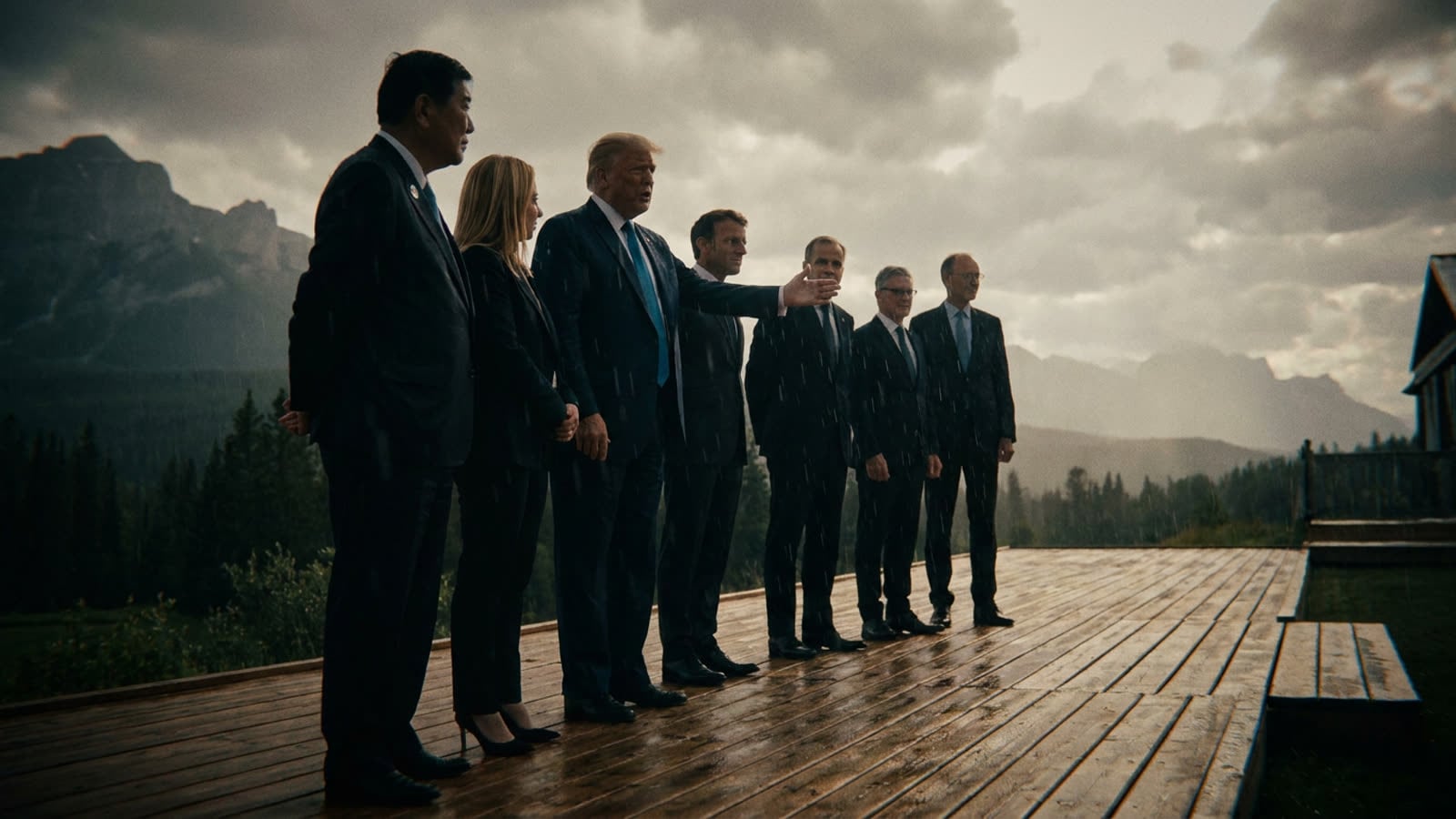
The Iran deal is barely dry and the G7 has already moved on. At this week's summit, leaders spent more time discussing gallium, germanium, and rare earth processing than they did celebrating the agreement that dominated headlines 48 hours ago. The pivot tells you everything about where Western anxiety actually lives.
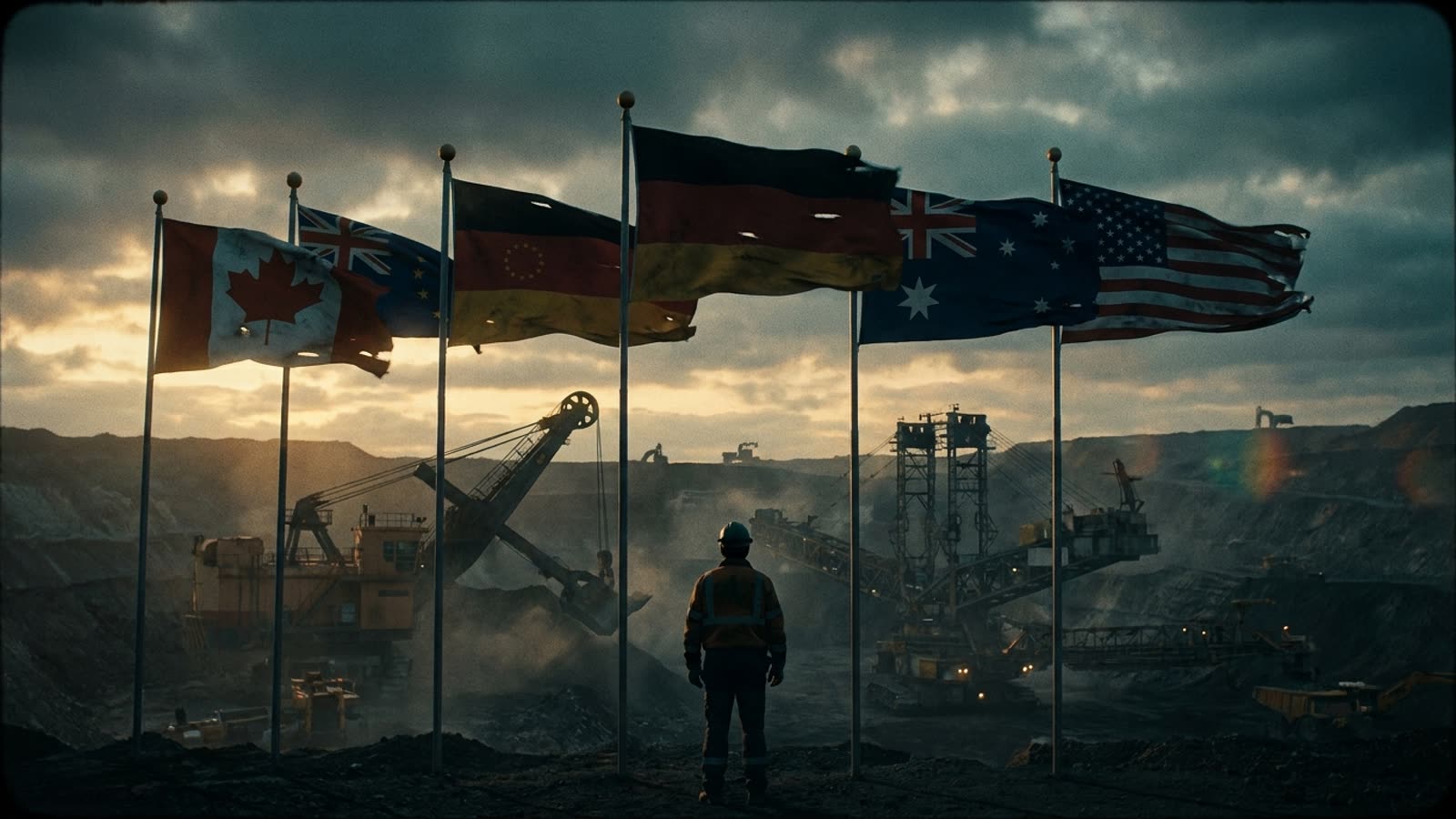
China controls roughly 60 percent of rare earth mining and nearly 90 percent of processing. It dominates graphite, gallium, and germanium — materials essential for everything from electric vehicles to missile guidance systems. When Beijing restricted exports of several critical minerals last year, it demonstrated a chokehold that no amount of diplomatic finesse can loosen quickly.
The uncomfortable math
Building alternative supply chains takes a decade and costs hundreds of billions. Australia has rare earths but limited processing capacity. The United States has deposits in California and Wyoming that sat dormant for years because Chinese production made them uneconomical. The Democratic Republic of Congo has cobalt but also has governance challenges that make Western investors nervous. None of these problems solve themselves by next quarter.
The G7 communiqué promises "coordinated investment" and "accelerated permitting" — the kind of language that sounds purposeful but commits no one to anything specific. France wants European processing facilities. The United States wants to revive domestic mining. Japan, which learned this lesson after a 2010 Chinese export ban, wants everyone to stockpile more aggressively. Agreement on the problem has not produced agreement on solutions.
Why now
The timing is not coincidental. With Iran neutralised as an immediate crisis, Western leaders need a new organising threat to justify continued coordination. China serves that purpose elegantly. It also happens to be an actual strategic vulnerability rather than a manufactured one. The difference between the Iran file and the minerals file is that bombing cannot fix a supply chain.
Some analysts argue the West should simply pay more for non-Chinese minerals and accept the cost. Others suggest that aggressive recycling programs could reduce virgin material demand within a generation. The uncomfortable truth is that neither approach works fast enough if Beijing decides to weaponise its position during a Taiwan crisis or trade dispute.
Our take
The G7's mineral awakening is genuine but late. China spent two decades building this leverage while Western capitals focused on cheaper consumer goods and quarterly earnings. Unwinding that dependency will require the kind of industrial policy that free-market orthodoxy spent years discrediting. The leaders in Canada this week know what needs to happen. Whether their domestic politics will let them do it is another question entirely.