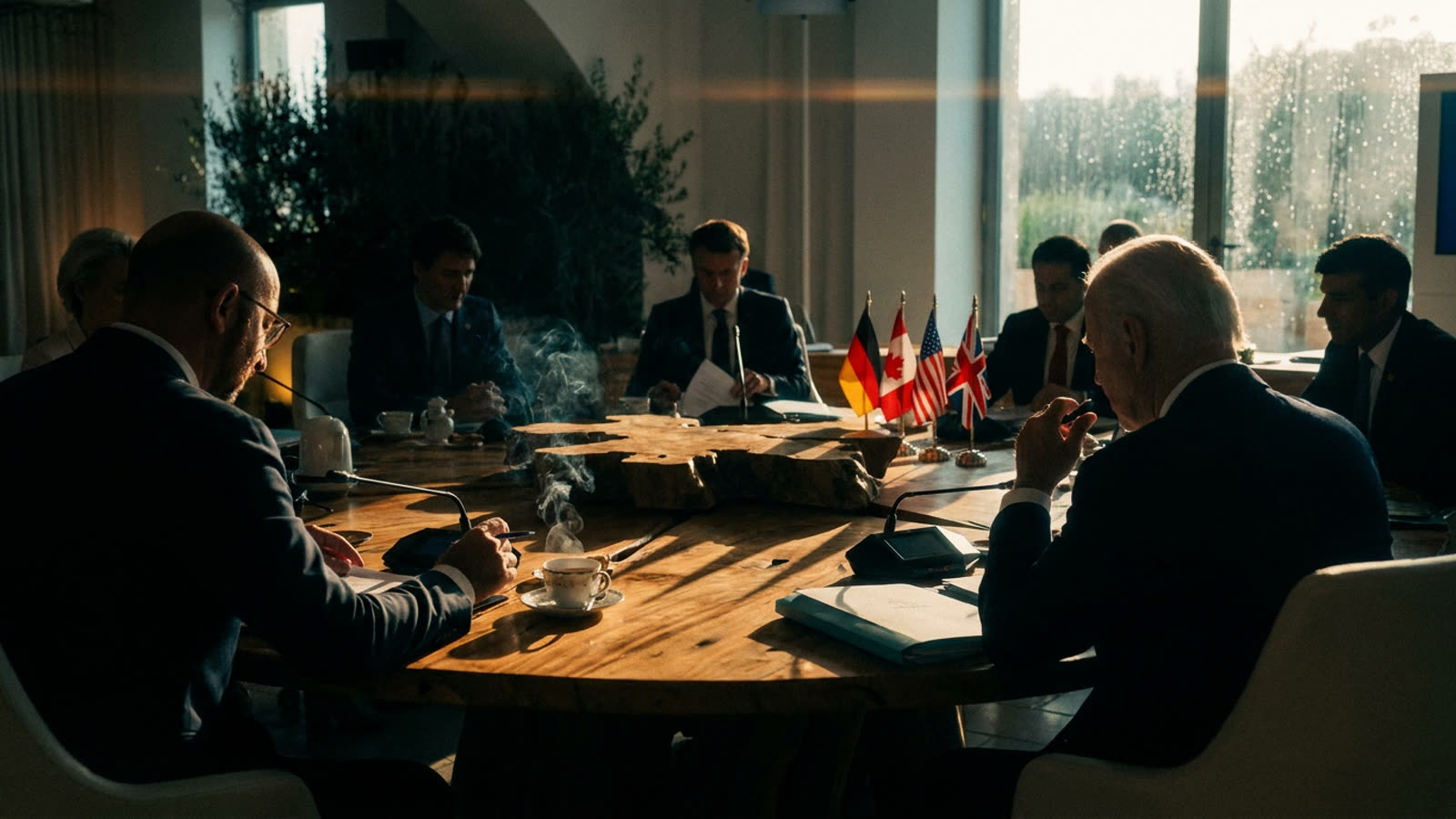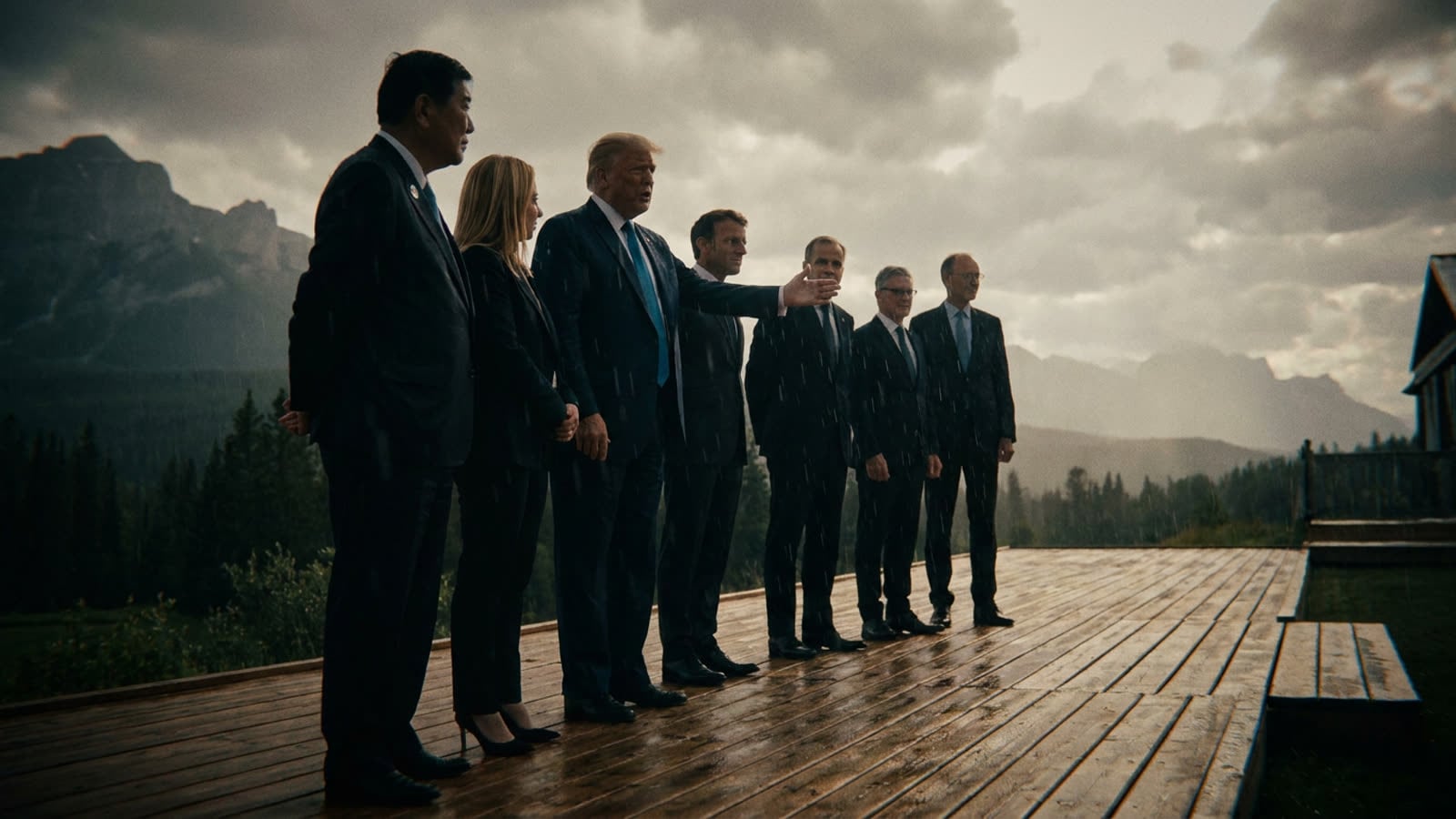
The communiqué from the G7 summit in France reads like a diplomatic love letter to American dealmaking. Leaders from the world's wealthiest democracies praised President Trump's Iran agreement as a breakthrough, welcomed the prospect of regional stability, and pledged continued coordination on Middle East security. What the official statement omits is more revealing than what it contains.
Behind closed doors in the French Alps, allied delegations spent considerable energy discussing how to manage the economic fallout from a conflict they neither started nor could stop. The war's disruption to energy markets, shipping lanes, and global supply chains has left G7 economies nursing wounds that will take years to heal. The praise, in other words, is less about admiration than relief that the bleeding has stopped.
The art of the diplomatic compliment
International summits excel at producing statements that mean everything and nothing simultaneously. The G7's endorsement of the Iran deal follows this tradition faithfully. By praising Trump's agreement, European and Asian leaders accomplish several goals at once: they avoid antagonizing a mercurial American president, they signal to their own domestic audiences that the crisis is resolved, and they create diplomatic space to quietly pursue their own interests in Tehran.
The alternative — publicly criticizing an American president at a summit he is attending — carries obvious risks. French President Macron, hosting the gathering, has particular incentive to maintain cordial atmospherics. Germany and Japan, both heavily dependent on stable energy supplies, have even less appetite for confrontation. The praise is genuine in the sense that everyone genuinely wants the fighting to end. It is tactical in the sense that no one believes this deal resolves the underlying tensions.
What the communiqué doesn't say
Notably absent from the G7 statement is any commitment to lift sanctions that predate the recent conflict, any timeline for verification mechanisms, or any acknowledgment of the humanitarian situation in Iran. The leaders demanded a ceasefire in Lebanon — where Iranian-backed Hezbollah has been exchanging fire with Israel — but offered no enforcement mechanism. They welcomed the deal without endorsing its specific terms.
This is diplomatic hedging of the highest order. European governments, burned by the collapse of the 2015 nuclear agreement, are wary of investing political capital in any arrangement that depends entirely on the goodwill of two unpredictable governments. The praise is real; the commitment is provisional.
Our take
The G7's standing ovation for Trump's Iran deal is the international equivalent of applauding when the pilot lands a plane he also set on fire. The leaders gathered in France are not celebrating American diplomatic genius; they are celebrating the absence of active catastrophe. That distinction matters less to Trump, who will claim vindication, than to the alliance itself, which must now rebuild economic relationships strained by a conflict it never wanted. The deal may hold. The skepticism will last longer.