Reality television has spent two decades proving that bad behavior is good business. Screaming matches boost ratings. Cheating scandals trend on Twitter. Physical altercations get their own reunion specials. The implicit contract between producers and audiences has always been clear: we will show you the worst of human nature, and you will pretend to be shocked while reaching for more popcorn.
So when Love Island USA removed contestant Alannah from the villa after footage surfaced of her using the N-word, the swiftness of the decision felt almost disorienting. No dramatic confrontation filmed for maximum engagement. No tearful apology tour across three episodes. Just an exit, and a statement, and the show moving on.
The new calculus of cancellation
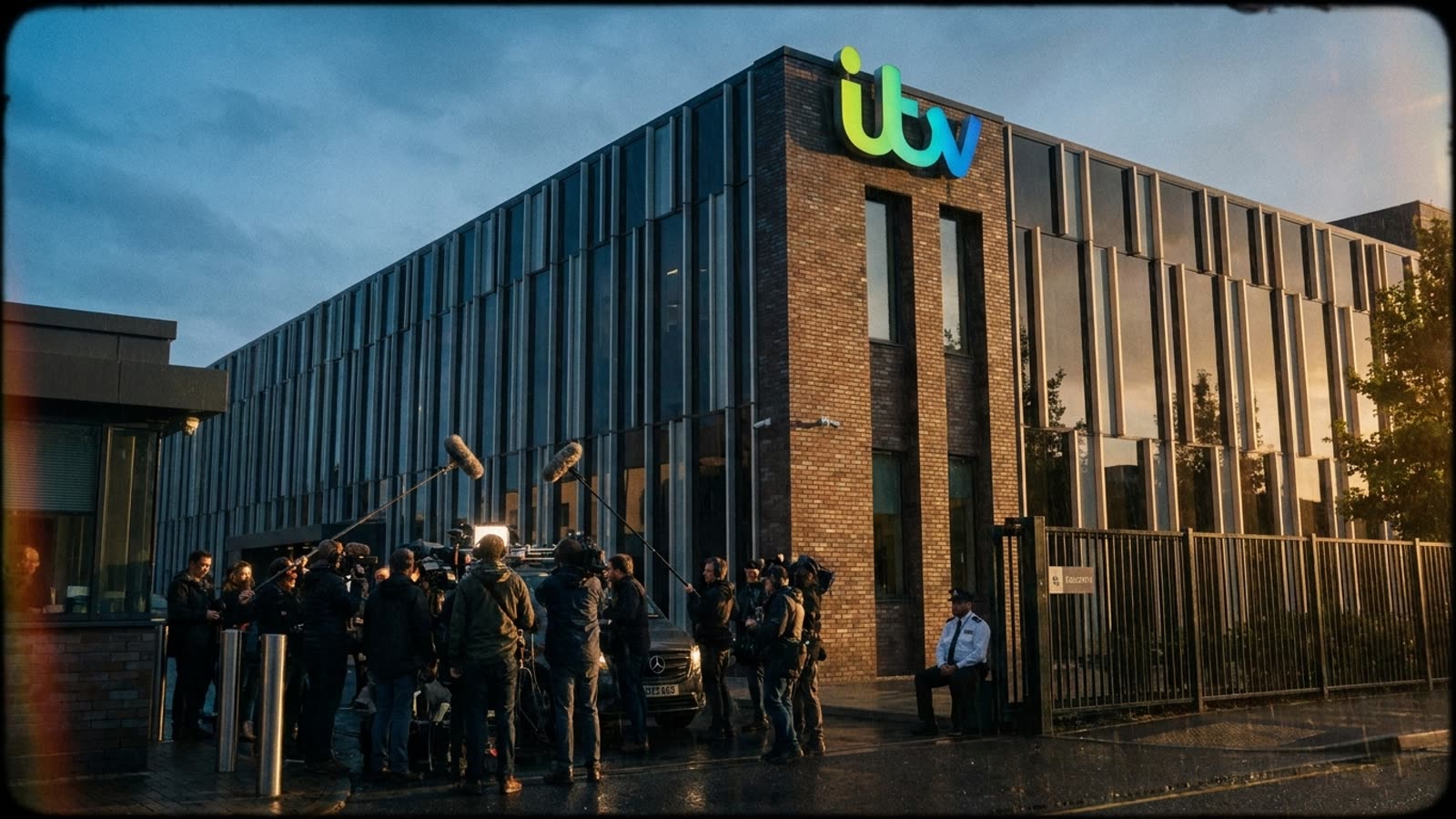
The mechanics here matter more than the morality. Love Island's parent company, ITV, has been burned before—the UK version faced intense scrutiny after multiple contestant deaths by suicide and accusations that producers prioritized drama over mental health. The American franchise, distributed through Peacock, operates in a streaming environment where subscriber retention depends on brand safety in ways that traditional broadcast never did. An advertiser can weather a controversy on CBS; a streaming platform cannot afford to become synonymous with one.
Alannah's removal, then, represents less a principled stand than a risk calculation that finally tipped in favor of action. The footage was unambiguous. The social media response was immediate. The cost of keeping her exceeded the cost of the disruption.
Why this matters beyond the villa
The broader reality television industrial complex is watching. For years, the genre has operated on the assumption that controversy is content—that a racist remark or a homophobic slur could be addressed with a perfunctory apology and a reunion-show reckoning that itself becomes must-see television. The Alannah precedent suggests that calculation may be shifting, at least for certain offenses.
This does not mean reality TV has developed a conscience. It means the platforms distributing it have developed shareholders who read news alerts. The distinction is important: accountability that depends on corporate liability is accountability that can disappear the moment the math changes.
Our take
There is something grimly satisfying about watching an industry that has monetized cruelty for decades finally encounter a form of cruelty it cannot package and sell. But let us not confuse a business decision for a moral awakening. Love Island removed Alannah because keeping her had become expensive. The day it becomes cheap again, the villa doors will swing wide open.