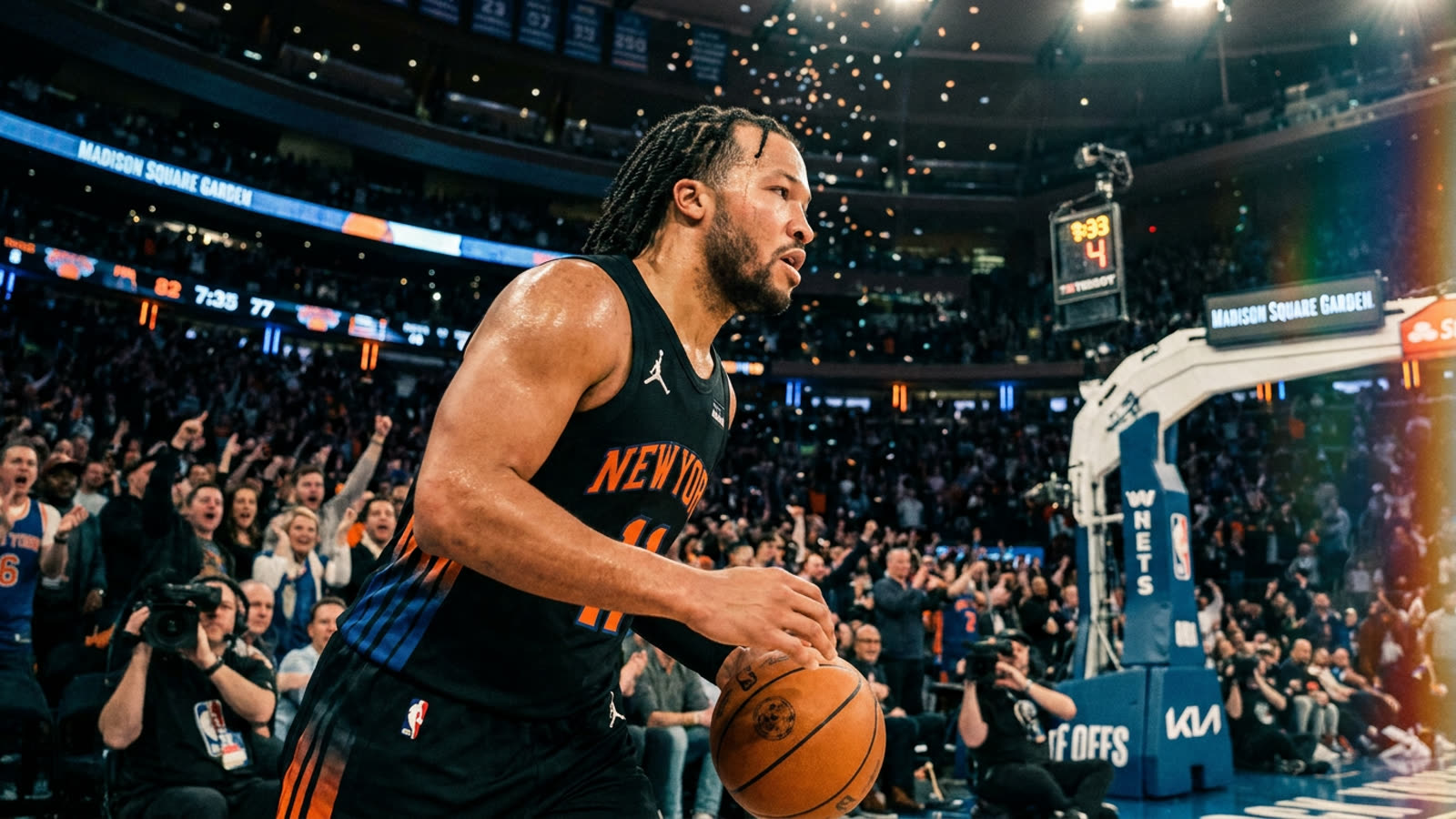
The New York Knicks are going to the NBA Finals for the first time since 1999, and the path there required nothing less than organizational exorcism. Their sweep of the Cleveland Cavaliers wasn't just a series win — it was a statement that the franchise's quarter-century of dysfunction is officially over, sealed by Jalen Brunson's Conference Finals MVP performance and a roster construction that finally prioritized winning over hope.
The last time the Knicks played for a championship, Latrell Sprewell was their best player, Y2K panic was real, and LeBron James was a 14-year-old in Akron. The intervening decades brought James Dolan's meddling, Isiah Thomas's catastrophic tenure, the Carmelo Anthony trade's aftermath, and an endless parade of bad contracts and worse draft picks. That the Knicks escaped this purgatory at all is remarkable. That they did it through shrewd, patient team-building is almost disorienting.
The Brunson bet
When the Knicks signed Brunson to a four-year, $104 million deal in 2022, skeptics wondered if a 6-foot-1 guard who'd never been an All-Star could anchor a contender. The answer came in stages: first as a steady floor general, then as a playoff performer who elevated his game when stakes rose, and now as the engine of a Finals team. His series against Cleveland was surgical — pick-and-roll mastery, mid-range efficiency that would make DeMar DeRozan nod approvingly, and a refusal to defer in crunch time.
Brunson's game lacks the highlights that generate social media virality. He doesn't dunk over centers or pull up from the logo. What he does is make correct decisions at an almost metronomic rate, punishing defensive mistakes with a craftiness that belies his physical limitations. Against the Cavaliers, Cleveland had no answer for his patience.
Roster construction that actually worked
The Knicks' front office, led by Leon Rose, built this team through a combination of draft hits, opportunistic trades, and the willingness to pay luxury tax for depth. The OG Anunoby acquisition last season added two-way versatility. The development of their young core provided cost-controlled talent. And the decision to surround Brunson with players who complement rather than duplicate his skills created a roster with genuine balance.
This is what competent NBA team-building looks like — not swinging for superstar free agents who never come, not mortgaging futures for aging stars, but accumulating assets and deploying them with purpose. It's boring. It works.
Our take
The Knicks reaching the Finals matters beyond basketball. New York is the league's biggest market, and its flagship franchise being relevant again is good for the NBA's commercial health. But more interesting is what this run represents: proof that sustained competence can overcome decades of institutional rot. Brunson isn't a transcendent talent; he's a very good player on a very good team that was built correctly. In an era obsessed with super-teams and player movement, the Knicks won by being well-run. The Finals opponent — likely Oklahoma City or Minnesota — will be formidable. But for the first time in a generation, New York has earned the right to believe.