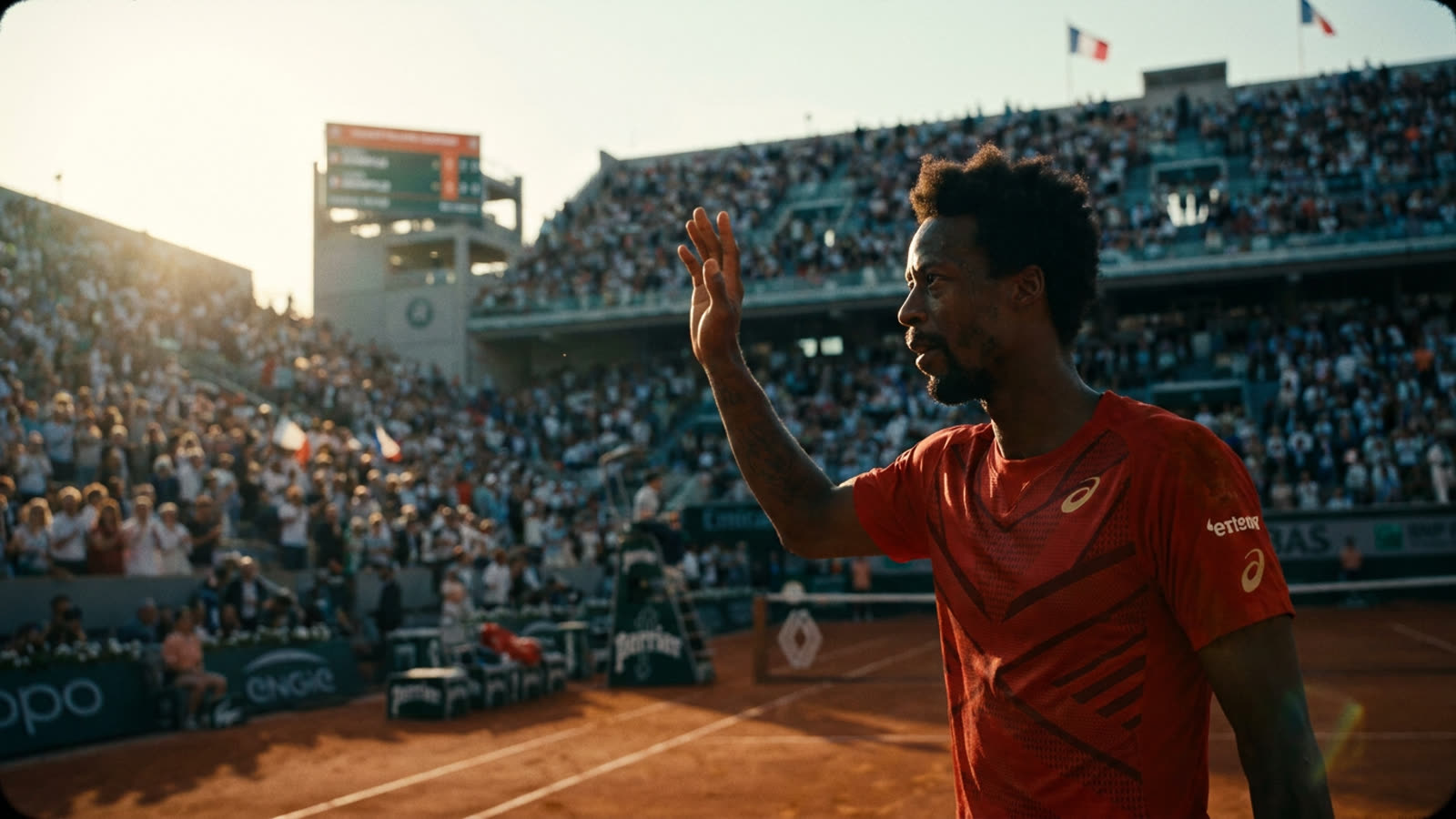
There are players who win Grand Slams, and there are players who own stadiums. Gaël Monfils, who played his final French Open match on Sunday to a standing ovation that lasted longer than some of his rallies, belongs emphatically to the second category — and that is not the consolation prize it might sound like.
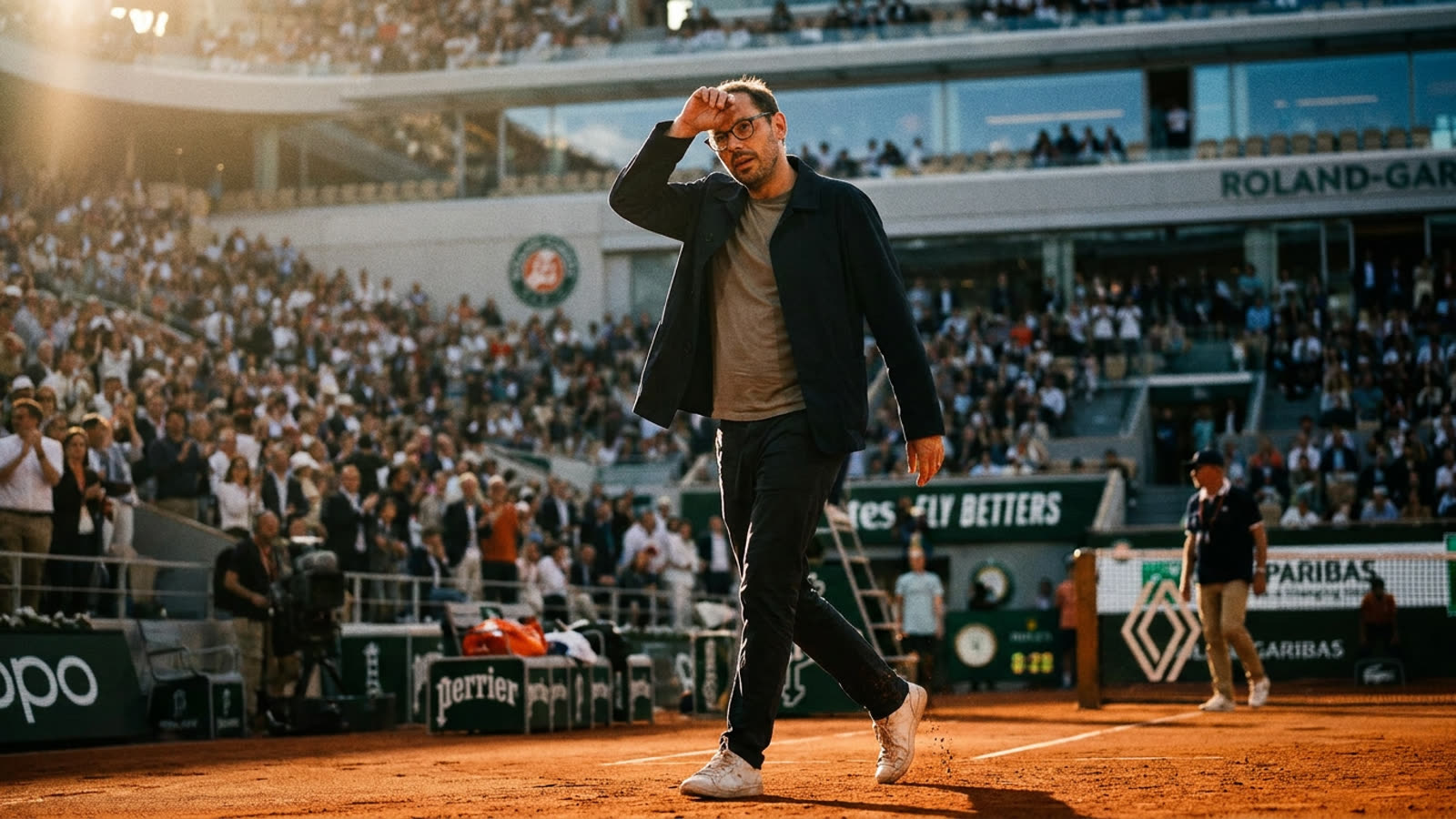
The 39-year-old Frenchman lost in the third round, which is beside the point. What matters is that 15,000 people on Court Philippe-Chatrier rose as one when he walked off, that his opponent looked vaguely apologetic for winning, and that Monfils himself — never one to undersell a moment — milked every second with the theatrical timing of a man who has spent two decades understanding exactly what crowds want.
The burden of being French tennis's favorite son
Monfils's career statistics are respectable but not historic: 11 ATP titles, a career-high ranking of No. 6, zero Grand Slam finals. By the cold metrics that tennis historians favor, he is a footnote. But metrics cannot capture the way he turned defensive scrambles into performance art, or the particular electricity that filled any arena when he stepped onto the court.
He carried a peculiar weight in French tennis — the expectation that he might somehow break the nation's 41-year men's singles drought at Roland-Garros (now 42 years and counting). That he never came close was less a failure than a category error. Monfils was never built for the grinding attrition of best-of-five clay-court tennis. He was built for YouTube highlights and crowd eruptions.
A showman's exit strategy
Unlike so many aging champions who hang on too long, Monfils chose his farewell with care. He announced before the tournament that this would be his final French Open, ensuring maximum emotional return on his exit. The tournament obliged with a prime-time slot and a ceremony that bordered on state funeral.
His wife, Elina Svitolina, watched from the players' box with their daughter. His parents were present. The crowd sang "La Marseillaise" without prompting. It was, in other words, exactly the kind of spectacle Monfils has always understood better than almost anyone in tennis.
Our take
The sport will not miss Monfils's results — there are younger, hungrier players who will win more matches. But it will miss the specific joy he brought to tennis, the reminder that professional sport can be entertainment as well as competition. In an era of baseline robots and analytics-driven gameplay, Monfils was gloriously, defiantly analog. Roland-Garros will be quieter without him, and not in a good way.