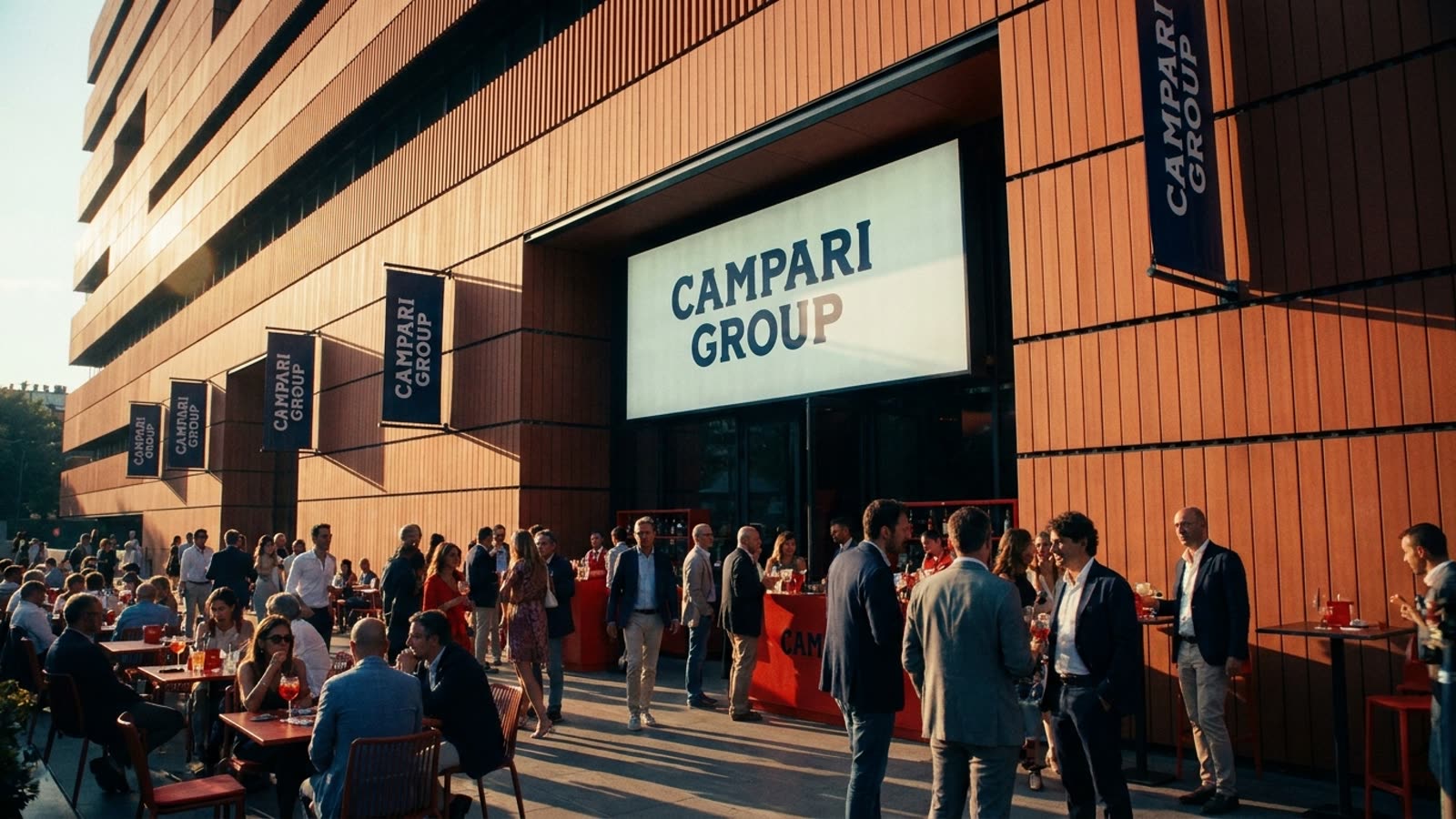
The aperitivo is not a drink. It is an alibi.
This is the insight that has made the Italian pre-dinner ritual one of the most successful cultural exports of the past two decades, spreading from the piazzas of Milan and Turin to rooftop bars in Singapore, hotel lobbies in São Paulo, and suburban backyards in suburban Texas. The aperitivo's global triumph has nothing to do with the bittersweet flavor of Campari or the effervescence of prosecco. It has everything to do with the fact that modern life offers vanishingly few socially sanctioned excuses to sit still and do nothing productive for an hour.
The economics of orange drinks
The spirits industry understood this before anyone else. Campari Group, the Milan-based conglomerate that owns Aperol, has transformed that bright orange liqueur from a regional curiosity into a cultural juggernaut. The Aperol Spritz — three parts prosecco, two parts Aperol, a splash of soda, served in an oversized wine glass with an orange slice — has become the visual shorthand for a certain aspirational lifestyle: European, leisurely, photogenic. The drink's success spawned an entire category. Competitors rushed to market with their own bitter aperitivi, and bartenders from Brooklyn to Berlin began building cocktail menus around the aperitivo concept.
But the drink itself is almost beside the point. What Campari and its competitors are actually selling is a temporal framework — a designated period between the end of work and the beginning of dinner when one is expected, even obligated, to sit with friends and consume something light and slightly bitter. The aperitivo provides structure to the formless anxiety of modern evenings.
Why bitterness became fashionable
The flavor profile matters more than it might seem. The defining characteristic of aperitivo drinks is bitterness, a taste that humans are biologically programmed to reject as a warning sign of poison. Learning to enjoy bitter flavors is an acquired sophistication, a small act of cultural mastery. This makes the aperitivo self-selecting: it signals membership in a tribe that has done the work of refining its palate.
The rise of bitter drinks tracks closely with the broader premiumization of alcohol consumption. As overall drinking rates have declined in many wealthy countries, those who do drink have traded volume for quality and, crucially, for experience. The aperitivo offers both. It is moderate by design — the drinks are low in alcohol, meant to stimulate appetite rather than intoxicate — while feeling indulgent in its ritualistic presentation.
The export of Italian time
Italy has long exported tangible goods: leather, fashion, sports cars, olive oil. The aperitivo represents something different — the export of a relationship to time itself. The ritual implicitly argues that the hours between six and eight in the evening should not be optimized, monetized, or filled with errands. They should be spent in pleasant company, watching the light change, eating small salty things, and sipping something the color of a sunset.
This is a radical proposition in cultures organized around productivity, which is precisely why it has proven so appealing. The aperitivo gives permission. It provides a script for leisure that feels legitimate rather than lazy, social rather than solitary, cultured rather than merely idle.
Our take
The aperitivo's conquest reveals a genuine hunger that the wellness industry, with its green juices and meditation apps, has failed to satisfy. People do not want to optimize their relaxation. They want to be told that sitting in a warm evening with a cold drink and good company is not a guilty pleasure but a cultural practice with centuries of tradition behind it. The Italians figured this out long ago. The rest of the world is finally catching on, one orange spritz at a time.