Most of the people who were famous on Vine are not famous anymore. The six-second video app that launched a thousand careers shuttered in 2017, and with it went the relevance of creators who couldn't adapt to longer formats, different algorithms, or the simple fact that audiences grow up and move on. Lele Pons, somehow, did not go with them.
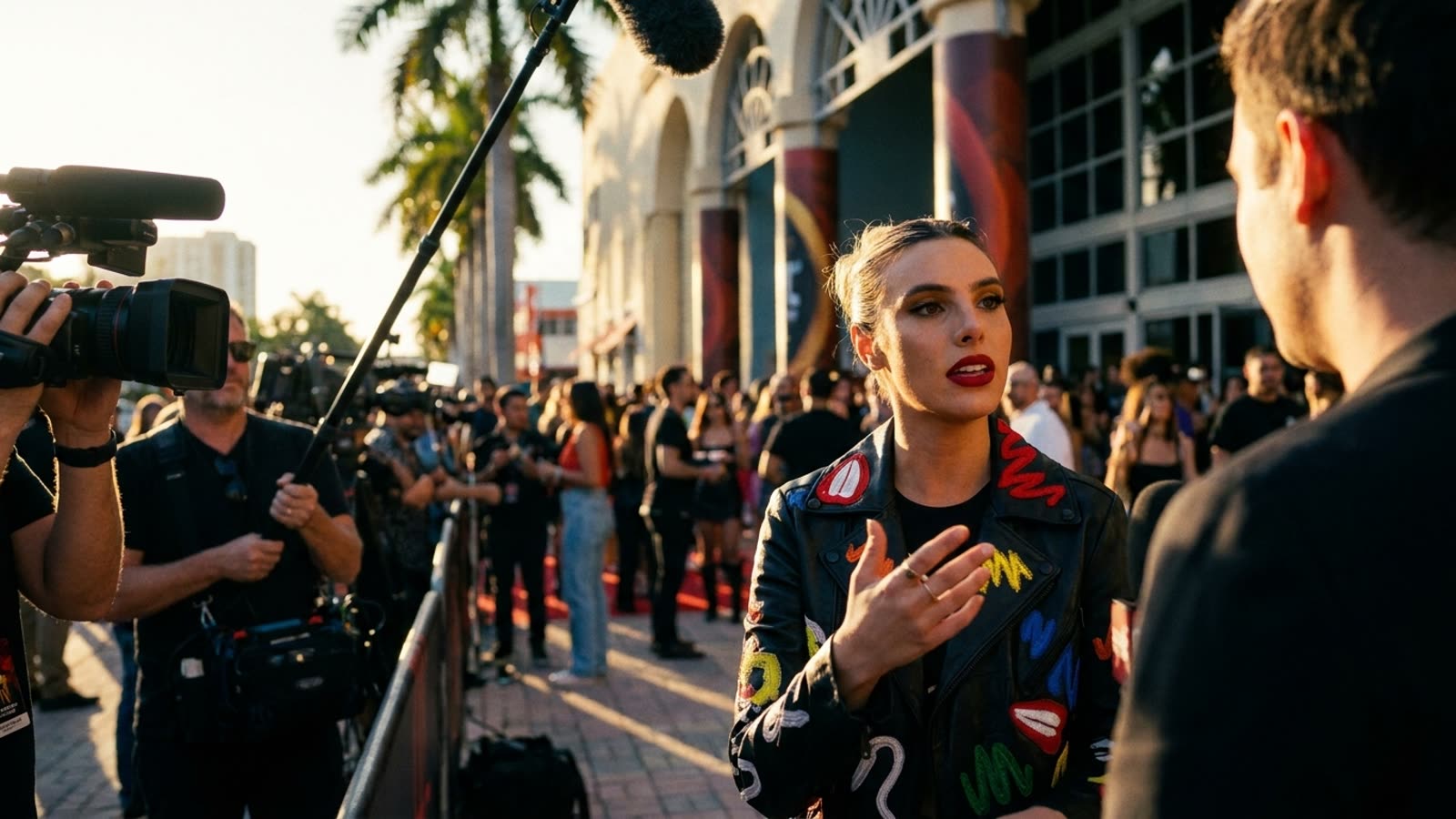
The Venezuelan-American entertainer, now 29, has spent the past decade doing something that sounds simple but proves nearly impossible: remaining visible. Her Instagram following exceeds 50 million. Her YouTube channel has billions of views. She releases music in Spanish that charts in Latin America. She appears at fashion events, beach vacations, and brand campaigns with the regularity of someone who has figured out the machinery of modern celebrity and refuses to let it spit her out.
The Vine Survivor Class
The graveyard of Vine stars is instructive. For every creator who successfully transitioned—Logan Paul to boxing promoter, King Bach to bit-part actor—dozens simply evaporated. The platform's shutdown forced a Darwinian selection event: adapt to YouTube's longer formats and Instagram's visual grammar, or disappear. Pons chose adaptation with almost clinical efficiency, pivoting to physical comedy sketches, then music, then lifestyle content, then whatever the algorithm seemed to want that quarter.
Critics have never been kind. Her comedy has been called broad, her music generic, her content formulaic. None of this has mattered to her audience, which skews young, female, and Latin American—a demographic that traditional media has historically underserved and that Pons has cultivated with remarkable consistency.
The Business of Being Seen
What Pons understood early, and what many of her peers did not, is that influencer longevity is less about talent than about treating visibility as a full-time job. The beach photos, the fashion weeks, the music releases—each is a data point in an ongoing campaign to remain in feeds. She has spoken publicly about her struggles with OCD and Tourette syndrome, adding a confessional dimension that deepens audience connection. She married Venezuelan musician Guaynaa in 2023, adding a romantic storyline to the content mix.
The result is a career that looks nothing like traditional entertainment success but functions as something more durable: a direct relationship with an audience that platforms can redistribute but not fully sever.
Our take
Lele Pons is not going to win an Oscar or headline Coachella. But she has done something arguably harder: she has made herself un-ignorable for a decade in an industry designed to forget people in months. Whether that constitutes artistic achievement or merely excellent brand management is a question the attention economy hasn't figured out how to answer. In the meantime, she'll be at the beach, posting.