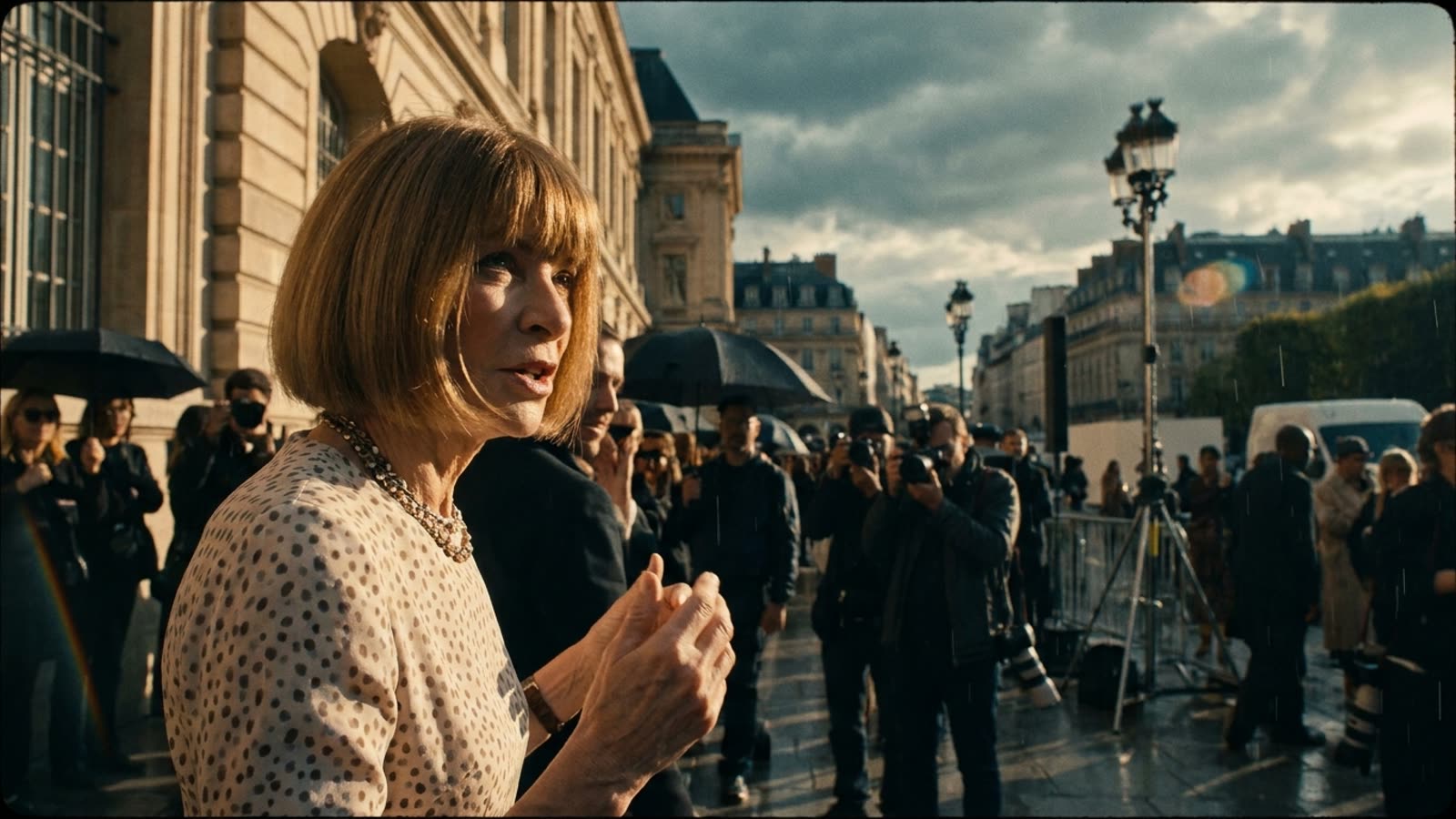
When Anna Wintour arrived at American Vogue in 1988, fashion magazines were polite affairs filled with socialites and safe choices. Nearly four decades later, her September issues can weigh five pounds, command $100,000 per advertising page, and move markets with a single editorial decision. The transformation tells us as much about power as it does about hemlines.
The business of being Anna
Wintour's genius was recognizing that fashion journalism could be more than reporting—it could be kingmaking. Under her watch, Vogue became the arbiter of not just what to wear but who mattered. Designers live and die by her front row presence. Models become supermodels with her blessing. Even Hollywood learned to court her approval, understanding that fashion credibility had become essential to stardom.
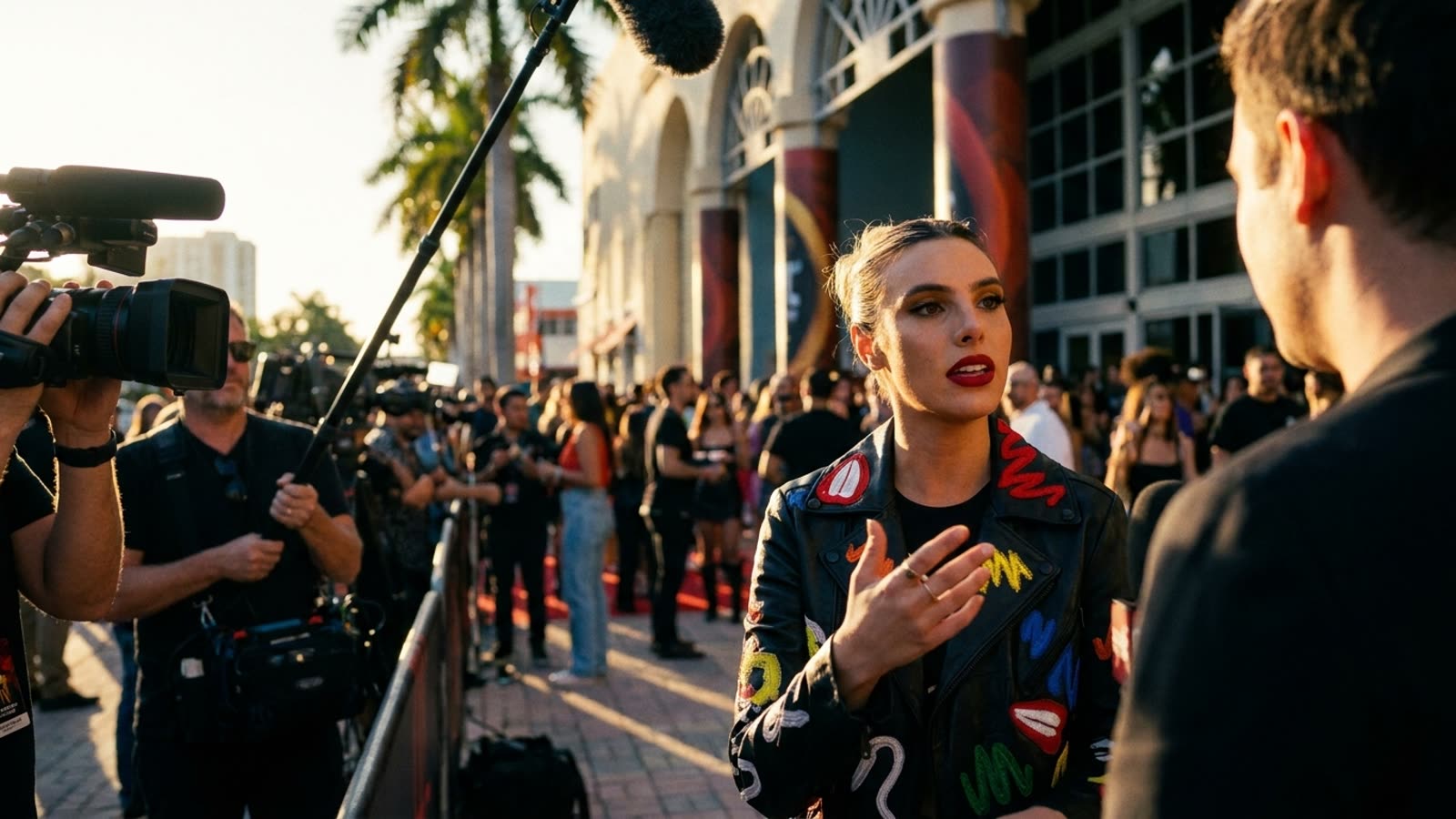
The numbers tell the story. When she took over, Vogue's circulation hovered around 750,000. At its peak, it reached 1.2 million while commanding the highest advertising rates in publishing. But circulation is almost beside the point. Wintour built an ecosystem: the Met Gala she chairs raises tens of millions annually, Vogue's digital properties reach 100 million people monthly, and the brand extensions—from Vogue Runway to the CFDA/Vogue Fashion Fund—create a self-reinforcing cycle of influence.
The paradox of permanence
In an industry obsessed with the new, Wintour's longevity defies logic. Fashion editors typically last a few years; she's approaching her fourth decade. The secret lies in her careful balance of consistency and evolution. The bob never changes, the sunglasses remain firmly in place, but the magazine has shapeshifted through every cultural moment—from supermodels to influencers, from print to digital, from pure fashion to lifestyle empire.
Her management style, famously demanding and infamously cold, would seem outdated in the era of workplace wellness. Yet it persists because it works. Former assistants describe a boot camp that either breaks you or prepares you for anything. The alumni network reads like a fashion power directory: stylists, editors, executives who learned that in Wintour's world, almost perfect isn't good enough.
Our take
Wintour represents the last of the imperial editors—those who ruled through mystique rather than transparency, who understood that fashion needs a certain distance to maintain its magic. As media fractures and influence democratizes, her model seems increasingly anachronistic. Yet fashion still organizes itself around her approval, the Met Gala remains the culture's most exclusive ticket, and young designers still dream of her blessing. Perhaps what Wintour really sells isn't clothes or magazines but the enduring human need for hierarchy, for someone to tell us definitively what matters. In a world of infinite choice, that certainty might be the ultimate luxury.