For years, Israel's Channel 14 served as a reliable echo chamber for Trumpism abroad — a Hebrew-language outpost of the MAGA worldview where anchors praised the former president's Jerusalem embassy move, his Abraham Accords, and his unwavering support for Benjamin Netanyahu. Now those same anchors are calling Donald Trump a traitor.
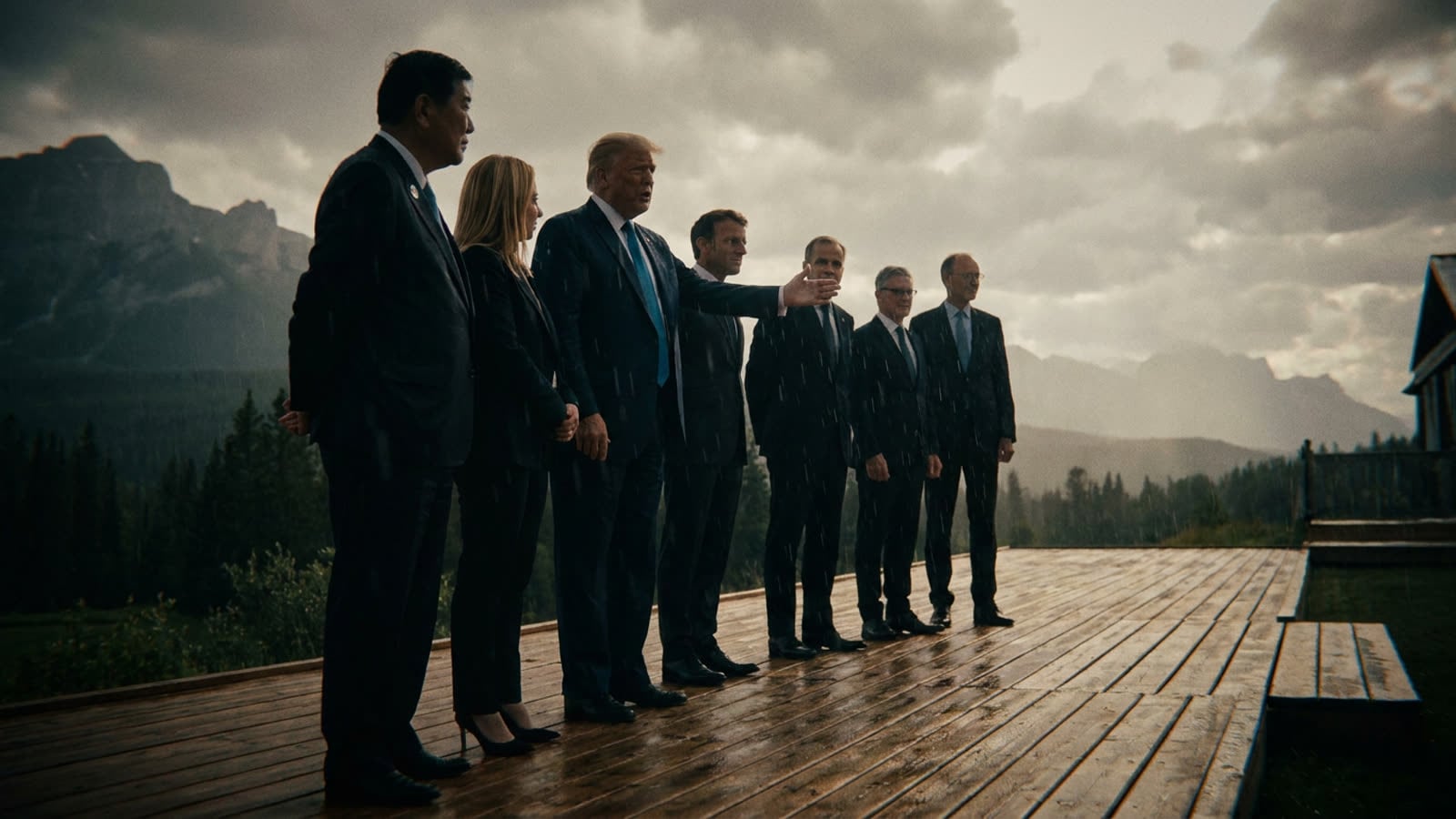
The catalyst is the Iran deal. Trump's agreement to halt airstrikes in exchange for Tehran's commitment to pause uranium enrichment has infuriated the Israeli right, which spent years cheering his "maximum pressure" campaign and his withdrawal from Obama's 2015 nuclear accord. The irony is exquisite: Trump is now being attacked by his most devoted foreign cheerleaders for doing exactly what they accused Obama of doing — trusting the Islamic Republic.
The Channel 14 rebellion
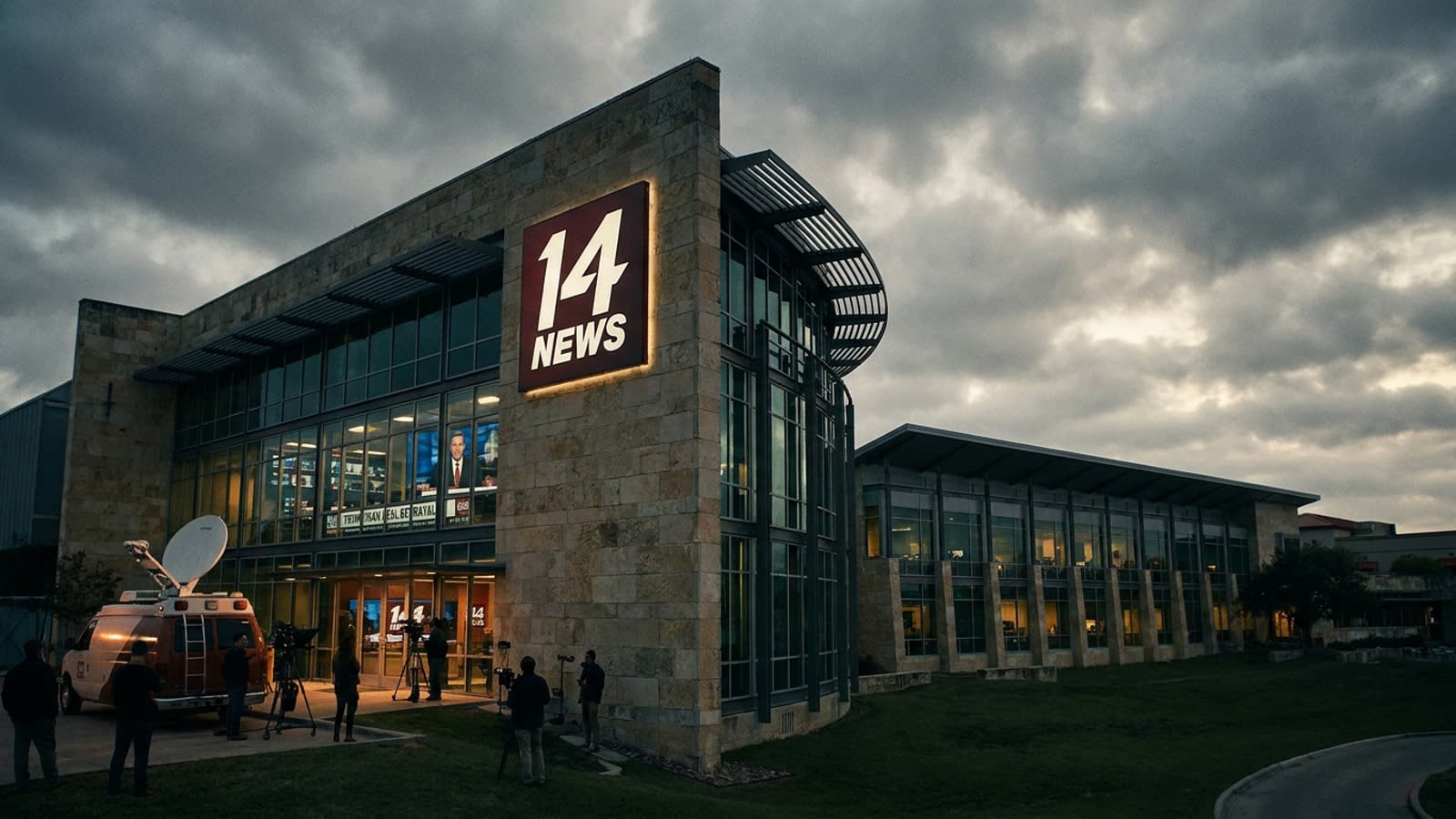
Channel 14, often called "Bibi TV" for its symbiotic relationship with Netanyahu, has been the Israeli government's preferred megaphone. Its primetime hosts built careers on defending Trump against American media criticism and casting him as Israel's greatest ally since Cyrus the Great. That narrative collapsed this week.
Anchors who once dismissed any criticism of Trump as liberal hysteria are now deploying the same apocalyptic rhetoric against him. One host called the deal "a knife in Israel's back." Another suggested Trump had been manipulated by European diplomats. The tone is not disappointment — it is betrayal.
What this reveals about populist alliances
The Channel 14 revolt illustrates a structural weakness in the global populist coalition: it is held together by shared enemies, not shared interests. Trump and the Israeli right were united by opposition to Obama, to the Iran deal, to the liberal international order. Remove the common adversary, and the alliance fractures along predictable national-interest lines.
Trump's political incentives are American. He wants a foreign-policy win before the midterms, and he wants to avoid another Middle Eastern war that could spike oil prices and inflation. Netanyahu's incentives are Israeli. He needs to maintain the existential-threat framing that has kept him in power for most of two decades. These interests were always going to diverge eventually; the Iran deal simply accelerated the timeline.
The Netanyahu problem
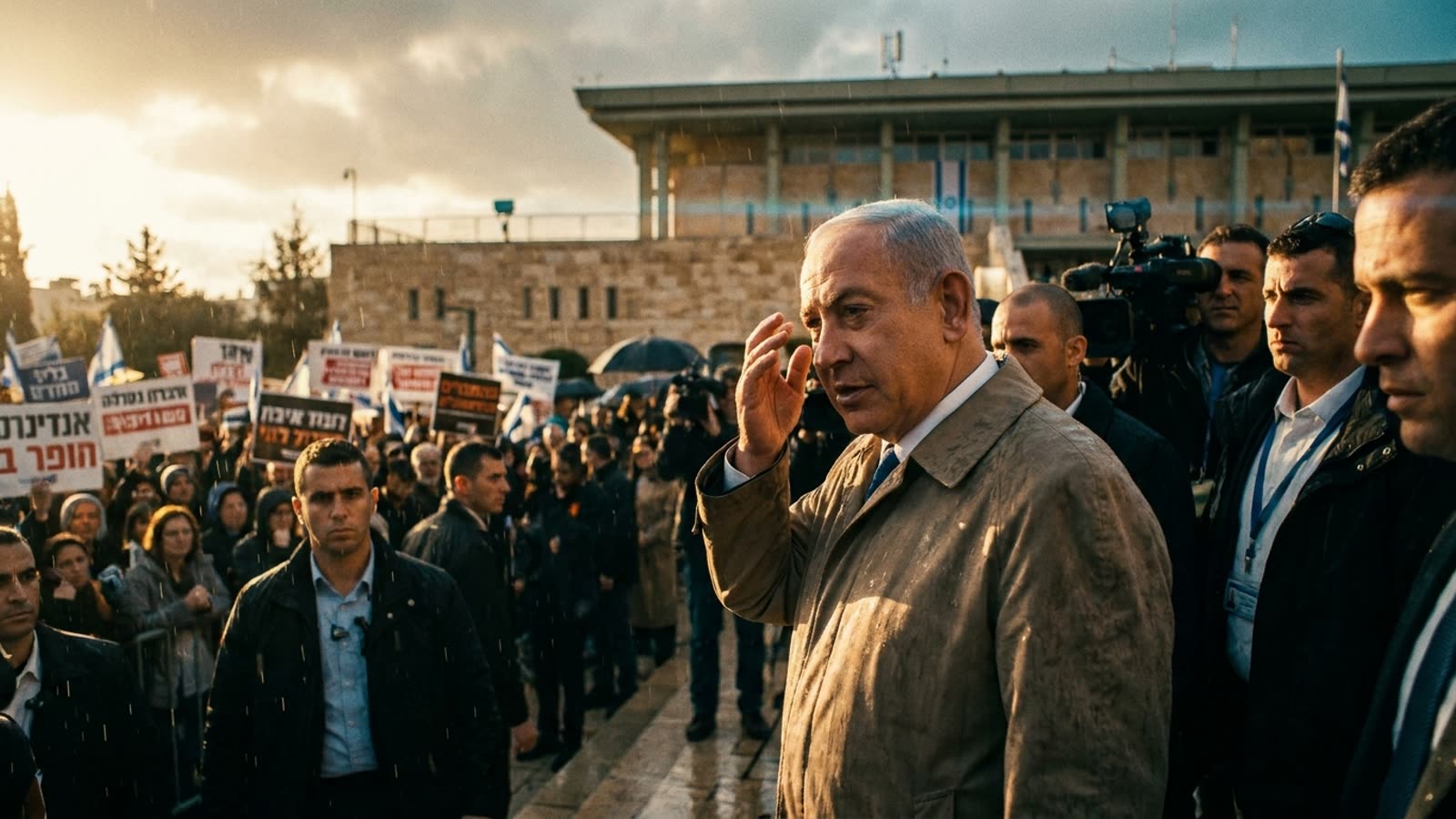
The Channel 14 rebellion is also a warning shot at Netanyahu himself. If the right-wing media ecosystem that sustained him through corruption trials and coalition crises can turn on Trump, it can turn on anyone. Netanyahu now faces a political trap: he cannot openly attack the deal without alienating Washington, but he cannot embrace it without alienating his base.
Polling suggests Israeli voters are furious. The prime minister's approval ratings have cratered, and early-election chatter is intensifying. Netanyahu has survived worse, but he has never faced a crisis where his most reliable media allies are leading the charge against his most important foreign patron.
Our take
The Channel 14 mutiny is a useful corrective to the fantasy that populist nationalism represents a coherent global movement. It does not. It is a series of transactional relationships that endure only as long as the transactions benefit both parties. Trump gave the Israeli right what it wanted for years; the moment he stopped, they discovered he was never really one of them. This is not hypocrisy — it is clarity. The only permanent alliance in populist politics is between a leader and his own survival.