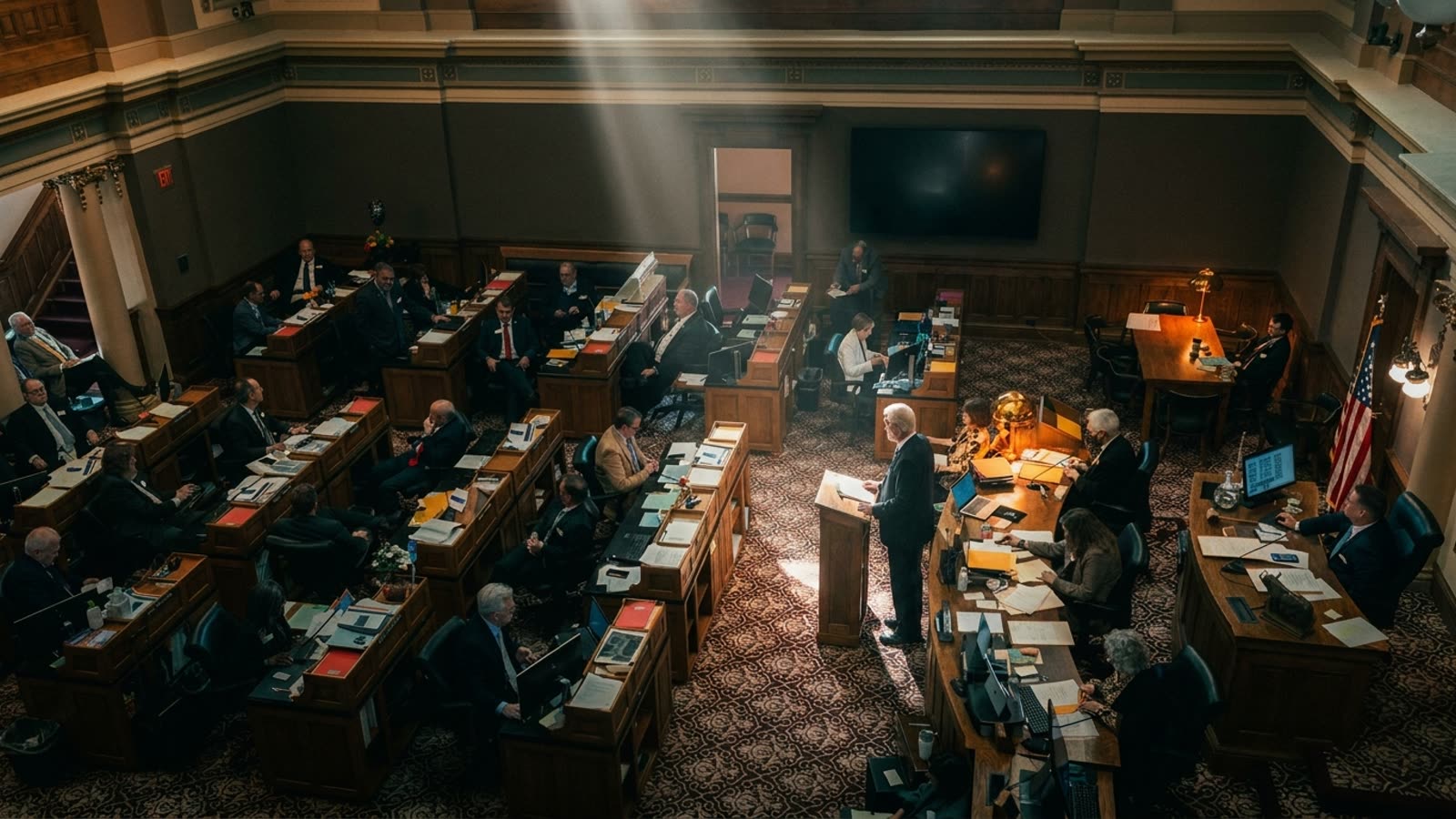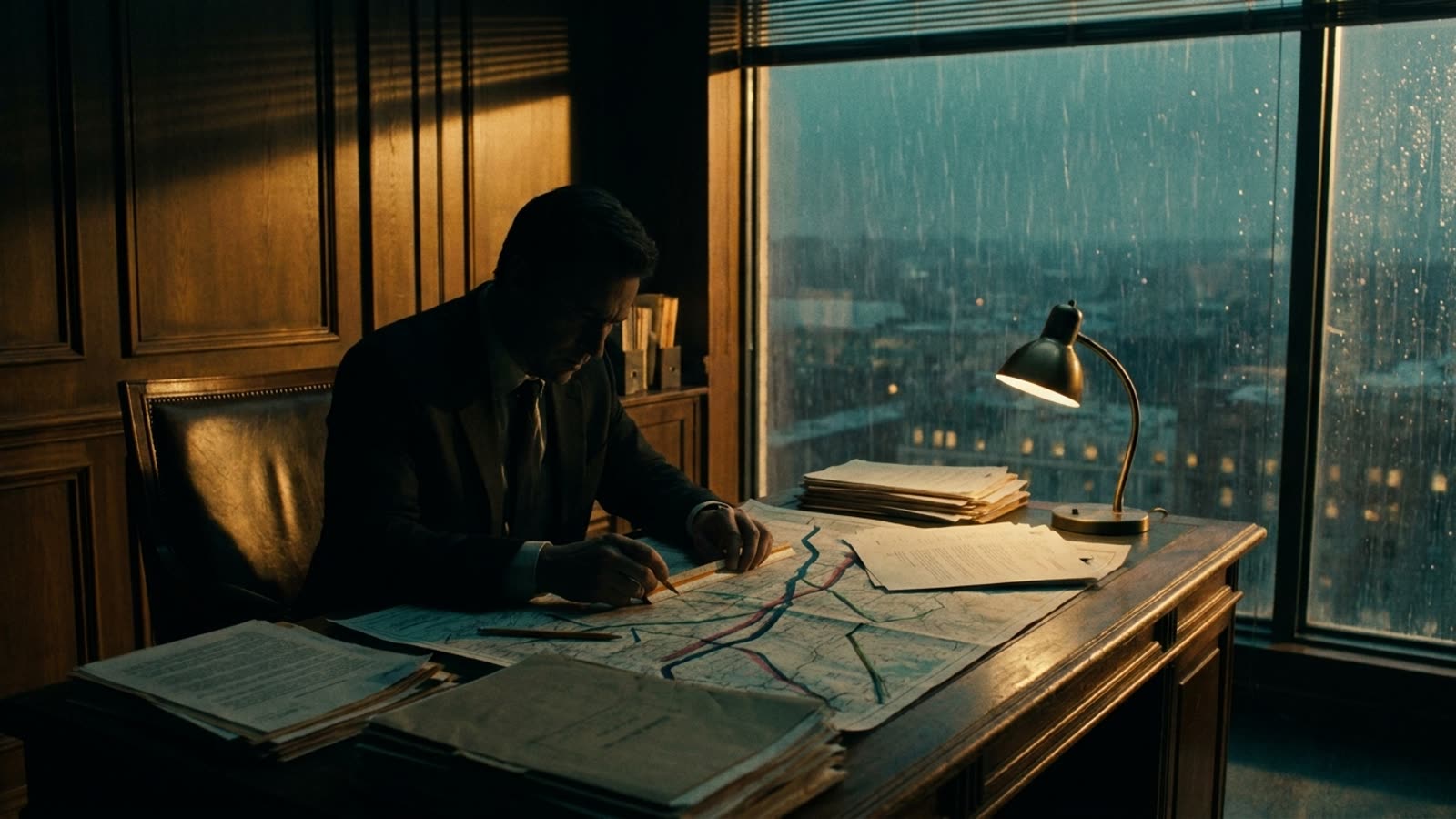
The most consequential political act in American democracy happens not in voting booths but in back rooms with mapping software. Redistricting — the decennial redrawing of legislative boundaries after each census — determines which voters belong to which districts, and therefore which party controls Congress, state legislatures, and the policy agenda for the next ten years. It is, in effect, politicians choosing their voters rather than voters choosing their politicians.
The practice of manipulating these boundaries for partisan advantage has a name older than the Republic itself: gerrymandering, coined in 1812 after Massachusetts Governor Elbridge Gerry approved a district so contorted it resembled a salamander. Two centuries later, the salamander has evolved into a supercomputer. Modern redistricting combines granular voter data, precinct-level election returns, and sophisticated algorithms that can test millions of possible maps to find configurations maximizing one party's seat share while maintaining the legal fiction of population equality.
The two techniques that rig the game
Gerrymandering relies on two complementary strategies: packing and cracking. Packing concentrates opposition voters into a small number of districts where they win overwhelmingly but waste surplus votes. Cracking disperses the remaining opposition voters across multiple districts where they constitute a permanent minority. The result can be a state where one party wins the popular vote but the other party wins most seats.
Consider a hypothetical state with ten congressional districts split evenly between two parties. Through artful line-drawing, the party controlling redistricting can pack forty percent of the opposition into two districts they win ninety to ten, then crack the remaining opposition voters across eight districts they lose forty-five to fifty-five. The outcome: an eight-to-two seat advantage from an even split of voters. This arithmetic explains why redistricting battles attract more money and legal firepower than most actual elections.
Why courts have largely stepped aside
The Supreme Court has repeatedly struck down racial gerrymandering under the Voting Rights Act, holding that race cannot be the predominant factor in drawing district lines. But partisan gerrymandering occupies different constitutional terrain. In Rucho v. Common Cause, the Court ruled that federal courts lack jurisdiction over partisan gerrymandering claims, calling them political questions beyond judicial competence. Chief Justice Roberts acknowledged that excessive partisanship in redistricting is incompatible with democratic principles but concluded that the Constitution provides no manageable standard for courts to apply.
This judicial retreat left reform to state-level solutions. Several states have adopted independent redistricting commissions, though their independence varies considerably. Arizona's commission survived a legal challenge when the Supreme Court upheld its creation through ballot initiative. California's Citizens Redistricting Commission has produced more competitive maps than the legislature did. But in states where one party controls both chambers and the governorship, the incentive to gerrymander remains overwhelming and the restraints minimal.
Our take
Gerrymandering persists because the people with power to end it are precisely the people who benefit from it. Every reform proposal must pass through legislatures full of incumbents who owe their seats to the current maps. Independent commissions help at the margins, but they require either ballot initiatives that bypass legislators or moments of rare bipartisan shame. The honest answer is that American democracy has tolerated a system where the most important election outcome — which party controls the legislature — is largely determined before any voter casts a ballot. Until that changes, the geometry of power will continue to matter more than the will of the people.