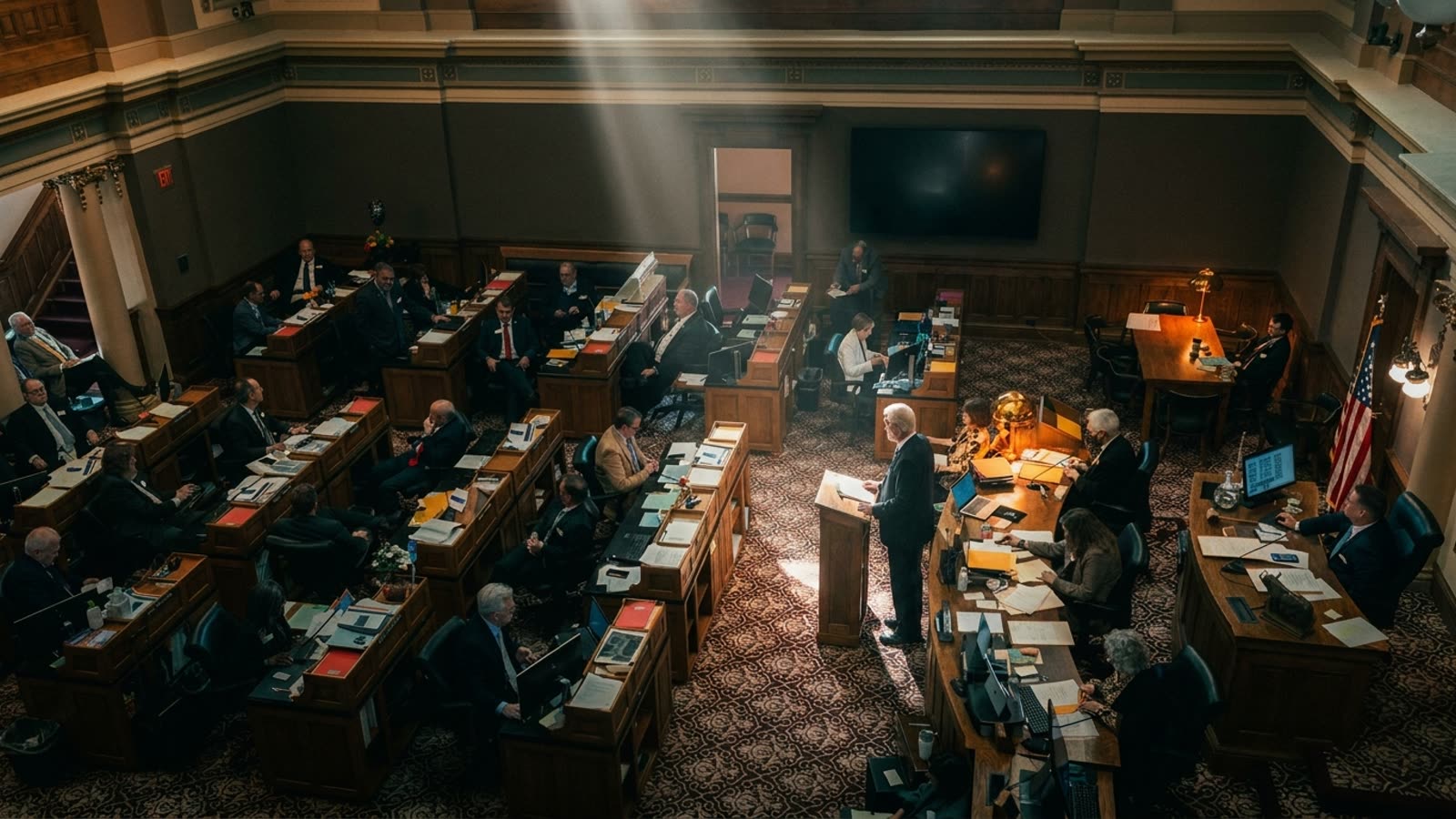
The United States Senate has no shortage of mechanisms designed to frustrate majority rule, but none is quite so potent, so invisible, and so constitutionally dubious as the senatorial hold. It appears nowhere in the Constitution. It is not codified in the Senate's standing rules. Yet this gentleman's agreement—really just a threat to object to unanimous consent—has allowed individual senators to single-handedly freeze ambassadorial appointments, judicial nominations, and executive branch confirmations for months or even years at a time.
The hold is, in essence, a polite promise to be impolite. When a senator places a hold on a nominee or piece of legislation, they are signaling to party leadership that they intend to object if the matter is brought to the floor without debate. Because the Senate operates largely by unanimous consent to save time, a single objection can force leadership to burn days of floor time on procedural votes. Majority leaders, perpetually short on calendar space, often find it easier to simply wait out the hold or negotiate with the objecting senator rather than fight through the procedural morass.
The Anatomy of Paralysis
The mechanics are deceptively simple. A senator contacts their party's leadership—sometimes in writing, sometimes by phone—and requests that a particular matter not be scheduled for floor action. Leadership honors this request not out of legal obligation but out of institutional custom and the practical reality that defying a colleague invites retaliation. The hold can be public or secret, though reforms in recent decades have attempted to force greater transparency. In practice, senators have found creative ways to maintain anonymity, passing holds between colleagues like a legislative hot potato.
The consequences are anything but simple. Ambassadorships have sat vacant for entire congressional sessions. Federal judgeships have gone unfilled while case backlogs mounted. Executive agencies have operated without confirmed leadership, their acting directors legally constrained in what policies they can implement. One senator held up dozens of military promotions over an unrelated policy dispute, leaving generals and admirals in professional limbo while their families waited to learn where they would be stationed.
Why It Persists
The hold survives because it serves the interests of all one hundred senators, regardless of party. Every member knows they may one day need this tool to extract a concession, block a nominee they find objectionable, or simply gain leverage in an unrelated negotiation. The Senate's culture of individual prerogative—each member a sovereign unto themselves—makes collective action against the practice nearly impossible. Reformers who arrive determined to eliminate the hold often find themselves reaching for it within their first term.
There is also a defensible argument for the practice, at least in theory. The hold forces the executive branch to consult with senators before making nominations, encourages compromise, and prevents controversial appointees from being rushed through without scrutiny. In a body designed to cool the passions of the House, the hold is the ultimate cooling mechanism. Whether that cooling has become a deep freeze is the question that divides institutionalists from reformers.
Our take
The senatorial hold is what happens when a procedural courtesy calcifies into a structural veto. It represents everything maddening about the Senate: the elevation of individual privilege over collective function, the preference for informal norms over enforceable rules, the quiet assumption that the institution's prestige matters more than its output. That it has survived every wave of reform tells you something important about the Senate itself. The members who could abolish it are precisely the members who benefit from keeping it.