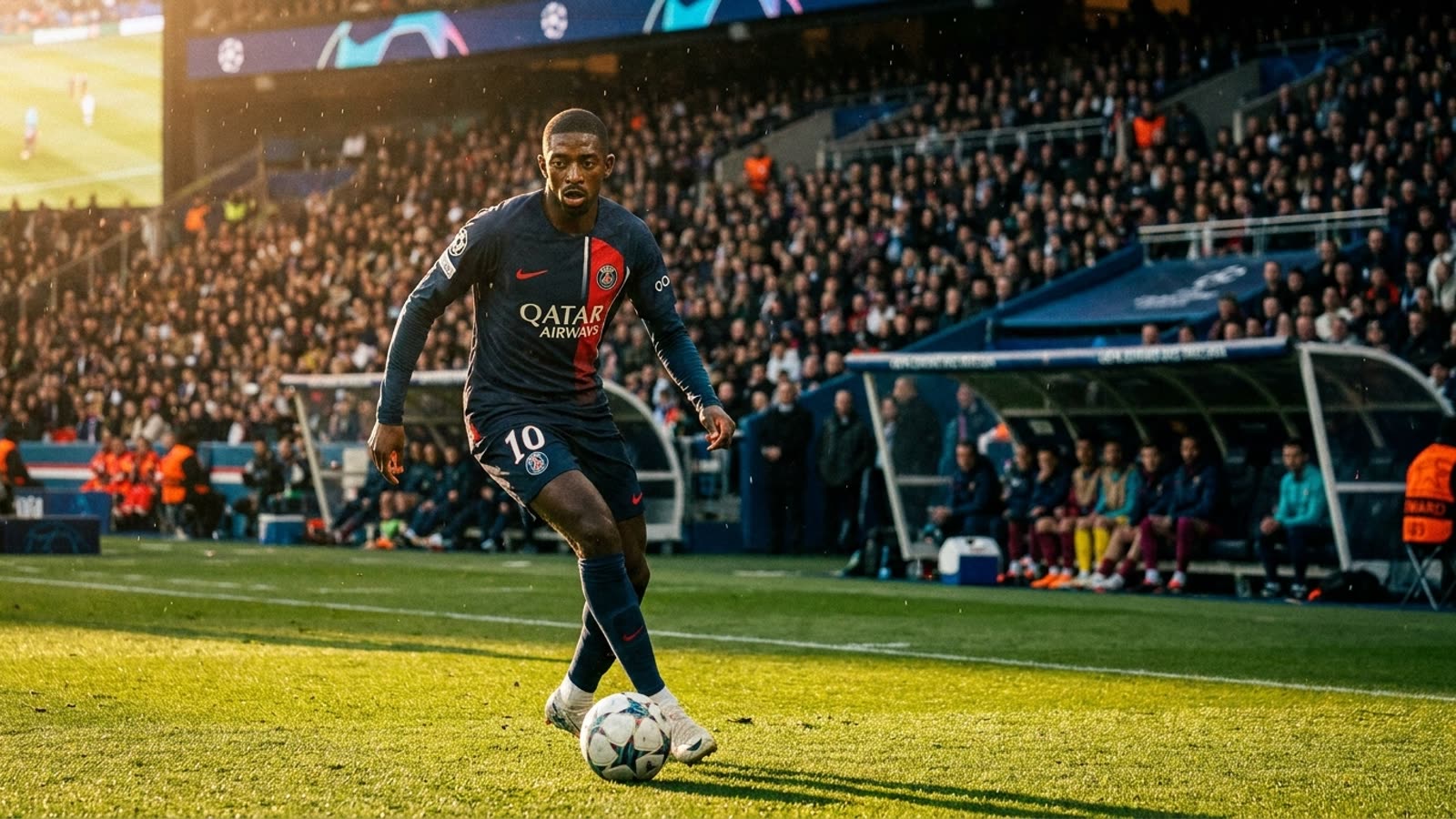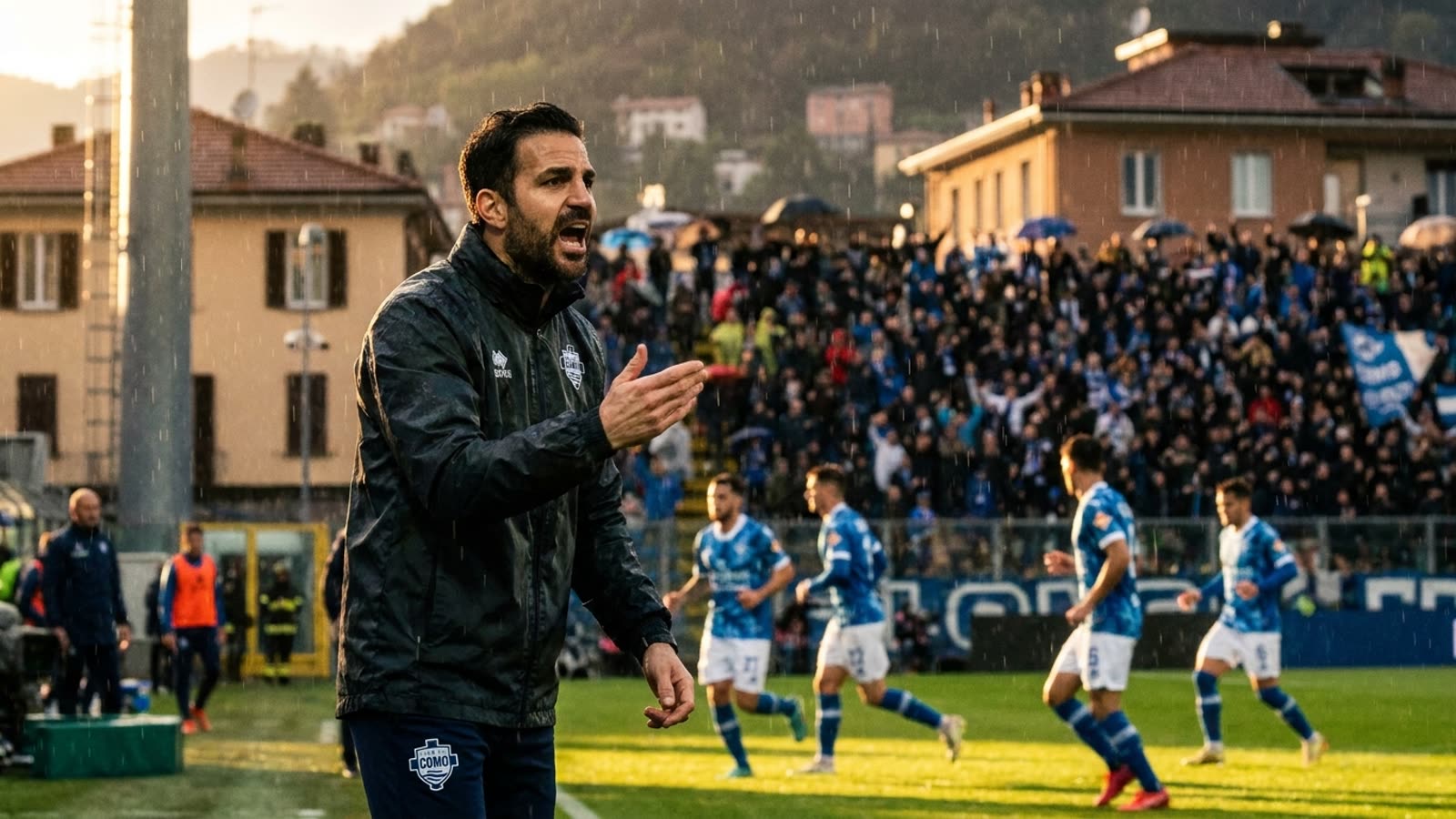
Three years ago, Como 1907 were playing in Serie C, the third tier of Italian football, in front of sparse crowds at their modest lakeside stadium. On Wednesday night, they will walk onto the pitch at Old Trafford to face Manchester United in the Champions League proper. The architect of this absurd trajectory is Cesc Fàbregas, the 39-year-old Spaniard who captained both Barcelona and Arsenal, and who has somehow translated his playing intelligence into one of the most accelerated managerial ascents in modern football.
The numbers alone are staggering: back-to-back promotions from Serie C to Serie A, a top-four finish in their first season back in the top flight, and now a Champions League campaign that has already seen them beat Ajax at home. Como's budget remains a fraction of their continental opponents'. Their wage bill would barely cover the salaries of three Manchester United starters.
The Fàbregas method
What Fàbregas has built at Como defies the conventional wisdom that young managers need years of apprenticeship before tackling elite competition. His approach borrows heavily from Pep Guardiola's positional play — unsurprising given their Barcelona overlap — but adapts it for players who lack the technical ceiling of City's squad. Como press in coordinated waves, recycle possession patiently, and exploit the half-spaces with runners from deep. It is recognisably modern football, executed by a roster assembled largely from Serie B cast-offs and shrewd loan deals.
The club's Indonesian ownership, led by brothers Robert and Michael Hartono, have provided steady investment without the ruinous spending that has sunk other ambitious projects. Fàbregas has been given time, resources, and crucially, autonomy. He has repaid them with a club now valued at roughly ten times its 2023 figure.
Why United is the perfect test
Manchester United, still finding their footing under their own relatively new manager, represent everything Como are not: institutional heft, global commercial power, a squad assembled for hundreds of millions. Yet United's inconsistency this season — brilliant one week, shambolic the next — offers Como a genuine window. Fàbregas knows Old Trafford intimately from his Premier League years, and his players will enter the match with the freedom of underdogs who have already exceeded every reasonable expectation.
A result at Old Trafford would not merely be a historic footnote; it would announce Como as a permanent fixture in European football's upper tier and validate Fàbregas as a managerial talent capable of competing with coaches who have decades more experience.
Our take
Fàbregas is doing something genuinely rare: proving that elite playing careers can translate into elite coaching without the usual decade of humbling lower-league apprenticeships. Como's Champions League run is not a fluke; it is the product of a coherent philosophy, smart recruitment, and a manager who refuses to accept that small clubs must play small football. Wednesday's match is not just a test of tactics — it is a referendum on whether football's old hierarchies still mean anything at all.