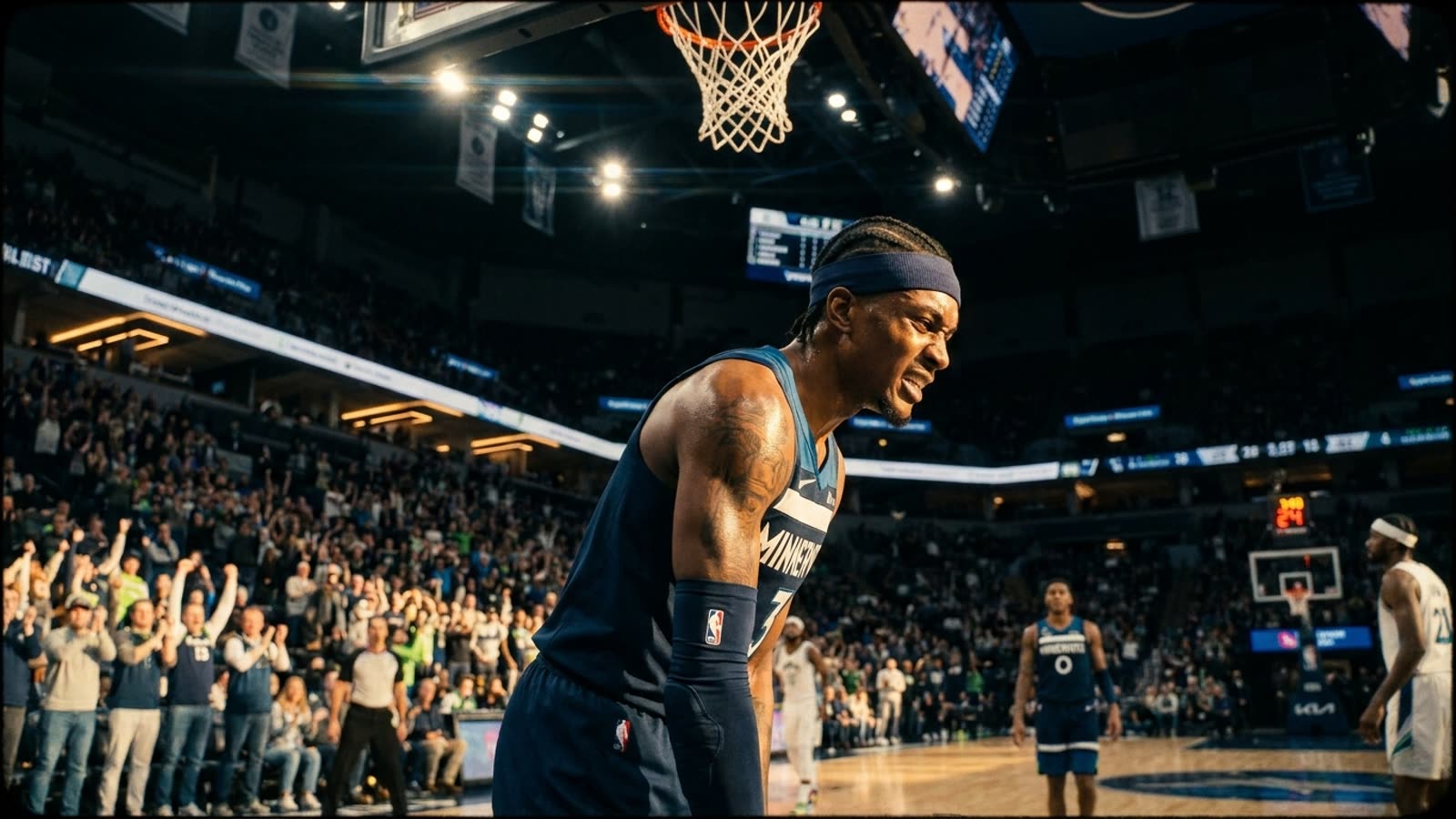
The 2026-27 NBA season tipped off Tuesday with a statement no one expected: the Detroit Pistons, perennial rebuilding project, storming back to defeat the Boston Celtics on their home floor. It was the kind of result that, on night one, means almost nothing in the standings and almost everything in the narrative. The defending champions looked beatable. The West's young guns look hungry. And for the first time in years, the preseason consensus actually favors teams not named Boston, Milwaukee, or Denver.
The oddsmakers have spoken with unusual clarity. San Antonio and Oklahoma City enter as co-favorites to win the championship, a remarkable coronation for two franchises that spent the better part of a decade in various stages of reconstruction. Victor Wembanyama's Spurs and Shai Gilgeous-Alexander's Thunder represent the league's new center of gravity — young, long, suffocatingly athletic, and built for the modern game's pace-and-space demands.
The East's muddled picture
Boston remains formidable on paper, but Tuesday's loss to Detroit exposed familiar vulnerabilities: perimeter defense that can be exploited by quick guards, and an offense that stagnates when Jayson Tatum's shot isn't falling. The Celtics won last year's title with a historically dominant regular season; replicating that intensity after a championship hangover rarely happens.
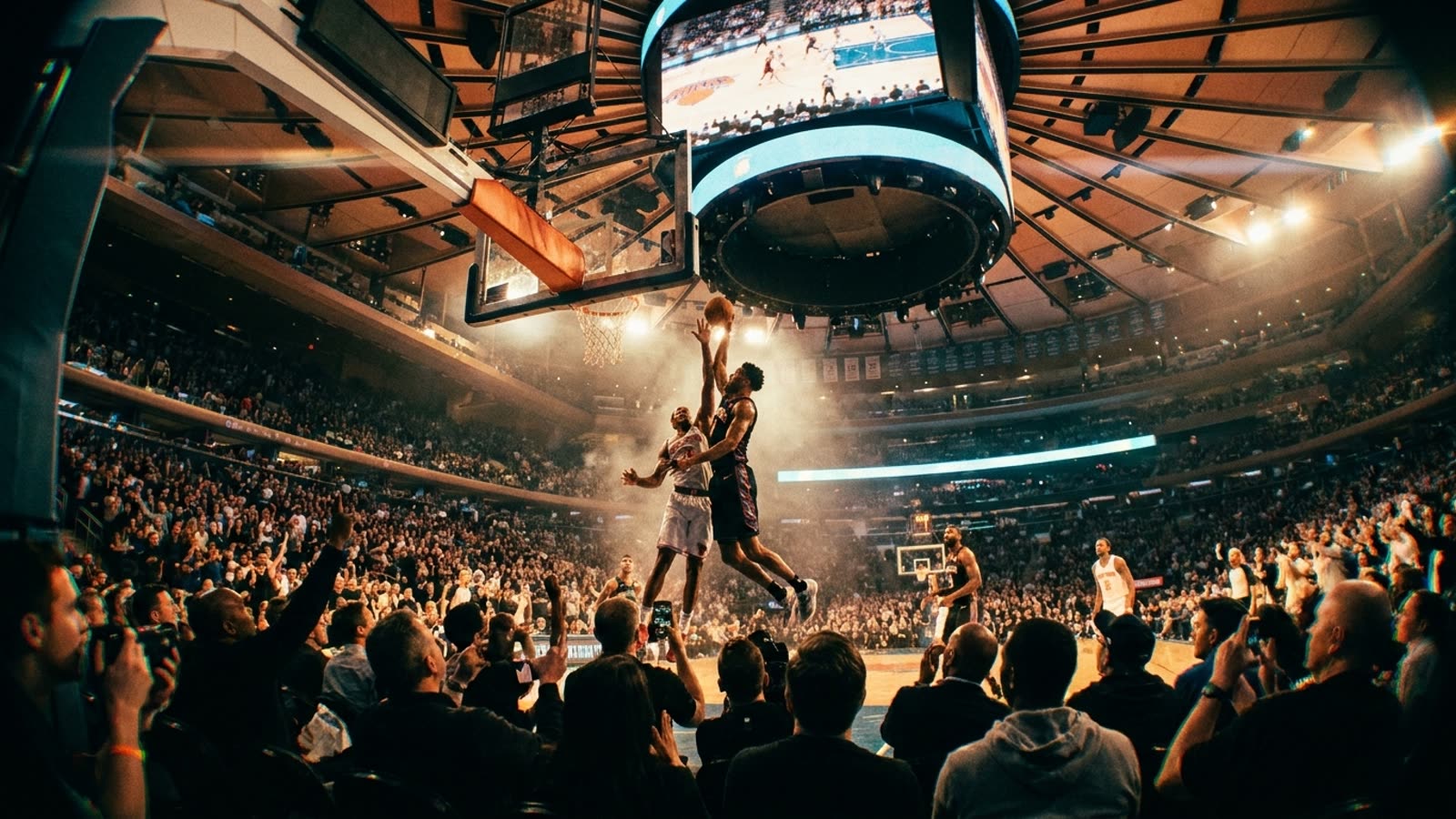
Meanwhile, the New York Knicks raised their banner Tuesday night at Madison Square Garden before hosting the Philadelphia 76ers in the evening's marquee matchup. The Knicks, fresh off their first championship in over half a century, enter as the East's sentimental favorite but face the challenge every title defender knows: everyone now has their number.
The West's youth movement
What makes this season genuinely intriguing is the generational transition happening in real time. The Spurs haven't been championship favorites since the Kawhi Leonard era. The Thunder haven't been true contenders since Kevin Durant left for Golden State a decade ago. Now both franchises sit atop the futures board, and it's not projection — it's recognition of what their rosters already are.
Wembanyama, entering his fourth season, has evolved from fascinating curiosity to genuine MVP candidate. Gilgeous-Alexander, meanwhile, has quietly assembled one of the league's most complete offensive seasons year after year without the playoff success to match. This feels like the year that changes.
Our take
Opening nights are terrible predictors of anything except vibes, and the vibes say this: the NBA's competitive balance is healthier than it's been in years. No superteam dominates the discourse. No aging dynasty clings to relevance past its expiration date. The league's best players are mostly under twenty-seven, and the best teams are still ascending. Detroit beating Boston means little in isolation, but it confirms what the oddsmakers already knew — this season is genuinely open, and that's the best thing basketball has going for it right now.