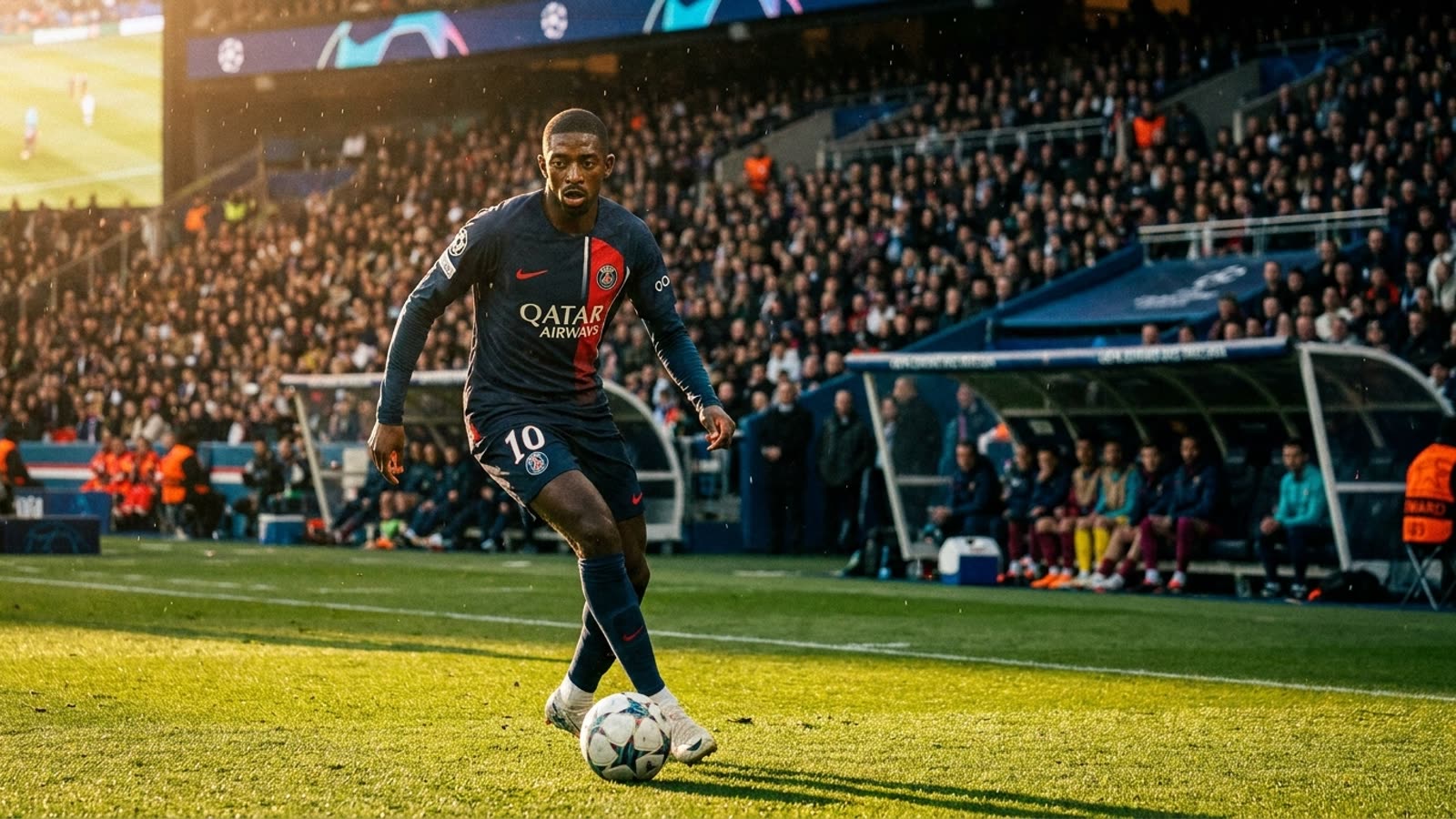
For ninety minutes on Tuesday night, the Parc des Princes hosted something European football has been missing for years: a match between two clubs operating at the same impossible altitude, with neither able to impose its will for more than a few breathless passages. Paris Saint-Germain's 4-2 victory over Barcelona was nominally a home win, but the scoreline obscures what actually happened—a chaotic, technically sublime, tactically unhinged contest that left both managers looking slightly haunted in their post-match pressers.
The drama began early and never relented. Ousmane Dembélé, the reigning Ballon d'Or holder whose return to face his former club had dominated the pre-match narrative, lasted just twenty minutes before limping off with what appeared to be a recurrence of the hamstring problems that have plagued him throughout his career. PSG's medical staff will spend the coming days assessing the damage; the club's Champions League ambitions may hinge on the results.
Why this match was different
Champions League knockout ties have become predictable affairs in recent seasons, with the superclub hierarchy so entrenched that genuine tension is rare before the semi-finals. Barcelona and PSG have disrupted that calculus. Both have rebuilt intelligently after years of expensive dysfunction. Both have managers—Xavi Hernández and Luis Enrique, respectively—who impose distinctive tactical identities rather than simply accumulating talent. And both, crucially, have squads deep enough to absorb the loss of a star player without collapsing.
PSG demonstrated that depth on Tuesday. With Dembélé watching from the bench with ice strapped to his thigh, the home side found goals from four different scorers, each finish more aesthetically pleasing than the last. Barcelona's two responses—both arriving in a frantic twelve-minute spell bridging halftime—proved they remain capable of punching back against anyone. The aggregate may favor Paris, but the tie feels genuinely open.
The injury cloud
Dembélé's departure will dominate headlines, and understandably so. The Frenchman has been the best player in Europe this calendar year, his transformation from mercurial talent to consistent match-winner one of football's more surprising redemption arcs. If the injury is serious—and early indications suggest it might be—PSG will need to navigate the rest of the Champions League without the player most responsible for their status as favorites.
Barcelona, meanwhile, will take heart from their own resilience. Trailing 3-0 at halftime in a hostile environment, many sides would have accepted their fate. Instead, Xavi's team produced a second-half performance that, for all its ultimate futility, demonstrated why they remain the only club capable of matching PSG stride for stride.
Our take
Modern football's financial architecture has created a two-speed sport, with a handful of superclubs operating in a different economic universe from everyone else. The saving grace is that occasionally, two of those clubs meet and produce something genuinely thrilling. Tuesday's match was a reminder that when the talent level is this high and the tactical preparation this meticulous, football can still surprise. Whether Dembélé's injury tilts the balance decisively toward Barcelona or PSG finds a way to cope, the return leg promises to be the most-watched match of the European season. It has earned that attention.