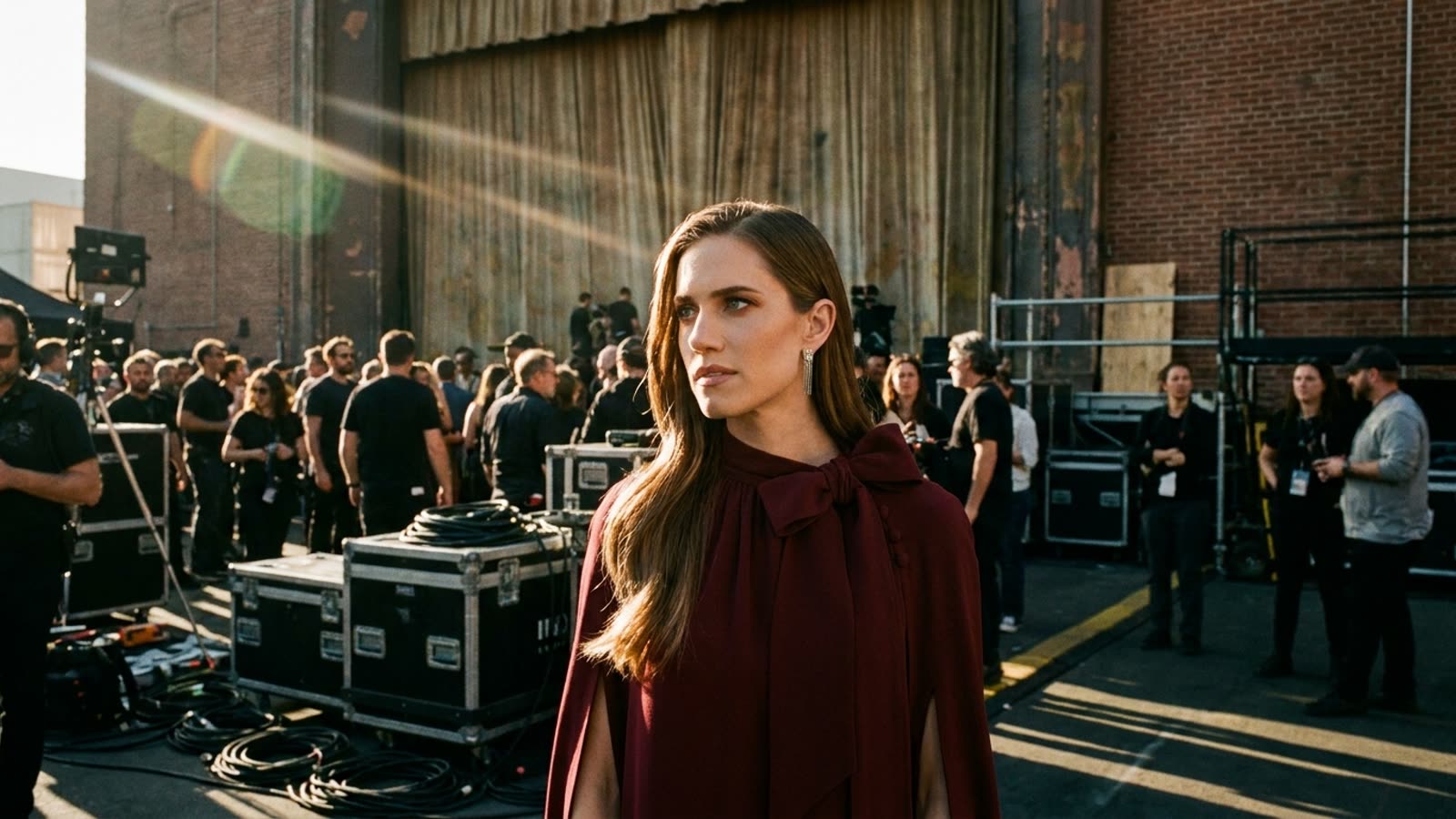
When Allison Williams saw Girls appear on The New York Times' list of the 100 best TV shows of the 21st century, she says it "stopped me in my tracks." The admission is striking not because the show was included — its influence on a generation of prestige comedy-dramas is now undeniable — but because Williams herself seemed surprised by its canonization. After years of being the internet's favorite target for privilege discourse and vocal-fry discourse and whatever other discourse the mid-2010s could conjure, Girls has completed its long walk from cultural lightning rod to certified classic.
Williams, speaking to The Hollywood Reporter in a wide-ranging interview that touched on everything from eczema to working with Quentin Tarantino, offered a window into what it feels like to have participated in something that was once dismissed as navel-gazing Brooklyn solipsism and is now taught in television studies courses.
The Rehabilitation of Hannah Horvath's World
The trajectory of Girls' reputation is one of the stranger arcs in recent television history. When it premiered in 2012, the show was simultaneously overpraised and over-attacked, treated as either the voice of a generation or proof of that generation's insufferability. Lena Dunham's willingness to make her characters — and herself — deeply unlikeable was read as either radical honesty or unbearable narcissism, depending on who was watching.
Fourteen years later, the discourse has cooled into something like consensus. The show's formal innovations, its willingness to let female characters be genuinely awful without redemption arcs, its influence on everything from Fleabag to The Bear — all of this has become legible in a way that was harder to see when everyone was too busy arguing about whether Dunham deserved her platform.
Williams Beyond Marnie
For Williams, the post-Girls years have been a deliberate exercise in range. She became a horror-movie staple with Get Out and M3GAN, demonstrating a knack for playing characters whose surface pleasantness conceals something colder. It's a quality that was always present in Marnie Michaels, the character she played for six seasons — the friend who was always performing friendship rather than feeling it.
Her mention of working with Tarantino suggests more left turns ahead, though she offered few details. What's clear is that she's no longer running from the show that made her famous. The fact that she can now express genuine surprise at its critical rehabilitation suggests she's finally at peace with having been part of something that took a decade to be properly understood.
Our take
The Girls reassessment is overdue and still incomplete. The show's critics were not entirely wrong — it was insular, it was myopic, its diversity problems were real. But it was also doing something genuinely new with the half-hour form, and its willingness to make audiences uncomfortable with its characters' selfishness paved the way for an entire generation of cringe comedy. Williams being "stopped in her tracks" by the Times list is the most honest reaction possible: even the people who made the thing didn't fully understand what they'd made until the culture caught up.