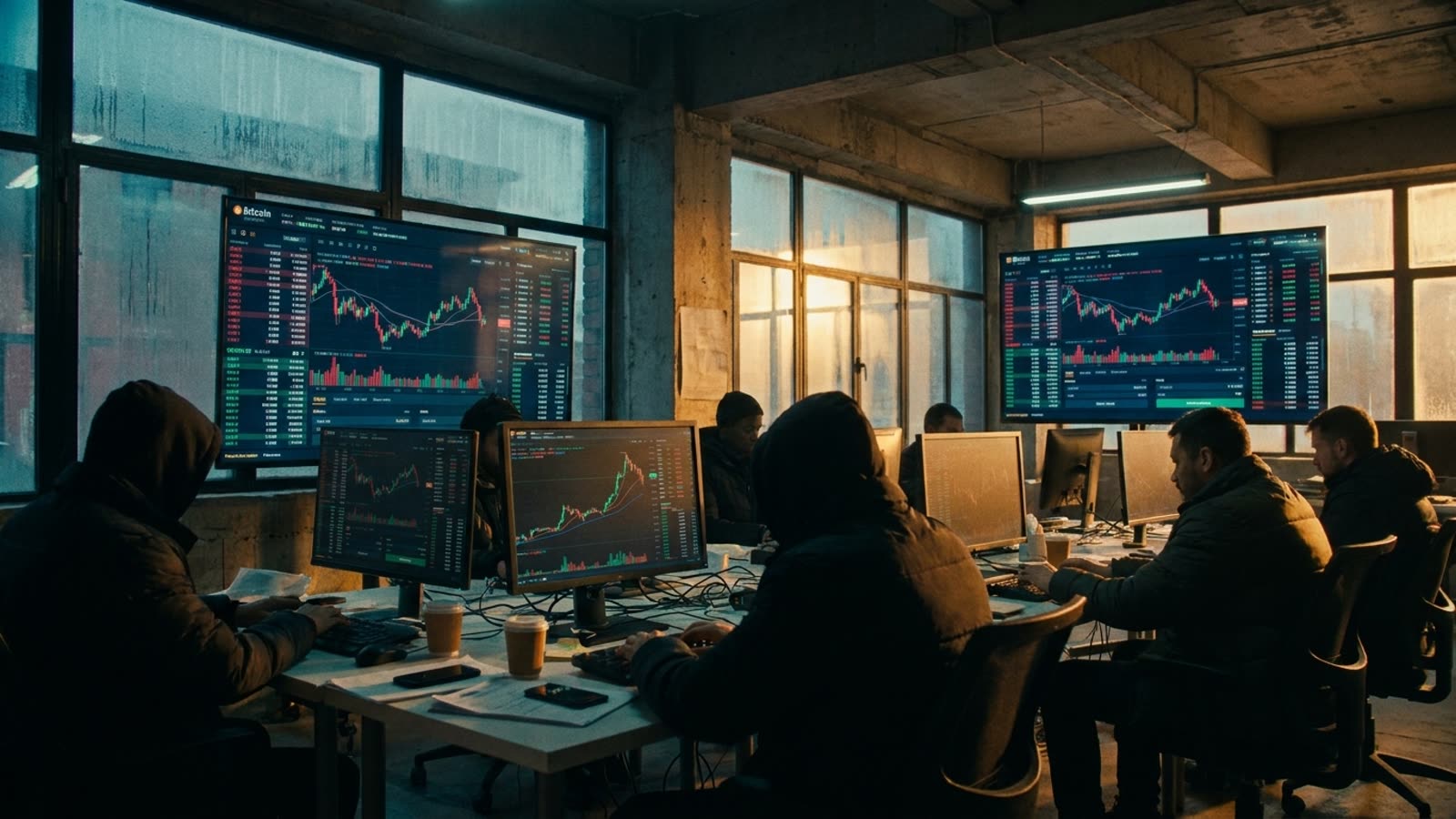
The popular explanation of Bitcoin mining — computers solving complex math problems — misses the economic reality entirely. Mining is better understood as a global auction where electricity is the currency and newly minted bitcoins are the prize. This reframing explains not just how the network operates, but why its massive energy consumption is a feature, not a bug.
The lottery that runs on kilowatts
Every ten minutes, the Bitcoin network holds a lottery. The prize: 3.125 bitcoins (worth roughly six figures at recent valuations) plus transaction fees. The tickets: computational attempts at finding a specific number. The cost of each ticket: the electricity required to generate one guess.
Miners aren't solving anything meaningful. They're running the SHA-256 algorithm billions of times per second, looking for an output that starts with enough zeros. It's pure trial and error — like rolling dice until you get snake eyes, except you need to roll seventy-five zeros in a row. The "difficulty" adjustment ensures that someone, somewhere, wins every ten minutes regardless of how many are playing.
Why waste matters
The genius of Satoshi Nakamoto's design lies in making waste essential. In traditional payment systems, trusted intermediaries like banks prevent double-spending. Bitcoin replaces trust with thermodynamics. To rewrite transaction history, an attacker would need to burn more electricity than the honest majority of miners — not just once, but continuously.
This is why Bitcoin's energy consumption scales with its value. As the price rises, mining becomes more profitable, attracting more participants who collectively burn more electricity. The network's security budget — the cost to attack it — rises in lockstep. A billion-dollar network naturally consumes more energy than a million-dollar one because it has more value to protect.
The industrial logic of bitcoin production
Modern mining operations reveal the brutal economics at work. Profitable mining requires three things: cheap electricity (ideally under $0.03 per kilowatt-hour), efficient hardware (measured in joules per hash), and scale. This has concentrated mining in regions with stranded energy resources — hydroelectric dams in rural China (before the ban), geothermal plants in Iceland, flare gas in Texas oil fields.
The hardware arms race is equally revealing. Early miners used laptops. Then graphics cards. Then custom chips (ASICs) designed solely to compute SHA-256. Today's mining rigs are industrial equipment, as specialized as blast furnaces. A top-tier mining facility looks less like a server room and more like an aluminum smelter — rows of machines converting electricity into heat while incidentally securing a monetary network.
Our take
Bitcoin mining's massive energy consumption isn't a flaw to be fixed but the mechanism that makes the system work. It transforms the abstract problem of distributed consensus into a physical one: whoever burns the most energy wins. This elegant wastefulness has kept the network running continuously since 2009 without a central authority. Whether this trade-off is worth it depends entirely on how you value a truly decentralized monetary system versus the electricity of a mid-sized country. The market, for now, has rendered its verdict.