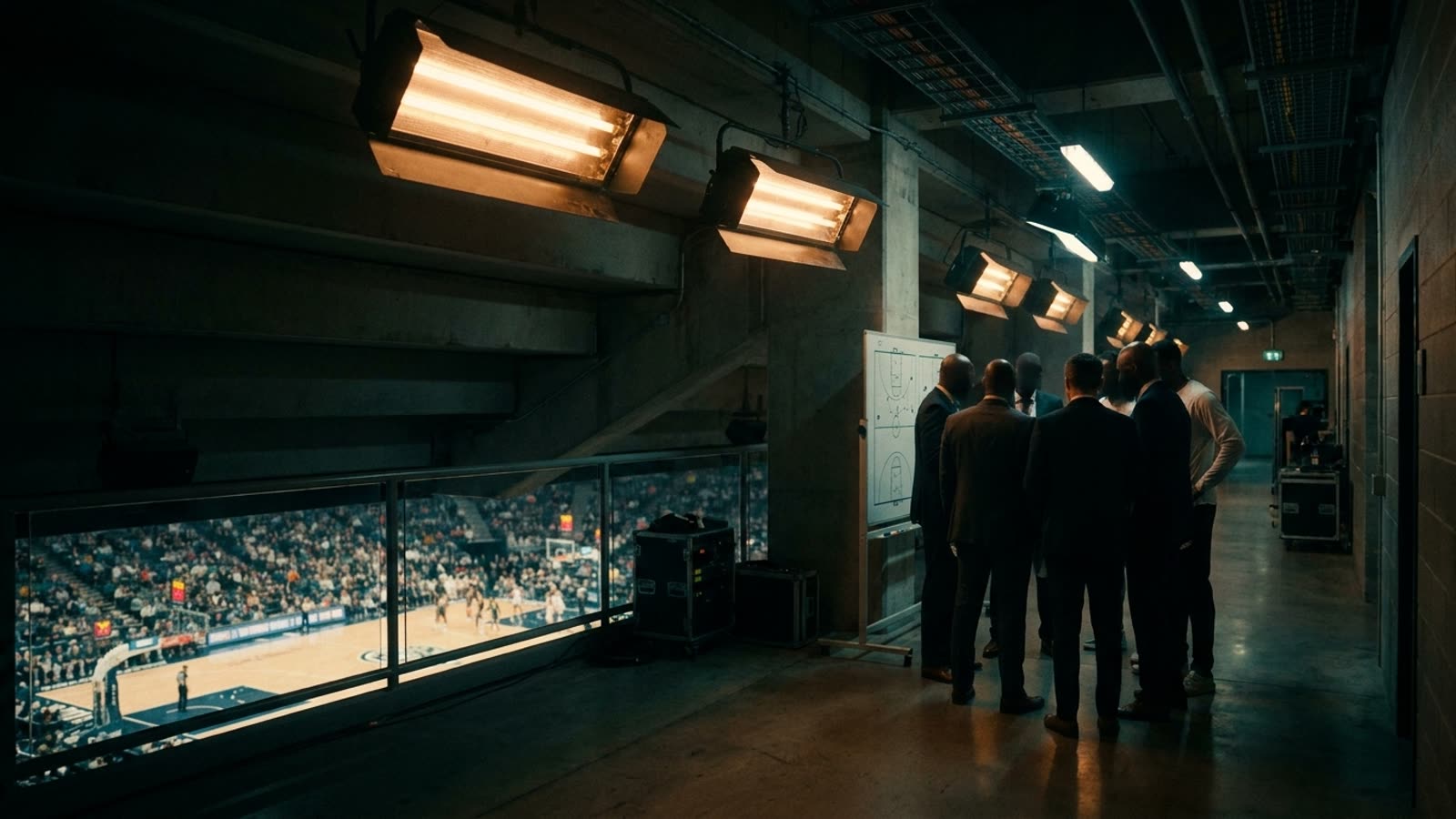
The NBA preseason is a carnival of meaningless box scores and desperate roster auditions, but buried beneath the exhibition noise are the figures whose choices will actually determine the league's competitive landscape. This season, the most important storylines won't be written by stat-sheet stuffers—they'll be authored by executives gambling their careers, coaches clinging to relevance, and players whose next twelve months will either cement legacies or accelerate rebuilds.
The league enters 2026-27 at a fascinating inflection point. The superteam era has fractured into something messier and more interesting: genuine parity punctuated by a handful of organizations that have either cracked the code or are about to spectacularly combust. What separates the two categories often comes down to individual decision-makers operating under extraordinary pressure.
The front-office pressure cooker
Several general managers enter the season with their tenures effectively on trial. The Lakers' Rob Pelinka faces perhaps the most scrutinized situation, having constructed a roster that must maximize whatever remains of LeBron James's competitive window while simultaneously building toward a post-LeBron future—two objectives that rarely coexist peacefully. His counterpart in Philadelphia, Daryl Morey, continues his all-in pursuit of a championship with Joel Embiid, a strategy that grows more precarious with each passing year of Embiid's injury history. The Sixers' front office has mortgaged flexibility for win-now moves; anything short of a Finals appearance will invite existential questions about the entire approach.
Coaching seats at combustion temperature
The coaching carousel never truly stops spinning, but several benches feel particularly unstable. Milwaukee's Doc Rivers, brought in to guide Giannis Antetokounmpo to another title, has instead presided over diminishing returns. The Bucks' championship window is narrowing, and Rivers's historical pattern of playoff disappointments with talented rosters haunts every strategic decision. Meanwhile, younger coaches like Boston's Joe Mazzulla face different pressures: having tasted championship success early, the expectation is sustained excellence, not gradual development. The margin for regression is essentially zero.
Players at the crossroads
Beyond the obvious MVP candidates, several players face seasons that will fundamentally reshape their career narratives. Zion Williamson's durability remains the sport's most frustrating what-if; another injury-shortened campaign could permanently recategorize him from generational talent to cautionary tale. James Harden, now deeper into his thirties, must prove that his reinvention as a facilitator rather than a volume scorer can translate to playoff success. And Ja Morant, returning from yet another controversy-adjacent absence, carries the weight of proving that his talent justifies the organizational patience Memphis has extended.
Our take
The NBA's brilliance has always been its human-scale drama—a league small enough that individual personalities genuinely alter outcomes, yet large enough to sustain multiple compelling narratives simultaneously. This season's most interesting stories won't be about who scores the most points or which team racks up the best regular-season record. They'll be about whether the people making high-stakes decisions under impossible pressure manage to get more right than wrong. The preseason revealed the contours of these dramas; the next six months will determine who survives them.