The NBA's annual general manager survey has always functioned as a peculiar exercise in collective prophecy, a document where the league's decision-makers reveal their anxieties and aspirations through anonymous ballots. This year's edition, released ahead of the 2026-27 season, reads less like a survey and less like a coronation decree: Victor Wembanyama is expected to win MVP, Defensive Player of the Year, and lead San Antonio to the championship. The Spurs, who finished last season as a promising but unpolished young team, have apparently graduated to juggernaut status in the minds of those paid to know better.
The survey results carry weight precisely because GMs cannot afford delusion. These are executives whose livelihoods depend on accurately assessing talent, projecting development curves, and understanding how rosters translate to wins. When they collectively anoint a 22-year-old as the sport's best player and his team as its inevitable champion, they are making a statement about competitive reality. The rest of the league, in their view, is playing for second place.
The Wembanyama consensus
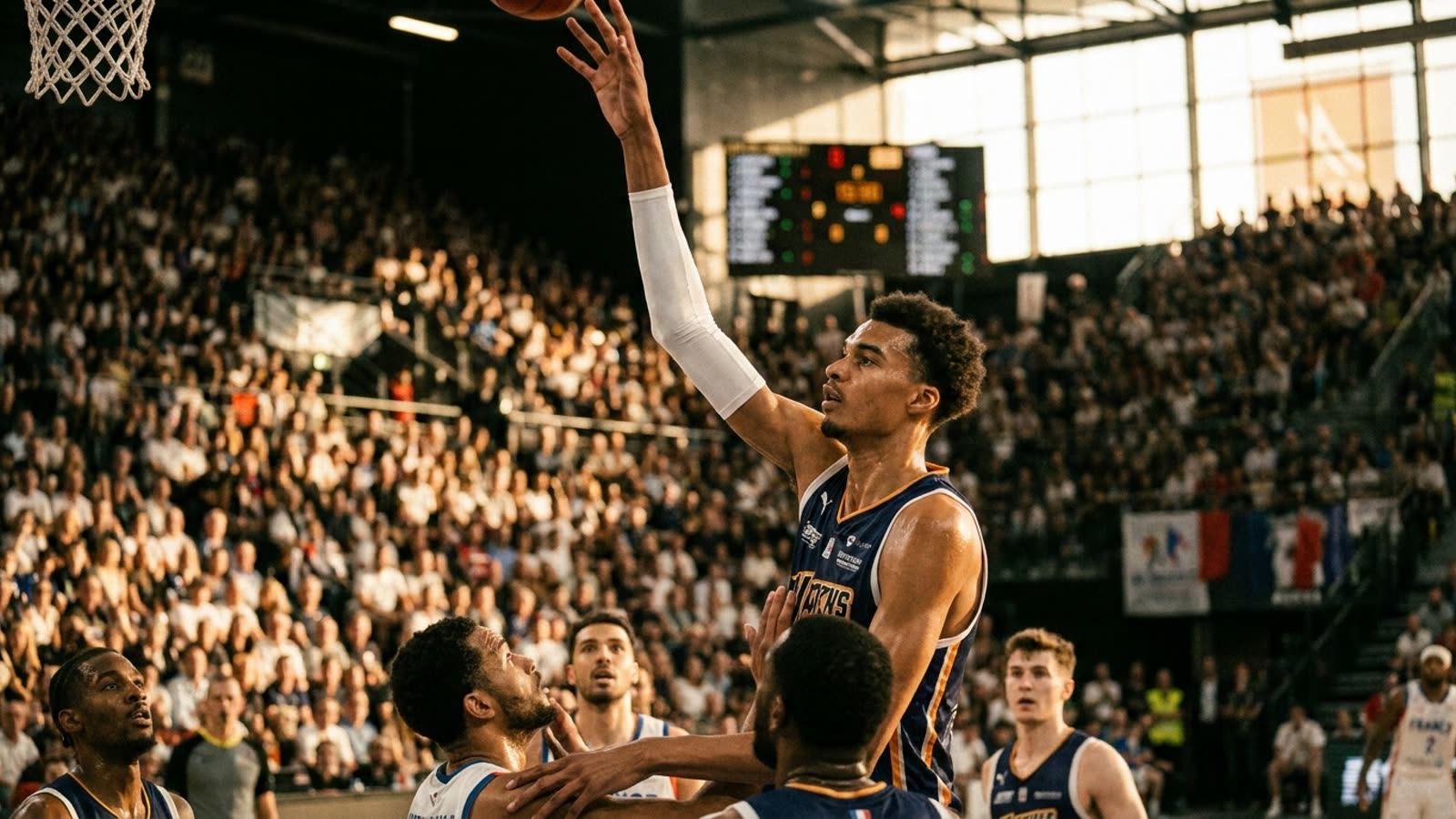
What makes the survey remarkable is not that Wembanyama was picked—he has been the presumptive future of the league since his draft—but the totality of the projection. MVP and DPOY in the same season is a feat accomplished by only three players in league history: Michael Jordan, Hakeem Olajuwon, and Giannis Antetokounmpo. The GMs are not merely predicting excellence; they are predicting historically unprecedented dominance from a player entering his third professional season. His combination of 7-foot-4 height, guard-like ball-handling, and defensive instincts that border on precognition has apparently convinced the league's brain trust that the developmental timeline everyone expected has already concluded.
San Antonio's quiet assembly
The Spurs organization, perpetually underestimated despite five championships this century, has built around Wembanyama with characteristic patience. The roster construction—veteran stabilizers, complementary shooters, defensive-minded role players—reflects the Gregg Popovich philosophy that won titles with Tim Duncan. San Antonio's front office has avoided the flashy superteam approach, instead trusting that one transcendent talent surrounded by competence beats three stars surrounded by minimum contracts. The GM survey suggests this bet is about to pay off spectacularly.
The burden of expectation
History offers cautionary tales about premature coronations. The 2011 Miami Heat were supposed to win "not five, not six, not seven" championships; they managed two. The Kevin Durant Warriors were considered unbeatable until injuries intervened. Projecting dominance and achieving it remain different exercises. Wembanyama has yet to lead a playoff series, let alone navigate the psychological warfare of a championship run. The GMs may be right about his ceiling while being optimistic about his timeline.
Our take
The survey reveals something important about the current NBA: the league's executives have already mentally conceded the next era to San Antonio. Whether Wembanyama validates their faith this season or takes another year to reach his projected apex matters less than the consensus itself. The Spurs have built something the rest of the league fears, and fear, in professional sports, is usually the most reliable indicator of genuine threat. The coronation may be premature, but the king has clearly been identified.