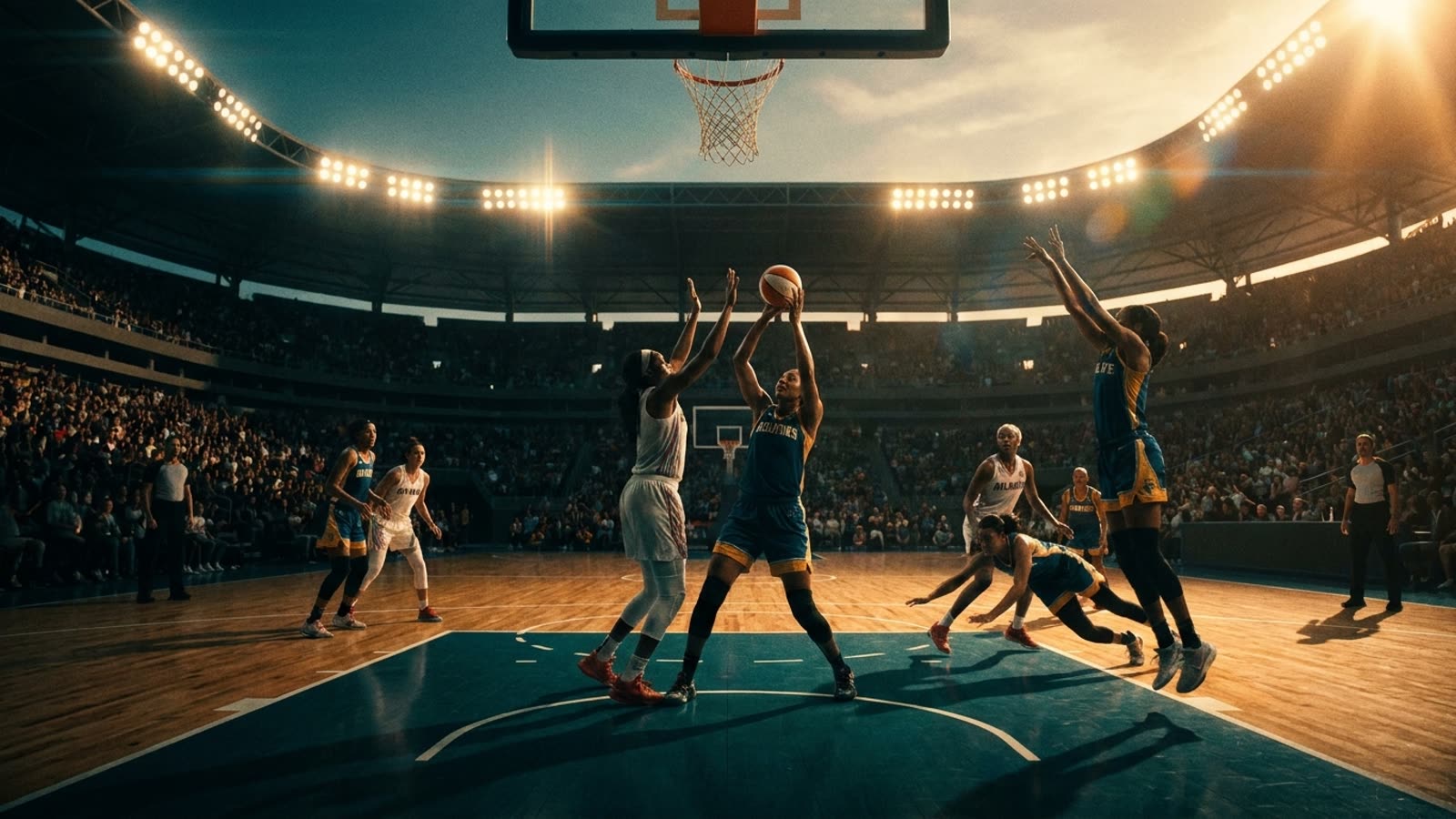
The WNBA Finals beginning this week between the Atlanta Dream and Golden State Valkyries will not be a showcase of individual brilliance so much as a referendum on defensive philosophy. Both teams arrived here by making opponents miserable, and the winner will be whichever franchise can sustain that suffocation longest.
This is not the Finals casual observers expected. Neither team features the league's most celebrated offensive talent; neither has the highest-profile name on its roster. What they share is an organizational commitment to defense that borders on pathological, and a willingness to win games 71-68 while everyone else chases triple-digit spectacle.
The case for Atlanta
Angel Reese has become the Dream's fulcrum not because of her scoring—though it remains formidable—but because of her rebounding dominance and defensive positioning. Atlanta's scheme funnels ball-handlers into Reese's orbit, where possessions go to die. The Dream held opponents under 80 points in five of their eight playoff games, a staggering figure in an era of pace-and-space basketball. Their half-court defense resembles a Venus flytrap: inviting, then lethal.
The case for Golden State
Gabby Williams may be the most complete two-way wing in women's basketball. The Valkyries—still in their expansion infancy—built their identity around her relentless motor and defensive versatility. Williams guards positions one through four with equal menace, and Golden State's help rotations have been the tightest in the league since February. Their playoff run has been defined by fourth-quarter strangleholds, outscoring opponents by an average of six points in final periods.
What this series means for the league
The WNBA has spent years marketing itself through offensive stars and highlight dunks, chasing the NBA's entertainment model. These Finals offer a counterargument. Defense, cohesion, and coaching might be more sustainable paths to championships than hoping a single transcendent scorer can carry a roster. If Atlanta or Golden State produces a dominant, low-scoring series, it could reshape how front offices allocate resources.
Our take
This is the most interesting WNBA Finals matchup in years precisely because it lacks an obvious protagonist. Neither team has a ready-made marketing hook, which means the basketball itself will have to carry the broadcast. That's a gamble for the league's visibility, but a gift for anyone who actually watches. Expect grinding possessions, contested rebounds, and a champion that earned the trophy through collective will rather than individual magic. The WNBA's best advertisement might be a series that refuses to be entertaining in the conventional sense.