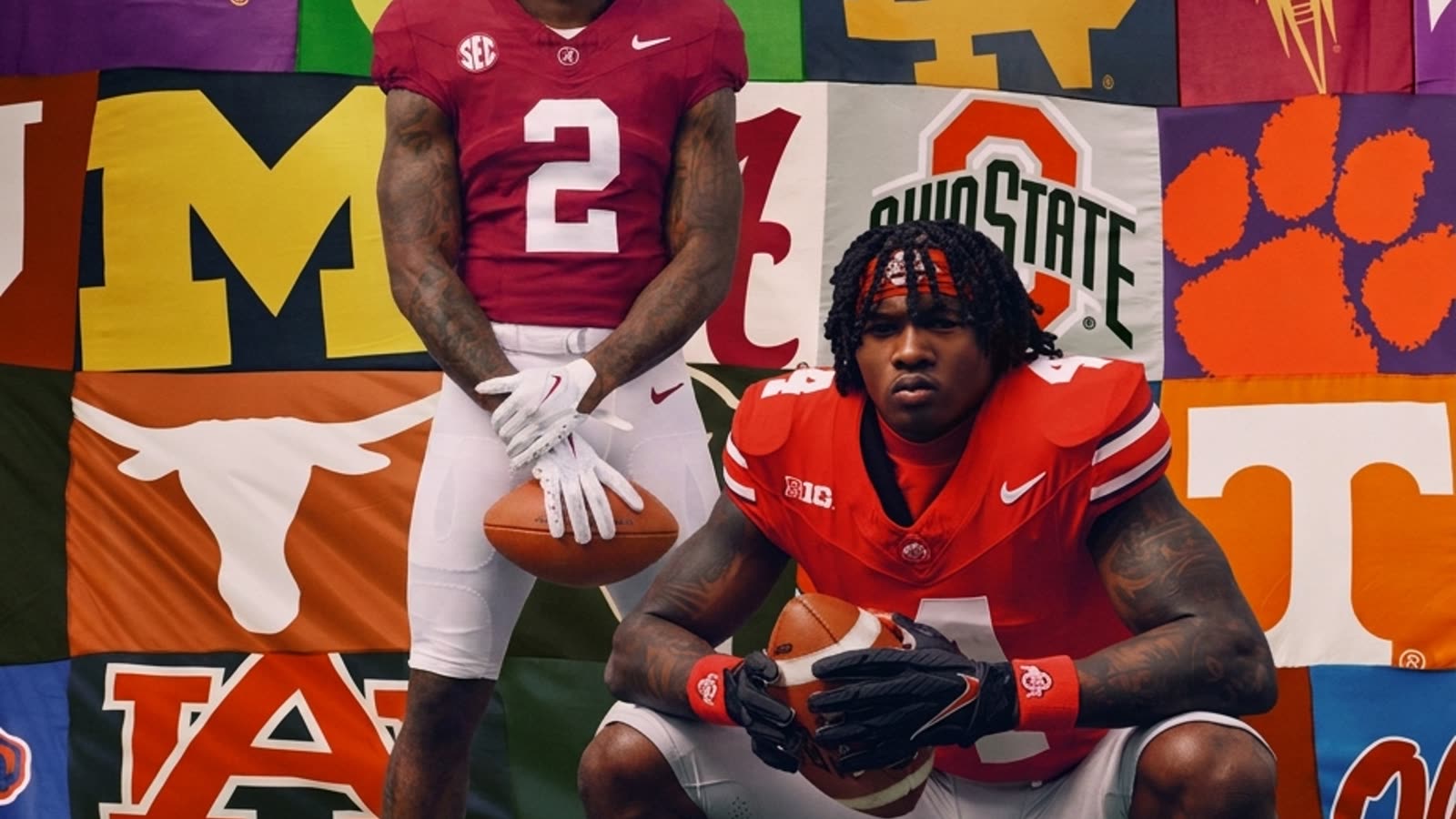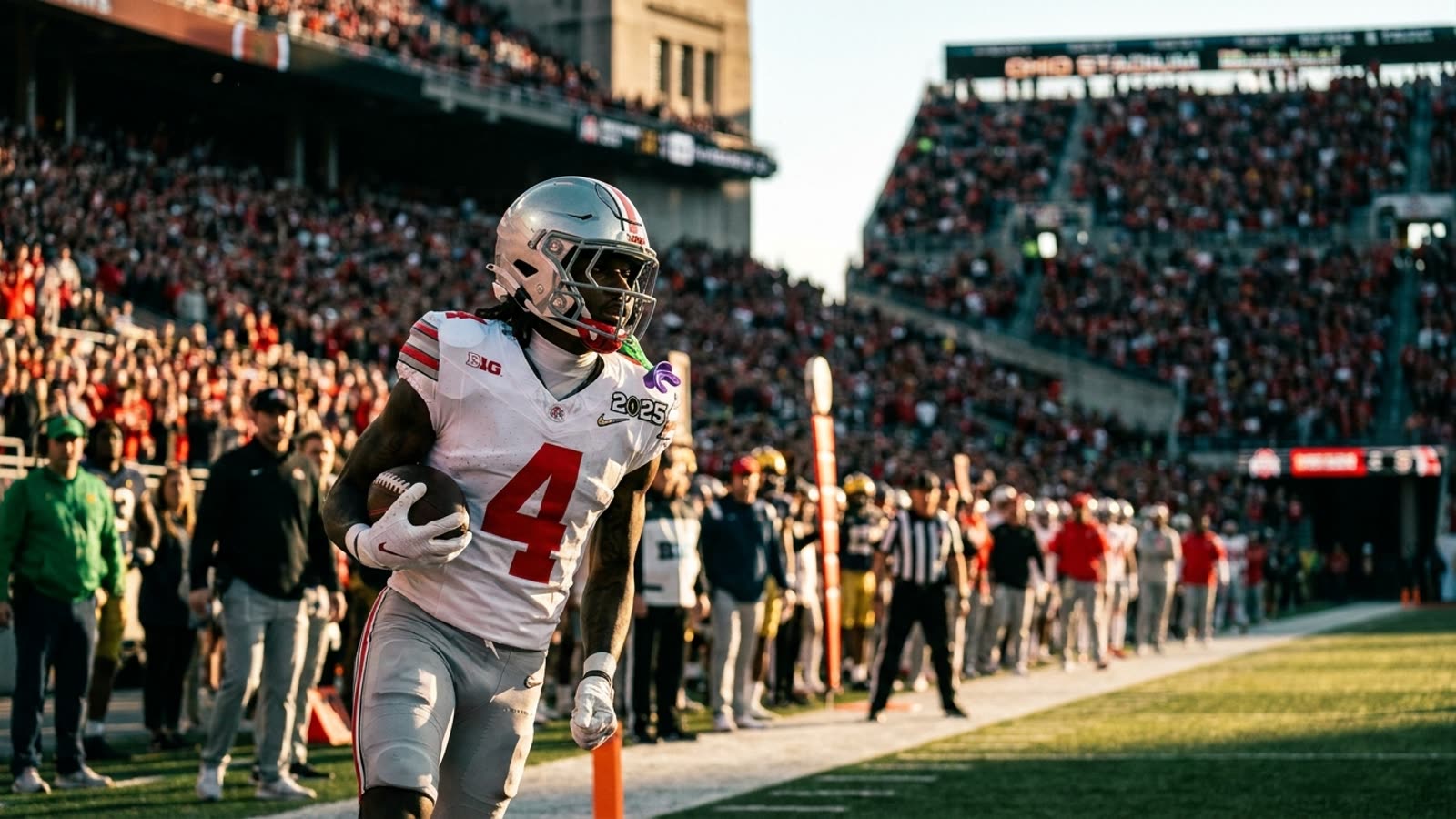
The conversation about Jeremiah Smith has shifted from whether he belongs among the elite college receivers to whether anyone has ever done it better at this age. Through six games of his sophomore campaign, the Ohio State wideout is posting numbers that make even the most decorated names in the sport's history look pedestrian by comparison.
Smith's trajectory isn't merely impressive—it's historically anomalous. At nineteen, he's operating with the route-running sophistication of a third-year pro and the physical tools of a generational talent. His catch radius, contested-ball rate, and yards-after-contact figures all rank in the ninety-ninth percentile among Power Five receivers since detailed tracking began.
The fifty-year lens
When analysts attempt to rank the greatest college receivers of the past five decades, the usual suspects emerge: Randy Moss at Marshall, Calvin Johnson at Georgia Tech, Larry Fitzgerald at Pittsburgh, Jerry Rice at Mississippi Valley State. Each redefined what was possible at the position during their era. What distinguishes Smith is the compression of his development curve. Moss needed two full seasons to reach his statistical apex. Johnson's dominant junior year came after two seasons of refinement. Smith is producing at that level now, with two-plus years of eligibility remaining.
The advanced metrics paint an even starker picture. Smith's separation rate against press coverage exceeds what Johnson managed as a junior. His yards per route run would lead the NFL. He's doing this in a conference that features multiple future first-round defensive backs.
The NFL shadow
Every elite college receiver eventually faces the same question: when to leave. Smith's situation is complicated by the new NIL landscape and Ohio State's legitimate national championship aspirations. The Buckeyes have built their entire offensive identity around his ability to win one-on-one matchups, and his departure would fundamentally alter their competitive trajectory.
NFL scouts are already treating his evaluation as a formality. Multiple personnel executives have privately indicated that Smith would be the consensus top pick in next spring's draft if he declared. The only debate is whether he's the best receiver prospect since Fitzgerald or since Moss—a distinction without much practical difference.
Our take
The temptation with transcendent talents is to hedge, to wait for the inevitable regression or the humbling moment that proves they're mortal. Smith has provided no such evidence. He's not just the best receiver in college football; he's making a credible case for the best we've seen in the sport's modern era. The only remaining question is whether Ohio State can win a championship before the NFL claims him—and whether anyone will remember the runners-up once his professional career begins.