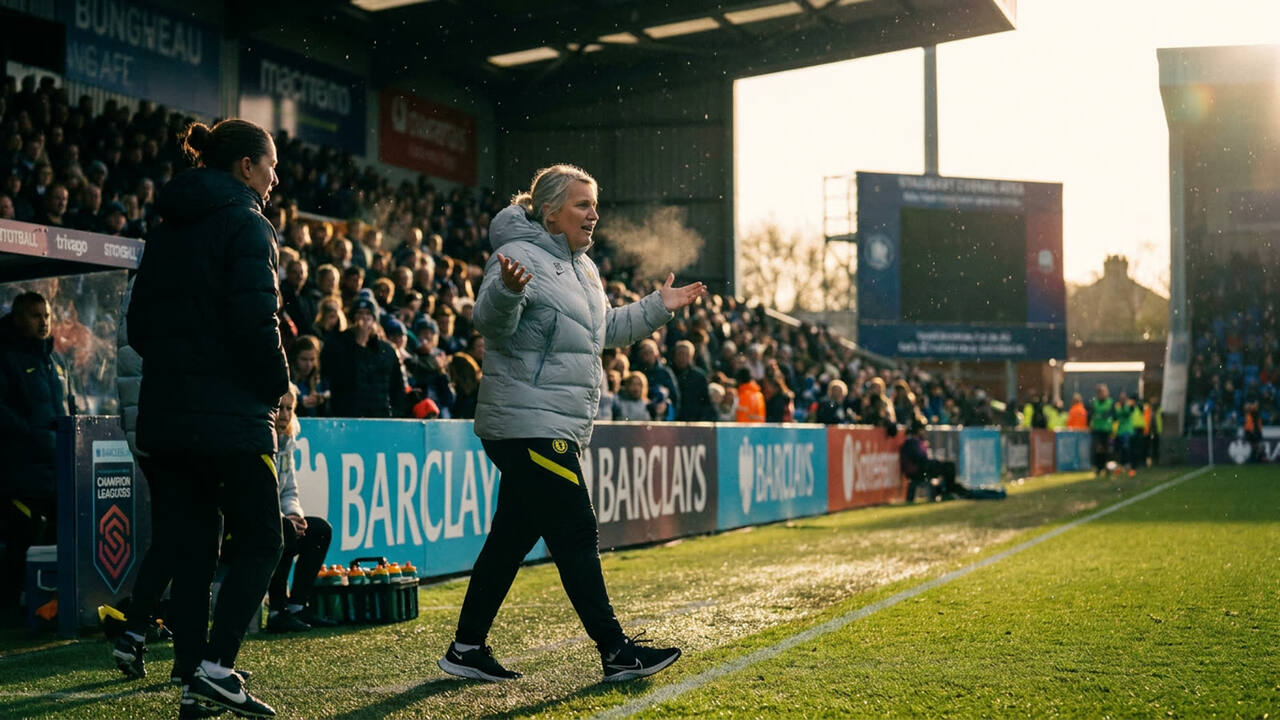
Emma Hayes has never been accused of thinking small. The English manager who built Chelsea's women's program into a European powerhouse before crossing the Atlantic to lead the U.S. women's national team told reporters this week that she envisions a future where soccer supplants American football, baseball, and basketball as the nation's dominant sport. It is the kind of statement that would have drawn eye-rolls a generation ago. Today, it reads more like a weather forecast than a fever dream.
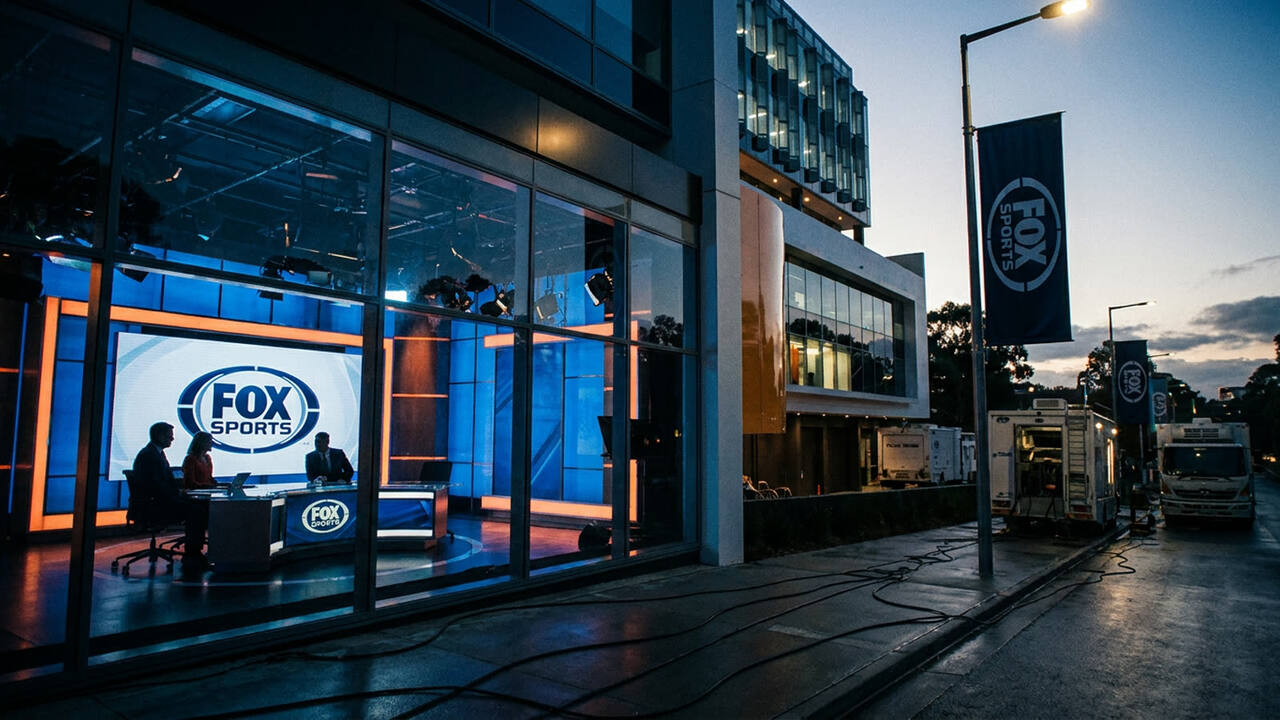
The timing of Hayes's remarks is not accidental. The 2026 World Cup, co-hosted on American soil, has delivered the largest domestic television audiences for group-stage matches in the tournament's history. Fox's overnight ratings for the opening weekend exceeded those of last year's World Series. Youth soccer participation, which briefly dipped during the pandemic, has rebounded to record levels, with U.S. Soccer reporting more than four million registered players under eighteen—a figure that dwarfs Little League baseball and approaches Pop Warner football.
The demographic tailwind
Hayes's optimism rests on numbers that have been accumulating for decades. Hispanic Americans, the fastest-growing demographic segment, bring with them a cultural inheritance in which soccer is not an alternative to the major sports but the sport itself. Second-generation immigrants who grew up watching Liga MX and La Liga on Spanish-language television are now raising children who consume Premier League content on their phones before breakfast. The NFL's dominance has always depended on a particular kind of American exceptionalism—a willingness to embrace a sport played almost nowhere else. That exceptionalism is eroding.
The infrastructure question
What soccer still lacks in America is the entrenched infrastructure of its rivals: the Friday-night-lights ritual of high school football, the regional tribalism of college basketball, the century-old ballparks that anchor urban identities. Hayes knows this. Her project with the USWNT is partly about winning trophies and partly about building a mythology that can compete with those traditions. The women's game, in particular, offers a blank canvas—no legacy of corruption, no bloated salaries that alienate working-class fans, no concussion crisis casting a moral shadow.
The club conundrum
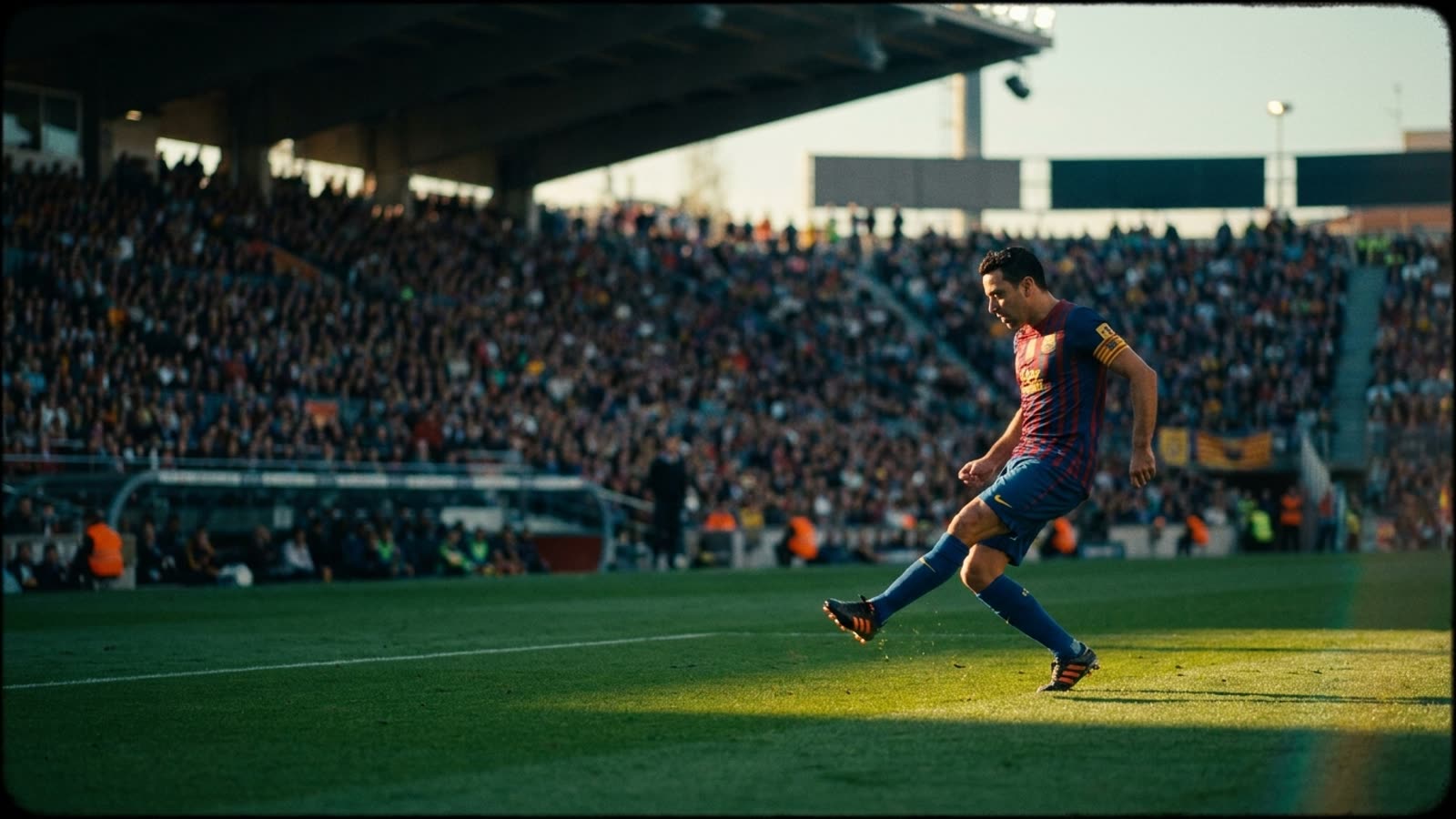
Major League Soccer remains the weakest link in Hayes's thesis. Despite expansion to thirty clubs and improved attendance figures, the league has failed to produce a single team with genuine national following. American fans who care deeply about club soccer tend to care about Liverpool or Barcelona, not LAFC or Inter Miami. Until domestic club competition generates the kind of emotional investment that the Premier League commands, soccer's ceiling in the United States will remain lower than Hayes imagines.
Our take
Hayes is not predicting that soccer will overtake the NFL by 2030; she is describing a trajectory that could unfold over a generation. The smart money says she is directionally correct. American football faces existential questions about brain injury and youth participation. Baseball has become a regional sport masquerading as a national pastime. Basketball thrives but has always been more of a star-driven entertainment product than a community ritual. Soccer, with its global connective tissue and demographic momentum, is the only major sport whose American future looks brighter than its American past. Hayes is simply reading the scoreboard.